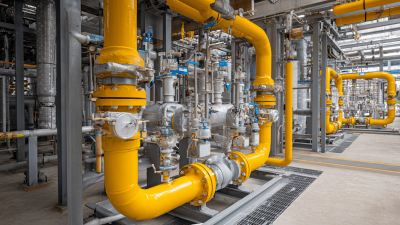
As we get closer to 2025, things in the engineering world are changing pretty quickly, especially when it comes to saving energy and protecting our environment. There's a real buzz around coming up with smarter, greener solutions, which means lots of innovation in new materials and designs. If you're in the industry, staying up-to-date is pretty much a must. One thing that's been gaining a lot of attention lately are Aluminum Pressure Vessels. Why? Well, they’re super strong for their weight, resist corrosion, and are totally recyclable — making them a big deal in many applications. Recent industry reports show that the global market for these vessels is on the rise, thanks to tech advancements and stricter eco-friendly regulations. Over at Hebei Hongke Qingneng Environmental Protection Equipment Co., Ltd., we've been hard at work since June 2021, focusing on R&D and delivering top-notch products tailored to the changing needs of energy-saving and environmental protection sectors. Looking ahead to 2025, figuring out how to pick the right aluminum pressure vessel will be super important for engineers and companies alike — it’s all about smart choices for a better future.
Emerging Trends in Aluminum Pressure Vessel Design for 2025
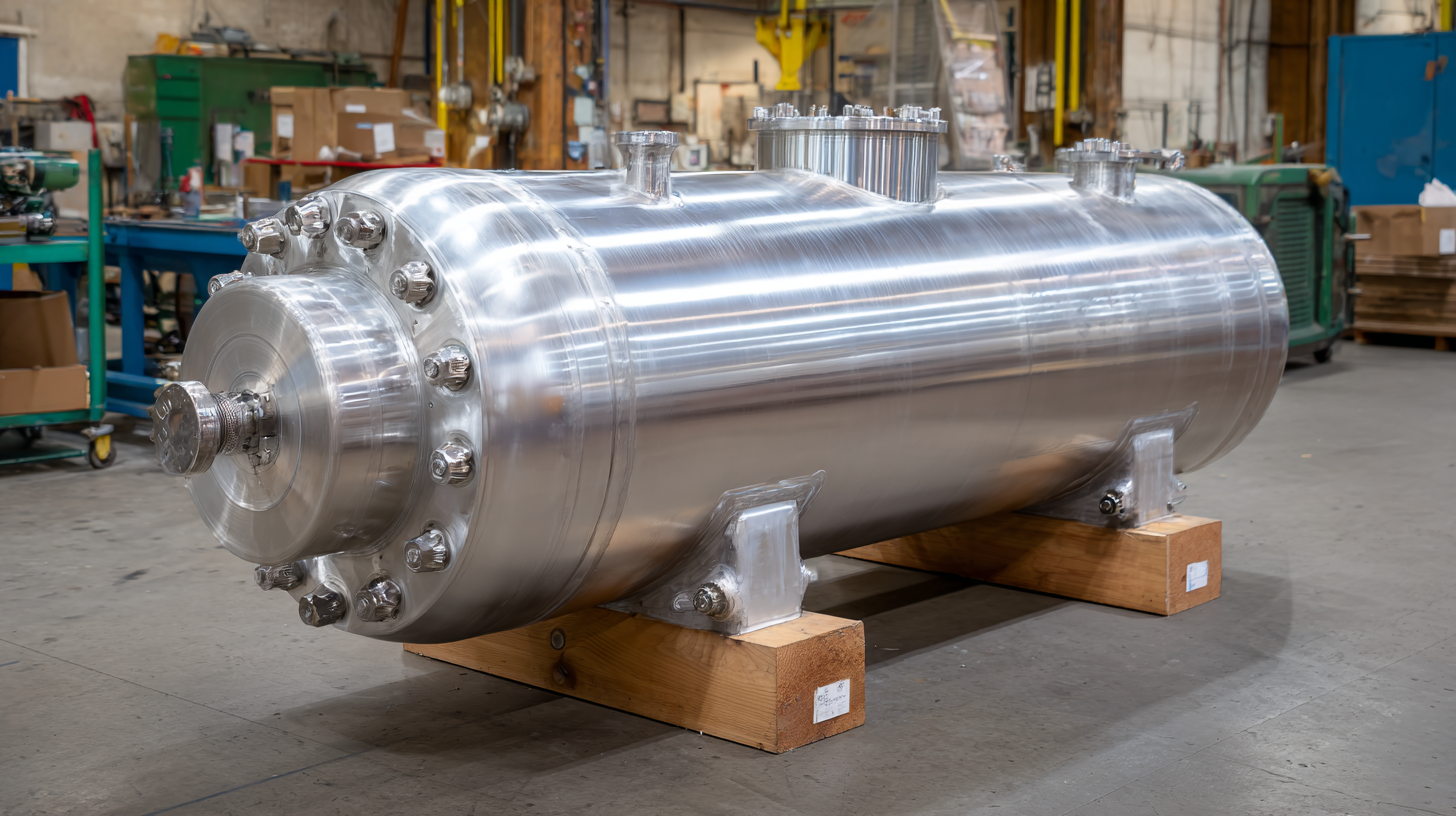
As engineering practices keep evolving, aluminum pressure vessels are really going through a pretty exciting transformation when it comes to how they're designed and what they can do. Looking ahead to 2025, the focus is all about making these vessels safer, more efficient, and better for the environment. One of the coolest trends right now is mixing advanced composite materials with aluminum — it makes the vessels stronger without adding extra weight. This hybrid approach not only boosts performance, but it also opens up more options in terms of design, letting industry needs be met more easily.
Another big thing we're seeing is the integration of smart tech into these vessels. Using IoT sensors, for example, allows real-time tracking of pressure, temperature, and how everything's holding up structurally. It’s a game-changer because it helps predict issues before they become major problems, cutting down downtime and making operations way more efficient. For industries like aerospace or chemical processing, this kind of reliability is huge. Plus, designers are focusing more on making modular vessels that can be tweaked for different uses, which supports a more sustainable lifecycle overall. All these trends point to a future where aluminum pressure vessels are smarter, more adaptable, and just generally better at handling the demands we throw at them.
Key Material Properties Driving the Aluminum Pressure Vessel Market
When you're choosing aluminum pressure vessels, it's pretty important to get a good grasp of the key material properties involved. Aluminum alloys are becoming a popular choice—mainly because they’re lightweight but still strong enough for demanding uses. You’ll see them often in areas like aerospace and energy industries. Oh, and their corrosion resistance? That’s a big deal too, since these vessels often have to survive in pretty tough environments. Making sure they can handle high pressure without giving out—especially in stuff like cryo-compressed hydrogen storage—is absolutely essential for safety and longevity.
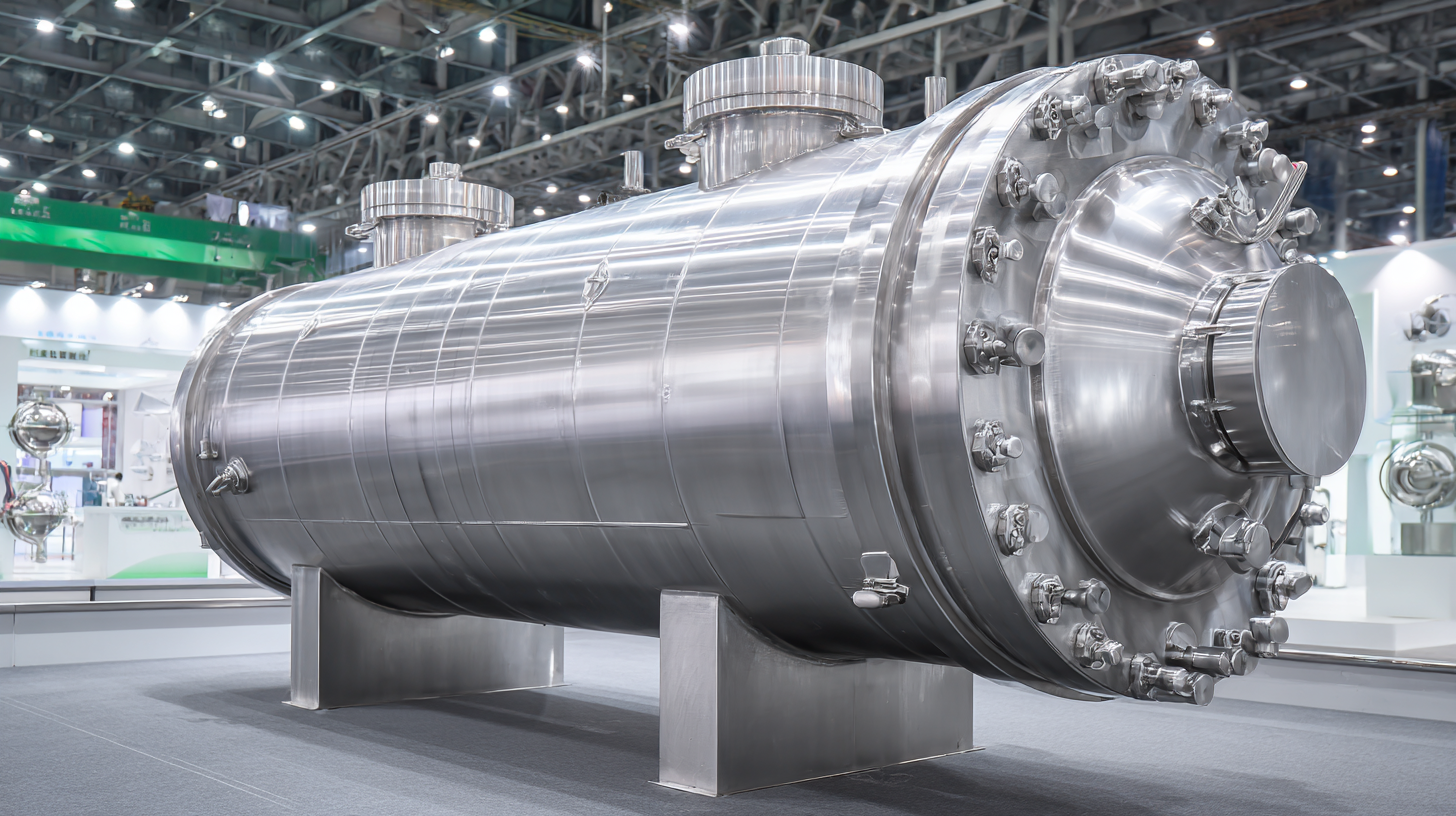
As the market for pressure vessels keeps changing, new manufacturing tricks, like better welding methods and things like 3D printing, are really shaking things up. These tech upgrades don’t just boost how well the vessels perform—they also help cut down costs and speed up production. Plus, with all the buzz around sustainability right now, more folks are looking for energy-efficient solutions. That’s why aluminum pressure vessels are looking more attractive—they fit right into the move toward cleaner, greener tech. Knowing these material details and keeping an eye on industry trends can really help engineers and decision-makers pick the right aluminum vessels for their specific projects without a headache.
Regulatory Standards Impacting Pressure Vessel Manufacturing in 2025
By 2025, the whole scene of pressure vessel manufacturing is really going to be shaped by new rules and standards focused on safety and efficiency. If you're in the game, you'll definitely need to keep up with these regulations because they cover everything—design, materials, and how things are actually run. For example, updates from groups like the ASME and the National Board are expected to bring in stricter testing rules and quality checks. Falling behind could mean big fines or legal headaches, so staying compliant isn’t just smart, it’s essential.
Plus, there’s gonna be a big push towards sustainability. Manufacturers will probably be asked to go greener, using eco-friendly materials and new tech that cuts down the environmental footprint. That might also mean making manufacturing processes more energy-efficient. Companies that jump on these changes early? They’re likely to stay ahead of the curve and even boost their reputation in the industry. Bottom line—adapting to these evolving standards isn’t just about avoiding trouble; it’s about positioning yourself for success and helping build a more sustainable future in engineering. So, for engineers and manufacturers alike, staying flexible and informed will be key in navigating the industry’s shifts come 2025.
Cost Analysis: Investing in High-Quality Aluminum Pressure Vessels
When you're looking into investing in aluminum pressure vessels for engineering projects, it really pays to do a thorough cost analysis. Sure, high-quality aluminum vessels might cost a bit more upfront, but honestly, they tend to save you money in the long run. I read recently from the Pressure Vessel Manufacturers Association that aluminum pressure vessels can cut down maintenance costs by up to 25% compared to carbon steel ones — mostly because aluminum’s naturally resistant to corrosion. That kind of durability means less hassle and lower total costs over the lifecycle, making them a pretty smart choice if you’re after something durable and safe.
On top of that, a 2023 report on Automation and Control Systems found that using top-tier aluminum pressure vessels can actually boost how efficiently things run. Facilities that have gone with more advanced aluminum designs are seeing about a 15% bump in energy efficiency. The reason? Aluminum is lightweight, so it makes transportation and installation less energy-hungry. So yeah, while the initial price tag might be higher, the savings in maintenance, energy, and productivity make these vessels a really solid investment in the long run. It’s all about weighing those upfront costs against the future benefits — and honestly, aluminum vessels just tend to come out ahead if you ask me.
Sustainable Practices in the Production of Aluminum Pressure Vessels
You know, as industries really start to focus more on being eco-friendly, sustainable practices in making aluminum pressure vessels are becoming a big deal. The aluminum mining world is going through some pretty interesting changes right now, especially around cleaner extraction and refining methods. By bringing in new tech and smarter strategies that cut down on waste and harmful emissions, companies can really align better with global efforts to be more sustainable. For example, tweaking the aluminum extrusion process can cut down on scrap, which is not only good for efficiency but also better for the environment.
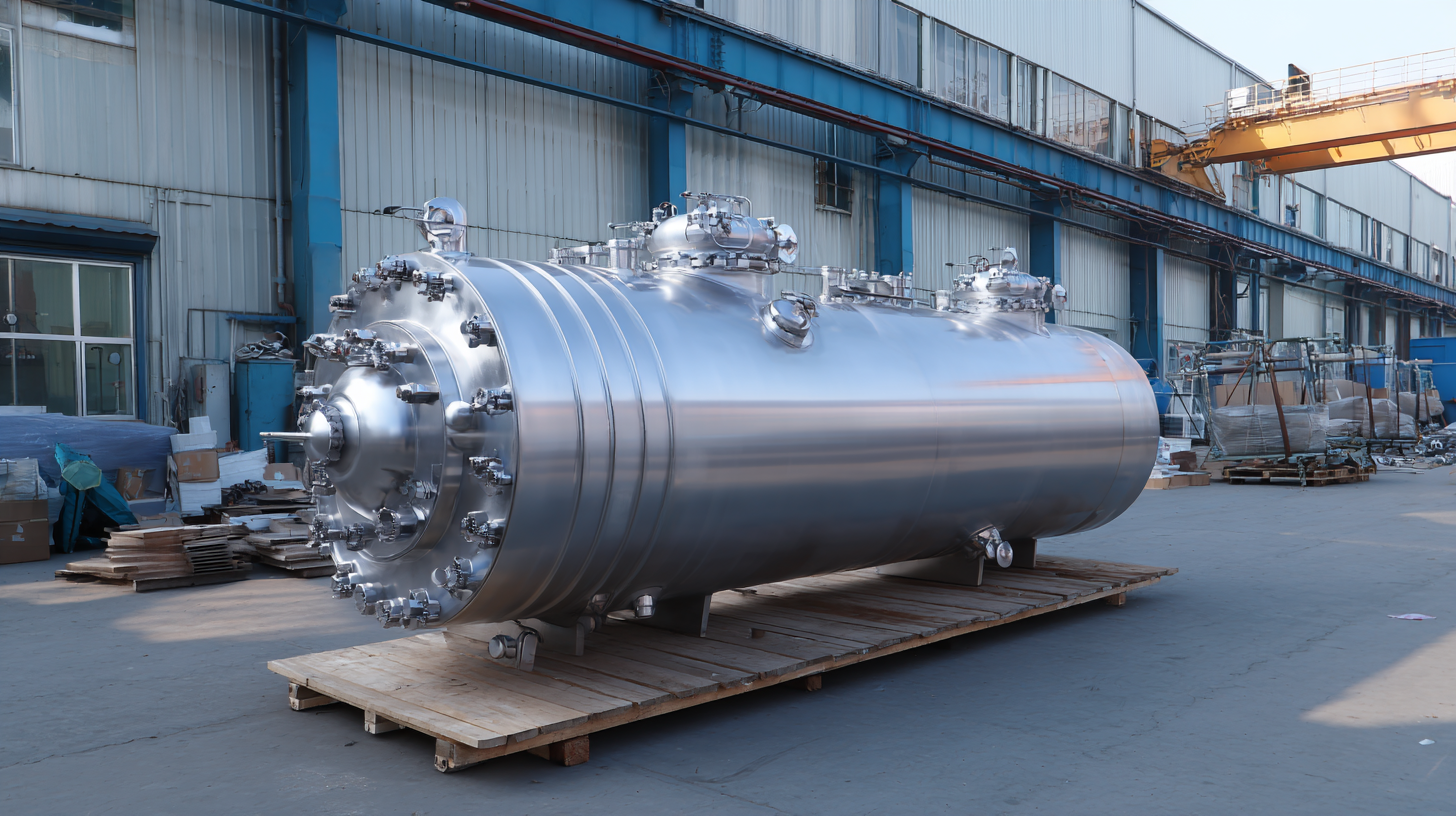
And, get this—people are even exploring cool ideas like using aluminum-water reactions to produce hydrogen. That shows how aluminum might actually have a part to play in clean energy. As the push to decarbonize everything heats up, the aluminum industry needs to focus more on sourcing responsibly and recycling. Going for a circular economy isn’t just good for reducing carbon footprints — it also helps brands tap into the market’s increasing demand for sustainable materials, which often command a premium. At the end of the day, choosing aluminum pressure vessels made with eco-friendly practices isn’t just good for the planet — it’s a smart move for businesses too, helping us all head towards a greener future.
Future Innovations: Predicting Technological Advances for 2025
As we get closer to 2025, it’s pretty exciting to see how engineering is on the brink of some serious game-changers thanks to all these new tech innovations. You know, stuff like AI and machine learning are really starting to shake things up—making processes more efficient, accurate, and just overall smarter. Engineers are gonna be leaning on these clever algorithms more and more for designing systems, predicting when things might go wrong, and fine-tuning production methods. It’s a game-changer because it means projects can move faster and save a bunch of money, which also makes rapid prototyping and testing the new normal.
On top of that, sustainable materials and eco-friendly practices are becoming a huge focus. There’s been a real push to develop better, greener solutions—like lighter, tougher aluminum alloys that are perfect for pressure vessels. Not only do these materials perform well, but they also help cut down the environmental impact of manufacturing. As these trends keep growing, engineers will need to adapt—picking new tools and strategies that make the most of these new technologies while keeping sustainability in mind. Going with the flow here isn’t an option; embracing these changes will basically set them up for success in this ever-evolving industry.
Innovative Approaches in Non-Standard Pressure Vessel System Solutions for Enhanced Industrial Efficiency
In today's industrial landscape, the need for innovative solutions in non-standard Pressure Vessel Systems is more critical than ever. The integration of advanced technologies in the design and manufacturing processes not only enhances operational efficiency but also meets the diverse needs of various industries. With a decade of experience in the pressure vessel sector, we have harnessed our expertise to develop customized solutions that cater to the unique requirements of 12 industries, including energy, chemicals, and biopharmaceuticals.
Our high-end equipment system is a testament to the seamless integration of research and development with precision manufacturing and intelligent service. By leveraging our national pressure vessel design qualifications (A2/D1/D2 category), we have introduced a cutting-edge three-dimensional parametric design platform. This platform enables structural simulation and process optimization for non-standard equipment such as adsorption tanks and reactors, achieving an impressive design accuracy of ±0.5mm. Remarkably, our approach enhances efficiency by 40% compared to traditional manufacturing methods, marking a significant leap forward in the realm of pressure vessel technology.
The commitment to innovation not only propels industrial efficiency but also positions us as leaders in the field. By continuously refining our systems and processes, we strive to redefine standards and elevate the capabilities of pressure vessels, ensuring they meet the growing demands of modern industries.
FAQS
: The key trends include the use of advanced composite materials, integration of smart technology such as IoT sensors for real-time monitoring, and the design of modular pressure vessels for various applications.
The use of advanced composite materials alongside aluminum enhances strength while minimizing weight, which improves overall performance and allows for greater design flexibility.
IoT sensors enable real-time monitoring of pressure, temperature, and structural integrity, facilitating predictive maintenance and enhancing operational efficiency.
While the upfront costs may be higher, high-quality aluminum vessels typically offer long-term savings, including up to a 25% reduction in maintenance costs compared to carbon steel vessels.
Facilities using advanced aluminum designs report a 15% increase in energy efficiency due to the lightweight nature of aluminum, which allows for lower energy consumption in transportation and installation.
Innovations such as AI and machine learning will enhance efficiency and predictability in engineering processes, allowing for better system design and failure prediction.
The push for eco-friendly solutions is driving the development of advanced materials, including lighter, stronger aluminum alloys, which help reduce the carbon footprint of manufacturing.
High-quality aluminum vessels offer durability and corrosion resistance, leading to lower lifecycle costs and making them a financially sound investment for businesses.
Engineers must prioritize selecting tools and techniques that leverage new technologies and sustainable practices to remain competitive and effective in the changing landscape.