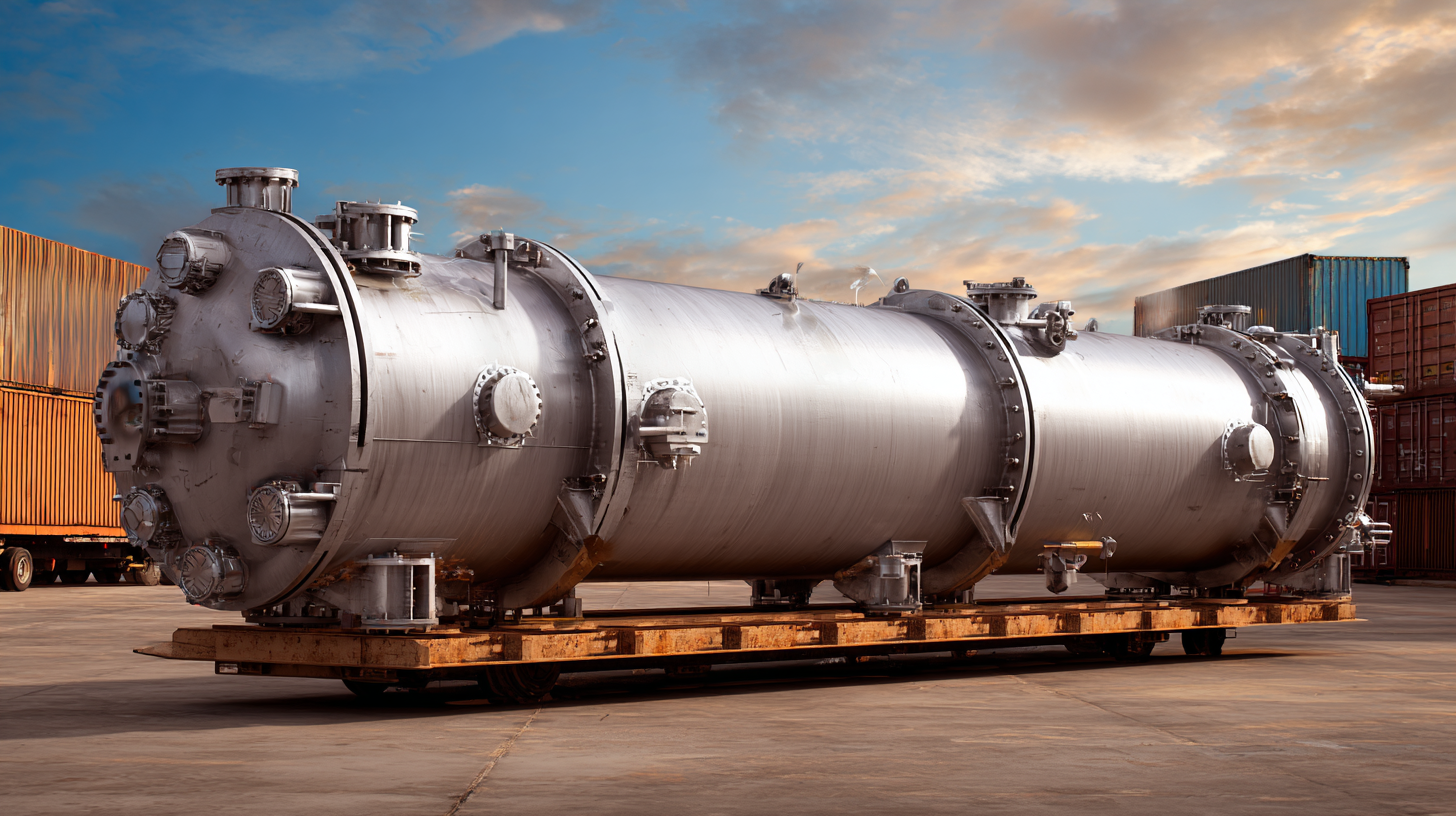
With the world racing to improve energy conservation and protect our environment, understanding the ins and outs of designing Air Pressure Vessels really matters—especially for industry folks on the ground. At Hebei Hongke Qingneng Environmental Protection Equipment Co., Ltd., we kicked things off back in June 2021, and since then, we’ve been all about pushing the boundaries in research and development in this essential field. Our headquarters is tucked away in the Sanhe Economic Development Zone, in Langfang City—kind of a hub for industrial innovation. We totally get how important Air Pressure Vessels are—whether it’s for storing gases or regulating pressure—these little devices are everywhere. This blog is all about exploring the common hurdles engineers face when designing them, based on industry data and insights. Our goal? To give engineers and industry players a clearer picture of what goes into making Air Pressure Vessels, so we can all work toward a more sustainable future.
Challenges in Material Selection for Air Pressure Vessel Design
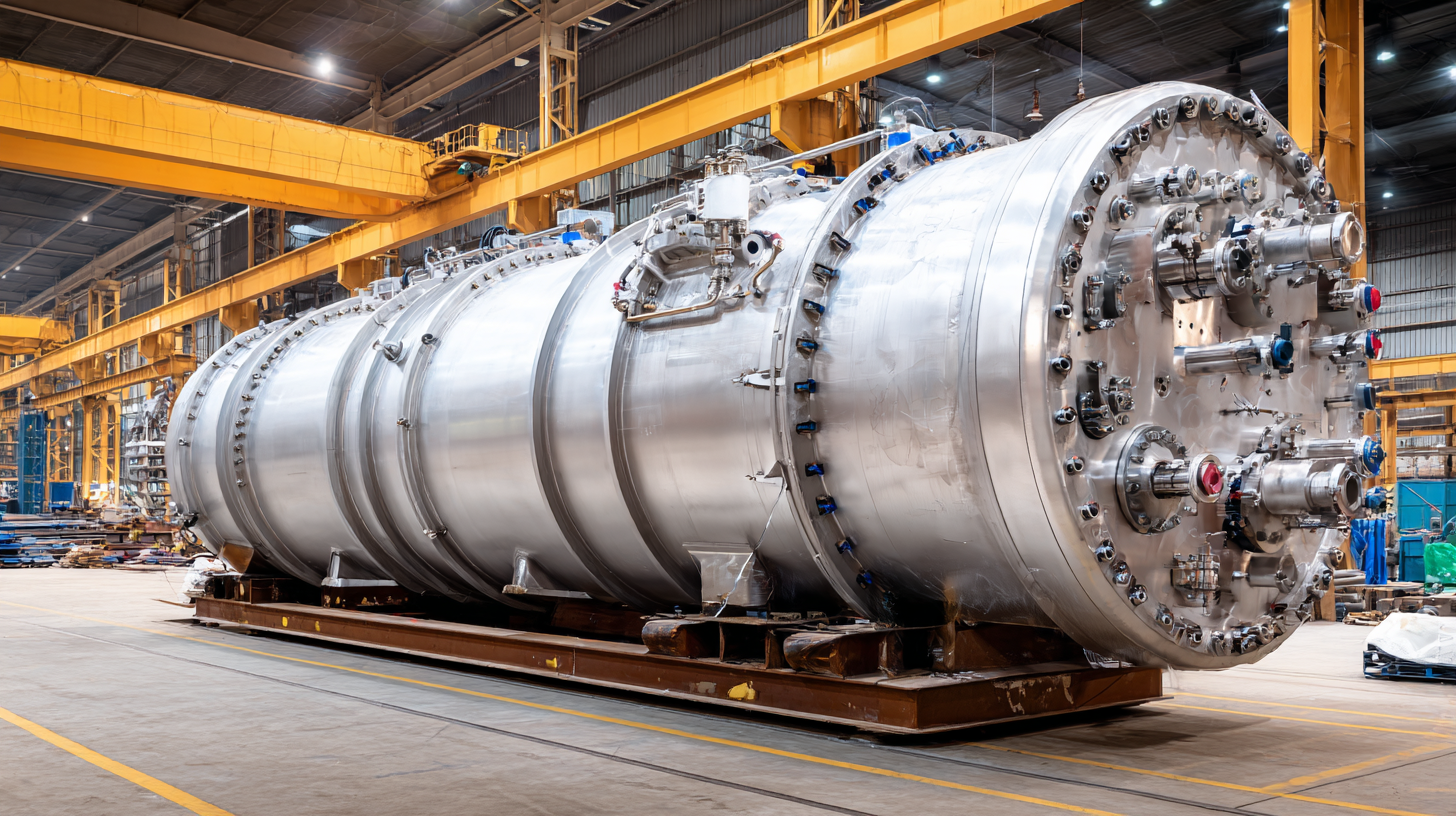
Choosing the right materials for an air pressure vessel isn’t exactly a walk in the park — it’s a tricky balancing act that can really impact both safety and how well the thing actually works. One of the biggest worries is making sure the material can handle those super high pressures and the temperature swings that happen during operation. Basically, you gotta dig into the mechanical properties, like how strong it is when pulled (tensile strength) and how resistant it is to rust or corrosion. Materials like steel and aluminum are pretty common — they usually do the trick in terms of strength — but things like humidity and exposure to chemicals can mess with their performance over time.
Another thing to keep in mind is weight, especially in fields like aerospace or automotive, where every pound counts. Engineers often have to find that sweet spot between keeping the vessel lightweight without sacrificing durability or safety. That’s why more advanced stuff like composites or high-strength alloys are getting a lot of attention these days. Oh, and don’t forget the budget — choosing materials that won’t break the bank but still meet safety standards is a whole other challenge that often needs a team effort from industry folks working together.
All in all, dealing with these things means having a solid understanding of how different materials behave and how they’ll work with the design and operating conditions. It’s not easy, but it’s definitely crucial to get right if you want a safe, efficient vessel.
Analysis of Regulatory Demands Impacting Pressure Vessel Alternatives
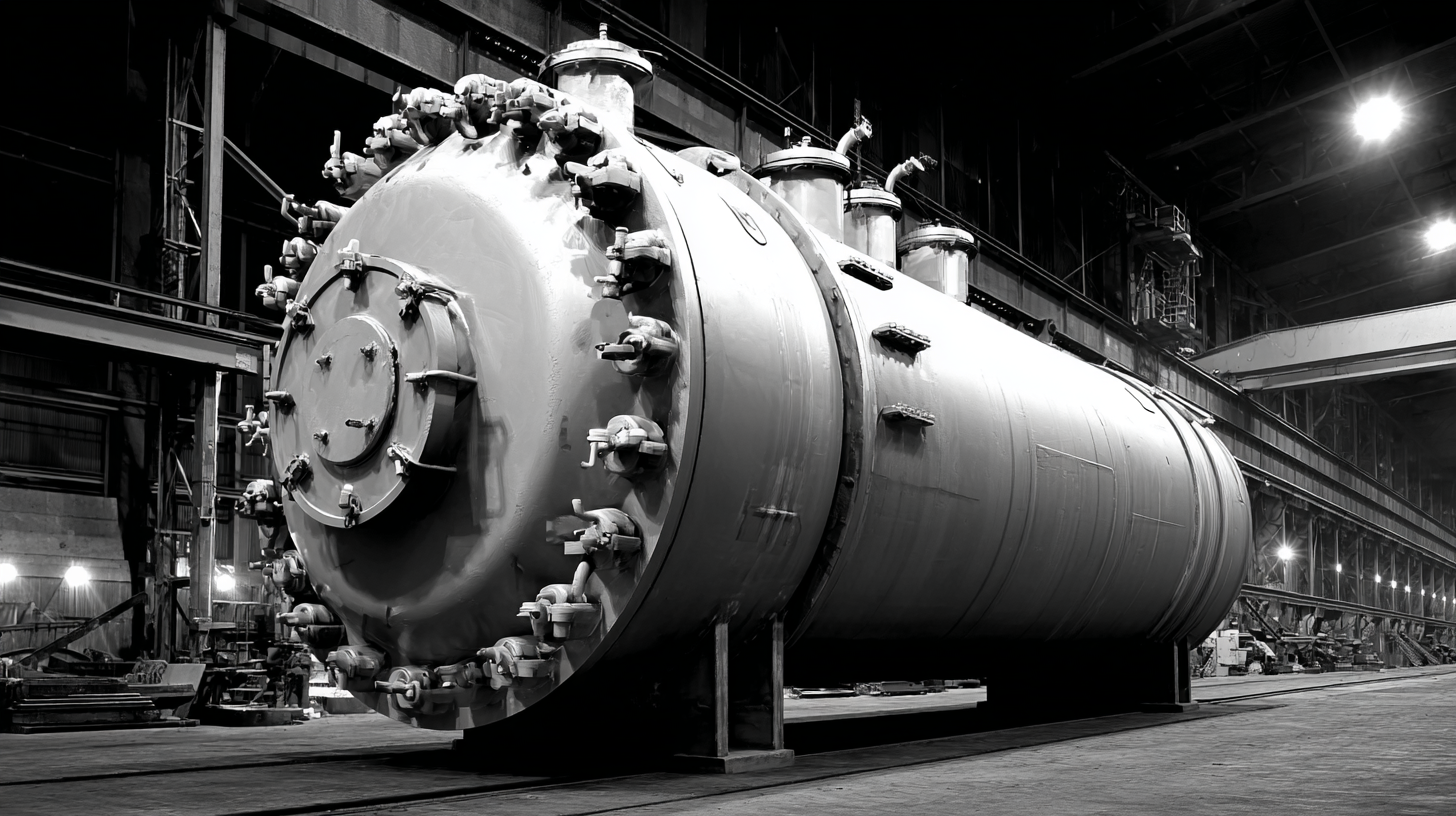
Navigating the world of pressure vessel regulations can be pretty complex and is constantly changing, especially with the new Pressure Equipment (Safety) Regulations 2016 in Great Britain. These rules are super strict about making sure pressure equipment is safe before it hits the market. That means manufacturers are often in a tricky spot— they have to tweak their designs and production methods to stay compliant now, and also keep an eye on future updates. As industries like mining and chemicals gear up for more innovation and greener practices in the next few years, staying ahead of the regulatory curve is more important than ever.
With the mining sector expected to grow—thanks to ongoing demand from consumers—it’s clear we need more pressure vessel options that not only meet safety standards but also are efficient and eco-friendly. Industry reports suggest that demand for pressure vessels will jump by about 4% each year through 2025, as companies look to make their operations more resilient. Firms like Hebei Hongke Qingneng Environmental Protection Equipment Co., Ltd. are leading the charge, investing heavily in R&D to develop solutions that are environmentally friendly and compliant with the safety regs.
**A quick tip:** When you're designing these vessels, try to stay up-to-date with the latest regulations and tech developments. It’s a good idea to chat with regulatory bodies early on—this can save you a lot of headaches down the line. Also, don’t forget to weave sustainability into your design process. It’s not just about ticking boxes for compliance; it actually helps attract consumers who care about the planet and want safer, greener options.
Understanding the Challenges of Air Pressure Vessel Design: Insights and Industry Data - Analysis of Regulatory Demands Impacting Pressure Vessel Alternatives
| Design Parameter | Typical Value | Regulatory Standard | Challenges | Alternative Solutions |
| Design Pressure | 3000 psi | ASME VIII | Material selection and integrity | Composite materials |
| Size and Capacity | 1000 liters | API 620 | Space constraints and weight | Modular design |
| Thickness | 5 mm | ASME B31.3 | Stress concentration issues | Advanced welding techniques |
| Testing Methods | Hydrostatic test | ISO pressure testing standards | Cost and time of testing | Non-destructive testing (NDT) |
| Maintenance Frequency | Annual | OSHA regulations | Scheduling and compliance | Predictive maintenance technology |
Cost-Benefit Analysis of Composite vs. Steel Pressure Vessels
When you're looking into designing pressure vessels, it's really important to weigh the pros and cons of using composite materials versus steel. Steel vessels have been the standard forever because they’re super strong and durable. But, honestly, they’re pretty heavy and tend to corrode over time, which can be a real pain. On the flip side, composite pressure vessels come with some pretty attractive perks—lighter weight and better resistance to environmental factors, which usually means lower maintenance costs down the road. So, even though composites might cost more upfront, they often save you a ton of money in the long run—especially in industries where cutting down on weight can boost efficiency and cut operational costs. Honestly, it’s worth running the numbers to see what makes the most sense for your project.
And here’s the thing—technology is constantly improving. The performance and safety gaps between composites and steel are getting smaller, which makes composites all the more appealing. They’re engineered to handle extreme conditions pretty well too. At the end of the day, making the right choice is about balancing what your project specifically needs, any industry regulations, and the environment in which the vessel will be used.
Pro tip: It’s a good idea to chat with experts in the field—they can fill you in on the latest advancements in materials and design. Their insights can really help you make smarter decisions that protect safety while also keeping costs in check.
Emerging Technologies in Pressure Vessel Fabrication: A Data Perspective
In today’s fast-changing industrial world, crafting pressure vessels is really evolving—thanks to some pretty exciting new tech. We're seeing more of these traditional methods being replaced or boosted by cool materials and automated manufacturing. For instance, have you heard of 3D printing? It’s making it possible to build really complex shapes that used to be either impossible or way too expensive. That means vessels can be lighter, more efficient, and just better all around. Plus, this tech speeds up the whole production process and cuts down on waste, which is such a big deal when we're trying to save resources.
And it doesn’t stop there. Data analytics has become a game-changer, too. By diving into big data and analyzing everything from how these vessels perform to their operating conditions, engineers can make smarter decisions that boost their durability and safety. Even more impressive, AI-driven predictive maintenance can forecast failures before they happen—helping to extend the lifespan of these vessels and keep everyone safe. As all these advancements keep rolling out, it’s really important for folks in the industry to stay up-to-date with the latest tech and data trends. After all, that’s where the future of pressure vessel design and manufacturing is headed.
Understanding Failure Modes: Statistical Insights for Pressure Vessel Performance
Designing air pressure vessels isn’t exactly a walk in the park — there are some pretty tricky challenges along the way, especially when it comes to understanding how things might fail. If you look at the data, a lot of failures happen because of stuff like material fatigue, stress points, or even manufacturing flaws. By digging into past failure cases, engineers can get a better idea of what to watch out for, which helps make these vessels safer and more reliable overall. And for companies like Hebei Hongke Qingneng Environmental Protection Equipment Co., Ltd., who are all about pushing innovation in energy-saving and environmental tech, that’s super important.
Here’s a little tip: setting up a solid quality control process during manufacturing can really cut down on the defects that might cause failures. Also, doing regular tests — especially non-destructive ones — can catch weaknesses early on before they turn into big problems.
On top of that, using high-tech simulation tools is a game-changer. It lets designers see how pressure vessels hold up under all sorts of conditions, way before they even get built. This kind of proactive planning doesn’t just boost performance — it also helps extend the life of the equipment, giving companies a pretty good bang for their buck.
And here’s another practical tip: routine performance checks and audits can spot potential issues early, making sure everything stays within industry standards. When companies foster a safety-first mindset and keep improving their processes, they’re likely to see better durability and trustworthiness in their pressure vessels. It’s all about staying ahead of the game and making safety a priority.
Sustainability in Air Pressure Vessel Design: Industry Practices and Data
Lately, sustainability has really taken center stage when it comes to designing air pressure vessels. You know, as industries aim to be greener, there's been a noticeable jump in the demand for eco-friendly materials and energy-saving processes. I came across this recent report from Smithers Pira—turns out, about 30% of pressure vessel manufacturers are now using things like lightweight composites and recycled metals in their designs. The goal? Cutting down on carbon emissions and making recyclability easier, which is pretty cool.
To get serious about sustainability, engineers are turning more and more to fancy simulation tools to figure out how materials perform throughout their life cycle. The Renewable Energy Association mentions that using computational fluid dynamics, or CFD, during the design phase can cut material use by around 20%. That’s a big deal because it means less waste and costs saved! Plus, it’s not just good for the planet—it also helps companies save some bucks without risking safety.
A Few Tips for Making Your Designs More Eco-Friendly:
- Pick materials that aren’t hard on the environment—things like biocomposites or high-strength steel tend to be good options.
- Use cutting-edge manufacturing techniques, like 3D printing, to reduce waste and improve efficiency.
- Keep checking in on your designs and stay updated with the latest sustainability standards—it's all about continuous improvement.
Honestly, the move towards greener designs isn’t just trendy; it’s becoming essential for staying competitive and responsible in today’s world.
Exploring Tailored Non-Standard Pressure Vessel Systems: Innovative Solutions for Unique Industrial Needs
In today’s rapidly evolving industrial landscape, the demand for tailored non-standard Pressure Vessel Systems is more critical than ever. Various industries, particularly energy and chemicals, have unique requirements that necessitate innovative solutions. Our decade-long experience in the pressure vessel sector has allowed us to hone our skills in R&D, precision manufacturing, and intelligent service. As the market reports indicate, the global pressure vessels market is projected to reach $225 billion by 2027, underscoring the need for advanced and customized systems that can meet such growing demands.
Leveraging our national pressure vessel design qualifications (A2/D1/D2 categories), we have developed a sophisticated three-dimensional parametric design platform. This platform allows us to achieve remarkable design accuracy of ±0.5mm, which is a significant improvement—40% more efficient than traditional methods. Our capability to execute structural simulation and process optimization is vital for producing specialized equipment like adsorption tanks and reactors, which are crucial in sectors such as biopharmaceuticals and chemical processing, where precise design and safety standards are paramount.
Furthermore, industry experts report an increasing trend towards customization, driven by the need for more efficient operations and compliance with stringent safety regulations. Our commitment to providing bespoke pressure vessel solutions not only addresses these needs but also positions us as industry leaders in delivering high-end equipment systems designed for performance and reliability in diverse industrial applications.
FAQS
: The key challenges include complying with the stringent parameters set by regulations such as the Pressure Equipment (Safety) Regulations 2016, adapting design and manufacturing processes to meet current and future regulations, and ensuring safety and efficiency in pressure vessel alternatives.
The demand for pressure vessels is expected to rise by 4% annually through 2025, fueled by ongoing consumer demand and the need for enhanced operational resilience in industries such as mining and chemicals.
Emerging technologies like additive manufacturing and data analytics are transforming traditional pressure vessel fabrication methods, enabling the creation of complex geometries, reducing material waste, and optimizing design and performance through data-driven insights.
Manufacturers can ensure compliance by staying updated on the latest regulatory changes, collaborating with regulatory bodies early in the design process, and anticipating future regulations to avoid costly redesigns.
Manufacturers are increasingly incorporating sustainable materials, such as lightweight composites and recycled metals, into their pressure vessel designs to minimize carbon footprints and enhance recyclability.
Advanced simulation tools, such as computational fluid dynamics (CFD), help engineers assess material performance and lifecycle impacts, potentially leading to a 20% reduction in material usage, thus minimizing waste and aligning with eco-friendly principles.
Engineers should prioritize low-impact materials, implement advanced manufacturing techniques to reduce waste, and regularly update design processes to incorporate the latest sustainability practices and industry standards.
Predictive maintenance powered by AI can anticipate failures before they occur, extending the lifespan of pressure vessels and ensuring safety by mitigating risks associated with unexpected breakdowns.
Companies should integrate sustainability into their design processes, keep abreast of regulatory updates, and focus on creating environmentally-friendly solutions that also comply with safety regulations.
Innovation and adaptation are crucial for the pressure vessel industry to meet the growing regulatory demands, enhance safety and efficiency, and align with the sustainability goals of various industries, thereby staying competitive in the market.
Conclusion
In our recent blog titled "Understanding the Challenges of Air Pressure Vessel Design: Insights and Industry Data," we dive into some of the key issues that come up when designing and building air pressure vessels. It’s not just about picking the right materials that can handle the high pressures—we also have to contend with all the tricky regulations that can make certain design choices more or less feasible. We even take a close look at the costs versus benefits of using composite materials compared to traditional steel, which really helps shed light on making smarter decisions.
We also chat about the latest advancements in manufacturing tech, especially those data-driven methods that boost performance and reliability. Plus, understanding how and why these vessels might fail—based on statistical analysis—plays a big role in making sure everything stays safe and long-lasting in real-world use. And of course, we can’t ignore the growing push toward sustainability. The blog highlights some pretty cool innovative solutions that are making a difference, especially for companies like Hebei Hongke Qingneng Environmental Protection Equipment Co., Ltd., who are all about energy savings and eco-friendly practices in vessel design. It’s all about pushing industry forward while keeping an eye on the planet too.