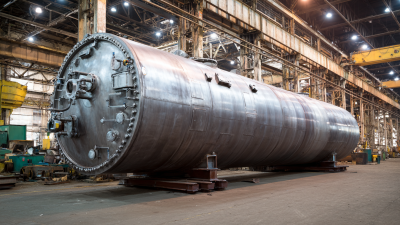
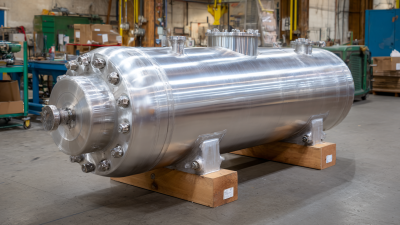
As the 138th China Import and Export Fair gets closer in 2025, you can bet that everyone’s eyes are on the latest in innovative machinery and eco-friendly solutions. One key piece that’s really grabbing attention is the Air Receiver Vessel — yeah, that’s the part in compressed air systems that helps boost energy efficiency and keeps things running smoothly across different industries. Recent reports from the International Energy Agency point out that industrial energy use is climbing steadily, so finding smarter ways to save energy is more important than ever.
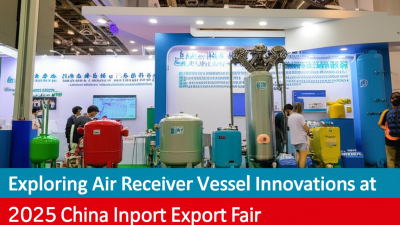
There’s this company, Hebei Hongke Qingneng Environmental Protection Equipment Co., Ltd., that was founded back in June 2021 in the Sanhe Economic Development Zone. They’ve really made a name for themselves in this space, especially when it comes to R&D and making energy-saving tech, including those advanced Air Receiver Vessels. As the industry moves towards more sustainable practices, the innovations and products showcased at this fair are definitely going to set the tone for future trends and push more companies to adopt greener tech solutions.
Innovative Technologies in Air Receiver Vessel Design
So, the 2025 China Import and Export Fair really is a fantastic spot to check out some cutting-edge tech in air receiver vessels. These days, industries are all about upping efficiency and going greener, and that’s where innovations in these vessels really step in. They’re super important in compressed air systems because they act like a buffer—making the whole system more reliable and cutting down on energy waste. The coolest part? The newest tech now includes smart monitoring systems that tap into IoT tech, giving you real-time data to keep everything running smoothly and optimize performance.
Plus, there’s a bunch of new materials and manufacturing tricks coming out. Stuff like 3D printing and advanced welding are helping manufacturers craft vessels that are not just safer and more durable but also lighter and more space-efficient. And with automation controls in the mix, these vessels are super efficient—less downtime, lower maintenance costs, you know the drill. As folks explore all these innovations at the fair, it’s pretty clear that everyone’s on a mission to boost productivity while also tackling environmental issues in manufacturing. Pretty exciting stuff, right?
Exploring Air Receiver Vessel Innovations at the 2025 China Import and Export Fair - Innovative Technologies in Air Receiver Vessel Design
| Dimension | Specification | Innovation Type | Benefits |
| Capacity | 1000 liters | Variable Capacity Technology | Improved efficiency for varying demand |
| Pressure Rating | 12 bar | High-Pressure Design | Enhanced safety and performance |
| Material | Stainless Steel | Corrosion-Resistant Technology | Longer lifespan and reduced maintenance |
| Safety Features | Integrated Pressure Relief Valve | Smart Safety Monitoring | Real-time alerts for improved safety |
| Energy Efficiency | >90% | Advanced Insulation | Reduced operational costs |
Key Industry Trends Shaping the Future of Air Receiver Vessels
The air receiver vessel industry is on the brink of some pretty exciting changes, driven by big trends that focus on making things more efficient and eco-friendly. As companies look for ways to streamline their operations, they're increasingly turning to carbon fiber technology — and honestly, it's gaining serious momentum. Experts estimate that the carbon fiber market will hit around USD 6.82 billion by 2030, which just shows how important this material is becoming for building lightweight, tough air receiver vessels. This isn’t just about better performance; it’s also about helping reduce the environmental impact of manufacturing processes.
On top of that, there have been some cool advancements in composite Pressure Vessels, especially Type V ones. When we take a closer look at these, it’s clear that combining them with air receiver designs can seriously boost overall performance — especially in high-pressure situations. The market for these composite vessels is only going to grow, thanks to the adoption of automated fiber placement tech, which makes production faster and more reliable. As the industry keeps evolving, staying in the loop with these trends and exploring new materials will be key for businesses that want to stay competitive and keep pushing the boundaries in air receiver vessel manufacturing.
Innovations in Air Receiver Vessels: Industry Trends (2025)
This chart showcases the key areas of interest in innovations for air receiver vessels as identified for the year 2025, highlighting market trends that are shaping the industry's future. Energy efficiency leads the way, followed by advancements in materials and automation features.
Sustainable Practices in Air Receiver Vessel Manufacturing
As the world moves more and more towards greener manufacturing practices, the air receiver vessel industry is really making some serious strides. You could even say the 2025 China Import and Export Fair was a pretty clear highlight of these changes. Recent reports suggest that more than 60% of manufacturers in this sector are now using eco-friendly methods—aiming to cut down on carbon footprints and make better use of resources. These new approaches not only streamline production but also line up nicely with global sustainability targets, which are becoming a top priority across various industries.
Hey, a quick tip—consider weaving renewable energy sources like solar or wind power into your manufacturing process. It’s a great way to lessen dependence on fossil fuels and boost your sustainability game.
Plus, with advancements in materials and tech, like 3D printing and recycled composites, companies are finding smarter ways to cut waste and boost the lifespan of their air receiver vessels. There’s even a report from the International Energy Agency saying shifting to sustainable practices could save the industry up to 30% on operational costs—all while making a real positive impact on the environment. This isn’t just about changing standards; it’s about positioning your company as a player in a competitive market that’s increasingly all about sustainability.
Another tip? Keep an eye on your supply chain—greening your logistics can really help cut emissions and lower environmental risks tied to transport and production. Overall, it’s an exciting time—things are changing, and those who jump on board now are setting themselves up for the future.
Emerging Market Opportunities for Air Receiver Vessel Suppliers
Hey there! The 2025 China Import and Export Fair is shaping up to be a pretty big deal for anyone involved in supplying air receiver vessels. It’s a great chance to tap into some exciting new market opportunities. A recent report from MarketsandMarkets says that the global market for these vessels is expected to grow at about 5.2% a year from 2023 to 2028—that’s mainly because more industries are looking for energy-efficient solutions. As manufacturing keeps booming in Asia, especially in China, suppliers who can adapt their products to meet the changing needs of sectors like food & beverage, pharma, or automotive are in a prime spot to benefit.
Plus, technology is moving fast. Innovations like IoT monitoring systems and high-efficiency designs are really shaking things up. ResearchAndMarkets points out that investments in smart manufacturing are predicted to jump over 30% in the next few years. That means there's a real opportunity for suppliers to align their products with the future of automation and sustainability. Attending the fair and connecting with key players gives suppliers a perfect platform to showcase their latest innovations—things that boost both efficiency and reliability. Building relationships now could really pay off in the long run, especially in a market that’s growing so rapidly.
Impact of Industry Regulations on Air Receiver Vessel Innovations
So, the 2025 China Import and Export Fair has really become a key event for showcasing new ideas in air receiver vessels. What’s pretty cool is how industry rules are pushing for better designs and features—aimed at making everything safer and more efficient. These regulations, while meant to keep things safe, actually inspire manufacturers to get creative. They’re always trying to meet those standards, but at the same time, they’re looking for ways to boost energy efficiency and sustainability. It’s kind of a balancing act, you know? And because they have to stick to strict standards, companies end up adopting the latest tech to make their vessels last longer and work better.
As these rules keep changing, it’s not just about the technical specs anymore. They’re also shaping what’s hot in the market. Lately, there’s a big push toward being eco-friendly, so manufacturers are experimenting with new materials and clever designs that cut down on environmental harm. It’s like this dance between regulation and innovation—driving everyone to do better. This ongoing back-and-forth is a huge boost for the whole industry, encouraging folks to work together and keep improving. The fair really shows how rules can spark new ideas, leading to breakthroughs that end up benefiting both the makers and the users of these vessels.
Networking and Collaboration Opportunities at the Fair
The 2025 China Import and Export Fair is shaping up to be a pretty big deal for folks in the industry—especially if you’re into innovations around air receiver vessels. It’s not just about checking out the latest tech; it’s also a fantastic chance to network and swap ideas with others in manufacturing and engineering. Meeting with experts and potential partners in person can really open doors and set the stage for future projects and fresh ideas.
To make the most of your time there, try to prepare a quick intro about who you are and what you’re looking for. And don’t be shy—asking open-ended questions can really help spark some good conversations. Also, I’d recommend hitting up some workshops or panel discussions. Those are great spots to meet like-minded pros and industry leaders—they’re perfect for building relationships and maybe even finding your next big collaboration.
As you walk around the fair, take a moment to check out all the different exhibitors and the cool innovations they’re showcasing. It can definitely give you ideas and inspiration for your own projects. Remember, focusing on collaboration and making connections now can seriously pay off down the line. The industry’s always changing, and these relationships might just give you a leg up in the future.
FAQS
: The fair focuses on showcasing innovative technologies in the design of air receiver vessels, particularly those that enhance efficiency and sustainability in compressed air systems.
Air receiver vessels provide a buffer in compressed air systems that improves reliability and reduces energy consumption.
Recent advancements include smart monitoring systems utilizing IoT technology for real-time data analysis, new lightweight materials, and advanced manufacturing techniques such as 3D printing.
Manufacturers are adopting advanced welding techniques and automated control systems that enhance operational efficiency, minimize downtime, and reduce maintenance costs.
Over 60% of manufacturers in the air receiver vessel sector are now implementing environmentally friendly techniques to reduce carbon footprints and enhance resource efficiency.
Integrating renewable energy sources like solar or wind, using advanced materials such as recycled composites, and adopting 3D printing techniques can enhance sustainability in manufacturing.
Transitioning to sustainable practices could save the industry up to 30% in operational costs while significantly decreasing its environmental impact.
Regularly assess the supply chain for sustainability and implement green logistics to reduce emissions and environmental risks associated with transportation and production.
The emphasis on technological progress reflects a commitment to enhancing productivity while also addressing environmental challenges faced by the manufacturing sector.
Automated control systems enhance operational efficiency by minimizing downtime and lowering maintenance costs for air receiver vessels.
Conclusion
The article titled "Exploring Air Receiver Vessel Innovations at the 2025 China Import and Export Fair" dives into the newest developments in air receiver vessel designs. It highlights some pretty cool technologies and major trends kind of shaping what’s next for the industry. With sustainability becoming a big deal these days, it also stresses how important eco-friendly manufacturing is and takes a look at new market opportunities for suppliers in this space.
On top of that, the piece touches on how industry regulations are impacting innovation—basically showing that sticking to rules can actually push the tech forward. And let’s not forget, the fair is a great chance for companies like Hebei Hongke Qingneng Environmental Protection Equipment Co., Ltd. to network, team up, and make connections with other industry players. It’s all about working together to boost energy saving and protect the environment.