When you're thinking about heating up your home, choosing the right system can seriously make a difference in how comfy and energy-efficient your place feels. Have you heard about the Gas Heat Exchanger? It's actually a pretty popular choice for many folks because it does a great job of keeping things warm during those cold months. But honestly, a lot of homeowners don’t really know all the perks that come with using one.
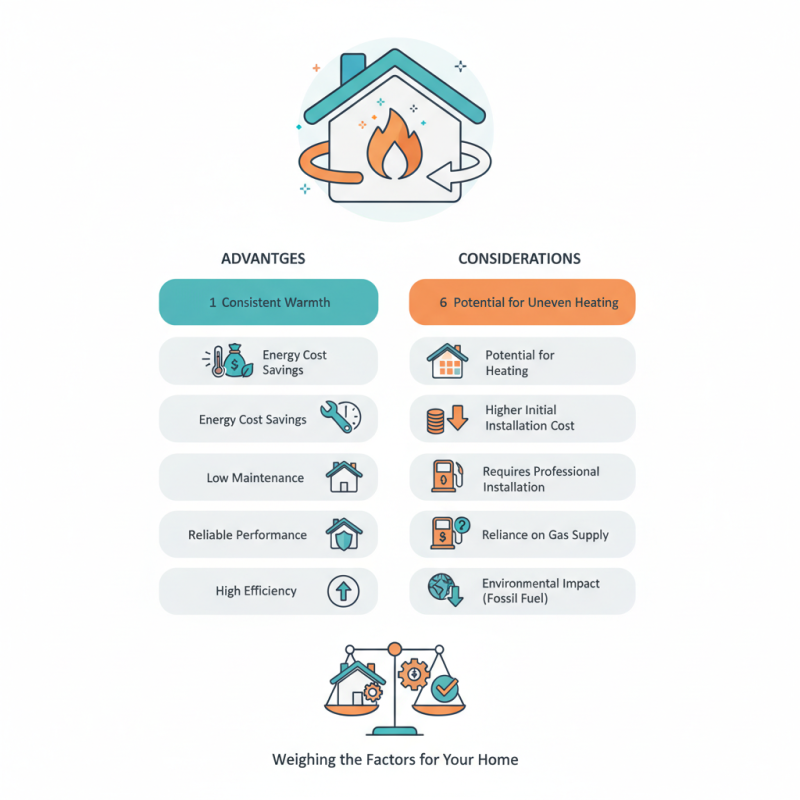
So, here’s the deal: a Gas Heat Exchanger works by transferring heat from burning gas into your home’s air or water supply. That means it can be super efficient, helping you save on energy bills over time. Most families love how steady and reliable the warmth feels—no weird cold spots or surprises. Plus, these units tend to need less fuss and maintenance compared to other heating options. That said, it’s always a smart idea to check if a Gas Heat Exchanger is the right fit for your specific home situation.
Sure, some households might notice uneven heating, or feel that the upfront cost is a bit steep. But it’s all about balancing those initial costs against the long-term savings. When you dive into the top 10 benefits of Gas Heat Exchangers, you'll see there are some great advantages, but also some things to keep in mind. Getting a good handle on all of this can really help you make smarter choices when it comes to keeping your home warm and cozy.
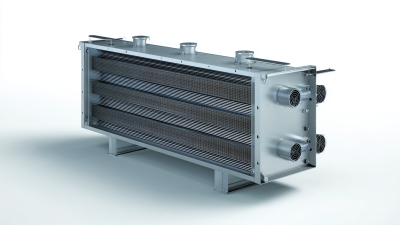
Gas heat exchangers play a crucial role in modern home heating systems. They effectively transfer heat from combustion gases to your home’s air or water supply. This process helps maintain a comfortable temperature in your living space, especially during cold winter months.
The efficiency of gas heat exchangers can significantly impact energy consumption. When functioning properly, they help reduce heating costs. However, neglecting regular maintenance can lead to decreased efficiency. Dust accumulation or corrosion might hinder performance. Homeowners should periodically check their systems to ensure optimal operation.
In addition, gas heat exchangers also promote better air quality. They extract harmful byproducts from the heating process. This means cleaner air for everyone in the household. It’s essential to understand the importance of proper venting and regular inspections. A well-maintained system can enhance safety and comfort in your home. However, ignoring these aspects can lead to serious issues.
Gas heat exchangers are gaining popularity for home heating due to their energy efficiency. According to the U.S. Department of Energy, residential gas furnaces can achieve efficiency ratings of over 90%. This means more heat is produced for every unit of gas consumed. In contrast, older models may only reach 65% efficiency. Upgrading can significantly reduce energy bills over time.
These heat exchangers work by transferring heat from gas burners to the air circulating in your home. A well-designed system minimizes heat loss, ensuring that more warmth reaches your living spaces. The potential for efficiency varies by home and local climate. Some installations may still leave room for improvement. Users must regularly check for maintenance needs. Neglect can lead to decreased performance and safety issues.
With rising energy costs, every bit of efficiency counts. The potential savings can be substantial. A report by the Energy Information Administration indicates that households using efficient systems can save up to $500 annually on energy costs. Yet, not all homes are the same. Some may require additional investments to optimize the system, such as insulation or duct sealing. These factors are essential for maximizing the benefits of gas heat exchangers.
Gas heat exchangers offer impressive cost-effectiveness for home heating. They efficiently convert gas into heat, reducing energy bills. Homeowners can enjoy reliable warmth without overspending. The installation costs are often lower than electric systems. However, maintenance is crucial to keep them running smoothly.
When using gas heat exchangers, consider these tips. Regularly check your system for leaks. Small gas leaks can lead to higher bills and safety hazards. Schedule annual maintenance to catch issues early. This proactive approach keeps your system efficient.
Another consideration is your home's insulation. Poor insulation can negate the benefits of your gas heat exchanger. Ensure doors and windows are sealed properly. This not only improves efficiency but also increases comfort. A well-insulated home retains heat longer, making your system work less.
Gas heat exchangers significantly improve indoor air quality. By efficiently transferring heat, they minimize pollutants. According to the Environmental Protection Agency (EPA), indoor air can be 2 to 5 times more polluted than outdoor air. This means that our homes can harbor harmful contaminants. Gas heat exchangers help to mitigate this issue.
They work by circulating indoor air, passing it through a heat exchanger. This process not only warms the air but also removes dust and allergens. A study by the American Lung Association suggests that cleaner air reduces respiratory problems. While these systems are efficient, they require routine maintenance. Neglecting upkeep can lead to reduced performance and air quality.
Moreover, gas heat exchangers can sometimes lead to increased humidity levels. Proper ventilation is essential to keep this in check. If humidity is too high, it can create mold and bacteria growth. Homeowners should monitor indoor humidity levels regularly. Investing in proper controls can help maintain an ideal environment.
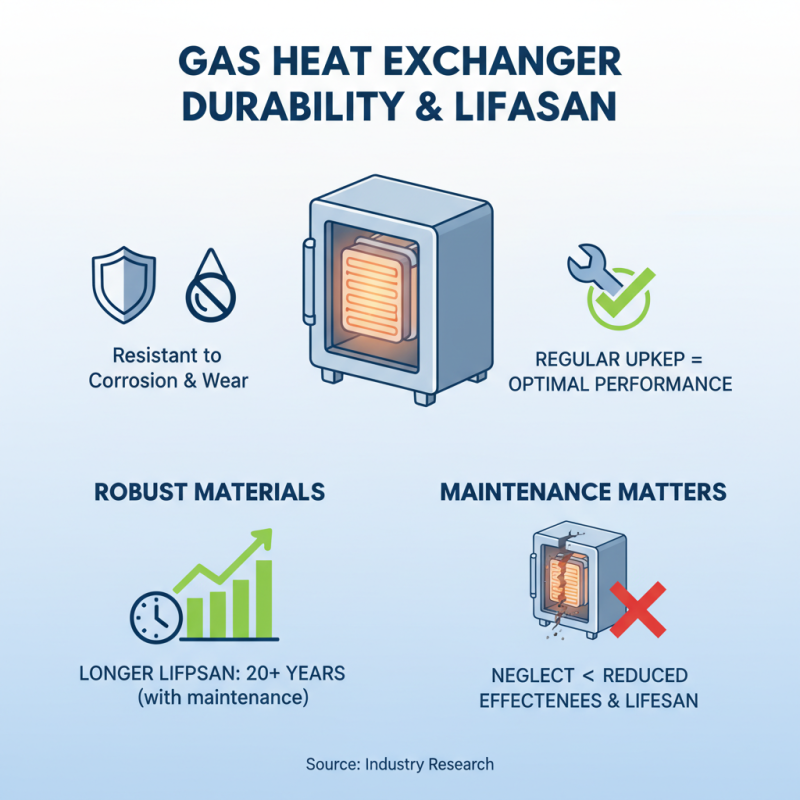
Gas heat exchangers are notably durable. They typically feature robust materials that resist corrosion and wear. This durability can lead to longer lifespans. Research indicates that well-maintained gas heat exchangers can last over 20 years. However, neglect can reduce their effectiveness. Regular upkeep is essential for optimal performance.
Longevity is a significant advantage. Gas heat exchangers can operate efficiently for extended periods. They often require fewer replacements compared to electric systems. According to the U.S. Department of Energy, the average lifespan for gas units is about 15 to 20 years. This can translate into substantial savings over time.
Yet, not all installations guarantee longevity. Improper installation can lead to issues. It may shorten operational life. Routine maintenance checks are crucial. Simple tasks like cleaning can prevent costly repairs. It's a reality that many homeowners overlook. Investing in habits that promote longevity is key.
Gas heat exchangers are essential for safe home heating. They utilize gas combustion to transfer heat efficiently. However, safety features are paramount in their design. The primary focus is preventing harmful gas leaks. Advanced sensors detect any irregularities, shutting down the system immediately. This is crucial for the protection of your home and family.
Moreover, many units have flame failure devices. These devices ensure that the burner extinguishes if the flame goes out unexpectedly. This minimizes the risk of gas accumulation and potential disastrous situations. Proper ventilation is also integrated into the design. It allows fresh air in, which reduces the chance of carbon monoxide buildup.
While these features enhance safety, regular maintenance is vital. Homeowners must check for wear and tear. Neglecting upkeep can compromise the whole system. It's easy to forget or ignore, but this can lead to risks. Investing attention in these safety aspects guarantees that gas heat exchangers operate effectively. Keeping a proactive stance can prevent issues before they arise.
Gas heat exchangers are efficient for home heating. They utilize natural gas for warmth. This method can reduce your carbon footprint compared to electric heating. The combustion process emits fewer greenhouse gases. Many families appreciate this benefit.
When considering alternatives, heat pumps often draw attention. They can be eco-friendly but may not perform well in cold weather. Gas heat exchangers provide consistent heating, regardless of the outdoor temperature. This reliability makes them a popular choice in various climates.
Tips: Maintain your gas heat exchanger regularly. Check for leaks and ensure good ventilation. This can enhance efficiency and safety. Remember, every system has its flaws. Gas options still produce emissions. It's crucial to weigh the pros and cons thoughtfully. Each household should assess its unique situation.
: The content discusses a variety of related topics in an informative manner.
The intended audience includes anyone seeking knowledge on the discussed subjects.
The information is presented in an organized way, making it easy to navigate.
Yes, real-life examples are included to illustrate key points.
Some points could be clearer. Readers might find certain sections vague.
You can apply the information to everyday situations and decision-making.
Most content is suitable, but some sections may require adult understanding.
Yes, the articles offer various viewpoints on the subjects discussed.
The content presents facts and a mix of opinions to encourage reflection.
It is based on data available until late 2023, but may not reflect the latest trends.
Gas heat exchangers play a vital role in home heating systems by efficiently transferring heat while minimizing energy consumption. One of the primary benefits of using gas heat exchangers is their energy efficiency, which translates into lower utility bills for homeowners. Additionally, gas heat exchangers offer improved indoor air quality, ensuring that the air circulating within the home remains clean and healthy.
Their durability and longevity make them an excellent investment, often providing reliable heating for many years. Safety features incorporated into gas heat exchangers also provide peace of mind for users, reducing the risk of hazards associated with home heating. Furthermore, when compared to alternative heating solutions, gas heat exchangers tend to have a more favorable environmental impact, making them a responsible choice for eco-conscious homeowners.