Leave Your Message
0%

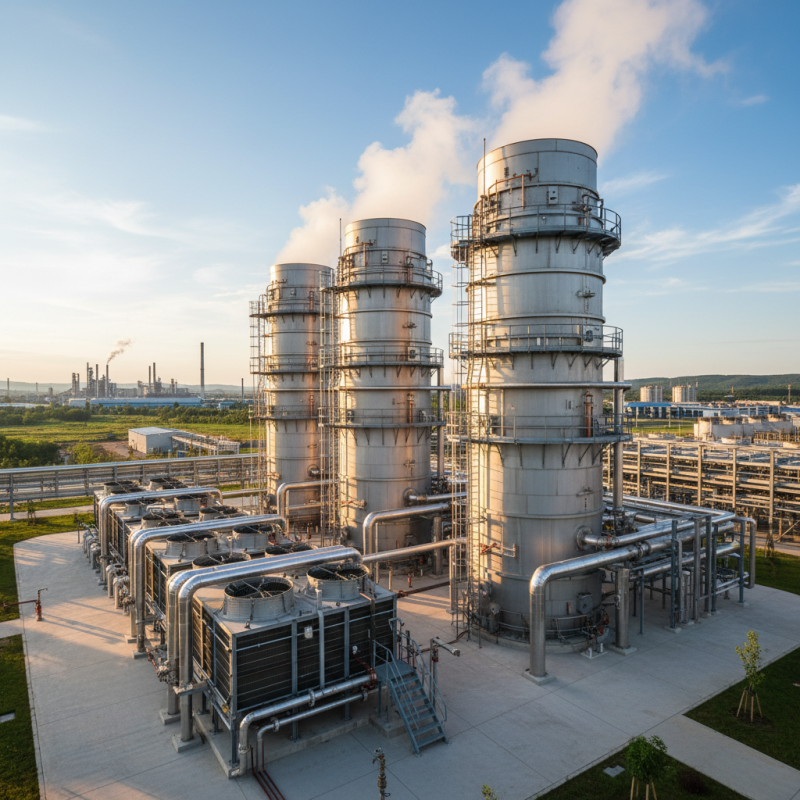
So, in the world of industry, Steam Condensers have pretty much become essential tools for boosting energy efficiency and making systems run smoother. I remember talking to John Smith, who’s a big deal in thermodynamics and the head engineer over at Industrial Solutions Inc. He said, 'Using Steam Condensers not only helps recover more energy but also cuts down on operating costs quite a bit.' Honestly, that really hits home — these systems are key to making the most of steam energy while cutting down on waste, which is super important given how competitive the industrial scene is these days.

As companies push more towards greener, more sustainable practices, the benefits of using Steam Condensers become even clearer. They help improve the performance of Heat Exchangers and make the steam itself better for different uses down the line. By lowering the temperature and pressure of the steam, these condensers give you more control and efficiency in your processes. Honestly, if you’re running an operation, understanding the main perks of having Steam Condensers can make a big difference in how well everything runs and how much you save in the long run.

Top 10 Benefits of Using Steam Condensers in Industrial Applications

Benefits of Efficient Heat Recovery in Steam Condensers

Top 10 Benefits of Using Steam Condensers in Industrial Applications

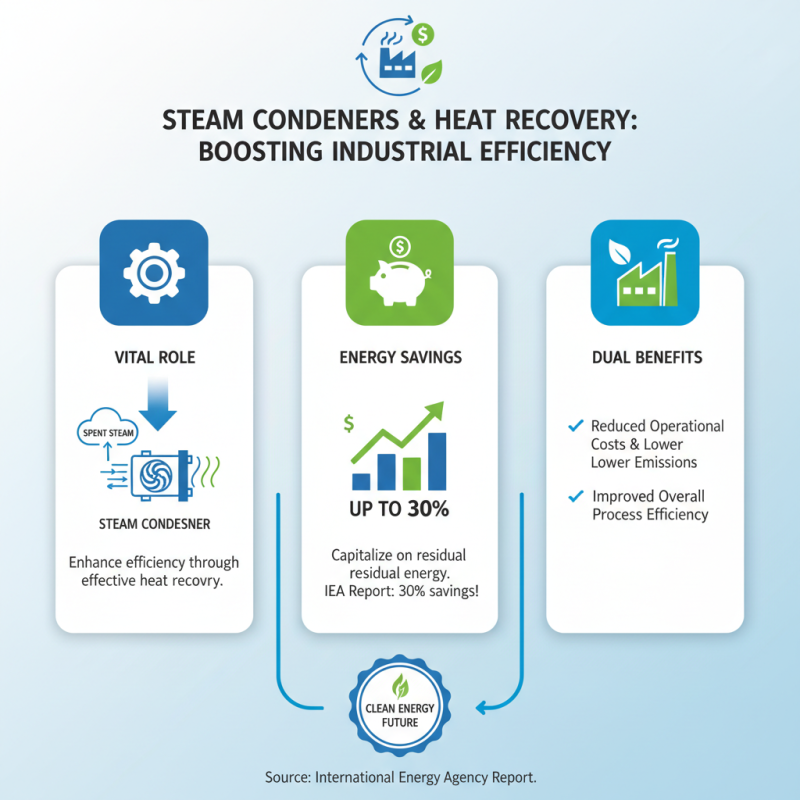
Steam condensers play a vital role in industrial applications by enhancing efficiency through effective heat recovery. Efficient heat recovery systems can yield significant energy savings, as they capitalize on the residual energy in spent steam. According to a report by the International Energy Agency, industries that optimize their steam systems can achieve energy savings of up to 30%, substantially reducing operational costs and lowering greenhouse gas emissions. These systems not only help in conserving energy but also contribute to improved overall process efficiency.

The benefits of heat recovery in steam condensers extend beyond energy savings. With proper implementation, these systems can provide increased reliability and stability within the production process. A study published by the U.S. Department of Energy indicates that facilities utilizing advanced steam systems report fewer disruptions and improved equipment lifespan. By reclaiming heat and reducing the amount of fresh water and fuel needed for operations, companies are positioned to better manage their resources, ultimately leading to a more sustainable operational model. Through these advantages, steam condensers prove to be indispensable assets in industrial environments, driving both economic and environmental benefits.

Reduction of Energy Costs Through Steam Condensate Reuse

Steam condensers play a crucial role in industrial applications by enhancing energy efficiency and promoting sustainability. One of the most significant advantages is the reduction of energy costs through the reuse of steam condensate. By capturing and recycling the condensate, industries can significantly lower their water and energy consumption. This process not only decreases operational expenses but also minimizes environmental impact, making it an attractive solution for organizations looking to improve their bottom line and sustainability practices.

Furthermore, integrating steam condensers can lead to enhanced thermal efficiency in industrial processes. As the steam condenses back into water, this reclaimed heat can be redirected to preheat incoming feedwater or to support other heating requirements within the facility. By maximizing the utilization of thermal energy, facilities can create a more balanced energy cycle, reducing the need for additional fuel sources and further lowering greenhouse gas emissions.

**Tips:**

1. Regular maintenance of steam condensate systems is essential to ensure optimal performance and prevent loss of efficiency. Schedule routine inspections to identify and address potential leaks or blockages.

2. Consider implementing advanced monitoring systems to track condensate flow and quality. This data can help in optimizing the reuse processes and identifying areas for energy savings.

3. Educate staff on the importance of steam condensate management; fostering an understanding of energy efficiency among employees can lead to enhanced practices in the workplace.

Minimizing Water Usage and Promoting Sustainability

In industrial applications, steam condensers play a crucial role in promoting sustainability by minimizing water usage. As systems that cool and condense steam back into water for reuse, steam condensers significantly reduce the amount of fresh water required in the production process. By efficiently reclaiming water, industries can lower their environmental impact, reduce costs associated with water procurement, and comply with environmental regulations aimed at protecting natural water sources.

Implementing steam condensers not only conserves water but also enhances system efficiency. They allow for the recycling of water, which can be reused within the same process, leading to resource conservation. As industrial operations increasingly aim for sustainability, adopting steam condensers contributes to a circular economy by reducing waste and promoting responsible resource management.

Tips for optimizing the use of steam condensers include regularly maintaining the systems to ensure they operate at peak efficiency, and training staff on best practices for water management within condensate systems. Additionally, consider integrating monitoring technologies that track water usage and system performance, enabling continuous improvement in sustainability efforts. By focusing on these areas, industries can achieve significant advancements in water conservation and demonstrate their commitment to sustainable practices.

Top 10 Benefits of Using Steam Condensers in Industrial Applications - Minimizing Water Usage and Promoting Sustainability

Benefit Description Impact on Water Usage Sustainability Contribution
Reduced Water Consumption Steam condensers recycle water, significantly lowering the amount needed for operations. 30% Promotes efficient resource usage and conservation efforts.
Energy Efficiency The recovery of heat from steam improves overall energy use in processes. 25% Supports reduction of carbon footprint.
Lower Waste Generation Capturing condensate reduces wastewater and associated treatment needs. 20% Enhances compliance with environmental regulations.
Improved System Reliability Minimized steam and condensate losses lead to better operational stability. 15% Contributes to long-term asset sustainability.
Cost Savings Lower water and energy usage lead to significant operational cost reductions. 20% Supports economic sustainability of operations.
Regulatory Compliance Helps facilities meet environmental regulations by minimizing discharge. 10% Enhances corporate responsibility and public image.
Water Recycling Facilitates the reuse of processed water, leading to sustainable practices. 40% Promotes a circular water economy.
Enhanced Process Control Precise control over steam and condensate improves process outcomes. 10% Increases operational efficiency in line with sustainability goals.
Longer Equipment Life Proper condensate management minimizes wear on equipment. 15% Supports investment in sustainable technologies.
Increased Safety Reduces risks of steam leaks and associated hazards. 10% Promotes a safer work environment aligning with sustainability initiatives.

Enhancing Process Efficiency with Improved Thermal Performance

Steam condensers play a pivotal role in enhancing process efficiency in various industrial applications by significantly improving thermal performance. According to a report from the International Energy Agency, industries that utilize steam condensers can achieve thermal efficiency improvements of up to 15%. This notable enhancement allows plants to optimize water and steam cycles, thus reducing energy waste and operational costs. By reclaiming waste heat and recycling condensate, facilities can not only improve their energy consumption profiles but also minimize their environmental footprint.

Additionally, the implementation of steam condensers correlates with increased production uptime and reliability. A study published in the Journal of Cleaner Production highlights that facilities integrating advanced steam condenser technologies reported a 20% reduction in maintenance costs and downtime due to their ability to manage thermal loads more effectively. This improvement in thermal performance not only extends equipment lifespan but also ensures that processes remain consistent and reliable, ultimately leading to higher overall productivity. The strategic use of steam condensers in industrial settings stands as a testament to the capabilities of modern engineering in creating more efficient and sustainable operations.

Extending Equipment Lifespan by Reducing Corrosion Risks

Steam condensers play a crucial role in industrial applications by significantly enhancing the lifespan of equipment. One of the primary ways they achieve this is through the reduction of corrosion risks. In industrial settings, steam systems often operate in environments where moisture and heat can lead to the degradation of metal components. By efficiently condensing steam back into water, condensers minimize the presence of corrosive substances that can accumulate in the system, such as acidic compounds formed from the reaction of water with various gases. This preventive measure helps to maintain the integrity of machinery, ensuring that components remain functional for longer periods.

Additionally, by reducing the temperature and concentration of corrosive agents, steam condensers contribute to a more stable and consistent operational environment. This stability is vital for preventing unexpected breakdowns and extending maintenance intervals. A well-maintained condenser system not only decreases the frequency of repairs but also enhances overall energy efficiency. As corrosion is one of the leading causes of equipment failure, mitigating its impact through steam condensers ultimately leads to significant cost savings and improved reliability across industrial operations.

Flexibility in Industrial Applications Across Various Sectors

Top 10 Benefits of Using Steam Condensers in Industrial Applications

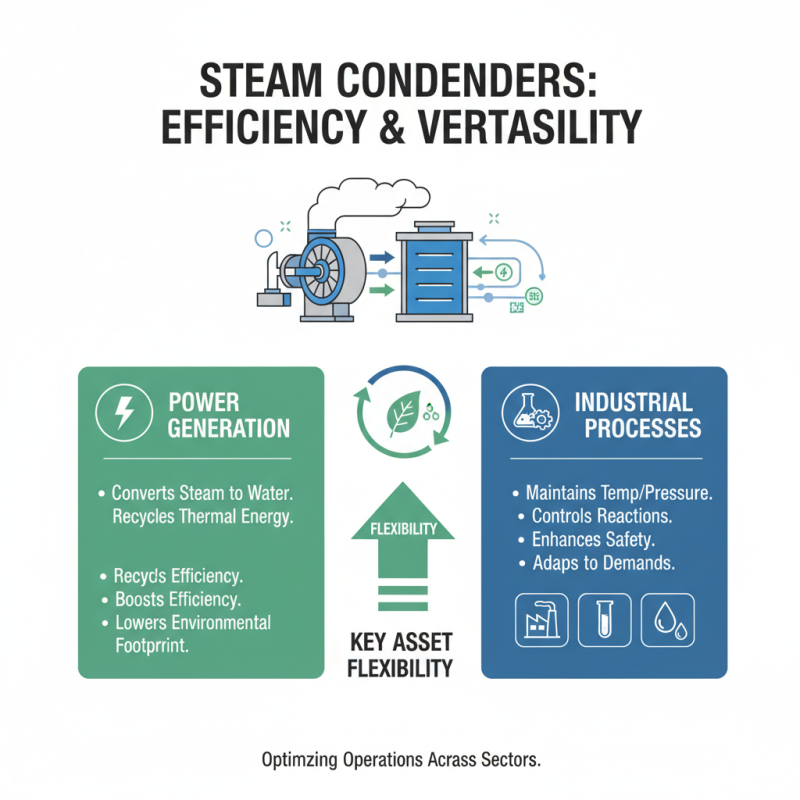
Steam condensers play a crucial role in enhancing the efficiency of industrial operations across a broad spectrum of sectors, showcasing their flexibility as a key asset. In power generation, for instance, condensers convert steam back into water, recycling thermal energy and minimizing waste. This process not only boosts overall efficiency but also aligns with sustainability goals, enabling facilities to operate with lower environmental footprints. In chemical processing, steam condensers are utilized to maintain optimal temperatures and pressures, crucial for reaction control and safety, demonstrating their versatility in adapting to specific operational demands.

Moreover, steam condensers offer significant advantages in food and beverage industries, where precise temperature management is essential. The ability to efficiently remove heat during production processes helps ensure product quality while maximizing yield. Similarly, in HVAC systems within commercial and industrial buildings, steam condensers contribute to improved energy management by efficiently handling condensate and reducing the need for additional cooling resources. With their diverse applications, steam condensers prove to be indispensable tools in optimizing performance, reducing costs, and promoting sustainability across numerous industrial contexts.

Regulatory Compliance and Environmental Impact Improvements

The use of steam condensers in industrial applications is crucial for achieving regulatory compliance and significantly improving environmental impact. By efficiently condensing steam back into water, these systems reduce the emission of harmful gases and minimize wastewater generation, which are both key factors in meeting environmental regulations. The ability to recycle condensate not only conserves water but also reduces the overall demand on freshwater resources, aligning with sustainable practices required by many regulatory bodies.

Moreover, steam condensers help industries adapt to increasingly stringent environmental standards. By lowering the temperature and energy losses associated with steam discharge, they mitigate thermal pollution in receiving waters, thus protecting aquatic ecosystems. Additionally, utilizing steam condensers can assist facilities in achieving certifications related to energy efficiency and environmental stewardship. As organizations prioritize their commitment to reducing their carbon footprints, investing in advanced steam condensation technology becomes not only a regulatory necessity but also a strategic move towards a more sustainable future.

FAQS

: What is the primary role of steam condensers in industrial applications?

: Steam condensers enhance efficiency through effective heat recovery, significantly improving thermal performance and reducing operational costs.

How much energy savings can industries achieve by optimizing their steam systems?

Industries can achieve energy savings of up to 30% by optimizing their steam systems, as reported by the International Energy Agency.

What additional benefits do steam condensers provide beyond energy savings?

Beyond energy savings, steam condensers offer increased reliability, stability in production processes, and improved equipment lifespan.

How do steam condensers help in reducing environmental impact?

By efficiently condensing steam back into water, steam condensers reduce harmful gas emissions, minimize wastewater generation, and lower the overall demand on freshwater resources.

What is the impact of steam condensers on maintenance costs and downtime?

Facilities using advanced steam condensers reported a 20% reduction in maintenance costs and downtime, contributing to improved production uptime and reliability.

How do steam condensers contribute to regulatory compliance?

Steam condensers help meet environmental regulations by mitigating thermal pollution, reducing emissions, and assisting facilities in achieving necessary certifications related to energy efficiency.

What improvements in thermal performance can industries expect from using steam condensers?

Industries can achieve thermal efficiency improvements of up to 15% with the use of steam condensers, allowing for optimized water and steam cycles.

How does heat recovery from steam condensers support sustainable practices?

By reclaiming waste heat and recycling condensate, steam condensers help conserve energy and water resources, aligning with sustainable operational models.

Conclusion

Steam condensers play a crucial role in enhancing industrial processes by offering numerous benefits that contribute to operational efficiency and sustainability. One of the key advantages is the efficient recovery of heat, which allows for the reuse of steam condensate, ultimately reducing energy costs and minimizing overall water usage. This not only promotes sustainability but also supports compliance with regulatory standards aimed at improving environmental impact.

Furthermore, steam condensers help enhance thermal performance, leading to increased process efficiency while simultaneously extending the lifespan of equipment through reduced corrosion risks. Their versatility makes them applicable across various industrial sectors, providing flexible solutions tailored to specific operational needs. By investing in steam condensers, industries can achieve significant economic and environmental benefits, reinforcing the importance of their integration into modern industrial applications.

Clara

Clara

Clara is a dedicated marketing professional at Hebei Hongke Qingneng Environmental Protection Equipment Co., Ltd., where she has been making significant contributions since the company’s establishment in June 2021. With a strong focus on research and development in the energy conservation and......
Previous Challenges Faced by Global Buyers When Sourcing the Best Waste Water Heat Exchanger