You know, in this constantly changing world of water and fluid storage, the need for top-notch Stainless Pressure Tanks is really on the rise. I recently came across some market insights from Global Market Insights—pretty eye-opening. They say the stainless steel tank market could hit around USD 30 billion by 2026! A big reason? Industries like food and beverages, pharma, and chemicals are driving that demand quite a bit.
I also read what Richard Hayes, a pretty well-known expert in pressure equipment, had to say. He’s spot-on when he talks about choosing the right material: “Stainless Pressure Tanks offer unmatched durability and sanitation — especially important with all the strict regulations today.” That really highlights how much we’re increasingly relying on stainless steel to keep products safe and maintain quality.
Of course, it’s not all smooth sailing. Many manufacturers still face hurdles in producing these tanks cost-effectively. Finding that sweet spot between keeping quality high and controlling costs can be tricky. Buyers need to weigh their options carefully—price vs. reliability and durability. And as we head into 2026, it seems like innovation and sustainability will play a bigger role in shaping what buyers want and what the industry standards will be down the line.

Understanding the Importance of Stainless Pressure Tanks in Various Industries
Stainless pressure tanks play a crucial role in various industries, from food production to pharmaceuticals. Their ability to withstand high pressure and resist corrosion makes them ideal for storing liquids and gases. In the food industry, these tanks ensure product safety and quality. They prevent contamination and preserve freshness. This is vital for maintaining standards and satisfying consumers.
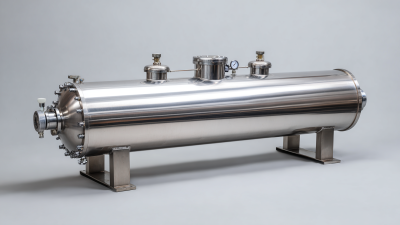
In pharmaceutical applications, the integrity of the product is paramount. A Small Stainless Pressure Tank can ensure that sterile conditions are maintained, crucial for drug production. However, not every tank meets industry standards. Some lower-quality options might not withstand extreme pressures, leading to potential failures. Evaluating the quality and performance of these tanks is essential for businesses.
Regular maintenance is often overlooked, yet it's necessary for longevity and safety. A Small Stainless Pressure Tank should be routinely checked for leaks and corrosion. The cost of neglect can be high, both in terms of safety and replacement. Ensuring reliability through proper care can enhance productivity and trust in the products manufactured.
Stainless Pressure Tanks Usage Across Industries (2026)
Key Features to Consider When Selecting a Pressure Tank for Durability
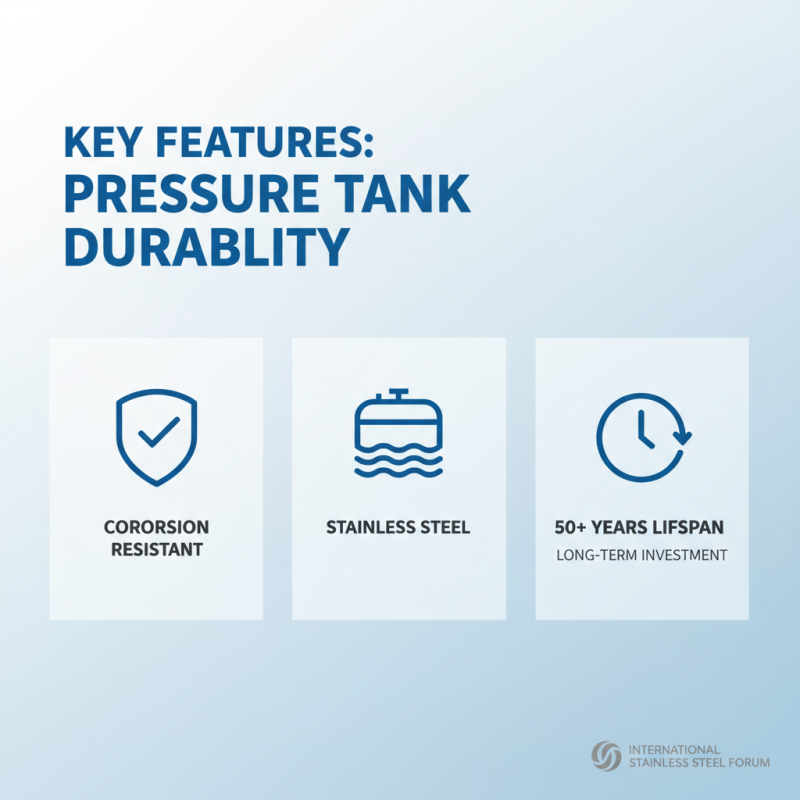
When selecting a pressure tank, durability is crucial. Stainless steel tanks are preferred for their resistance to corrosion. A report from the International Stainless Steel Forum highlights that stainless steel can last over 50 years in various conditions. This longevity makes it a wise choice for long-term investments.
Consider the thickness of the tank walls. Thicker walls enhance strength and reduce the risk of leaks. According to industry standards, a thickness of at least 2 mm is recommended for optimal performance. It's crucial to ensure that the tank can withstand high pressures without deformation.
Another vital aspect is the internal coating. It protects against interior corrosion. Tanks without proper coatings can degrade quickly. Some studies suggest that coated tanks perform better in harsh environments. Investing in high-quality coatings pays off in the long run. While affordable options exist, they may not offer the same level of reliability. Always weigh cost against potential risks to ensure you choose wisely.
Top Manufacturers of Stainless Pressure Tanks: A Global Overview
The global market for stainless pressure tanks has evolved significantly, highlighting the importance of quality and endurance. Top manufacturers focus on advanced engineering and material selection to ensure reliability. They utilize stainless steel for its corrosion resistance and structural integrity. This offers enhanced durability, making tanks suitable for various applications.
In terms of global competition, manufacturers vary in size and capability. Larger firms often dominate, but small to mid-sized companies provide niche solutions. Buyers should assess each manufacturer’s experience and expertise in their respective markets. Attention to certifications and industry standards is crucial for ensuring safety and compliance. Some manufacturers excel in custom solutions, while others may struggle with flexibility.
When selecting a pressure tank, consider factors like manufacturing practices and customer support. Not all manufacturers maintain consistent quality. Researching reviews and seeking recommendations can provide valuable insights. A gap often exists between expectation and reality, highlighting the importance of thorough due diligence. Understanding these dynamics is essential for making informed purchasing decisions in the global market.
Market Trends: Demand for Stainless Pressure Tanks in 2026
In 2026, the demand for stainless pressure tanks is anticipated to witness significant growth. Factors like durability and resistance to corrosion create a strong preference for stainless steel in various industries. Food and beverage sectors, for instance, prioritize hygiene and longevity. This trend is impacting manufacturing processes globally.
Interestingly, despite the rise in demand, challenges remain. Many manufacturers face raw material shortages, leading to price fluctuations. Smaller businesses may struggle to meet tightening regulations, causing inconsistencies in product quality. Such hurdles can affect consumer confidence. Stakeholders must reassess their supply chains for sustainability.
As technology evolves, innovation becomes paramount. Enhanced designs for energy efficiency could lead to lower operational costs. However, companies must balance advancement with traditional practices. The market requires expertise to navigate these transitions effectively. Analyzing consumer feedback can provide invaluable insights. This approach fosters a deeper understanding of market needs while adapting to changes.
Comparative Analysis of Capacity and Efficiency in Pressure Tanks
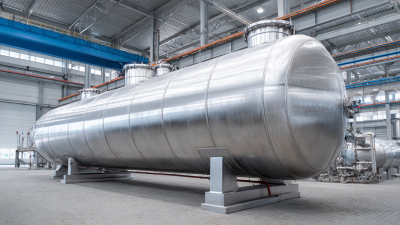
When choosing a Stainless Steel Pressure Tank, capacity and efficiency are key factors. Different tanks serve various purposes. Capacity impacts how much liquid or gas the tank can hold. For instance, smaller tanks might be ideal for residential use. Larger tanks are needed in industrial settings. Understanding the required capacity is crucial for optimal performance.
Efficiency is another important aspect. A well-designed Stainless Steel Pressure Tank minimizes energy consumption. This not only reduces costs but also benefits the environment. Some tanks come with insulation features. This can enhance efficiency by keeping contents at desired temperatures. However, heavier tanks may use more energy, leading to higher operational costs.
In analyzing different models, it’s essential to consider both specifications and user reviews. User feedback provides insight into real-world performance. Some tanks may claim high efficiency but underperform in practice. Regular maintenance is vital for ensuring longevity and efficiency. It's worth noting that not every stainless steel pressure tank will meet all requirements. Careful selection and periodic evaluation are necessary for optimal use.
Cost Factors: Evaluating Price Trends for Stainless Pressure Tanks
When assessing the cost factors of stainless pressure tanks, it's essential to consider several elements. Recent industry reports indicate that the price of stainless steel has risen by 15% in the last year. Factors such as raw material availability and manufacturing processes contribute to this price trend. A report from the Global Metal Association highlights that production costs vary significantly across regions, with labor and energy costs being the most influential.
Tips: Always compare multiple suppliers. This practice can help you identify optimal pricing strategies. Additionally, consider tank specifications. The complexity of design impacts the total cost.
Market dynamics also reveal that the demand for high-quality tanks, particularly in regions like Asia, drives prices up. China Top Stainless Pressure Tank Factory exemplifies how innovation in manufacturing can lead to efficient production, potentially mitigating costs. Yet, buyers should remain cautious. Quality should never be compromised for price. Investing in superior units often results in lower long-term expenses. Focus on durability and performance over short-term savings.
Regulatory Standards and Compliance for Stainless Pressure Tanks Worldwide
When it comes to stainless pressure tanks, compliance with regulatory standards is crucial for global buyers. Various standards exist worldwide, each with unique specifications. For instance, the American Society of Mechanical Engineers (ASME) sets rigorous standards for pressure vessels to ensure safety and reliability. In Europe, the Pressure Equipment Directive (PED) governs the design and manufacturing processes of such tanks.
A recent report from the International Organization for Standardization (ISO) indicates that approximately 20% of pressure tank failures are attributed to non-compliance. This highlights the importance of adhering to established norms. Manufacturers must stay updated with changing regulations, which may vary by region and application.
Tips: Always confirm that your supplier meets local and international standards. Collaborate with a reputable provider, such as a China Top Stainless Pressure Tank Supplier, to ensure quality and compliance.
Proper documentation and certification are critical. Only purchase from manufacturers who can provide verifiable evidence of compliance. This practice can prevent operational failures and promote safety. Understanding regulatory requirements avoids potential legal and safety issues in the future.
FAQS
: Stainless steel is preferred for its resistance to corrosion and long lifespan.
Stainless steel tanks can last over 50 years in various conditions.
A wall thickness of at least 2 mm is recommended for optimal performance.
Internal coatings protect against corrosion and extend the tank's lifespan.
Tank capacity determines how much liquid or gas it can hold, impacting its intended use.
Insulation features can help maintain desired temperatures and improve energy efficiency.
User reviews provide insights into real-world performance and reliability of different models.
Regular maintenance is essential to ensure longevity and efficiency of the tank.
Not every tank will meet all requirements; careful selection and periodic evaluation are necessary.
Affordable options may not offer the same level of reliability; consider potential risks carefully.
Conclusion
The article "2026 Best Stainless Pressure Tank for Global Buyers" delves into the significance of stainless pressure tanks across various industries. It emphasizes key features essential for selecting durable tanks, such as material quality and design efficiency. As the demand for these tanks is projected to rise in 2026, understanding market trends becomes crucial for buyers.
A comparative analysis of capacity and efficiency highlights how these factors influence the overall performance of stainless pressure tanks. Additionally, the article addresses cost factors, providing insights on price trends that buyers should consider. Finally, it discusses the regulatory standards and compliance requirements that manufacturers must adhere to globally, ensuring that purchasers can make informed decisions about their investment in stainless pressure tanks.