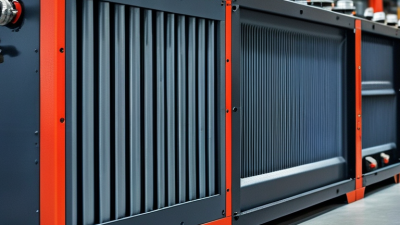
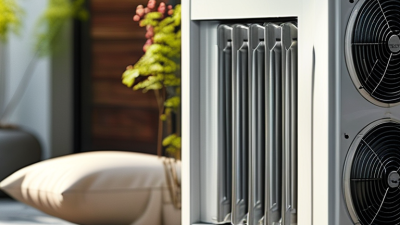
Looking for more efficient ways to handle energy often means diving into some pretty advanced tech, like a Steam Heat Exchanger. I remember reading what Dr. Emily Chen, a top expert in thermal engineering, said—she mentioned that with the right design, you can really boost how efficiently industries use energy. That really emphasizes why picking the right Steam Heat Exchanger for each situation isn’t just a small detail, but pretty crucial.
In China, a lot of companies are pouring money into new designs and innovations. It shows they’re serious about improving energy efficiency. But here’s the thing— not every product on the market lives up to those high standards. Some turn out to be a bit underwhelming, and honestly, that’s just more wasted energy and resources wasted which nobody needs.
As competition heats up, it’s more important than ever for businesses to really understand what they need. Choosing the right Steam Heat Exchanger isn’t just about buying the latest thing; you need to consider both the technology itself and whether the supplier is reliable. As the market keeps evolving, staying focused on quality really is key to making sure you're actually getting sustainable energy solutions that work in the long run.
China's Role in the Global Steam Heat Exchanger Market
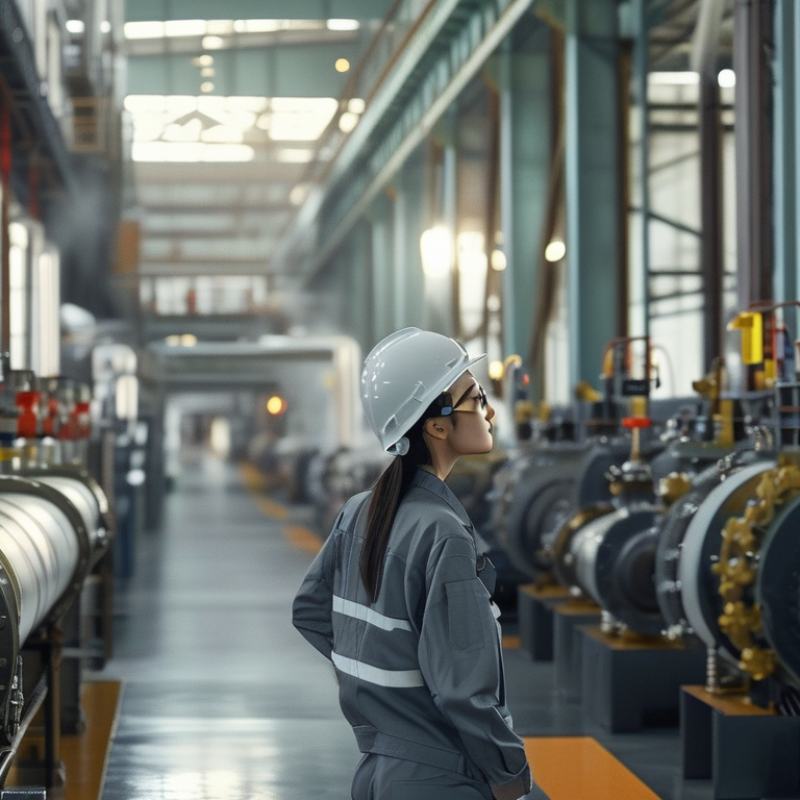
China's position in the global steam heat exchanger market is significant. The country produced over 40% of the world's heat exchangers in 2022, demonstrating its manufacturing prowess. The demand for energy-efficient solutions continues to grow globally, driven by increasing energy costs and environmental regulations.
While China's manufacturing capabilities are strong, challenges remain. Quality control and standards compliance have been ongoing issues. Reports indicate that about 25% of heat exchangers exported from China do not meet international standards. Addressing these concerns is crucial for maintaining market share.
Additionally, the market's future approaches a crossroads. Investment in research and development is essential to enhance efficiency and reduce carbon footprints. With a projected annual growth rate of 7% for the steam heat exchanger market until 2028, China must demonstrate its expertise to remain competitive. Embracing sustainable practices may lead to new opportunities in the global market.
Key Features of Efficient Steam Heat Exchangers
Steam heat exchangers play a crucial role in energy efficiency. They help transfer heat between two fluids, reducing energy loss. A well-designed unit can significantly improve efficiency, leading to lower operational costs.
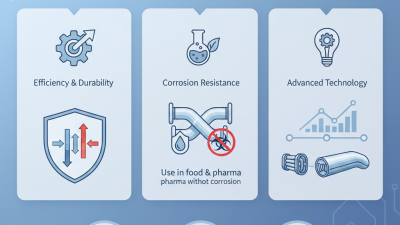
Key features of efficient steam heat exchangers include high thermal conductivity and corrosion resistance. These properties ensure effective heat transfer while maintaining durability. Regular maintenance is essential to keep these systems running smoothly. Issues can arise from sediment build-up or corrosion, highlighting the importance of routine checks.
Another aspect is the design versatility. Efficient models can adapt to various applications and operating conditions. Poor design may lead to inefficiencies, emphasizing the need for expert recommendations when selecting a unit. Careful consideration of material and size will enhance performance and reliability.
Benefits of Steam Heat Exchangers in Energy Solutions
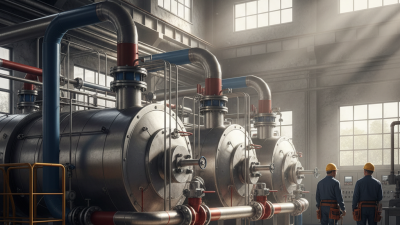
Steam heat exchangers play a crucial role in energy solutions by transferring heat efficiently. They convert steam into energy for various applications, enhancing efficiency in industrial settings. Their ability to utilize waste heat significantly reduces energy consumption. This not only cuts costs but also minimizes environmental impact.
Many facilities find steam heat exchangers to be vital for sustainability. They are used in heating, cooling, and power generation processes. The combination of high thermal conductivity and compact design allows for effective thermal transfer. Various industries benefit, from manufacturing to food processing. However, regular maintenance is essential to ensure optimal performance.
While steam heat exchangers offer numerous advantages, potential issues can arise. Corrosion and scaling can affect efficiency over time. To prevent these problems, regular inspection and cleaning are necessary. Investing in quality components and expert installation can also improve reliability. Careful planning and assessment can lead to better energy solutions.
Comparative Analysis of Chinese and Global Heat Exchangers
When evaluating heat exchangers, the differences between Chinese and global products become apparent. China's manufacturing capabilities allow for cost-effective solutions. However, these often raise questions about quality and durability. Many Chinese models, including the Steam Coil Heat Exchanger, showcase innovative designs that maximize efficiency. Still, inconsistent quality control means not all products meet stringent international standards.
Global heat exchangers often emphasize reliability and longevity. They utilize advanced materials and technology, which contribute to better performance under pressure. This presents a challenge for Chinese manufacturers. Despite producing affordable options, they must enhance their quality assurance processes. Achieving a balance between cost and performance remains a significant hurdle.
The energy sector demands reliable heat exchangers for sustainable operations. Chinese firms are making strides in innovation but must address performance gaps. The focus should remain on enhancing product quality while maintaining competitive pricing. Understanding these nuances is essential for stakeholders in both regions. Carefully selected heat exchangers can lead to significant energy savings.
China Best Steam Heat Exchanger for Efficient Energy Solutions? - Comparative Analysis of Chinese and Global Heat Exchangers
| Criteria | Chinese Heat Exchangers | Global Heat Exchangers |
| Efficiency | 85% - 90% | 80% - 88% |
| Material Quality | Carbon Steel, Stainless Steel | Stainless Steel, Alloy Materials |
| Cost | $500 - $2000 | $700 - $3000 |
| Lead Time | 2 - 4 weeks | 4 - 8 weeks |
| Warranty | 1 Year | 1 - 3 Years |
Technological Innovations in China's Steam Heat Exchanger Industry
China’s steam heat exchanger industry is experiencing rapid technological innovations. Improved designs focus on efficiency and energy savings. Steam Shell And Tube Heat Exchanger systems are becoming central in this transformation. Recent industry reports indicate that over 30% of energy can be saved with these advanced systems. This statistic highlights the importance of continuous improvement in energy management.
One notable innovation is the integration of smart technology. Sensors and automated controls are being incorporated into heat exchangers. This allows for real-time performance monitoring. Data from the China Energy Administration shows that these technologies can reduce operational costs by up to 25%. However, the adoption rate remains below expected levels. Many facilities still rely on outdated systems. This gap presents an opportunity for further advancements.
Despite the progress, challenges persist. The need for skilled professionals to maintain modern systems is acute. Reports indicate that nearly 40% of industries face a shortage of trained technicians. Upskilling and training are essential to fully leverage new technologies in steam heat exchangers. Addressing these issues is critical for achieving the energy efficiency goals set by the government in the coming years.
Leading Manufacturers of Steam Heat Exchangers in China
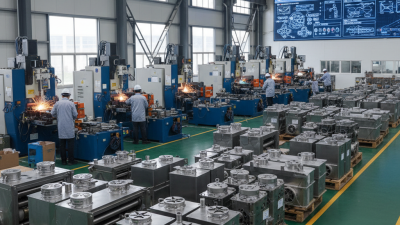
The steam heat exchanger industry in China is rapidly evolving. Manufacturers are focusing on innovative designs that enhance energy efficiency. According to a recent industry report, the demand for steam heat exchangers in China is projected to grow by 7% annually. This is primarily driven by the energy sector's need for sustainable solutions.
Leading manufacturers are adopting advanced materials and technologies to improve heat transfer efficiency. In particular, the use of high-grade stainless steel has been noted for its resistance to corrosion and high-temperature capabilities. Reports indicate that steam heat exchangers made with these materials can reduce energy consumption by up to 30%. However, some manufacturers still struggle with supply chain issues and meeting quality standards consistently.
Energy efficiency remains a key challenge. While there are numerous companies claiming expertise, not all meet the rigorous standards essential for optimal performance. The market is still cluttered with low-quality products. Therefore, identifying established factories is crucial. For those seeking reliable options, looking into China Top Steam Heat Exchanger Factory can provide insights into high-quality materials and manufacturing processes. The future of efficient energy solutions in steam systems hinges on selecting the right producers and technologies.
Future Trends and Challenges in China's Heat Exchanger Market
The heat exchanger market in China is poised for significant evolution. The growing push for energy efficiency drives innovations in design and materials. Companies are seeking the best steam heat exchangers to meet stringent regulations. This shift underscores a broader trend in energy solutions, focusing on sustainability and cost-effectiveness.
Challenges remain, though. The rapid pace of technological advancement can create gaps in expertise. Many manufacturers struggle to adapt to new standards. The competition is fierce, with numerous companies vying for market share. Yet, understanding these shifts is essential for establishing a robust presence. The China Best Steam Heat Exchanger Factory is an example of how to navigate these complexities by leveraging local knowledge and resources.
As the market matures, the integration of smart technologies becomes a priority. Real-time monitoring and AI-driven analytics will optimize performance and maintenance. However, not all companies are prepared for this transition. A focus on collaboration and knowledge sharing can help mitigate these challenges and reshape the industry landscape. The future will require adaptability and foresight.
Innovative High-Temperature Steam Treatment Solutions for Efficient Medical Waste Management in China
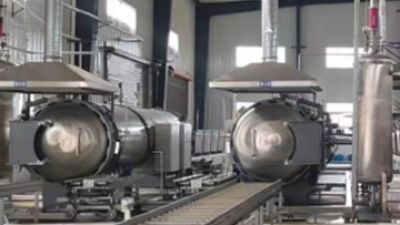
In recent years, the management of medical waste has become a critical issue in China, particularly in light of the increasing volume of waste generated by healthcare facilities. Innovative high-temperature steam treatment solutions have emerged as a leading method for efficient medical waste management. This advanced technology ensures thorough sterilization, rendering waste safe for disposal. By utilizing high temperatures and steam, pathogens are effectively neutralized, addressing public health concerns associated with improper waste handling.
The centralized high-temperature steam treatment system is engineered to integrate automation with user-friendly operations, making it an optimal choice for hospitals and clinics seeking to improve their waste disposal processes. This system not only enhances safety for healthcare workers but also helps facilities comply with health regulations more efficiently. With a commitment to quality and expertise, the manufacturers of these systems are dedicated to providing robust solutions that meet the varied needs of healthcare institutions across the region, fostering a more sustainable approach to medical waste management.
FAQS
: China produced over 40% of the world's heat exchangers in 2022.
The growing need for energy-efficient solutions is fueled by rising energy costs and environmental regulations.
About 25% of heat exchangers exported from China do not meet international standards.
Addressing quality control and standards compliance is crucial for maintaining market share.
The market is expected to grow at an annual rate of 7% until 2028.
Technological innovations improve efficiency and energy savings, emphasizing a transition towards sustainable practices.
Advanced systems can save over 30% of energy based on recent industry reports.
Nearly 40% of industries report a shortage of trained technicians for modern systems.
Smart technology allows real-time monitoring and can reduce operational costs by up to 25%.
Collaboration and knowledge sharing will help companies adapt and thrive amidst rapid changes.
Conclusion
The article explores China's significant role in the global steam heat exchanger market, highlighting the key features that make efficient steam heat exchangers essential for energy solutions. It discusses the numerous benefits these devices provide, such as improved energy efficiency and reduced operational costs, while also offering a comparative analysis between Chinese and global heat exchangers.
Technological innovations within China's steam heat exchanger industry are central to the discussion, illustrating how advancements are shaping market dynamics. Furthermore, the article identifies leading manufacturers in China and outlines future trends and challenges that the industry may face. Overall, steam heat exchangers are positioned as crucial components in meeting energy efficiency goals, both domestically and internationally.