Lately, there's been a pretty noticeable spike in demand for Carbon Steel Vessels. Folks are really looking for tough, cost-effective options that can hold up in all kinds of industrial settings. A report from MarketsandMarkets even says the global carbon steel market might hit around $1 trillion by 2025—that’s a huge jump, especially with more industries turning to carbon steel for construction and manufacturing. With everyone pushing for better energy efficiency and sustainability, having high-quality carbon steel vessels is more important than ever. Oh, and by the way, Hebei Hongke Qingneng Environmental Protection Equipment Co., Ltd., set up back in June 2021, is really riding this wave of change. They’re focused on R&D and building energy-saving, eco-friendly equipment. Located in the Sanhe Economic Development Zone of Langfang City, they’re all about coming up with innovative solutions that keep up with what the industry needs today, so businesses can find the perfect carbon steel vessels tailored just for them.
Understanding Carbon Steel Types and Their Properties for Industrial Applications
When you're choosing carbon steel vessels for industrial use, it’s really helpful to get a good grip on the different types of carbon steel out there and what makes each one unique. Each grade of carbon steel comes with its own set of strengths, flexibility, and corrosion resistance, so depending on what industry you're looking at—whether it’s aerospace, city infrastructure, or energy—you’ll want to pick the right kind. And with these industries booming and demanding more, it’s more important than ever to understand these materials inside and out. Plus, as we’re all leaning toward more sustainable practices and aiming for carbon neutrality, those considerations are only getting bigger.
The global steel market, by the way, is really going through some big changes. Experts are expecting both carbon steel and alloy steel to see pretty substantial growth over the next decade. Recent reports suggest that the carbon steel sector, especially in municipal projects, could become massive. As we push to cut down carbon emissions, the need for advanced materials—like those using rare earth magnets—is likely to pick up. All this just kind of underscores how crucial it is to select durable, high-performance materials that not only meet the technical needs but also align with our green ambitions.
Key Factors in Selecting Carbon Steel Vessels: Strength, Durability, and Corrosion Resistance
So, when you're choosing carbon steel tanks or vessels for industrial use, there are a few key points you really want to keep in mind: strength, durability, and how well they resist corrosion. Based on a report from the World Steel Association, carbon steel is pretty much famous for its high tensile strength, meaning it can handle pretty extreme pressures and heavy loads without breaking a sweat. That’s why industries like oil and gas often go for it — because their operating conditions can get pretty tough.
Durability is another big deal here. From what studies have shown, if you take care of carbon steel properly, it can stick around for decades without falling apart. That’s a huge plus because it cuts down on costs for replacements and keeps downtime to a minimum — which, let’s be honest, everyone in the industry cares about. Plus, the ASME (that’s the American Society of Mechanical Engineers) has set up strict standards to make sure these vessels are built safely and strong enough for their job.
And then there’s corrosion resistance. Now, straight-up carbon steel isn’t as corrosion-resistant as stainless steel, but the good news is, modern protective coatings and galvanizing techniques have really stepped up the game. The National Association of Corrosion Engineers (NACE) reports that with the right coatings and treatments, you can actually extend the life of carbon steel by up to 75%. So, despite its weaknesses, it’s still a solid option for industries needing tough, long-lasting vessels.
Industry Standards and Certifications for Carbon Steel Vessel Manufacturing
So, when you're picking out carbon steel vessels for industrial use, it’s really important to keep industry standards and certifications in mind. Just recently, the government rolled out a new rule making it mandatory to have the ISI mark on stainless steel and aluminum utensils. This move highlights how much more we're emphasizing certified materials these days—it's not just about compliance anymore, even for carbon steel vessels. Following recognized standards doesn’t just guarantee good quality; it also boosts safety and performance, which is super critical for industries that rely on these vessels for storing and processing stuff.
Looking ahead, the market’s pretty optimistic about growth in the carbon steel sector—predictions suggest it could jump from around USD 1140 billion in 2025 to about USD 1688 billion by 2035. Because of that, there’s going to be an even bigger need for top-notch, certified manufacturing practices. Plus, the industry is definitely leaning towards more eco-friendly approaches; for instance, the ResponsibleSteel™ certification is a good example of companies committing to responsible sourcing and sustainable production. Companies that are investing in automation and modern manufacturing tech are also showing they’re serious about playing by the new standards. All this means their carbon steel vessels are not just built to last now but are also ready to meet future industry demands without a hitch.
Cost-Benefit Analysis: Investing in High-Quality Carbon Steel Vessels
When you're looking at the best carbon steel tanks for industrial use, doing a solid cost-benefit check is really key. Investing in top-notch carbon steel vessels isn't just about making sure they last — it’s about getting reliable gear that also lines up with bigger economic trends, like how infrastructure projects can drive job growth. Plus, if you pick vessels that meet strict environmental standards, your industry’s not just ticking boxes — you’re also helping out with decarbonization efforts. It’s a smart move, really, investing in both the planet and economic growth at the same time.
Lately, it’s pretty clear from recent research that industries like steel production are under a lot of pressure to cut down greenhouse gases. Companies are now really keen on finding innovative ways to stay profitable while being environmentally responsible. High-quality carbon steel vessels can actually help reduce emissions during production and transportation, giving industries a way to be more sustainable and maybe even take advantage of some economic incentives. As Hebei Hongke Qingneng Environmental Protection Equipment Co., Ltd. points out, focusing on saving energy and protecting the environment isn’t just good PR — it can lead to real, long-term benefits. It lines up with global goals to cut emissions and also helps industries grow in a smarter, more sustainable way.
Future Trends in Carbon Steel Technology: Innovations for Enhanced Performance
So, the world of carbon steel tech is really changing fast, and honestly, it’s about to shake up industry standards—especially when we're talking about building vessels. Recent reports show that new stuff like better alloying techniques and heat treatments are really boosting the strength and durability of carbon steel. This means these steels can handle some seriously extreme conditions without breaking a sweat. The International Steel Association also mentioned that worldwide, the demand for high-strength carbon steel in industries like oil and gas, chemical processing, and energy is expected to grow by about 5.1% each year for the next five years. Pretty significant, right?
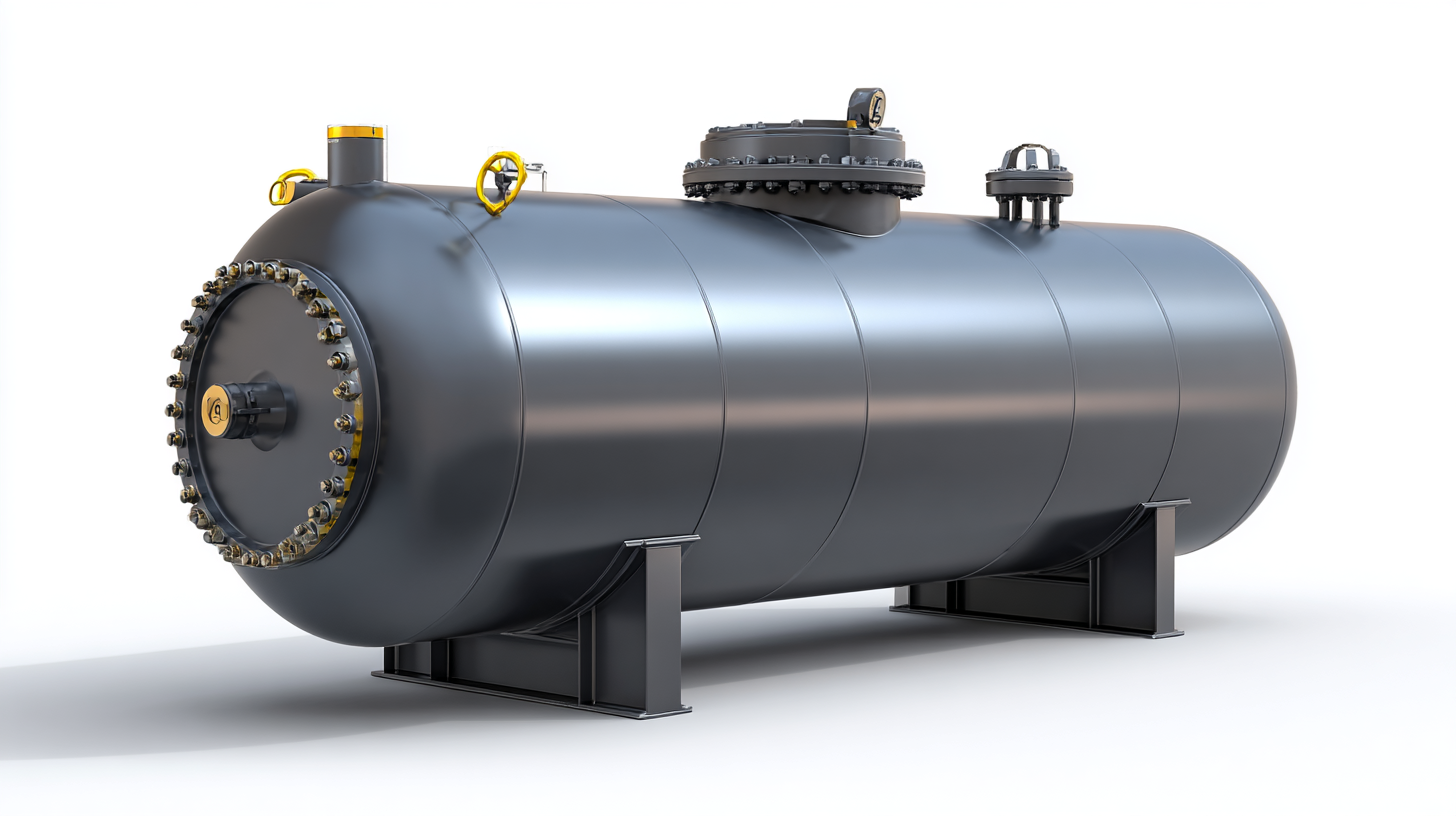
On top of that, innovations in manufacturing—think additive manufacturing and super-precise engineering—are making the process more efficient and eco-friendly. The World Steel Association points out that these new methods can cut down material waste by up to 30% and even let designers create more intricate shapes that boost how well these vessels work. As industries push for better efficiency and want to be kinder to the environment, it’s super important to stay on top of these trends. Choosing the right carbon steel vessels now isn’t just about meeting today's needs—it’s about staying ahead and making sure they’re ready for whatever the future throws at us.