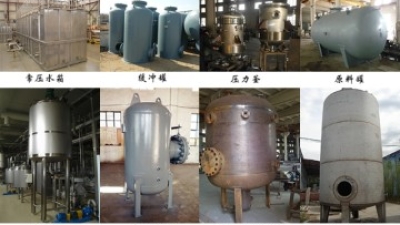
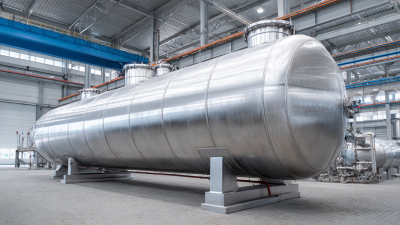
In today’s really fast-moving industrial world, choosing the right equipment isn’t just a detail—it’s actually crucial for making everything run smoothly and sustainably. Take the Stainless Pressure Tank, for example. It’s a pretty important piece of the puzzle, used in all sorts of applications like water treatment and chemical processing. If you’ve heard about market trends lately, you’re probably aware that the global market for Stainless Steel Pressure Tanks is expected to grow at about 5.2% annually from 2023 through 2030. That’s mainly because companies and industries need sturdy, corrosion-resistant storage solutions more than ever. On the business front, Hebei Hongke Qingneng Environmental Protection Equipment Co., Ltd., started in June 2021, is really making a mark. They’re focused on the research, development, and manufacturing of eco-friendly, energy-saving equipment. Based in the Sanhe Economic Development Zone in Langfang City, they’re all about meeting the changing needs of their customers by offering top-notch Stainless Pressure Tanks that meet the highest standards out there.
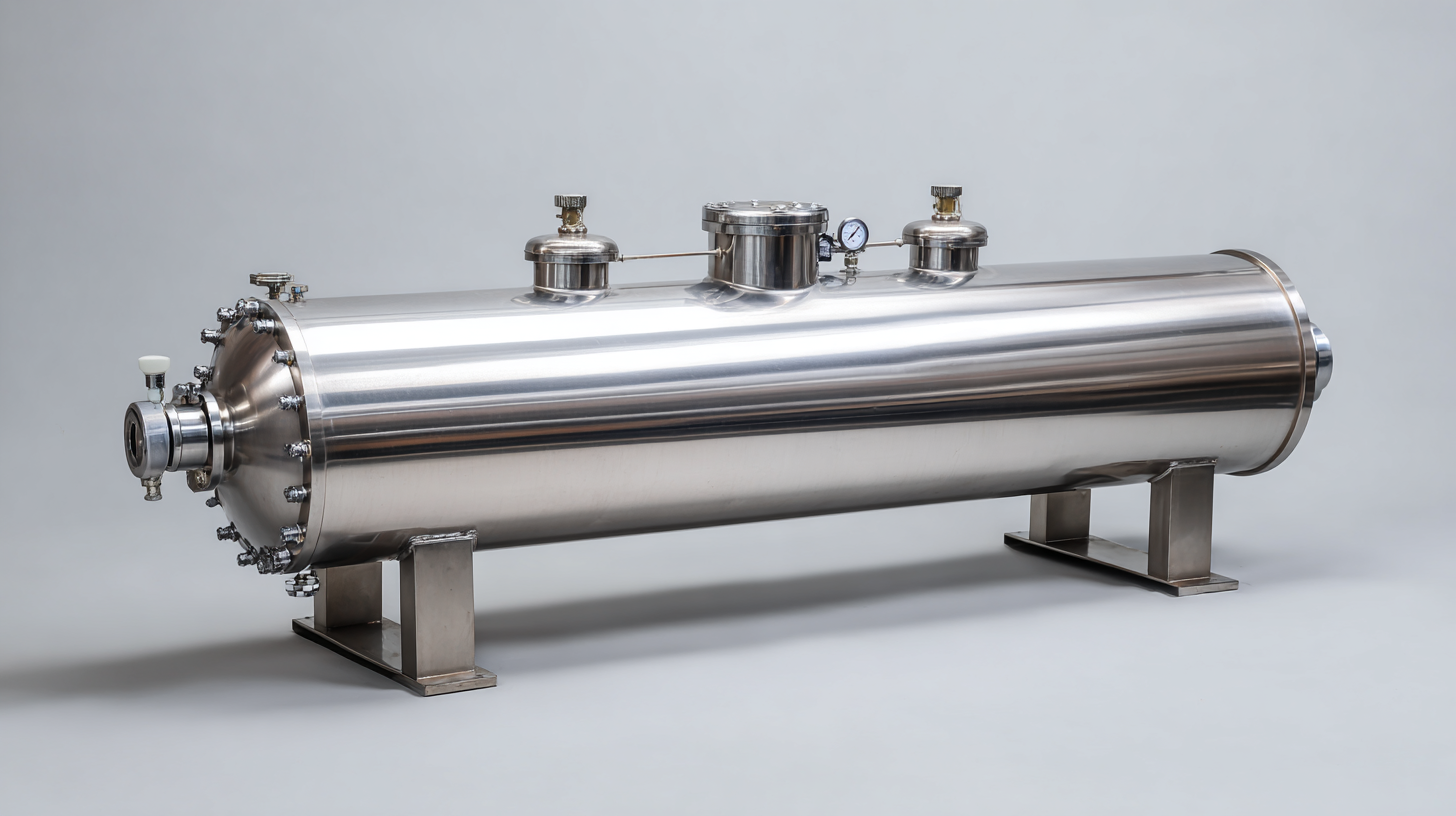
Understanding the Role of Stainless Pressure Tanks in Industrial Applications
Stainless steel pressure tanks are pretty much the backbone of a lot of industries these days. You know, places like the food and beverage industry, pharma companies, and chemical plants all rely on them. What’s great about these tanks is that they’re super durable and resist corrosion, which is knocked out important especially in environments where keeping everything clean and intact really matters. I came across a recent report from Research and Markets that said the worldwide market for stainless steel tanks is expected to grow by about 5.7% annually from 2022 through 2027. That’s mainly because more sectors are turning to stainless pressure tanks for their reliability and performance.
One thing that makes stainless steel tanks stand out is their remarkable properties. They’re strong enough to handle high pressures and temperatures, making them perfect for storing gases and liquids under pressure without any fuss. A study by MarketWatch even pointed out that industries relying on good storage solutions—like the food and beverage world—saw an efficiency boost of around 30% just by switching to stainless pressure tanks instead of more old-school options. Plus, these tanks tend to last a really long time and need very little maintenance, which means lower costs in the long run. That’s a big selling point for manufacturers who wanna keep things running smoothly, stay compliant with safety rules, and maybe even grow their business a bit more.
Overall, it’s pretty clear why stainless pressure tanks are becoming more popular—they just get the job done, hassle-free.
Key Factors Influencing the Selection of Stainless Pressure Tanks
When you're picking out a stainless steel pressure tank, there are a few key things you really want to keep in mind to make sure it fits what you need. First off, the grade of the stainless steel is super important. For example, according to the folks at the International Stainless Steel Forum (ISSF), tanks made from higher-grade steel like 316L tend to resist rust and corrosion much better, which is pretty much a game-changer in tough environments. That means the tank will last longer and probably cost you less in repairs or replacements over time — definitely a win for keeping things running smoothly without breaking the bank.
Another thing to think about is the tank's design pressure and how much it can hold. The capacity really depends on what you're using it for — be it water, chemicals, or other stuff. The ASME suggests that the design pressure should always be a bit higher than the maximum operational pressure just to keep everything safe and running efficiently. Also, it’s smart to consider how big the tank is in relation to your space and whether it plays nice with your existing system. Taking all this into account means you’ll make smarter buying choices and avoid headaches down the road, which is really what it’s all about, right? All of these factors add up to a tank that works for you and keeps your process running as smoothly as possible.
Unlocking Efficiency: The Essential Guide to Choosing a Stainless Pressure Tank for Your Needs
| Feature | Description | Key Considerations |
| Material Grade | Various stainless steel grades such as 304 and 316 offer different corrosion resistance and strength. | Choose based on application environment (e.g., marine, chemical exposure). |
| Capacity | Tanks come in various capacities, typically ranging from 5 to 1000 gallons. | Assess your volume needs to avoid over or under-sizing. |
| Pressure Rating | Pressure tanks are designed for various pressure levels, determinable in psi (pounds per square inch). | Ensure the tank meets or exceeds the required operational pressure. |
| Design Type | Different designs exist such as vertical, horizontal, and bladders depending on space and application. | Consider installation space and usage frequency. |
| Regulatory Compliance | Many applications require tanks to meet industry-specific regulations and certifications. | Verify compliance with local and national standards to ensure safety and legitimacy. |
| Maintenance Requirements | Different stainless pressure tanks have varying maintenance needs including inspections and cleaning. | Understand the upkeep to ensure long-term operational efficiency. |
Comparative Analysis of Stainless Steel Grades for Pressure Tank Efficiency
When you're choosing a stainless pressure tank, it's pretty important to understand the different grades of stainless steel out there—trust me, it can make a big difference in how efficient your setup turns out. Basically, these grades are sorted based on what’s in the steel, which affects stuff like how well it fights off corrosion, how strong it is, and how easy it is to weld. In most cases, you’ll be looking at grades 304 and 316. Grade 304 is super popular because it resists rust and corrosion pretty well, so it’s used for all sorts of things. But if you're dealing with environments that have a lot of chlorine or salty stuff, then 316 stainless steel is your buddy—thanks to the molybdenum in it, it handles pitting and crevice corrosion much better, making it a smarter pick overall.
Also, the grade you pick doesn’t just impact corrosion resistance. It can influence how well the tank conducts heat and how durable it is. Higher grades often let you go with thinner walls without losing strength, which is pretty great because it cuts down on material costs and makes the tank lighter—big plus when you're thinking about transportation or installation. When you're making your choice, remember to keep in mind not just the environment it’ll be in, but also what kind of maintenance or replacement costs might come up down the line. Picking the right stainless steel grade, tailored to your specific needs, can really pay off in the long run.
Evaluating Pressure Tank Capacity Based on Operational Demands
Picking the right stainless steel pressure tank isn’t just about size—it's all about matching it to what your operation actually needs. Tanks come in all sorts of sizes, and if you choose one that's either too small or too big, it can mess with your efficiency. Think about how much fluid you typically need to store or move around, how often you're using the system, and if there are any rules or regulations about minimum storage. A tank that's too tiny might cause delays or bottlenecks, but going way overboard on size can waste money and resources.
It’s also worth paying attention to your usual workflow. If your process needs a steady, consistent flow, a well-sized tank can keep things running smoothly without constantly cycling on and off, which helps extend your equipment’s lifespan and cut down on repairs. Plus, don’t forget about those times when demand peaks—having a bigger tank could make all the difference during sudden surges. When you really sit down and think about what you need and how the tank will fit into your setup, you can make a smarter choice that boosts efficiency and keeps things reliable over the long haul.
Maintenance Protocols for Maximizing the Lifespan of Stainless Pressure Tanks
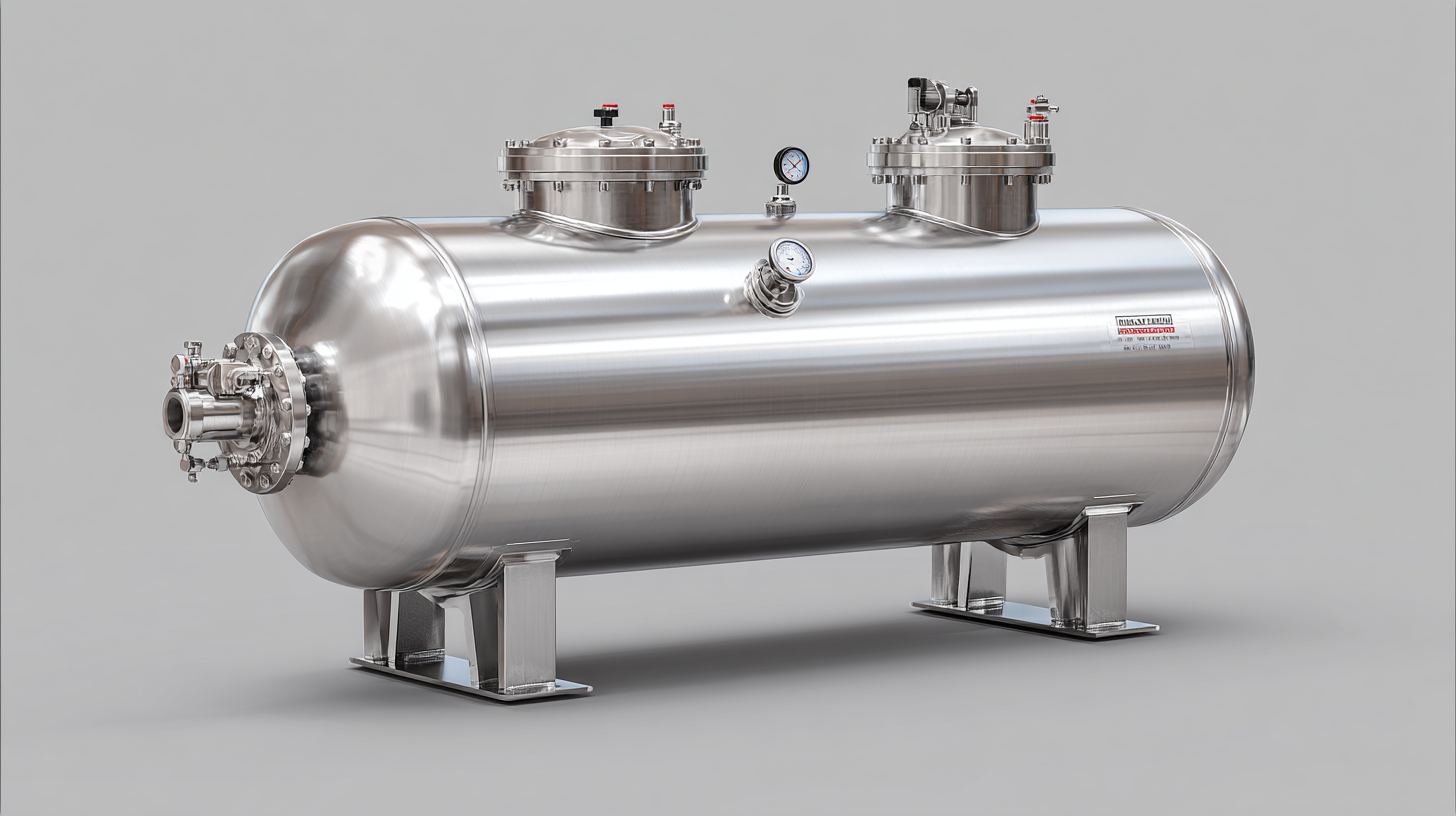
When it comes to taking care of stainless pressure tanks, sticking to the right maintenance routines is super important if you want them to last longer and work safely. Regular inspections are a must — keep an eye out for any rust spots or signs of wear, because these little issues can really threaten the tank’s structural integrity. And don’t forget about cleaning! Having a solid cleaning routine helps get rid of any gunk or contaminants that could cause problems down the line.
Here’s a couple of tips I’d recommend: First, set up a regular hydrostatic test schedule to make sure your tank can handle pressure like it's supposed to. It’s a good way to catch potential problems early. Also, use cleaning products that are safe for stainless steel and always follow the manufacturer’s instructions to avoid any accidental damage.
Oh, and monitoring pressure levels closely is just as important. A good pressure management plan doesn’t only boost how well your tanks perform but also helps them last much longer. Regularly calibrate your pressure gauges—think of it like checking your tire pressure if you wanna keep your car running smoothly. If you stick to these simple protocols, your stainless pressure tank should stay reliable and in tip-top shape for years to come.
Cost-Benefit Analysis: Investing in a Quality Stainless Pressure Tank
In today’s world, where energy conservation and protecting the environment are more important than ever, choosing the right equipment for efficient operations is a big deal. A stainless steel pressure tank might seem like just another piece of gear, but it’s actually a pretty significant investment — especially in industries like hydrogen energy, which are really on the rise. These systems are being talked about a lot because they could really change how we generate and use energy, helping to combat climate change. In fact, some reports are saying the global hydrogen market could hit around USD 183 billion by 2023, showing how much focus there’s been lately on tech that promotes sustainable energy.
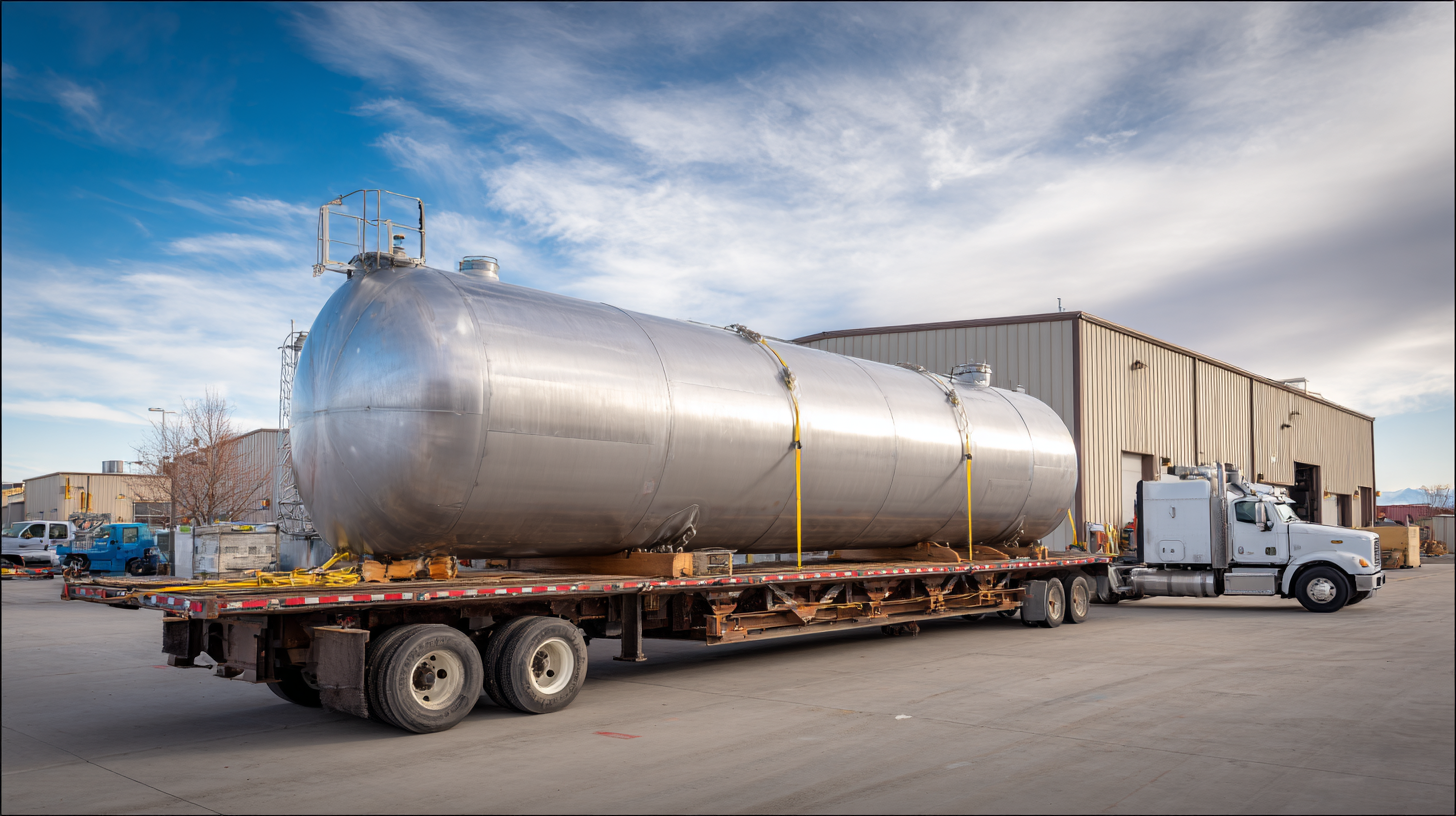
When you're weighing the costs and benefits of buying a good-quality stainless pressure tank, things like durability, resistance to rust and corrosion, and maintenance costs really matter. Usually, stainless steel tanks last quite a bit longer than other options, which can save you money in the long run. And since energy systems are leaning more on high-tech materials these days, having a sturdy, efficient pressure tank can give your setup a real boost — not to mention, it lines up with eco-friendly goals.
Putting your money into top-tier equipment isn’t just about boosting your efficiency; it’s also about being part of the shift toward cleaner, greener energy practices. It’s a win-win, really.
Innovative Approaches to Non-Standard Pressure Vessel System Solutions: Insights from Industry Reports and Market Analysis
Innovative approaches to non-standard Pressure Vessel systems have become essential in today's rapidly evolving industrial landscape. As industries such as energy, chemicals, and biopharmaceuticals demand more specialized solutions, organizations must adapt to these challenges with cutting-edge technologies and designs. Reports indicate that the global pressure vessel market is expected to grow at a CAGR of 6.5% from 2021 to 2028, highlighting the increasing need for tailored vessel systems.
In response to these market demands, we have dedicated over ten years to deepening our expertise in the pressure vessel sector. Our high-end equipment system merges R&D, precision manufacturing, and intelligent services, aimed precisely at developing customized solutions for diverse industries. Leveraging our national pressure vessel design qualifications (A2/D1/D2 categories), we have pioneered a three-dimensional parametric design platform. This innovative tool allows for extensive structural simulations and process optimizations of non-standard equipment, including adsorption tanks and reactors. Notably, our design accuracy reaches ±0.5mm, representing a 40% increase in efficiency compared to traditional methodologies.
Furthermore, industry analysis suggests that the integration of intelligent design processes and precision engineering significantly reduces production time and enhances overall performance. As stakeholders continue to seek more advanced and efficient pressure vessel systems, our approach stands at the forefront, driving the evolution of industry standards and meeting the unique requirements posed by modern applications. The ongoing investment in technology and expertise ensures that we remain competitive and responsive to the ever-changing demands of the market.
FAQS
: Stainless pressure tanks are primarily used in food and beverage, pharmaceuticals, and chemical manufacturing, where durability, resistance to corrosion, and hygiene are crucial.
The global stainless steel tanks market is expected to grow at a CAGR of 5.7% between 2022 and 2027.
Stainless pressure tanks can lead to a 30% increase in efficiency in sectors like food and beverage compared to traditional materials, due to their durability and effectiveness in storage.
The unique properties of stainless steel, such as high tensile strength, temperature resistance, and pressure resistance, make it ideal for safely storing gases and liquids under pressure.
The most common grades are 304 and 316 stainless steels, with grade 304 offering excellent corrosion resistance and grade 316 providing better resistance in environments with chlorine or high salt content.
The grade of stainless steel affects properties such as corrosion resistance, strength, and weldability, which can significantly impact the tank's efficiency, maintenance costs, and operational effectiveness.
Higher grades can allow for thinner tank walls without losing strength, reducing material costs and weight, which can lead to savings in transportation and installation.
When selecting a tank, it is essential to consider the operating environment, maintenance, and replacement costs, ensuring that the chosen grade meets specific needs efficiently.
Conclusion
Hey, have you checked out this article called "Unlocking Efficiency: The Essential Guide to Choosing a Stainless Pressure Tank for Your Needs"? It really breaks down how important stainless pressure tanks are in all sorts of industrial settings. The piece walks you through what to consider when picking one—stuff like the material properties, how big the tank needs to be based on your operation, and even compares different types of stainless steel grades to help you find the most efficient option. Oh, and they also cover some key maintenance tips to keep these tanks running smoothly for years to come.
They also do a little deep dive into the cost versus benefits of investing in a good quality stainless pressure tank. Spoiler: it’s often worth the upfront investment because you get better performance and save money in the long run. And, you know, as a company that's all about saving energy and protecting our planet, Hebei Hongke Qingneng Environmental Protection Equipment Co., Ltd. really stands behind this whole efficiency thing. They make sure their products are top-notch and up to industry standards, which is pretty cool.