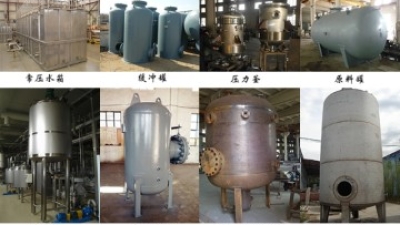
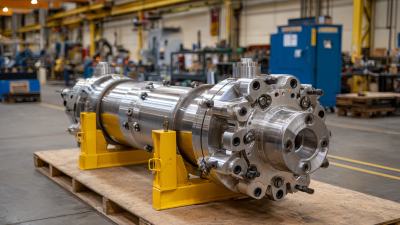
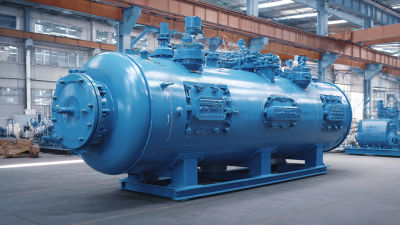
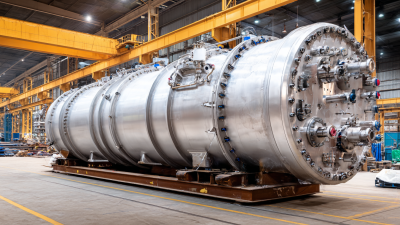
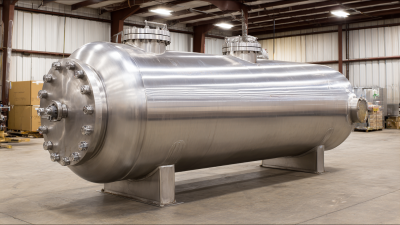
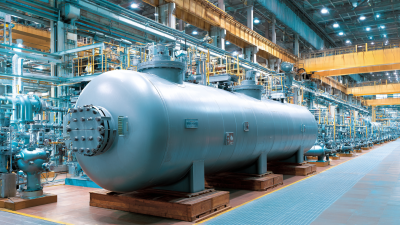
When it comes to industrial stuff, Compression Vesselsare pretty much the backbone for safely storing and moving gases and liquids under really high pressure. If you’ve looked into industry reports, you’ll notice that the global market for these Pressure Vessels is really booming — mainly because sectors likeoil and gas, chemical processing, and power generation need them more than ever. For example, a report from ResearchAndMarkets mentioned that in 2020, the market was around $25 billion, and it’s expected to grow to about $40 billion by 2026 — that’s over 8% annual growth! Now, on a slightly smaller note, Hebei Hongke Qingneng Environmental Protection Equipment Co., Ltd., just started in June 2021, is carving out its own spot in this rapidly expanding field. They focus mostly on R&D and making energy-efficient, environmentally friendly equipment. Their team’s got some serious know-how in coming up with innovative solutions, which really helps meet the changing needs of industrial businesses that depend heavily on compression vessels to stay efficient and safe. It’s a pretty exciting time for this industry, no lie.
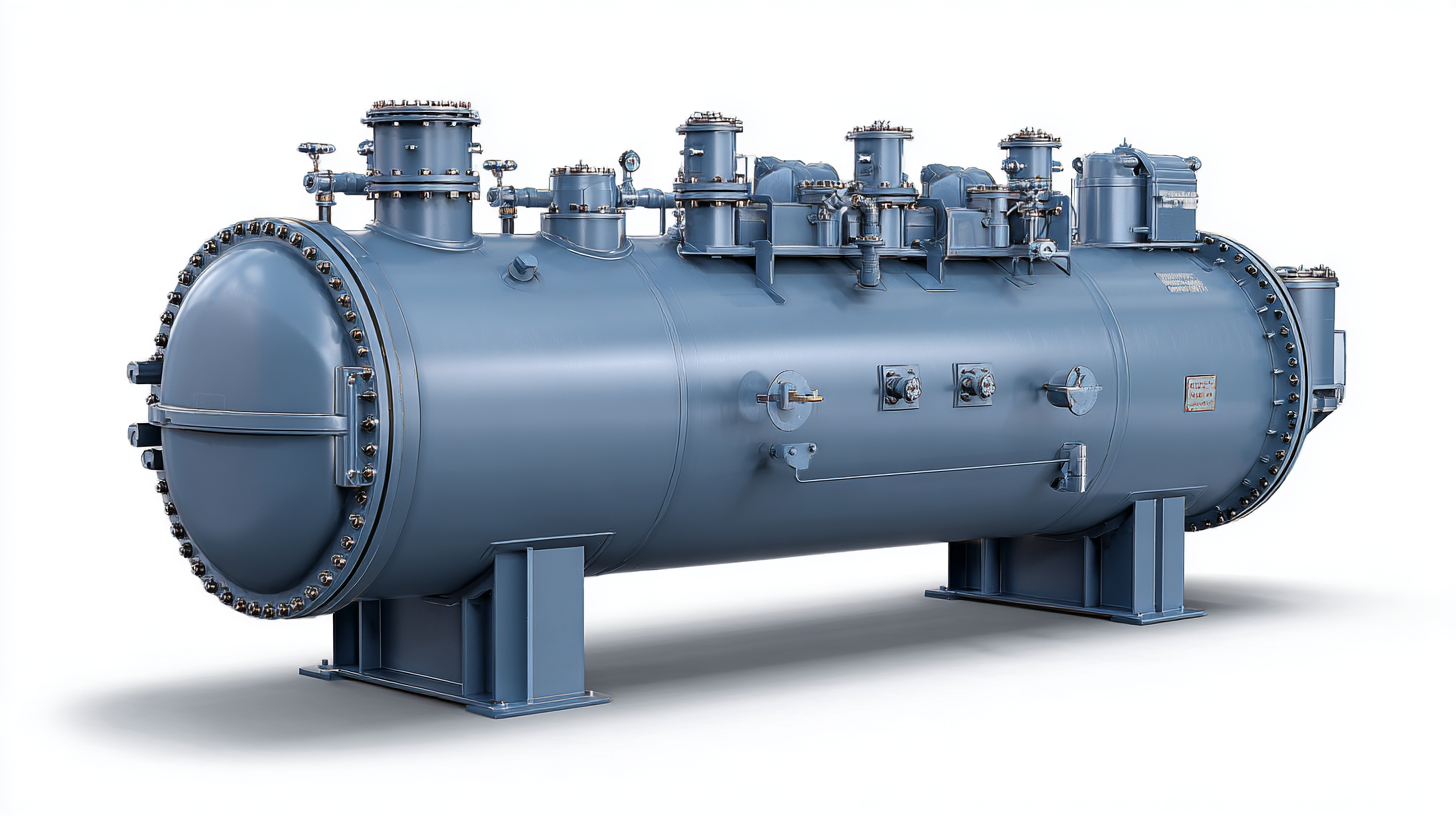
What is a Compression Vessel and Its Importance in Industries
Compression vessels play a pretty vital role in all kinds of industries. Basically, they’re designed to safely hold gases or liquids under high pressure, no matter if you’re in oil and gas, chemical processing, or energy production. These things are carefully built to handle all the stress from the pressurized contents inside, making sure everything runs smoothly and safely.
When you’re working with these vessels, it’s super important to stick to the safety protocols. First off, Tip 1: Make it a habit to check the vessels regularly for any signs of wear or rust. Over time, corrosion can really weaken their structure, so a routine inspection can save you a lot of trouble down the line. Also, don’t forget about maintaining the pressure relief systems—Tip 2: These are pretty much your safety net to prevent over-pressurization, which could lead to serious accidents or explosions.
And, here’s a key point: choosing the right materials matters big time when designing or selecting a compression vessel. Tip 3: Pick materials that can handle both the chemical makeup of what you’re storing and the pressure at which it’s stored. Doing so not only makes the vessel last longer but also ensures you stay compliant with industry standards—all while keeping your team and the environment safe.
Key Components of a Compression Vessel and Their Functions
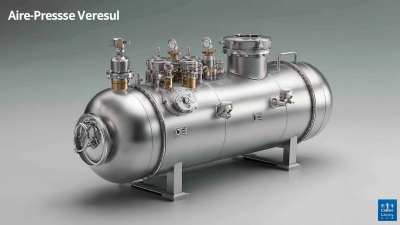
When it comes to industrial setups, a compression vessel is pretty much essential for storing gases and liquids under really high pressure. Things like safety valves and pressure gauges are crucial—they make sure everything runs smoothly and safely. Typically, these vessels are made from tough materials like carbon steel or stainless steel, so they can handle the intense pressures involved in various processes. Safety valves help keep the internal pressure in check, and pressure gauges give you real-time readings, so you know everything's functioning properly and safely.
On the other side of things, did you know that the market for occupant classification systems is expected to hit around $4.657 billion by 2031? That's a big jump from $2.9785 billion in 2024, growing at roughly 6.59% CAGR. This really shows how much more demand there is for smarter safety features in our vehicles. And it’s not just about the passenger seats—these components, like compression vessels used in radar systems, are more important than ever. As manufacturers come up with more advanced tech—think better radar for occupant safety—the whole industry is evolving. The systems are getting more complex, but that’s a good thing because it means safer, smarter vehicles are on the way. All of this highlights how critical solid engineering and design are in keeping up with these new technologies.
How Compression Vessels Operate Under Different Pressure Conditions
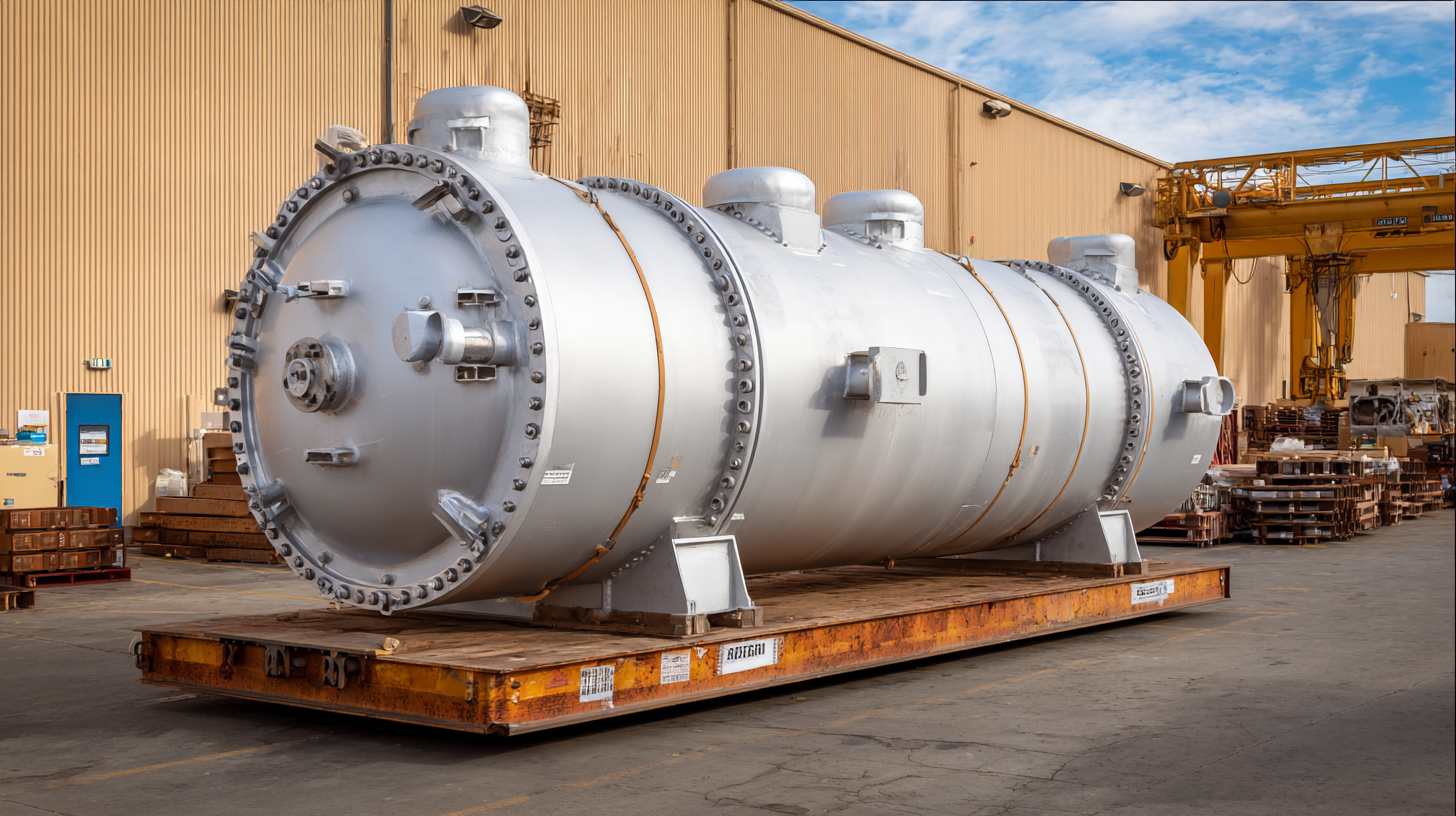 Compression vessels are pretty important in a bunch of different industries. Basically, they're designed to handle really high pressure while storing gases or liquids. How well they do their job mainly depends on the pressure they’re exposed to. When pressure gets really high, these vessels need to be built tough—using sturdy materials and solid designs—to avoid any failures. That’s super important for keeping everything safe and running smoothly.
Now, if the pressure isn’t constant and tends to go up and down, the vessel’s design needs to be flexible enough to handle these changes. For example, you might want to include relief valves or pressure regulators—things that help keep the pressure in check. Oh, and it’s a good idea to regularly check up on these components—staying on top of maintenance can really prevent potential accidents.
Quick tip: Make sure there’s good ventilation around compression vessels. It helps prevent pressure from building up too much, which can be dangerous. Also, don’t forget to keep an eye on the temperature too. When things heat up, the pressure can rise as well, putting extra stress on the vessel. Understanding how these factors interact is key to keeping everything safe and working efficiently.
Common Industrial Applications of Compression Vessels Explained
You know, compression vessels are kind of unsung heroes in many industries. They play a big role in processing and storing gases and liquids safely, especially when things are under high pressure. These tanks are built tough so that industries like chemicals, oil and gas, and pharmaceuticals can keep running smoothly and, most importantly, safely. For example, in the petrochemical world, you'll often find compression vessels used to store natural gas and other tricky substances—helping prevent leaks and making sure everything gets transported securely.
But it’s not just that. These vessels are also pretty important in water treatment plants. They’re used to compress air in aeration tanks, which boosts the purification process. Plus, in the food and beverage industry, you'll see them in action with things like carbonated drinks—they help keep the fizzy texture by maintaining just the right pressure. All in all, compression vessels keep these processes under control, making sure the final products are safe and high quality. Without them, a lot of industrial magic just wouldn't happen the way it does now.
Safety Measures and Standards for Using Compression Vessels
You know, compression vessels are pretty much the backbone of a lot of industrial processes—they’re the ones holding gases or liquids under really high pressure. And honestly, safety can’t be overstated here. If these things aren’t handled properly, it can lead to some serious, even catastrophic, accidents. The folks over at the National Board of Boiler and Pressure Vessel Inspectors mention that about 3% of pressure vessel failures actually end up causing major incidents. That really highlights why following strict safety rules is such a big deal.
One of the main safety standards you gotta keep in mind is the ASME Boiler and Pressure Vessel Code (or BPVC for short). It covers everything—design, fabrication, testing, inspection—you name it. Regular checks are super important, too—OSHA regulations actually recommend routine inspections, and a good chunk of failures, like around 30%, are due to issues like material breakdown or rusting over time. Plus, adding safety features like pressure relief valves and automatic shut-off systems can make a huge difference in preventing accidents. Bottom line? When industries stick to these rules and keep a close eye on their vessels, they’re not only protecting their workers but also saving themselves from costly disasters down the line.
What is a Compression Vessel and How Does It Function in Industrial Applications - Safety Measures and Standards for Using Compression Vessels
| Dimension | Description | Standard (e.g., ASME, ISO) | Common Applications |
| Pressure Rating | Defines the maximum pressure a vessel can safely handle. | ASME Section VIII | Gas storage, boiler feeds |
| Material | Common materials include carbon steel, stainless steel. | ISO 15156 | Chemical processing, oil and gas |
| Testing | Non-destructive testing methods like ultrasonic or radiographic. | ASME, NDE Standards | Quality assurance in manufacturing |
| Safety Features | Includes pressure relief valves and burst disks. | OSHA Standards | Any high-pressure applications |
| Maintenance Frequency | Regular inspections are recommended biannually. | API 510 | Industrial production |
Maintenance Tips to Ensure Optimal Performance of Compression Vessels
In many industrial settings, compression vessels are pretty much the unsung heroes—they store gases or liquids under pressure, helping keep all sorts of manufacturing processes running smoothly. But here’s the thing: to make sure these tanks stay in good shape and keep working safely for years to come, regular maintenance is a must. You know what the experts say? According to the American Society of Mechanical Engineers (ASME), doing routine inspections and upkeep can actually keep potential failures at bay. These failures can be really costly—leading to shutdowns that hurt your bottom line and safety hazards you definitely want to avoid. It's recommended that you give these vessels a thorough check-up at least once a year. During these inspections, focus on how solid the structure is, whether the valves are working properly, and keep an eye out for any signs of rust or corrosion.
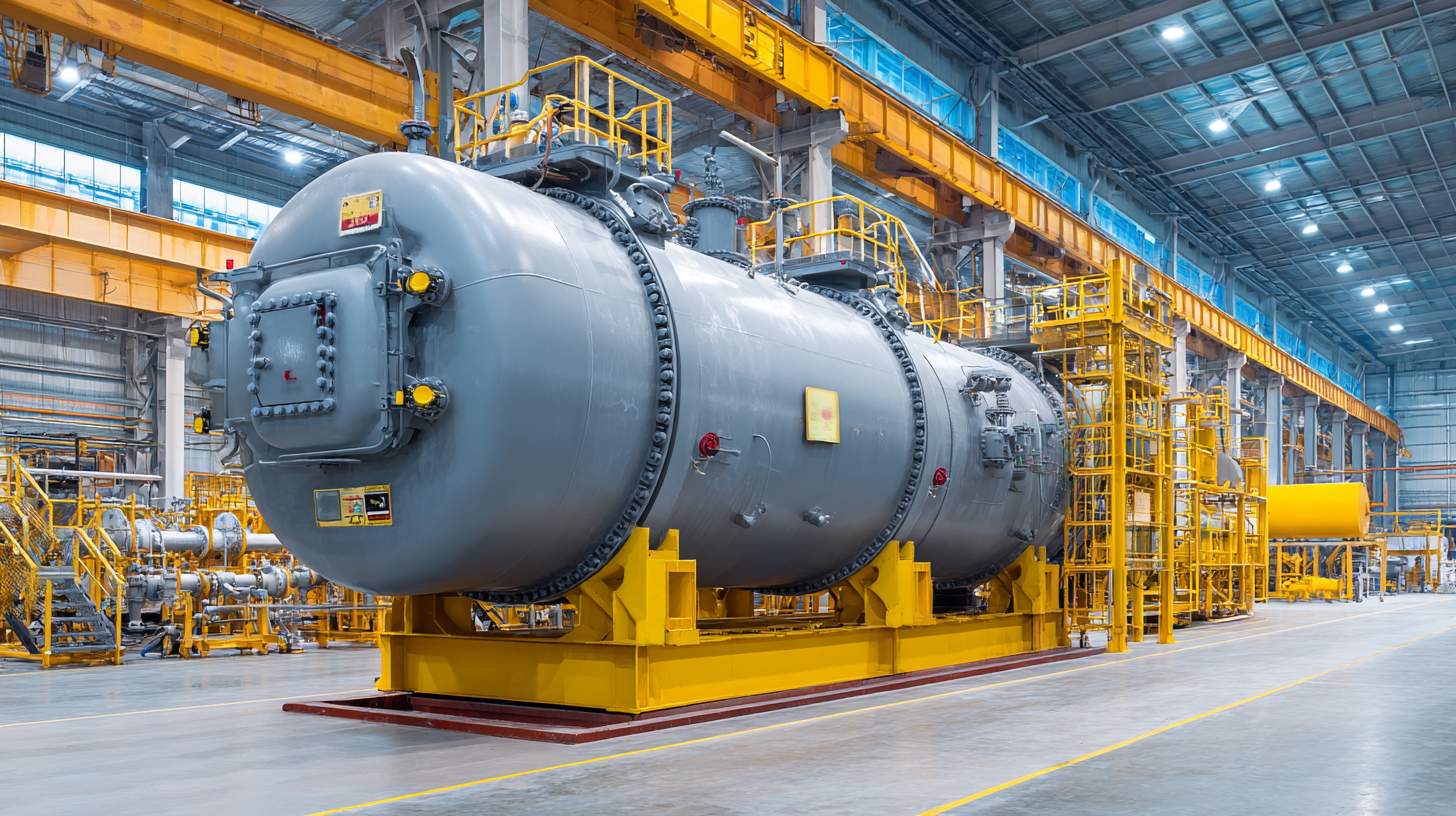
On top of that, keeping detailed logs of all maintenance work is super helpful—it's like your own personal health record for the vessel. It can help you spot patterns or recurring issues before they become big problems. The National Board of Boiler and Pressure Vessel Inspectors even suggest taking a proactive approach. That might mean replacing worn-out seals or regularly calibrating pressure gauges to keep things accurate. Research shows that companies who stick to a solid maintenance plan can cut down unexpected breakdowns by up to 30%. When these compression vessels are properly cared for, it not only makes things safer but also boosts efficiency—meaning you get more bang for your buck over time.
Innovative Approaches in Non-Standard Pressure Vessel Systems: Insights from the Latest Market Trends and Engineering Reports
In the realm of non-standard Pressure Vessel Systems, the latest market trends reveal a shift towards innovative engineering solutions that cater to a diverse range of industries, from energy to biopharmaceuticals. Our company, with a decade of expertise in pressure vessel technology, has developed an advanced equipment system that synthesizes research, design, precision manufacturing, and intelligent services. We pride ourselves on offering customized pressure vessel solutions that address the unique needs of each sector we serve.
With the support of national pressure vessel design qualifications in categories A2, D1, and D2, we have invested in cutting-edge tools like our proprietary three-dimensional parametric design platform. This platform allows us to perform structural simulations and optimize processes for non-standard equipment, such as adsorption tanks and reactors. The precision of our designs, with an accuracy of ±0.5mm, is complemented by a remarkable 40% efficiency increase compared to traditional methods. This innovation not only streamlines production but also enhances the reliability and functionality of pressure vessel systems in various applications.
As market demands evolve, staying ahead of engineering trends is crucial. Our commitment to innovation ensures that we lead the way in developing non-standard pressure vessel systems that meet the highest industry standards, empowering our clients to achieve operational excellence. By embracing these modern approaches, we continue to redefine what is possible in pressure vessel engineering.
FAQS
: A compression vessel is an integral component in various industrial applications, designed to safely hold gases or liquids at high pressures.
Compression vessels are important because they provide safe containment for pressurized gases or liquids, ensuring operational safety and efficiency across sectors like oil and gas, chemical processing, and energy production.
Essential safety protocols include regularly inspecting vessels for wear and corrosion and ensuring that pressure relief systems are functioning correctly to prevent over-pressurization.
The ASME BPVC is a primary safety standard that provides comprehensive guidelines for the design, fabrication, testing, and inspection of compression vessels.
Compression vessels should be inspected at least once a year to assess their structural integrity, valve functionality, and any signs of wear or corrosion.
Implementing a proactive maintenance strategy, such as replacing worn seals and regularly calibrating pressure gauges, can help prevent potential failures in compression vessels.
Poor maintenance can lead to catastrophic failures, costly downtimes, and safety hazards, as well as increased risks of accidents due to material degradation or corrosion.
Regular maintenance enhances safety and improves operational efficiency, leading to a significant return on investment and potentially reducing unexpected breakdowns by up to 30%.
Conclusion
You know, compression vessels are pretty essential in a bunch of industrial setups. They’re basically the sturdy tanks that safely hold gases and liquids under really high pressure. These tanks usually come equipped with important parts like safety valves, pressure gauges, and insulation—each one doing its part to keep things running smoothly and safely. It’s pretty important to understand how these vessels work under different pressure conditions so that we can make sure they perform well and stay within safety limits.
From energy saving to protecting the environment, these compression vessels are absolutely key players. They’re used in all sorts of processes—storing gases, running chemical reactions, treating waste—you name it. Of course, keeping them in good shape and following safety guidelines isn’t just a good idea, it’s a must to avoid mishaps and keep everything running efficiently. Over here at Hebei Hongke Qingneng Environmental Protection Equipment Co., Ltd., we’re passionate about improving the design and manufacturing of these vessels to help build a more sustainable and safe industrial future.