Leave Your Message
0%

Looking to boost energy efficiency and do our part for the planet? Industry folks are really focusing on optimizing Gas Heat Exchangers these days. I came across a recent report from the International Energy Agency that says getting these systems right can crank up efficiency by as much as 30%. That’s a big deal — it means lower operating costs and a smaller carbon footprint, which everyone’s aiming for. Companies like Hebei Hongke Qingneng Environmental Protection Equipment Co., Ltd. are really leading the way with research and new innovations in this space. Founded back in June 2021, they’re not just about providing cool solutions; they’re also helping push forward better practices so industries can better harness thermal energy. In this blog, I’ll share seven expert tips to help you fine-tune your Gas Heat Exchangers. Hopefully, this helps your facility hit those energy and sustainability goals more easily—and maybe even a little quicker.

7 Expert Tips to Enhance Your Gas Heat Exchanger Efficiency

Understanding Gas Heat Exchangers: Principles and Applications

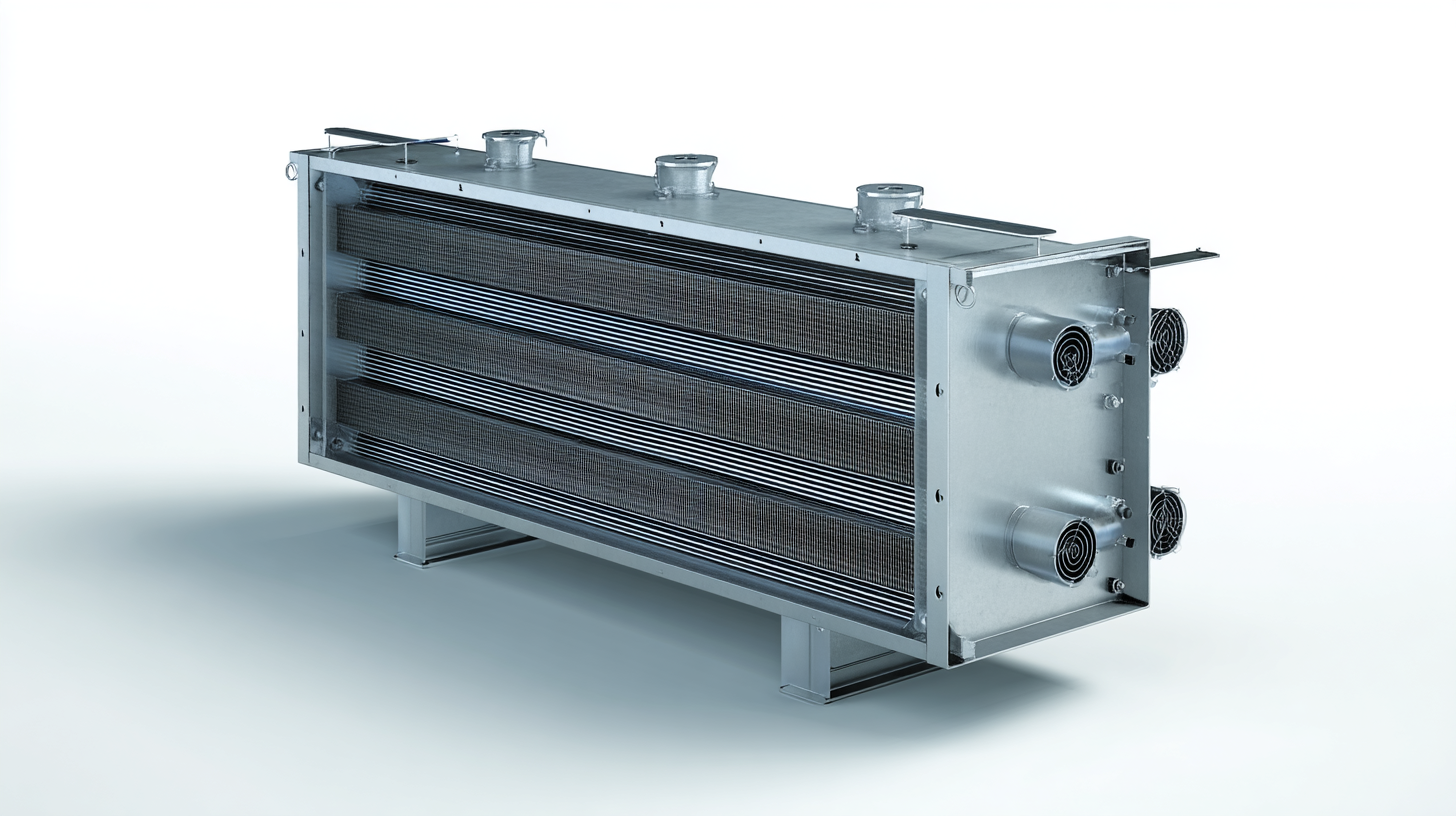
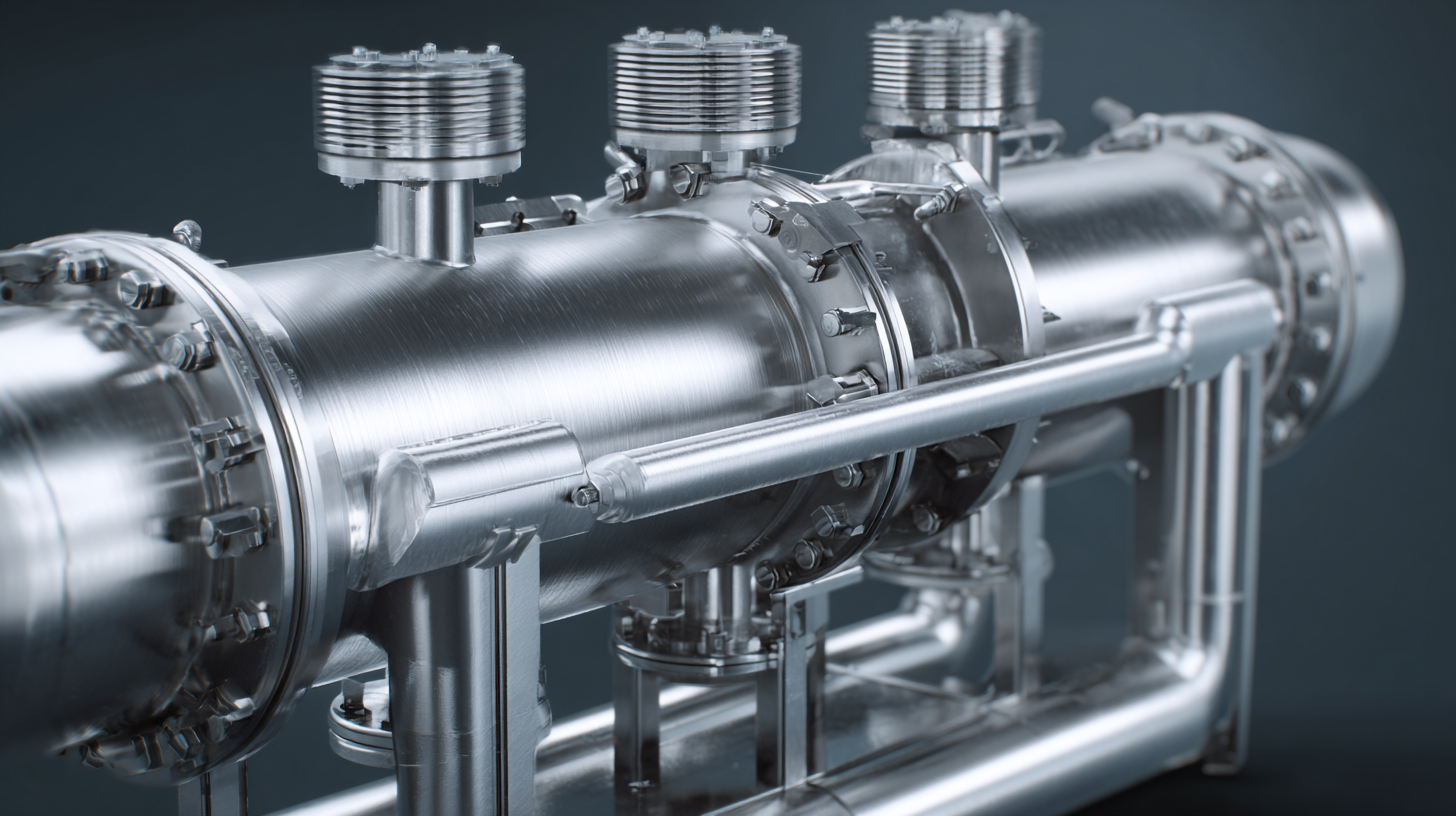
Gas heat exchangers are pretty essential components across a bunch of different industries. They play a big role in helping us get the most out of energy use, which is always a win. Basically, these devices work by transferring heat between two or more gas streams — kind of like a smart energy-saving trick, really. The U.S. Department of Energy even says that improving how efficient these heat exchangers are could cut down heating energy use by 20 to 30 percent. That just goes to show how important it is to understand how they’re designed and what operational factors affect their performance.

In real-world setups, you’ll find gas heat exchangers everywhere — from power plants and petrochemical plants to HVAC systems in buildings. Their ability to recover waste heat doesn’t just save fuel; it also helps cut down on emissions because they’re making better use of thermal energy. The International Energy Agency even suggests that if we optimize these heat exchangers in different industries, we could potentially slash global CO2 emissions by about 1.5 gigatons every year. That’s a pretty huge impact when it comes to protecting our environment. By paying attention to things like surface area, how the flows are arranged, and operational conditions, industries can really boost energy efficiency and save some serious money in the long run.

7 Expert Tips to Enhance Your Gas Heat Exchanger Efficiency

Tip Number Tip Description Expected Efficiency Gain (%) Application Area
1 Regular maintenance and cleaning. 15 Industrial applications
2 Optimize heat transfer fluid flow rates. 10 Power plants
3 Use advanced materials for heat exchanger fabrication. 20 Chemical processing
4 Implement temperature monitoring systems. 5 HVAC systems
5 Regularly check and replace seals and gaskets. 12 Petroleum refining
6 Conduct efficiency audits periodically. 18 Manufacturing
7 Install energy recovery systems. 25 District heating

Identifying Common Efficiency Challenges in Gas Heat Exchangers

7 Expert Tips to Enhance Your Gas Heat Exchanger Efficiency Gas heat exchangers are pretty important in a lot of industrial setups, but I gotta say, they do run into some pretty common issues that can really mess with their efficiency. For example, fouling is a big deal — that's when dust, dirt, and other particles start building up on the surfaces that transfer heat. When that happens, the heat transfer just isn’t as good, which isn’t great. The Department of Energy actually points out that fouling can cut down thermal efficiency by as much as 20%. Yikes! This usually means higher costs and more energy used. The good news? Regular cleaning and maintenance can go a long way in keeping things running smoothly.
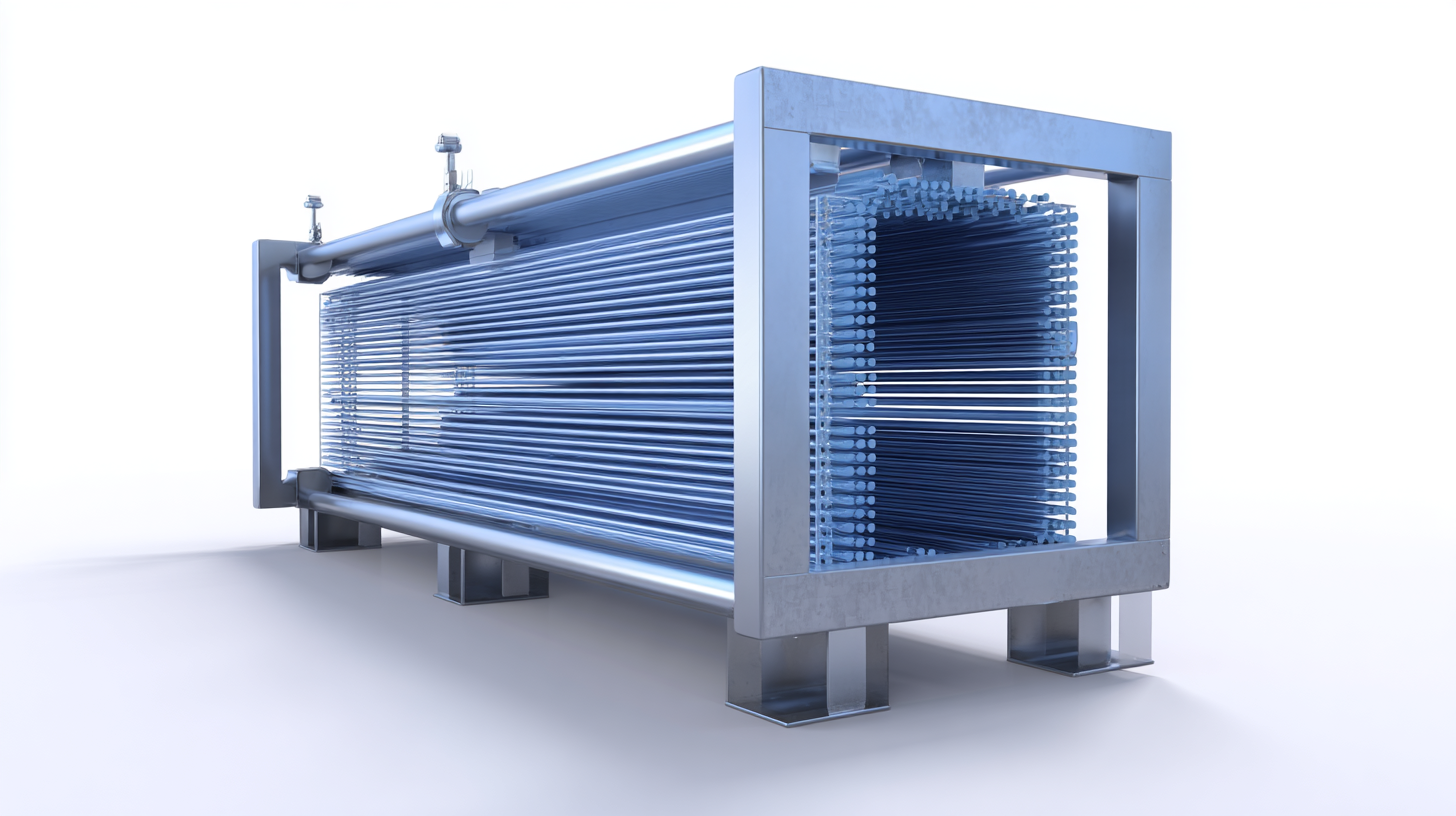
Another snag these systems face is uneven temperatures. According to research from the Heat Exchange Research Institute, if the heat isn’t spread out evenly, you end up with hotspots that not only reduce efficiency but can also cause the materials to wear out faster over time. Luckily, using advanced monitoring tools that keep an eye on temperature changes can really help catch issues early and keep everything working at its best. By tackling these common problems head-on, companies can bump up how well their gas heat exchangers work and save some serious energy in the process.

Tips for Optimizing Heat Transfer in Gas Heat Exchangers

Making gas heat exchangers more efficient is super important if you want to get the most out of your energy and keep your system running smoothly. So, here are some tips that can really help improve heat transfer in these key parts. First off, having good airflow is a must. If the airflow’s even a little off, it can cause uneven temperatures and make the heat exchanger less effective. Regularly cleaning it and checking for blockages can make a big difference. And if you use fans or blowers to boost the air moving over the surface, that can really help transfer heat better. Another thing to think about is the materials you choose. Using high-conductivity stuff like copper or aluminum makes a noticeable difference in thermal performance. Plus, adding fins or designing tubes with clever shapes can increase the surface area, which boosts heat exchange. Don't forget to consider the operating temperature and pressure too — tweaking these can really give your heat transfer process an extra edge and make your system perform at its best.

Maintenance Practices to Ensure Optimal Gas Heat Exchanger Performance

Keeping gas heat exchangers running at their best really depends on sticking to a good maintenance routine. The truth is, if you neglect them, they can lose anywhere from 10 to 20 percent of their efficiency — and nobody wants that! So, it’s pretty smart to set up a regular schedule for checks and cleaning, especially on those heat exchange surfaces. When you tidy up any buildup or fouling, you’ll see better heat transfer, which means less energy wasted and lower bills.

But here’s the thing — cleaning alone isn’t enough. You also want to keep an eye on how everything’s functioning. The folks over at ASHRAE (that’s the American Society of Heating, Refrigerating, and Air-Conditioning Engineers) suggest doing an annual performance review to spot any weird trends or issues early on. Even cooler, nowadays we can use predictive maintenance tech to monitor things in real time. That way, you can jump in and fix problems before they turn into costly breakdowns. All these proactive steps not only make your equipment last longer but also keep things running smoothly and efficiently—helping you save energy and cut costs in the long run.

7 Expert Tips to Enhance Your Gas Heat Exchanger Efficiency

Advanced Technologies for Enhancing Gas Heat Exchanger Efficiency

Gas heat exchangers are pretty essential across a lot of industries—they do a great job at transferring heat efficiently while keeping energy waste to a minimum. And hey, technology’s advancing all the time! These days, more and more smart control systems are being added, which means they can monitor things in real-time and make adjustments on the fly. That way, they’re always working at their best, based on what’s actually needed. Plus, these smart setups can predict when maintenance might be needed, which helps cut down on downtime and keeps everything running smoothly.

On top of that, using new materials can really boost how well these heat exchangers perform. For example, special coatings or advanced alloys can make heat transfer faster, while also fighting off corrosion and wear-and-tear. And here’s a cool bit—phase change materials (or PCMs) can store thermal energy, helping to even out the fluctuations in heat supply and demand. Basically, by investing in the latest tech, companies can make their gas heat exchangers more efficient, reliable, and way friendlier to the environment. It’s all about making sure they do the job better and last longer, without costing the Earth too much.

Real-World Case Studies: Successful Efficiency Improvements in Gas Heat Exchangers

Making gas heat exchangers more efficient is a pretty big deal for industries that want to cut costs and be kinder to the environment, you know? There's lots of research showing that real-world improvements actually happen. For example, a recent report from the U.S. Department of Energy points out that tweaking the design and keeping up with regular maintenance can boost efficiency by up to 25%. Then, there was this case at a big petrochemical plant where they used better materials for their heat exchangers, and guess what? They saw about a 15% boost in thermal performance, which helped them save around $200,000 each year on energy. Pretty cool, right?

And here’s another story: a power company set up a smart monitoring system for their heat exchangers. They used real-time data to find and fix inefficiencies, and that led to about a 20% drop in fuel use. The International Energy Agency even said that these kinds of upgrades can really ramp up heat recovery and overall system efficiency—anywhere from 10% all the way to 30%. It’s stories like these that show how important it is to keep improving these systems; not only does it save money, but it’s also better for the planet.

FAQS

: What is the importance of airflow in gas heat exchangers?

: Proper airflow is vital as inadequate airflow can lead to uneven temperature distribution, reducing the heat exchanger's effectiveness. Regular maintenance and using fans or blowers can enhance airflow.

Which materials are best for optimizing heat transfer in gas heat exchangers?

High-conductivity materials like copper or aluminum are ideal for improving thermal efficiency. Additionally, advanced surface enhancements such as fins or specialized tube geometries can increase the effective surface area for better heat exchange.

How often should gas heat exchangers be maintained?

It's essential to establish a routine maintenance schedule that includes regular inspections and cleaning of heat exchange surfaces to enhance thermal transfer efficiency and reduce energy consumption.

What are the benefits of predictive maintenance technologies for gas heat exchangers?

Predictive maintenance technologies allow for real-time monitoring of heat exchanger performance, enabling timely interventions to prevent costly downtime and extending the equipment's lifespan.

How can optimizing heat exchanger designs impact efficiency?

Optimizing heat exchanger designs and performing regular maintenance can improve efficiency by up to 25%, according to reports from the U.S. Department of Energy.

What financial benefits can result from improving gas heat exchanger performance?

Enhancing heat exchanger performance can lead to significant savings. For example, a petrochemical plant experienced a 15% increase in thermal performance, resulting in approximately $200,000 saved annually in energy costs.

What impact does real-time data analytics have on gas heat exchangers?

Integrating real-time data analytics helps identify and address inefficiencies in gas heat exchangers, leading to a significant reduction in fuel consumption, as demonstrated by a 20% reduction in a power generation company.

What operational strategies contribute to improved energy efficiency in gas heat exchangers?

Implementing strategic maintenance practices, regular performance evaluations, and continuous improvement strategies can lead to overall energy efficiency gains that typically range from 10% to 30%.

How does fouling affect gas heat exchanger performance?

Fouling materials can reduce thermal transfer efficiency, which is why regular cleaning and maintenance are critical to enhancing the overall performance of gas heat exchangers.

What role does monitoring operational parameters play in gas heat exchanger maintenance?

Monitoring operational parameters is crucial for ensuring peak performance, allowing for the identification of trends and deviations from standard conditions to maintain optimal efficiency.

Conclusion

Gas heat exchangers are pretty important when it comes to improving energy efficiency in a bunch of industrial settings. If you get the hang of how they work and know what common hiccups can reduce their effectiveness, it's easier to put smarter strategies in place. Some good tips? Make sure you're optimizing how heat is transferred and staying on top of maintenance to keep things running smoothly. Plus, using the latest tech can really make a difference, helping boost efficiency and opening up new ways to save energy.

At Hebei Hongke Qingneng Environmental Protection Equipment Co., Ltd., we're passionate about developing and researching energy-saving solutions—especially high-performance gas heat exchangers. Our focus on quality and innovation in environmental protection means we’re really committed to making a real impact: helping industries cut down on energy use without sacrificing productivity.

Charlotte

Charlotte

Charlotte is a dedicated marketing professional at Hebei Hongke Qingneng Environmental Protection Equipment Co., Ltd., a company established in June 2021. With a strong focus on the research and development of energy conservation and environmental protection solutions, Charlotte possesses an......
Previous Challenges Faced by Global Buyers When Sourcing the Best Waste Water Heat Exchanger