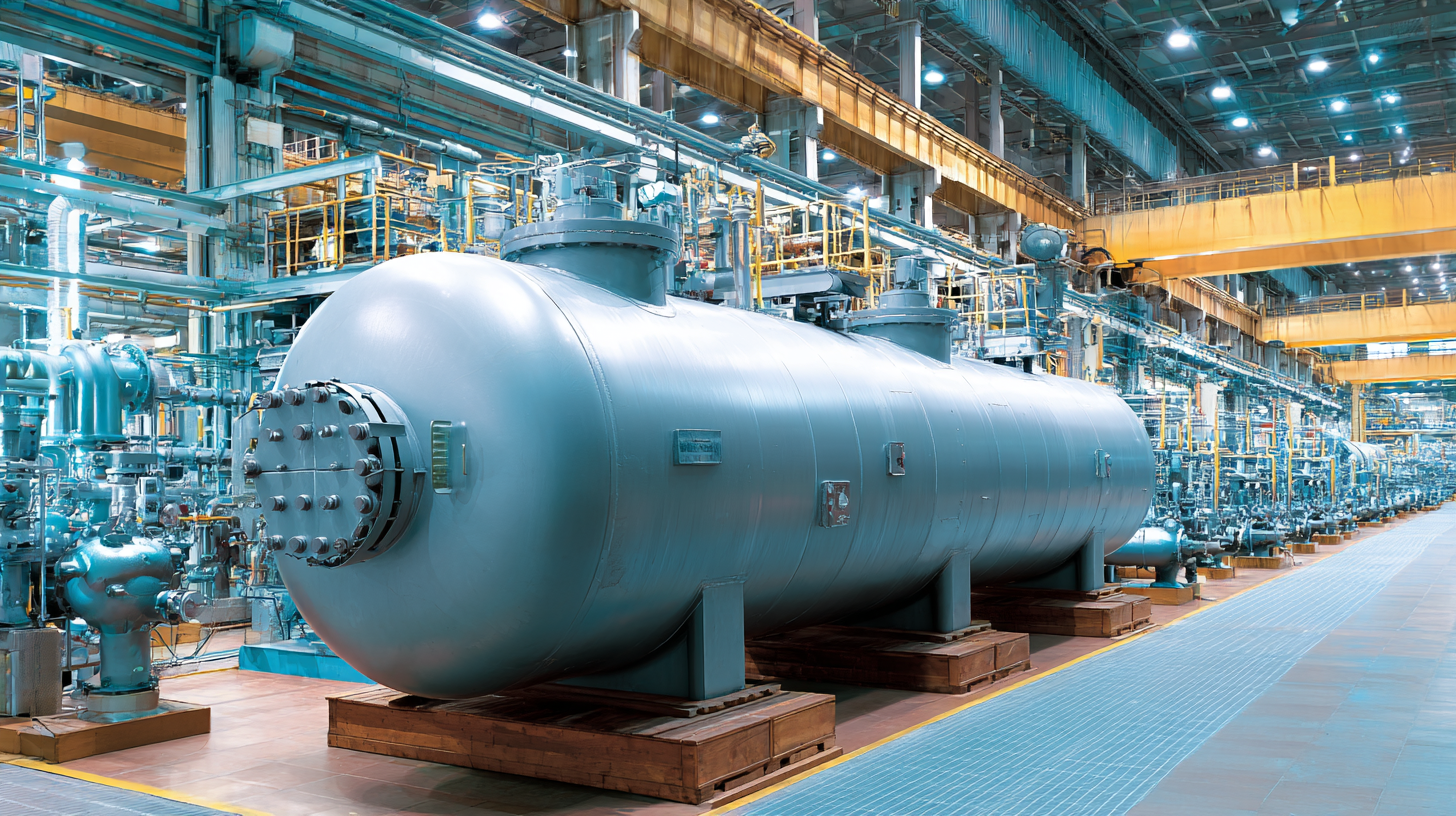
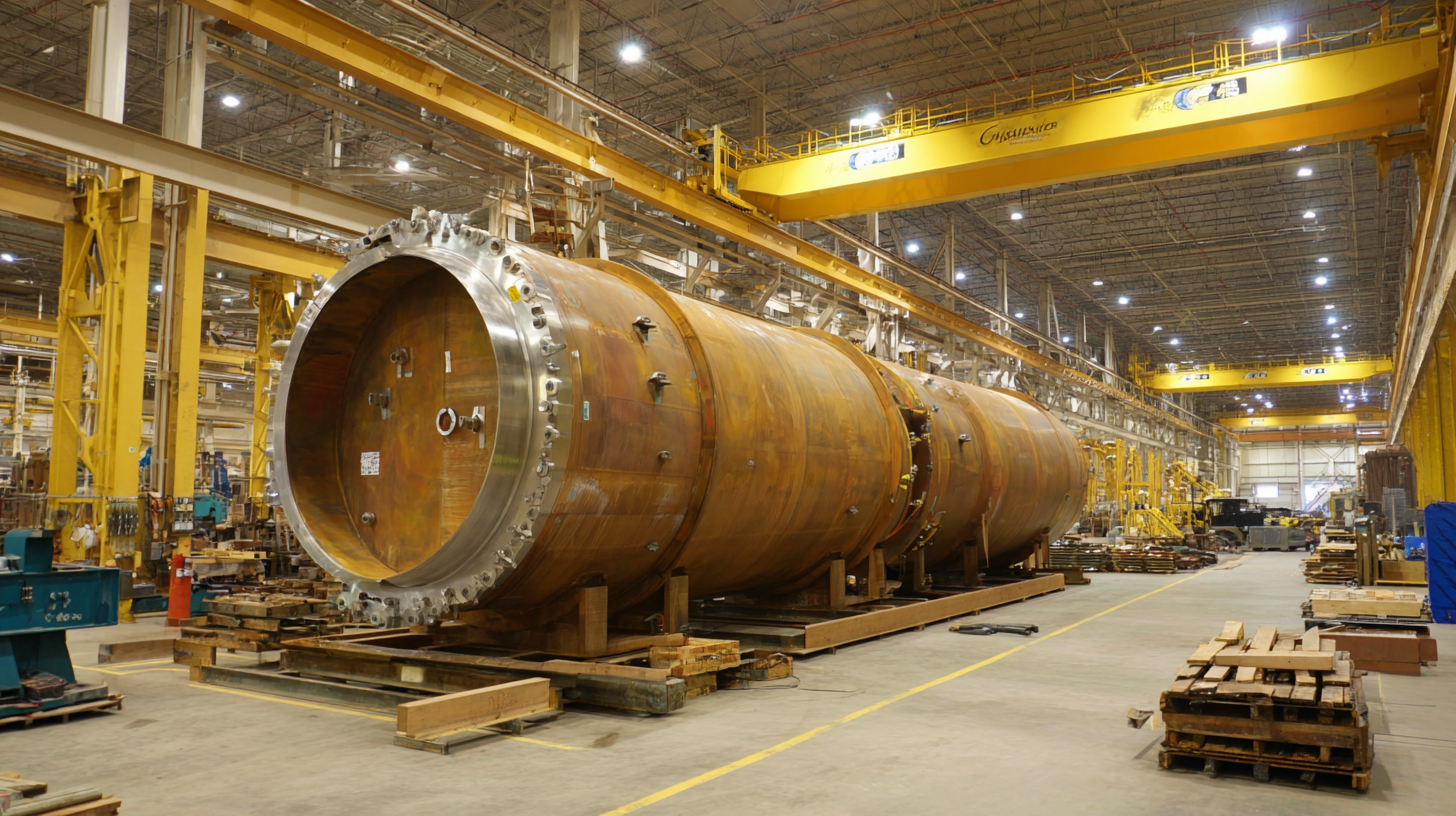
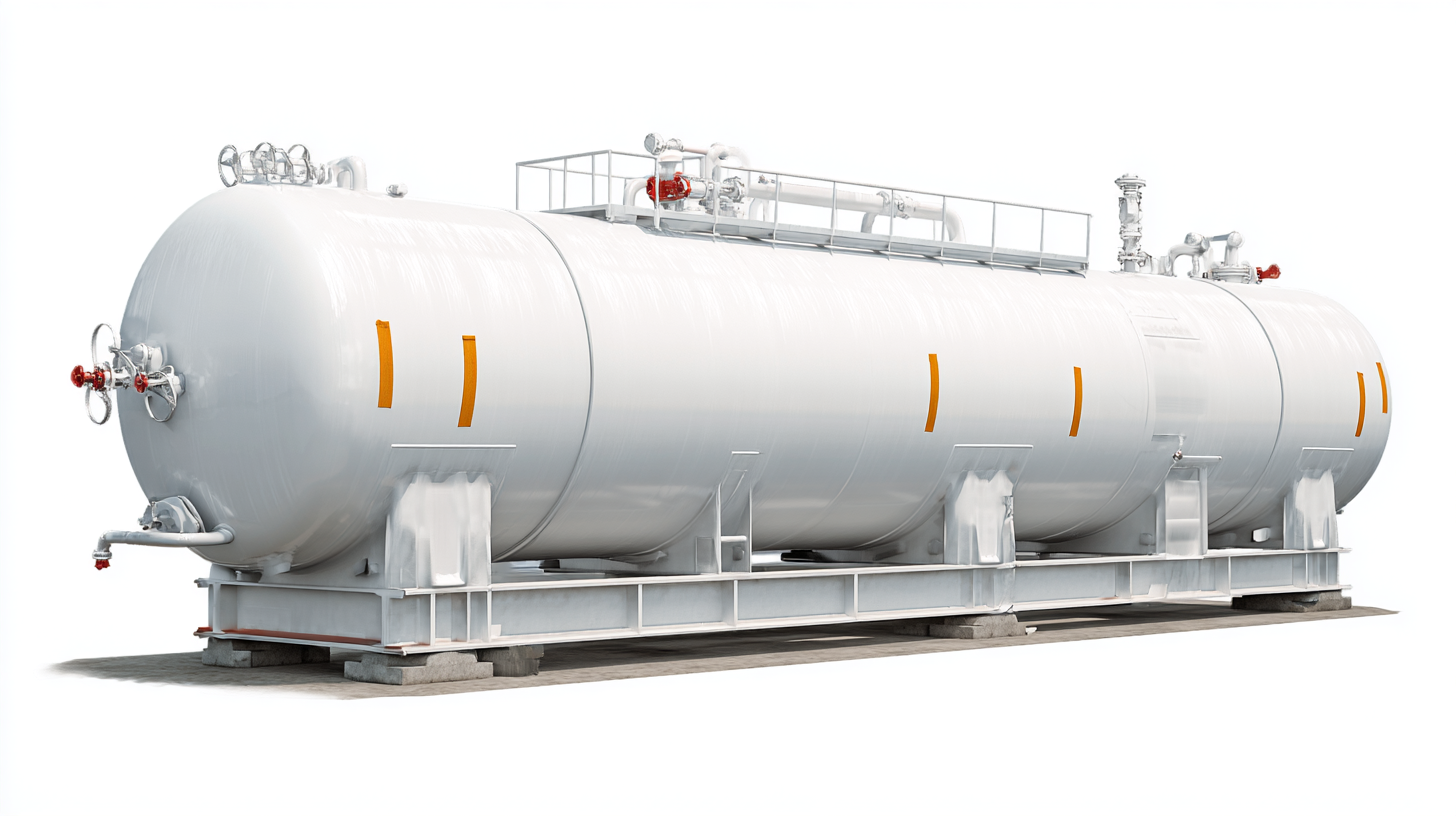
In today’s industrial world, you can’t really underestimate how important it is to have storage solutions that are both efficient and reliable — especially when dealing with pressurized substances. Pressure Vessel Tanks have become pretty much essential across a bunch of different industries. Why? Because they’re good at safely handling high-pressure stuff without any fuss. Here atHebei Hongke Qingneng Environmental Protection Equipment Co., Ltd., which we set up back in June 2021, we’re really focused on R&D in energy-saving and environmental tech, right in the heart of Sanhe’s industrial zone. Our goal is to keep pushing innovation to make Pressure Vessel Tanks safer and better performing — because we know modern industries depend on that. In this blog, I want to take you through seven key benefits of using Pressure Vessel Tanks in industrial settings. Trust me, they’re pretty much game-changers when it comes to boosting efficiency, safety, and sustainability — and at the end of the day, they help keep everything running smoothly and confidently.
Pressure vessel tanks are pretty much essential when it comes to making industrial processes run smoother. They offer a safe and reliable way to store all kinds of materials. Lately, there's been a surge in new projects—like that big new facility in China, which’s set to produce up to 60,000 hydrogen storage tanks. That really shows just how much demand there’s growing for these kinds of advanced vessels in the energy world. These tanks aren’t just for holding gases like hydrogen and carbon dioxide; they’re also key to keeping things safe, staying within environmental rules, and making everything run more efficiently.
On the design front, there’s a noticeable shift toward using composite materials for pressure vessels. It’s pretty exciting because these composites can boost performance and cut down on weight at the same time. Thanks to new manufacturing methods, like automated fiber placement, these tanks are becoming super strong and more efficient, especially for high-pressure needs. Plus, following standards like API 650 ensures that storage tanks built for atmospheric conditions are tough enough to handle industrial demands. All these innovations and focus on sustainability mean pressure vessel tanks are really poised to change how industries operate in the future—making them safer, smarter, and more eco-friendly.
So yeah, you can see that pressure vessels are evolving fast, and they’re definitely a big part of the future in industrial efficiency and safety.
Pressure vessel tanks are absolutely essential in our industrial world, mainly because they’re so efficient, but also because of their crucial safety features. When dealing with high-pressure environments, making sure these tanks stay intact is everything. They’re built with tough materials and engineered with care, so they can handle extreme conditions without giving out. Plus, safety devices like pressure relief valves, rupture disks, and smart monitoring systems really help keep things safe. These features cut down on the chances of accidents or leaks during production—and nobody wants that.
At Hebei Hongke Qingneng Environmental Protection Equipment Co., Ltd., safety is just as important as innovation when it comes to our pressure vessel designs. We kicked things off in 2021, right in the Sanhe Economic Development Zone. Our thing? R&D focused on saving energy and helping protect the environment. We use the latest tech to make sure our pressure tanks don’t just meet safety standards but also support sustainability. By blending top-notch safety features with eco-friendly practices, we really hope to make a positive difference in the industry, all while keeping workers and the planet safe.
Pressure vessel tanks are pretty much the backbone when it comes to making sure manufacturing processes run smoothly. These sturdy containers are built to handle super high pressures and temperatures, which makes them crucial for storing and working with all sorts of fluids and gases. When they do their job well, they help keep the stored materials stable and safe, reducing the chances of leaks or breakdowns — stuff that can cause expensive downtime or costly repairs. Plus, they create a steady environment for chemical reactions and physical processes, so manufacturers can keep their quality consistent and their products reliable.
On top of that, using pressure vessel tanks can really make operations more efficient. Thanks to modern engineering and smart safety features, they can automate things like mixing, heating, and cooling — which means less manual work for folks on the floor. Not only does this boost productivity, but it also cuts down on human errors, making the workplace safer overall. As industries keep evolving, it’s clear that pressure vessel tanks are more than just a piece of equipment; they’re vital for helping manufacturers meet growing demands without sacrificing quality or safety.
| Benefit | Description | Impact on Manufacturing |
|---|---|---|
| High Pressure Resistance | Pressure vessel tanks are designed to withstand high pressures, ensuring safe storage and handling of liquids and gases. | Enhances safety and reduces risk of accidents in manufacturing processes. |
| Durability | Constructed from robust materials, pressure vessels have a long service life, minimizing replacement costs. | Lower capital expenditure over time, contributing to more reliable operations. |
| Space Efficiency | Pressure vessels maximize storage capacity in limited space, allowing for optimal layout in manufacturing plants. | Improves workflow and accessibility in production areas. |
| Versatility | Can be used for a variety of liquids and gases, catering to different manufacturing processes. | Facilitates diverse manufacturing operations without needing multiple storage types. |
| Improved Efficiency | Streamlined processes by providing a consistent supply of materials under controlled conditions. | Increases production rates and reduces downtime. |
| Regulatory Compliance | Designed to meet strict safety and environmental regulations, ensuring compliance during operations. | Reduces liability and enhances corporate reputation. |
| Enhanced Process Control | Allows for precise monitoring and control of pressure and temperature within the system. | Improves product quality and consistency. |
When you're looking at long-term use in industry, pressure vessel tanks are pretty much a smart choice thanks to their cost-effectiveness. These tanks are built tough — they can handle high pressures and extreme temperatures without breaking a sweat, which means you don’t have to replace them quite as often. That kind of durability actually ends up saving you money in the long run, helping businesses keep their operational costs in check. Plus, they usually don’t need much maintenance, so you’re also saving on repair and upkeep costs.
If you want to get the most bang for your buck with these tanks, it’s a good idea to do regular inspections. Catching small issues early can prevent big, expensive breakdowns later on. Also, choosing the right material and design for your specific needs can make a huge difference in how long the tank lasts and how efficiently it works. Basically, investing in high-quality pressure vessels that fit your particular application is a smart move — it pays off over time by giving you better performance and more value for your money.
You know, modern pressure vessel tank design has come a long way over the years. Thanks to some pretty cool new materials, these tanks are now safer and perform way better in industrial settings. I mean, if you go back in time, you'd see they mostly used carbon steel, but now they've mainly shifted to advanced composites and special alloys. These new materials are lighter and can resist rust much better. For example, high-strength stainless steel has been a game changer—allowing tanks to handle higher pressures and temperatures without corroding as easily, which means they last way longer.
And here's the interesting part—thermoplastics are making waves in this space too. They're super lightweight and resistant to harsh chemicals, so they’re perfect for storing tricky substances. Plus, fiber-reinforced polymers have become pretty popular because they’re so strong for their weight. All these innovations actually help create designs that use less energy, save on maintenance costs, and keep everyone safer while they’re working. Honestly, as material tech keeps evolving, it’s really shaping the future of pressure tanks—making them more durable, efficient, and just overall better for industry.
This chart illustrates the importance rating of seven essential benefits of using pressure vessel tanks in industrial applications. Each benefit is rated on a scale from 1 to 10, showcasing their significance in the industry.
Pressure vessel tanks are pretty crucial in industrial settings, especially when we think about their impact on the environment and sustainability. Lately, there’s been some exciting progress in hydrogen energy systems, which really shows how pressure vessels can help us shift toward cleaner energy sources. For instance, researchers are emphasizing the importance of improving burst pressure performance in type V hydrogen tanks — these are the ones vital for safely storing and moving hydrogen, which is a big deal in sustainable energy solutions. Since storing hydrogen efficiently remains a bit tricky, especially when it comes to scaling up and minimizing environmental footprint, advancements in tank design could make a real difference in making the whole process more efficient and eco-friendly.
On top of that, industries are starting to incorporate more sustainable practices into how they make these pressure vessels. Innovations like tweaking fibre structures and streamlining production show a real effort to cut down on environmental impact. Plus, looking at models focused on sustainability, it’s clear that shifting to greener fuels like hydrogen and ammonia for things like shipping isn’t just a trend — it’s a big part of building a more sustainable industry. Companies like Hebei Hongke Qingneng Environmental Protection Equipment Co., Ltd. are also working hard on R&D in energy-saving and eco-friendly tech, which is a step forward for making industrial processes more sustainable overall.
: Pressure vessel tanks are designed with robust materials and advanced engineering, including safety mechanisms such as pressure relief valves, rupture disks, and advanced monitoring systems, to withstand extreme conditions and reduce the risks of accidents and leaks.
The integrity of pressure vessel tanks is paramount in high-pressure environments, as it ensures that tanks do not fail under pressure, safeguarding both personnel and the surrounding environment.
Pressure vessel tanks provide significant cost-effectiveness due to their durable construction, which allows them to withstand high pressures and extreme temperatures, reducing the need for frequent replacements and minimizing maintenance costs.
Regular inspections to identify potential issues and implementing a proactive maintenance schedule can prevent costly breakdowns. Choosing the appropriate tank material and design for specific applications also contributes to enhanced efficiency and longevity.
Recent advancements in pressure vessel design support the transition to cleaner energy alternatives, such as hydrogen storage. By optimizing tank designs and integrating sustainable manufacturing practices, they can significantly reduce the environmental impact of industrial operations.
Pressure vessel tanks are essential for efficient storage and transportation of hydrogen, which is critical for sustainable energy solutions. Optimizing their performance enhances the scalability and environmental footprint of hydrogen technology.
The company focuses on safety alongside innovation, ensuring that their pressure vessel tanks meet safety standards while promoting energy conservation and environmental protection through cutting-edge technology.
Innovations in the manufacturing process, such as improved fibre morphology and production efficiency, help reduce the environmental impact of industrial operations, aligning with the pursuit of greener alternatives and sustainable practices.
The right tank material and design enhance the efficiency and longevity of pressure vessel tanks, which directly influences cost-effectiveness and operational performance in industrial applications.
By investing in high-quality pressure vessels that last longer and require minimal maintenance, businesses can reduce capital expenditures and upkeep costs over time, ultimately optimizing their operational budgets.
Pressure vessel tanks are pretty essential when it comes to boosting industrial efficiency. They provide a safe and reliable way to store different fluids under pressure—kind of like the backbone of many manufacturing processes. Their design isn’t just about holding stuff; it’s packed with safety features that help cut down on risks during operation, making sure everything stays within strict industry standards. Plus, they’re a real game-changer for keeping things running smoothly, reducing those annoying downtimes and helping everything perform at its best. And the best part? Over the long haul, they’re actually pretty cost-effective, making them a smart investment that pays off over time.
Thanks to modern materials and tech, today’s pressure vessel tanks are tougher than ever—they can handle rough conditions and last longer, which is great for sustainability and the environment. At Hebei Hongke Qingneng Environmental Protection Equipment Co., Ltd., we’re all about pushing forward in clean energy and eco-friendly solutions. Our goal is to make high-quality pressure vessel tanks that not only meet the evolving needs of the industry but also help reduce environmental impact along the way.