When it comes to industrial operations, getting a good grip on what makes an Air Receiver Vessel tick is pretty important if you want things to run smoothly and safely. As John Smith, one of the top experts in the field, likes to say, “An air receiver vessel isn’t just some container — it’s really the heart of any compressed air system.” His words remind us just how key these vessels are for keeping a steady flow of compressed air and for acting as a buffer when pressure levels swing around.
An Air Receiver Vessel does a bunch of important jobs — from holding compressed air to helping energy use become more efficient. When these vessels are designed well and taken care of, they can really boost reliability and safety in the long run. As industries lean more and more on compressed air systems, knowing what makes a good Air Receiver Vessel is more critical than ever. In this article, I’ll walk you through the top ten features you need to know about. I want to give you a clear, easy-to-understand overview so you can make smarter choices for your industrial setups. Getting a handle on these features isn’t just about better performance — it can also help you get more life out of your equipment, leading to higher productivity and overall efficiency.
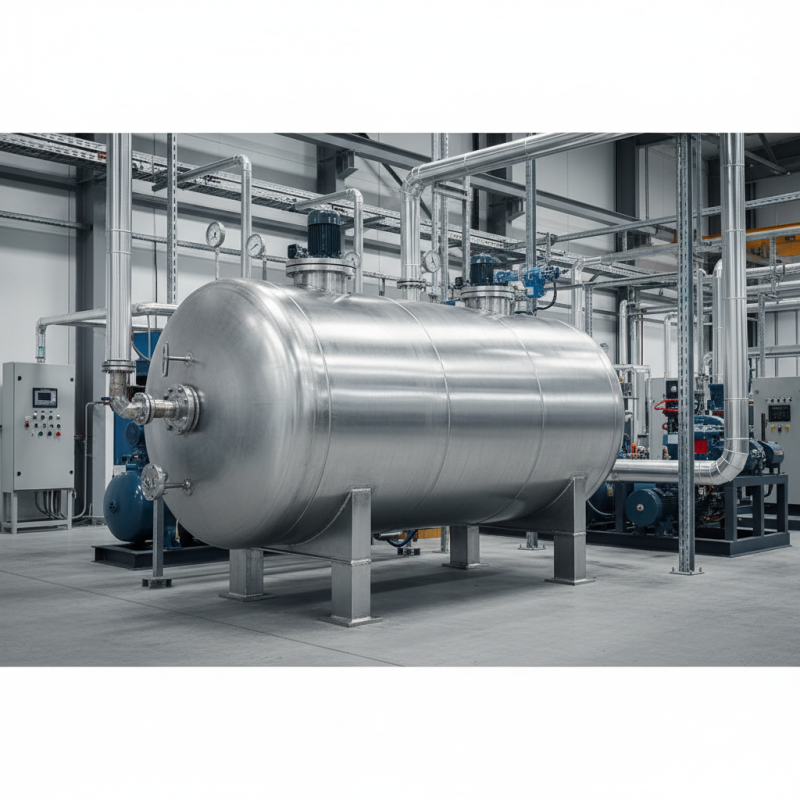
Essential Aspect of Air Receiver Vessel Design and Construction
The design and construction of air receiver vessels are critical in ensuring efficiency and safety in compressed air systems. A well-constructed air receiver vessel not only serves as a reservoir for compressed air but also helps in regulating pressure fluctuations and ensuring a steady supply to downstream equipment. According to a recent industry report, properly designed air receivers can enhance energy efficiency by up to 20%, highlighting the importance of considering essential features during the design phase.
One of the fundamental aspects of air receiver vessel design is the material selection, which affects durability and corrosion resistance. Typically, vessels are constructed from carbon steel, stainless steel, or aluminum, with carbon steel often being the preferred choice due to its balance of strength and cost-effectiveness. However, for specific environments prone to corrosion, such as marine or humid conditions, stainless steel or coated carbon steel may be imperative. Additionally, the design must accommodate varying pressure ratings, with many standards recommending a minimum factor of safety of 1.5 times the maximum operating pressure to safeguard against potential ruptures.
Another vital feature is the incorporation of safety devices such as pressure relief valves and level indicators. These components are essential for monitoring the operational safety of the vessel. The American Society of Mechanical Engineers (ASME) mandates the inclusion of safety valves to prevent over-pressurization, a leading cause of vessel failure. Furthermore, accurate level indicators are crucial for monitoring the volume of compressed air in the system, preventing situations that could lead to compressor overloads or inadequate supply. By focusing on these essential design and construction elements, manufacturers can enhance performance and safety, ensuring reliable operation within various industrial applications.
Top 10 Essential Features of Air Receiver Vessels You Must Know
| Feature | Description | Importance | Material Used |
| Pressure Rating | The maximum pressure the vessel can safely hold. | Ensures safety and integrity under high pressure. | Carbon Steel, Stainless Steel |
| Capacity | Volume of air the vessel can store, typically measured in liters or cubic feet. | Determines the amount of compressed air available for use. | Carbon Steel, Aluminum |
| Safety Valve | A fail-safe mechanism that releases excess pressure. | Critical for preventing explosions or vessel failure. | Bronze, Stainless Steel |
| Drain Valve | Used to remove condensate that accumulates inside the vessel. | Maintains efficiency and prolongs lifespan of the vessel. | Brass, Stainless Steel |
| Inspection Ports | Access points for maintenance and internal inspections. | Allows for regular checks and maintenance, ensuring safety. | Steel, Aluminum |
| Heat Exchanger | Device to manage air temperature, preventing overheating. | Improves efficiency and reduces wear on equipment. | Copper, Aluminum |
| Mounting Options | Different configurations for installation (e.g., vertical or horizontal). | Maximizes space utilization and accessibility. | Steel |
| Corrosion Resistance | Material properties to prevent rust and deterioration. | Enhances lifespan and reliability of the vessel. | Coated Steel, Stainless Steel |
| Certification | Compliance with industry standards (e.g., ASME). | Validates safety and performance of the vessel. | Varies by manufacturer |
| Compact Design | Smaller footprint for limited installation spaces. | Facilitates easier installation in tight environments. | Steel, Composite Materials |
Understanding Maximum Operating Pressure and Its Importance
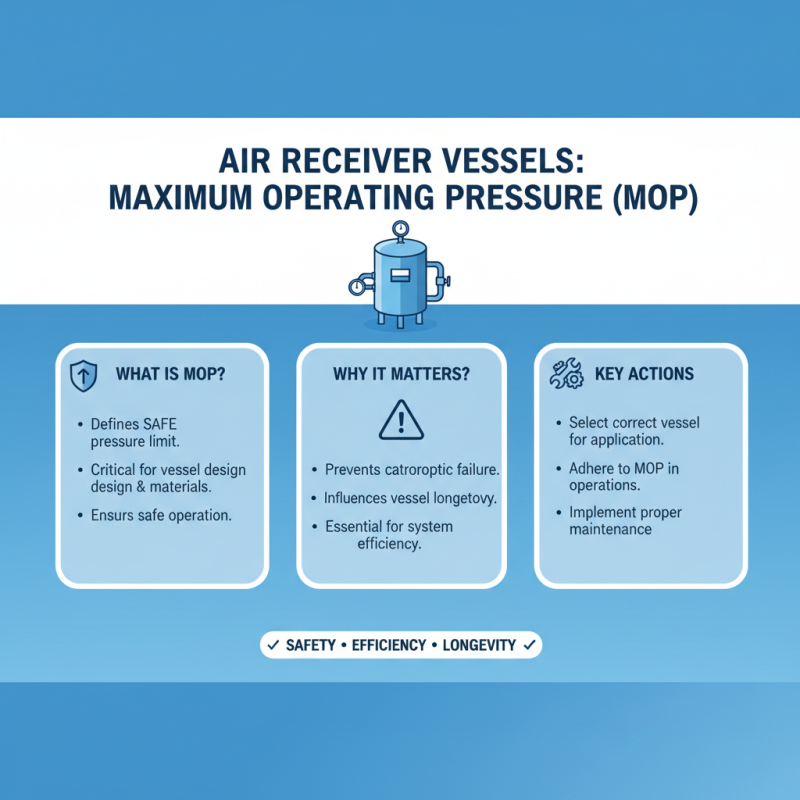
The maximum operating pressure (MOP) of air receiver vessels is a critical specification that defines how much pressure the vessel can safely handle during operation. Understanding MOP is essential for ensuring the safety and efficiency of air systems, as it directly influences the design, materials used, and overall longevity of the vessel. When an air receiver is operated at or beyond its MOP, there is a heightened risk of failure, which can lead to catastrophic incidents. Hence, thorough knowledge of MOP helps in choosing the right vessel for specific applications and in implementing proper maintenance practices.
Furthermore, MOP plays a significant role in regulatory compliance and safety standards within various industries. Manufacturers and operators must adhere to established guidelines that dictate the maximum pressure limits, thus ensuring that their air receiver vessels are fit for purpose. Regular inspections and pressure testing are essential components in upholding MOP standards, providing assurance that the vessel remains within safe operating conditions. By prioritizing the understanding and management of MOP, businesses can minimize risks while optimizing performance, leading to more efficient operations and reduced downtime.
Importance of Material Selection for Air Receiver Vessels
The selection of materials for air receiver vessels is a critical factor that can significantly impact their performance, safety, and longevity. Air receiver vessels are designed to store compressed air, which can be used across various industrial applications, and the right material must withstand not only the internal pressure but also the environmental conditions they will encounter. Common materials like carbon steel or stainless steel are often employed due to their mechanical properties and resistance to wear and corrosion. Choosing a material that is not only durable but also appropriate for the specific operational environment will ensure that the vessel maintains its integrity over time.
Tips: When selecting materials, consider factors such as the temperature range, potential exposure to corrosive substances, and the overall pressure requirements of your application. Conducting a thorough risk assessment can highlight any special requirements for material selection.
Furthermore, the fabrication process and finishing of the materials also play a vital role. Techniques such as surface treatment can enhance the corrosion resistance of the air receiver vessels, ensuring they perform efficiently and safely throughout their service life. A focused approach towards material selection can help prevent issues such as leaks and ruptures, which are not only costly but can pose significant hazards within the workplace.
Tips: Collaborate with material specialists during the planning phase to ensure that the chosen materials align with both industry standards and specific project needs. Regular maintenance checks will also help identify any early signs of wear or corrosion, extending the lifespan of the vessel.
Key Safety Features: Pressure Relief Valves and Their Regulations
Pressure relief valves are critical safety features in air receiver vessels, serving as the first line of defense against overpressure conditions. According to industry data, approximately 70% of failures in air compressor systems are due to lack of proper pressure regulation and monitoring. These valves are designed to automatically release excess pressure, thus preventing potential catastrophes such as vessel rupture or explosions. Safety standards, such as the American Society of Mechanical Engineers (ASME) Boiler and Pressure Vessel Code, mandate the installation of pressure relief valves for all pressurized systems, emphasizing their importance in maintaining operational safety.
Regulatory guidelines also dictate the proper sizing and installation of pressure relief valves to ensure effectiveness. For example, the National Fire Protection Association (NFPA) outlines specific calculations to determine the necessary relief capacity based on the maximum allowable working pressure (MAWP) and the volume of the air receiver vessel. Industry reports indicate that proper compliance with these standards can reduce the risk of incidents by up to 50%, highlighting the essential role these components play in the overall safety framework of compressed air systems. As air receiver vessels continue to be widely utilized across various sectors, the emphasis on incorporating reliable pressure relief mechanisms cannot be overstated.
The Role of Inspection and Maintenance in Vessel Longevity
Inspection and maintenance are critical components in ensuring the longevity of air receiver vessels. These vessels, which store compressed air, operate under high pressure and are subject to various operational stresses. Regular inspections allow for the early detection of potential issues such as corrosion, leaks, or mechanical wear that could compromise their integrity and performance. During these inspections, technicians evaluate the vessel's external and internal conditions, checking for any signs of deterioration that could lead to catastrophic failures if left unaddressed.
Moreover, a well-structured maintenance program can significantly extend the lifespan of air receiver vessels. This includes routine cleaning, repairs, and necessary upgrades to meet evolving safety standards and operational requirements. Implementing preventive maintenance schedules not only minimizes downtime but also enhances operational efficiency. By addressing maintenance needs proactively, industries can ensure seamless operations while safeguarding their assets, ultimately leading to cost savings and improved safety in their workplaces. Regular training for personnel involved in these processes is equally important, as it ensures that they are informed about the latest best practices in vessel care and safety compliance.
Impact of Size and Capacity on Performance and Efficiency
The size and capacity of air receiver vessels play a crucial role in their overall performance and efficiency. A larger vessel typically allows for greater storage of compressed air, which can help in smoothing out the demand fluctuations in a system. By acting as a buffer, the vessel can accommodate high-demand surges, reducing the workload on compressors and enhancing their longevity. Furthermore, adequate sizing minimizes the cycle time of compressors, leading to energy savings and improved operational efficiency.
Conversely, an undersized air receiver can result in poor system performance. It may lead to frequent compressor cycling, which not only increases wear and tear but also causes a drop in air pressure during peak usage. This can negatively impact the machinery relying on compressed air, leading to potential downtime and loss of productivity. Therefore, it is essential to carefully assess the application's requirements and choose an air receiver vessel with appropriate size and capacity to ensure optimal performance and efficient operation.
Compliance with ASME Standards for Air Receiver Vessels
When considering the essential features of air receiver vessels, understanding compliance with ASME (American Society of Mechanical Engineers) standards becomes paramount. ASME standards ensure that air receiver vessels are designed, constructed, and maintained to promote safety and efficiency in their operation. The adherence to ASME Code, particularly Section VIII, outlines the specifications for pressure vessels, including materials, design calculations, testing procedures, and inspection protocols. This framework plays a crucial role in safeguarding both the equipment and the personnel involved in their use.
Moreover, compliance with these standards is not merely a regulatory requirement but is integral to enhancing the operational reliability of air receiver vessels. ASME-compliant vessels are subjected to rigorous testing processes, including hydrostatic tests, which ensure that they can withstand the pressures encountered in typical working conditions. By adhering to these stringent guidelines, manufacturers contribute to reducing the risks of failure, thereby promoting a safer working environment. Additionally, regular inspections and maintenance aligned with ASME standards further ensure the longevity and efficiency of air receiver vessels, making them a critical component in any compressed air system.
Innovative Approaches to Custom Non-Standard Pressure Vessel System Solutions for Diverse Industrial Applications
In the realm of industrial applications, the demand for non-standard pressure vessel systems is on the rise, driven by the need for tailored solutions that can adapt to diverse operational requirements. Innovative approaches in this field have revolutionized how industries such as energy, chemicals, and biopharmaceuticals handle their unique challenges. By focusing on customized designs, these solutions not only meet the rigorous standards of safety and efficiency but also enhance overall productivity.
Leveraging advanced technologies, companies have developed cutting-edge systems that integrate research and development with precision manufacturing. With a design accuracy of ±0.5mm and a remarkable efficiency improvement of 40% over traditional methods, these systems offer significant benefits for non-standard equipment. Utilizing a three-dimensional parametric design platform allows for structural simulations and process optimizations that cater specifically to complex designs like adsorption tanks and reactors. This level of sophistication ensures that the unique needs of each sector are addressed, resulting in enhanced operational performance and reliability in demanding environments.
The shift towards customized pressure vessel solutions not only reflects technological advancements but also highlights the importance of understanding specific industrial applications. As industries continue to evolve, embracing innovative design methodologies will remain pivotal in delivering effective and efficient solutions that drive success across various sectors.
FAQS
: The primary function of an air receiver vessel is to act as a reservoir for compressed air, helping to regulate pressure fluctuations and ensure a steady supply to downstream equipment.
Material selection is important because it affects the durability and corrosion resistance of the vessels. Common materials include carbon steel for its cost-effectiveness and strength, while stainless steel is preferred in corrosive environments.
Essential safety measures include the incorporation of pressure relief valves and level indicators to monitor operational safety and prevent over-pressurization.
The recommended safety factor is a minimum of 1.5 times the maximum operating pressure to safeguard against potential ruptures.
Regular maintenance, including inspections and repairs, allows for the early detection of issues such as corrosion or leaks, which helps prolong the lifespan and performance of the vessels.
Regular inspections are crucial for detecting potential problems early on, ensuring the vessels maintain their integrity and performance, and preventing catastrophic failures.
Preventive maintenance minimizes downtime and enhances operational efficiency by proactively addressing maintenance needs and ensuring compliance with safety standards.
Training is important to keep personnel informed about the latest best practices in vessel care and safety compliance, which is vital for maintaining equipment effectively.
Properly designed air receivers can enhance energy efficiency by up to 20%, making them an integral part of optimizing compressed air systems.
Neglecting maintenance and inspections can lead to severe issues such as equipment failure, safety hazards, increased downtime, and higher operational costs.
Conclusion
An Air Receiver Vessel is a critical component in compressed air systems, designed to store and regulate air for various industrial applications. The design and construction of these vessels must adhere to specific standards to ensure safety and efficiency. Understanding the maximum operating pressure is vital, as it directly impacts the performance of the vessel. Moreover, material selection plays a significant role in durability and resistance to corrosion.
Safety features, particularly pressure relief valves, are essential to prevent over-pressurization and ensure compliance with regulations. Regular inspection and maintenance further extend the longevity of the Air Receiver Vessel, while proper sizing and capacity considerations enhance overall performance efficiency. Compliance with ASME standards is crucial to guarantee that the vessel operates safely within specified parameters, making knowledge of these essential features indispensable for anyone involved in the design, operation, or maintenance of air receiver systems.