In the fast-changing world of industrial manufacturing, picking the right Pressure Vessel Tank really matters if you want things to run smoothly and stay safe. Did you know that, according to Research and Markets, the global market for these tanks is expected to hit around USD 34 billion by 2027? That just goes to show how much folks are looking for reliable and efficient storage options these days. As companies push for better energy savings and a greener planet, Hebei Hongke Qingneng Environmental Protection Equipment Co., Ltd. is right there leading the charge. They're all about developing new, innovative equipment designed for these very goals. Our company started back in June 2021, right in the Sanhe Economic Development Zone of Langfang City, and we totally get how tricky it can be to choose a pressure vessel tank that fits your specific needs while also ticking all the safety and regulatory boxes. In this post, I’ll share ten key tips to help you make smarter, more confident decisions when choosing your pressure vessel tank—trust me, it's worth knowing these before making that buy!
Understanding Your Requirements: Defining Pressure Vessel Applications and Specifications
Picking out the right pressure vessel tank isn’t something you want to rush into without really knowing what your specific needs are. First off, it’s super important to figure out what exactly you’re gonna use the tank for. I came across a recent report by Research and Markets that says the global market for pressure vessels is expected to hit around $18.9 billion by 2027 — mainly fueled by industries like oil & gas, chemicals, and power generation. That means every application has its own set of requirements, like pressure ratings, materials, and design standards — all of which are key for keeping things safe and running smoothly.
But it's not just about the size or capacity, right? Regulations matter too. For example, the American Society of Mechanical Engineers (ASME) has pretty strict standards that pressure vessels need to meet, especially if you’re dealing with hazardous stuff. And don’t forget to think about the environment where the tank will be working—things like corrosion resistance and heat tolerance can really make or break how long your tank lasts. In the end, choosing the right tank is more than just finding something that fits; it’s about making sure the vessel’s specs match up perfectly with what your operation requires so you avoid costly mishaps and stay on the right side of safety rules.
10 Essential Tips for Selecting the Right Pressure Vessel Tank for Your Needs
| Tip Number | Tip Description | Considerations | Common Applications |
| 1 | Determine Intended Use | Understand the environment where the vessel will operate. | Storage of gases, liquids. |
| 2 | Assess Pressure Requirements | Consider maximum operating pressures. | Chemical processing, power generation. |
| 3 | Select Materials Wisely | Choose materials compatible with the contained substances. | Water treatment, cryogenic applications. |
| 4 | Evaluate Size and Capacity | Establish how much volume is needed. | Food and beverage, pharmaceuticals. |
| 5 | Understand Regulatory Standards | Compliance with local, national codes. | Industrial applications |
| 6 | Plan for Installation and Maintenance | Consider ease of access for servicing. | Oil and gas, waste management. |
| 7 | Incorporate Safety Features | Safety valves, pressure gauges. | Chemical storage, HVAC systems. |
| 8 | Consider Thermal Insulation | Insulation based on temperature control needs. | Cryogenics, food processing. |
| 9 | Review Cost-effectiveness | Balance between quality and budget. | Various industrial sectors. |
| 10 | Seek Professional Consultation | Engage experts for recommendations. | All applications requiring precision. |
Exploring Material Options: Choosing the Right Metal for Your Pressure Vessel Tank
Choosing the right pressure vessel tank isn’t just about picking any random material — it’s really about finding something that’s safe, efficient, and built to last. Lately, there’s been some pretty exciting progress with new materials, especially with fiber-reinforced composites. These materials are getting a lot of attention, especially in high-stakes fields like aerospace and auto manufacturing. The cool part? They can be lighter and tougher than traditional metals. Some studies even suggest that fiber-reinforced composites can cut weight by up to 30%, which is a game-changer when every kilo counts.
On top of that, when we talk about hydrogen storage, it really puts the spotlight on how crucial the right materials are for energy. Comparing metals, polymers, and composite options for storing liquid organic hydrogen carriers (LOHC), it looks like lighter materials could offer some pretty big benefits over their lifespan. For example, a company like Hebei Hongke Qingneng Environmental Protection Equipment has been emphasizing the importance of using advanced materials in pressure vessel design to save energy and reduce overall impact. By considering these innovative materials, industries aren’t just making things more efficient — they’re also helping out with bigger environmental goals. So yeah, picking the right material isn’t just good for business — it’s a smart move for the planet too.
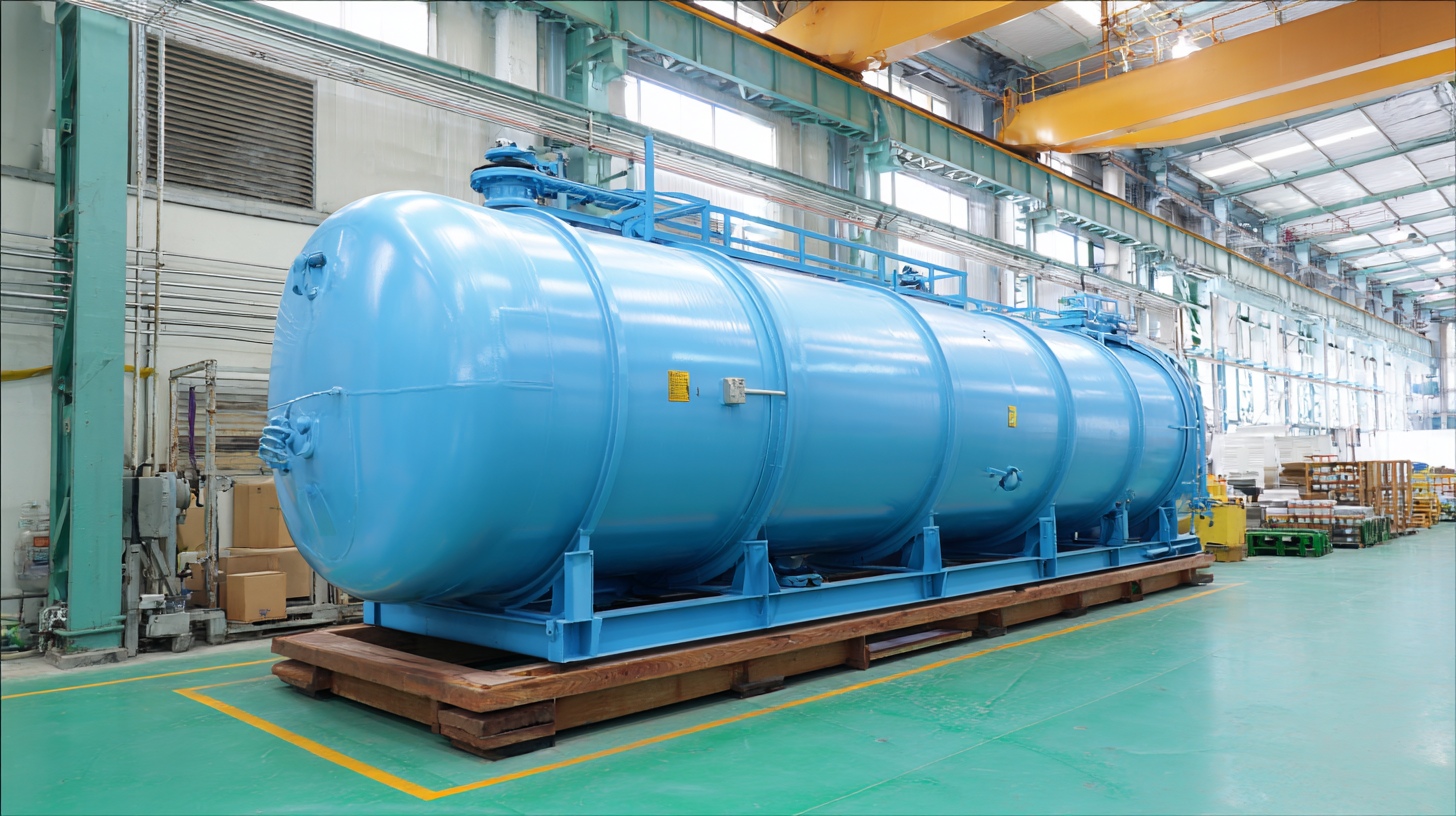
Size Matters: How to Determine the Appropriate Capacity for Your Needs
When you're trying to pick out the right pressure vessel tank, understanding its capacity is a big deal. The first thing you want to do is get a good grasp on what you currently need and what you might need down the road. Think about the types of materials you're planning to store or move around—and how much of them. For example, if you're dealing with chemicals, it's not just about the volume but also how dense those chemicals are. That info will help you choose the right size and make sure the tank can handle everything safely without being overworked.
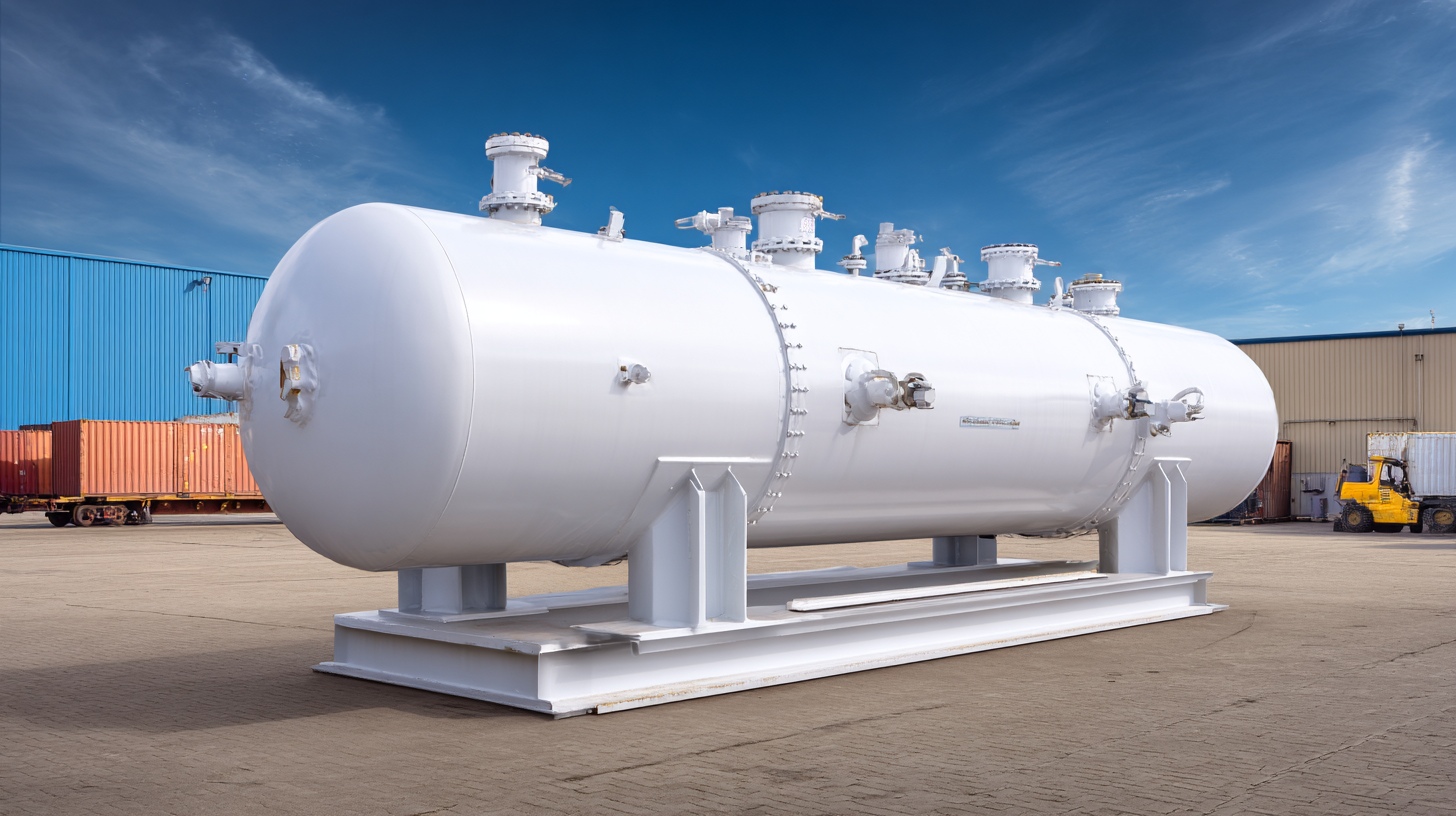
On top of that, don’t forget to consider any rules or industry standards that might specify certain sizing. Safety compliance isn’t optional, and using a tank that's too small could lead to over-pressurization and some serious hazards. Also, it's smart to think about your facility layout and where you'll be installing the tank—make sure there's enough room for easy access and maintenance. By taking all these factors into account, you’ll be much better equipped to pick a pressure vessel tank that really fits your needs, without any unnecessary hassle.
Pressure Ratings and Safety Standards: Ensuring Compliance and Reliability
When you're choosing a pressure vessel tank, it’s really important to understand the pressure ratings and safety standards involved. Basically, the pressure rating tells you the maximum pressure the tank can handle safely during operation. This is super crucial because it helps ensure both the safety of the tank itself and everything around it. Usually, these tanks are built according to specific standards set by organizations like the ASME (American Society of Mechanical Engineers) or the API (American Petroleum Institute). Following these standards means the vessel should hold up well even under high-pressure situations. Ignoring these ratings could lead to serious failures, which could be dangerous and costly to fix.
On top of that, it’s equally important to be aware of the relevant safety standards to stay compliant and make sure your tank’s reliable. Regulations can change depending on where you are and what you’re using the tank for — whether it’s chemicals, gases, or other stuff. Getting familiar with both local and international standards will help you pick a tank that’s up to code and safe to use. And don’t forget, regular inspections and certifications are key to keeping the tank in good shape over time, helping you avoid potential hazards. By keeping these things in mind, you can make smarter choices and pick a pressure vessel that really fits your needs — both operational and safety-wise.
Cost Considerations: Balancing Quality and Budget in Pressure Vessel Selection
When you're picking out the right pressure vessel tank, it’s pretty important to think about cost — not just the sticker price, but also what it’s gonna cost you in the long run. Honestly, it’s a bit of a balancing act: you need to weigh the upfront expense against ongoing costs like maintenance, safety standards, and how efficient it is. Sure, going for the cheapest option might seem like a smart move at first, but trust me, that often backfires. Over time, you could end up spending way more on repairs, dealing with unexpected downtime, or even facing fines for not meeting regulations. Putting a bit more into a quality tank that ticks all the industry boxes might seem costly upfront — but it can actually save you a big headache (and wallet) later on by preventing failures and ensuring everything's up to code.
And don’t forget about the whole lifecycle, too. You wanna think about operational costs, energy bills, and whether you might need to upgrade or tweak things as your business grows. Sometimes, sinking more money in initially means you get a tank that’s tougher, lasts longer, and works better. That means fewer interruptions and lower energy use over time. Also, it’s worth checking out financing options or incentives for green tech — these can help make the initial cost more manageable while also being good for the planet. Bottom line? Finding that sweet spot between quality and budget is what will help you make a smart, informed choice that benefits your business in the long run.
Cost Considerations in Pressure Vessel Selection
This chart illustrates the various cost components associated with selecting a pressure vessel tank. Understanding the allocation of costs can help balance quality and budget effectively in your purchasing decision.
Maintenance and Lifespan: What to Look for in Durable Pressure Vessel Tanks
When you're picking out a pressure vessel tank, it’s really important to think about how long it’ll last and how easy it will be to keep in good shape. Tanks made from tough, high-quality materials tend to handle rough conditions better and last longer. Plus, doing regular maintenance—like inspections, leak checks, and following what the manufacturer recommends—can really make a difference in extending their lifespan. It’s also a smart move to go for tanks backed by strong warranties or from trusted brands; that way, you’re more likely to get reliable performance down the line.
At Hebei Hongke Qingneng Environmental Protection Equipment Co., Ltd., we focus on providing cutting-edge pressure vessel tanks that are all about saving energy and protecting the environment. We started back in June 2021, and our dedication to R&D means our products don’t just meet industry standards—they often go beyond by being super durable and efficient. We put a lot of effort into designing innovative solutions with top-notch materials, so you get tanks that don’t need a lot of fuss to keep running smoothly but still perform like a champ in all kinds of industrial settings. When it comes to choosing the right tank, pick smart—because a good one is an investment in both longevity and peace of mind.
Innovative Approaches to Custom Non-Standard Pressure Vessel System Solutions
In the world of industrial manufacturing, the demand for custom non-standard Pressure Vessel Systems has been on the rise. Industries ranging from energy and chemicals to biopharmaceuticals are increasingly looking for tailored solutions that not only meet their specific requirements but also adhere to the highest safety and performance standards. Our decade-long commitment to this field has positioned us at the forefront of innovation, enabling us to offer cutting-edge pressure vessel solutions that are both versatile and reliable.
Central to our innovative approach is a sophisticated three-dimensional parametric design platform that we have independently developed. This state-of-the-art technology allows us to conduct precise structural simulations and optimize processes for various non-standard equipment, including adsorption tanks and reactors. With an impressive design accuracy of ±0.5mm, we achieve a 40% increase in efficiency compared to traditional methods. This means that our clients benefit from faster turnaround times and greater reliability in their operations, all while complying with stringent national pressure vessel design qualifications (A2/D1/D2 category).
Our focus on research and development, paired with precision manufacturing and intelligent service, enables us to integrate complex systems seamlessly. By understanding the unique challenges faced by different industries, we craft customized pressure vessel solutions that drive operational excellence and safety. As we continue to push the boundaries of what's possible in this space, we remain committed to delivering high-end equipment solutions tailored to meet the specific needs of our diverse clientele.
FAQS
: It's important to evaluate the initial purchase price against long-term costs such as maintenance, safety standards, and efficiency. Cheaper options may lead to higher expenses over time.
The total lifecycle cost includes operational costs, energy efficiency, and potential upgrades or modifications as your business grows, indicating that a higher upfront investment can lead to better durability and performance.
Investing in quality tanks that meet industry standards can save money in the long run by reducing the risk of repairs, downtime, and regulatory fines.
Regular maintenance, routine inspections, and adherence to manufacturer guidelines are crucial to extend the lifespan of pressure vessel tanks.
Durable pressure vessel tanks are typically constructed from high-quality materials that can withstand harsh operating conditions.
Opt for tanks that come with robust warranties and are manufactured by reputable companies to enhance long-term reliability.
Advanced pressure vessel tanks designed for energy conservation and environmental protection result in minimal maintenance needs while providing maximum performance.
Yes, exploring financing options and potential incentives for eco-friendly technologies can help mitigate initial costs while promoting sustainability.
Focus on innovative designs and high-quality materials that require minimal maintenance and provide superior durability and efficiency.
Regular maintenance is essential for extending the lifespan of pressure vessel tanks, helping to prevent issues and ensure safe operation.
Conclusion
Choosing the right pressure vessel tank for your specific needs is really important—not just for safety, but also to make sure everything runs smoothly and meets all the standards. Think about what you actually need the tank for, and get clear on the specs that matter most. Picking the right material is a big deal too — the kind of metal you choose can really affect how long the tank lasts and how well it performs. Don't forget to consider size and capacity; you want a tank that can handle your operational demands without being too big or too small.
On top of that, it's a good idea to look at the pressure ratings and safety standards to make sure everything's up to code and reliable. Honestly, while it might be tempting to go for the cheapest option, investing in a quality pressure vessel tank can save you headaches down the road — it’ll last longer and need fewer repairs. And of course, think about maintenance. A tank that’s easy to care for will stay efficient and reliable throughout its lifespan.
Here at Hebei Hongke Qingneng Environmental Protection Equipment Co., Ltd., we really focus on crafting dependable pressure vessel solutions. We’re all about supporting industries that prioritize energy conservation and protecting the environment — so you can count on us to help you find the right fit.