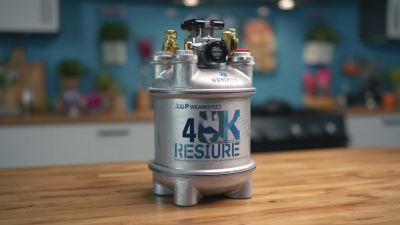
You know, as industries all around the world are starting to make the shift towards more sustainable practices, the need for fresh, innovative solutions is more urgent than ever. Looking ahead to 2025, the Polish Vessel sector is really on the brink of some exciting changes, mainly because of stricter regulations that are coming down the pike to help cut down on our environmental footprint and boost energy efficiency. A recent report from Allied Market Research shows that the global market for environmental protection is set to skyrocket to about $1,640 billion by 2027, with big money flowing into energy-saving technologies. Here at Hebei Hongke Qingneng Environmental Protection Equipment Co., Ltd., which we kicked off in June 2021, we're all about pushing the envelope in research and development in this space. Our spot in the Sanhe Economic Development Zone of Langfang City really allows us to jump into these industry shifts, as we work on creating top-notch Polish Vessels that are in tune with the future of eco-friendly innovation.
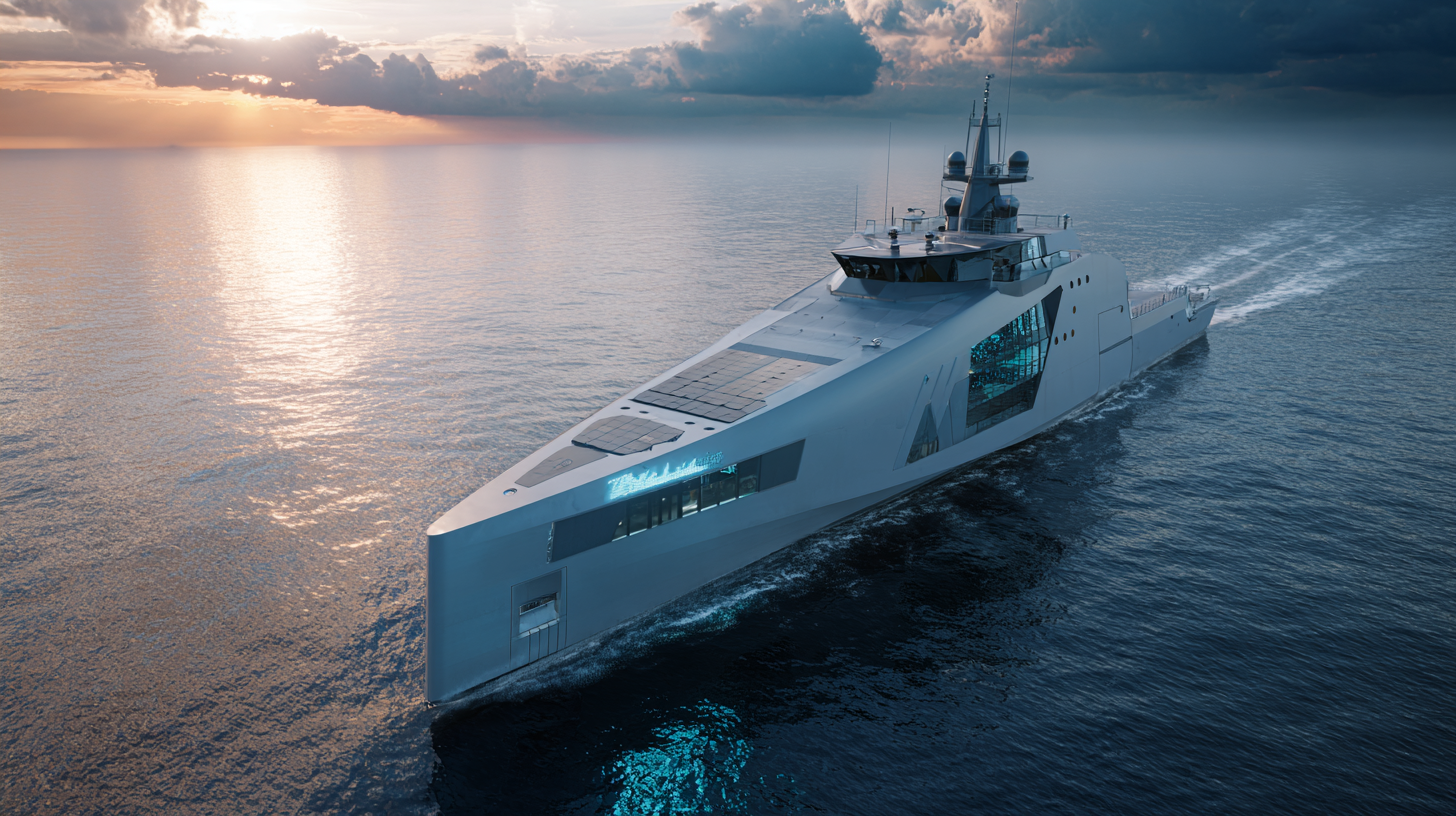
Exploring the Latest Materials Transforming Polish Vessel Design for 2025
Looking ahead to 2025, the Polish vessel industry is really gearing up for some exciting changes. We've got these cutting-edge materials coming into play that are not just boosting performance but also making strides towards sustainability. A recent market analysis from Smith & Co. predicts that the use of advanced composites will jump by about 40% over the next couple of years. Why? Well, these materials are super lightweight and stand tough against corrosion, which means vessels can last longer and need less upkeep—a total win-win!
One of the coolest developments happening right now is the use of bio-based materials like flax and hemp fibers. These are starting to catch on because they’re environmentally friendly. A study by EcoMarine even found that using these materials can help cut carbon footprints by up to 25%! And let’s not overlook the role of nanotechnology; it’s really opening doors for creating stronger, lighter vessels that can handle rougher seas. This is all helping to steer the Polish vessel industry toward a greener future, which is just awesome.
Quick tip: When you're thinking about vessel design, make it a point to connect with suppliers who focus on sustainable materials. Not only does this vibe with global environmental goals, but it can also give your brand a nice boost.
Another tip: Keep an eye on emerging technologies like 3D printing for your vessel parts. This can really slash production time and costs while giving you some cool options for personalized designs.
Key Design Trends Shaping the Future of the Polish Vessel Industry
The Polish vessel industry is really gearing up for some exciting changes in 2025! A bunch of key design trends are coming together to boost efficiency, sustainability, and let’s be honest, just make them look better. So, there's this recent report from the Polish Maritime Economy Institute that says we're going to see a 30% jump in demand for eco-friendly vessel designs in the next couple of years. That's mainly because regulations are tightening up, and consumers are becoming more aware of their environmental footprint. It’s pretty cool to see innovations like hybrid propulsion systems and the use of renewable materials becoming the norm in design. Manufacturers are definitely stepping up their game to keep up with what the market's demanding.
On top of that, tech advancements in automation and digitalization are totally changing the game when it comes to building and operating these vessels. According to that same report, almost 70% of Polish shipyards are investing in smart tech to improve efficiency and cut down on production costs. Tools like 3D printing and advanced data analytics are really shaking up the design process, allowing for quicker prototyping and customization. With all these trends in play, the Polish vessel industry isn’t just boosting its competitive edge locally; it’s actually setting some big benchmarks on the global stage. Honestly, the mix of sustainability and technology is going to shape the future of vessel design and manufacturing in Poland like never before.
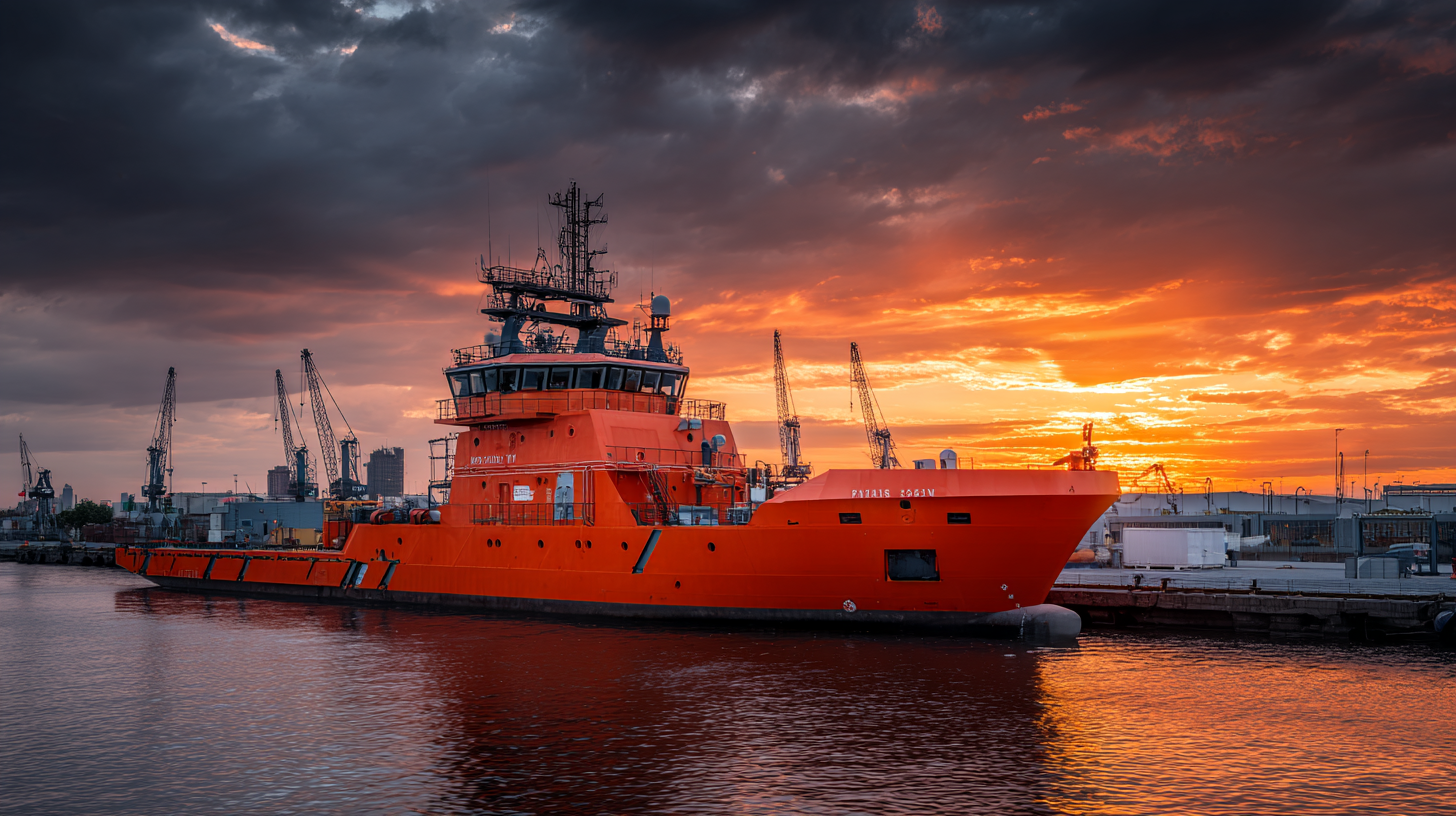
How Smart Technology is Revolutionizing Polish Vessel Operations in 2025
You know, the maritime industry is really going through some exciting changes right now, and a lot of it has to do with the amazing advancements in smart technology. As we set our sights on 2025, it’s pretty clear that Polish vessel operations are about to undergo a big transformation—think better efficiency and safety in so many different areas. We’re talking about everything from self-driving navigation systems to super smart fleet management software. Trust me, these new tech trends are going to change the way ships operate on the water completely.
One of the coolest things we’re going to see is the rise of Internet of Things (IoT) devices. These nifty sensors are going to gather real-time data on how vessels are performing and the conditions around them. This way, operators can make smart decisions instantly! Plus, with the help of artificial intelligence, predictive maintenance will become a thing of the norm, cutting down on downtime by nipping potential issues in the bud before they turn into major problems. Not only does this mean smoother sailing—pun intended—but it also helps keep costs down and makes everything safer.
And let’s not forget about blockchain technology—it’s going to make supply chain processes much more efficient and keep everything secure when it comes to vessel transactions. This kind of transparency is crucial for building trust among everyone involved and helps things run much more smoothly. As Polish ships hop on board with these tech advancements, they’re not just upping their game operationally but also stepping up to support sustainable practices in maritime operations. It’s all part of a bigger push towards more eco-friendly shipping solutions, which is pretty awesome!
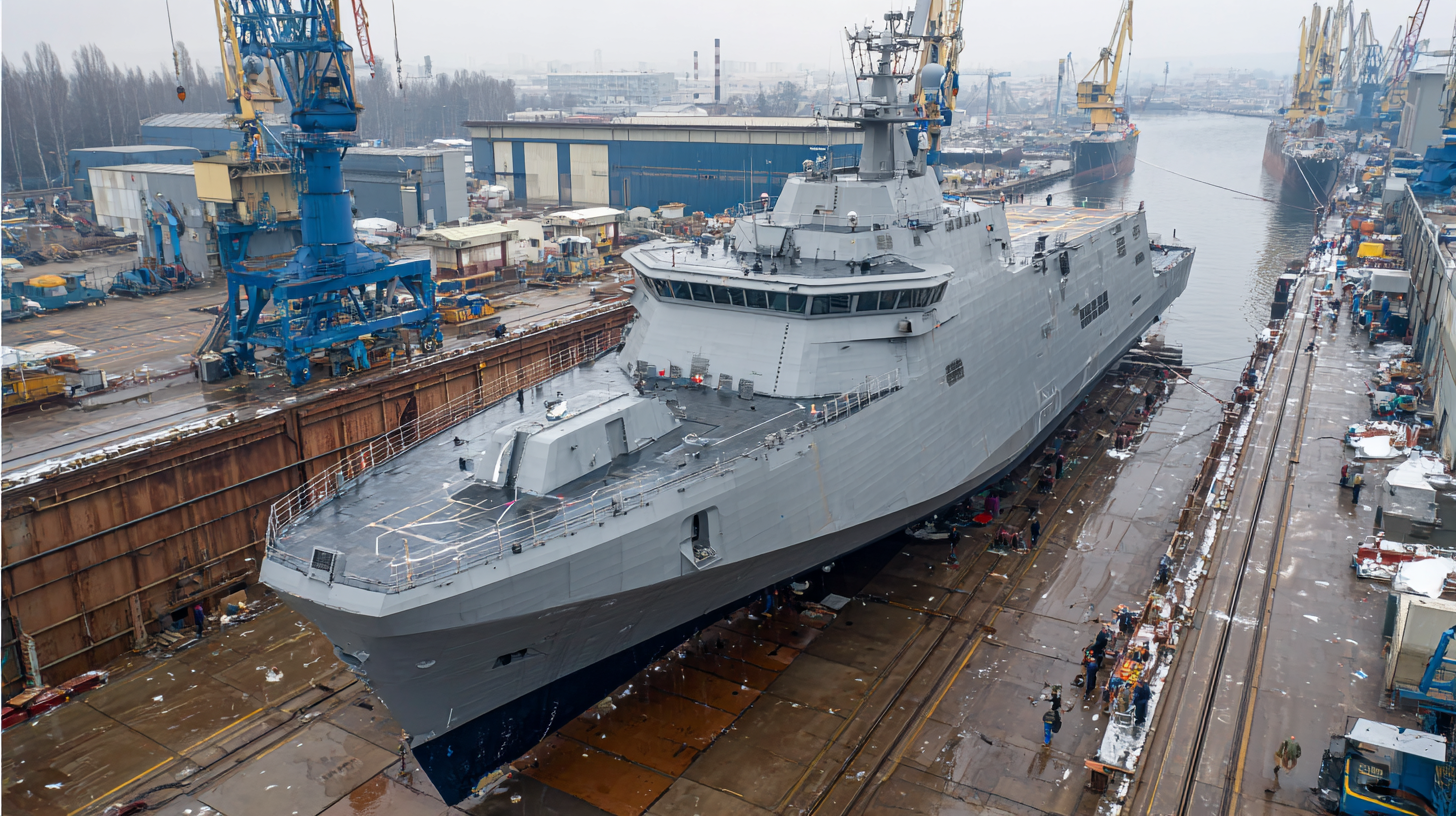
Sustainability Practices Driving Innovation in Polish Vessel Manufacturing
You know, the vessel manufacturing industry is really going through some exciting changes lately, especially when it comes to sustainability. It’s not just about being green; it’s also a smart business move. By 2025, I think we’ll see Polish vessel manufacturers getting really creative with materials and processes that cut down on environmental impact. They’re already starting to use recycled stuff and focusing on energy-efficient production methods. It’s pretty amazing how these changes are reshaping the entire industry vibe. And the companies are investing a lot in research to make sure their vessels are not only eco-friendly but also high-performing and durable.
One cool trend I’ve noticed is the shift towards using eco-friendly coatings and hull designs that help reduce drag, which boosts fuel efficiency and cuts down emissions. Plus, manufacturers are looking into alternative energy sources like solar and wind to power their facilities. I mean, this approach not only supports global sustainability goals, but it's also what consumers are craving right now—greener products. As the industry continues to evolve, I really think it’s going to be all about teamwork between manufacturers, suppliers, and environmental organizations. That way, the Polish vessel industry can stay competitive while also taking care of our planet.
Emerging Market Insights: What Consumers Want from Polish Vessels in 2025
As we gear up for 2025, it's crystal clear that the demand for innovative polish vessels is about to take off! This surge is mainly fueled by the way consumer preferences are shifting. A recent report from Research and Markets shows that the global market for these polish vessels is expected to grow at a steady 6.5% annually between 2023 and 2028. That’s a solid sign that people really care about quality and functionality these days.
More and more, consumers aren’t just looking for vessels that do the job; they want products that resonate with their values—think sustainability and a sleek, modern design. Pretty interesting, right?
Insights from a consumer trends survey by Mintel reveal that a whopping 75% of potential buyers are all about eco-friendly materials when choosing their polish vessels. Plus, about 62% of the folks surveyed prefer products that can do double duty—highlighting that shift towards versatile items in our homes. So, to meet these evolving needs, manufacturers are diving into innovative materials like biodegradable plastics and glass alternatives. It’s all about creating offerings that hit the mark not just aesthetically but also environmentally. As the landscape shifts, brands that tap into these trends are likely to catch the eye of savvy consumers in 2025.
Innovative Alternatives: Exploring Non-Standard Pressure Vessel System Solutions for Unique Industrial Needs
In the ever-evolving landscape of industrial manufacturing, the demand for bespoke Pressure Vessel solutions is on the rise. As industries become more specialized, the need to address unique operational challenges through innovative alternatives is imperative. At the forefront of this evolution is a commitment to advanced R&D and precision manufacturing techniques that cater to the diverse needs of sectors ranging from energy to biopharmaceuticals.
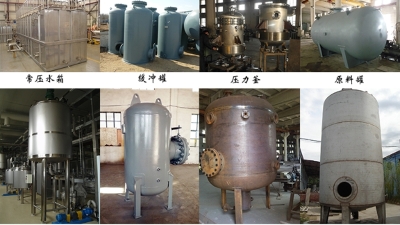
With over a decade of experience in the pressure vessel arena, we have developed a high-end equipment system that seamlessly integrates research and design with intelligent services. Our unique approach includes the establishment of a three-dimensional parametric design platform, enhancing our capability to simulate structures and optimize processes for non-standard equipment like adsorption tanks and reactors. This cutting-edge technology, boasting a design accuracy of ±0.5mm, not only boosts our efficiency by 40% compared to traditional approaches but also allows us to tailor our solutions precisely to the specifications of each client.
By leveraging our national pressure vessel design qualifications (A2/D1/D2 category), we ensure that every project we undertake meets stringent safety and operational standards. This dedication to customization empowers industries to maximize their potential while addressing specific requirements effectively, making us a partner of choice for those navigating the complexities of unique industrial needs.