Leave Your Message
0%

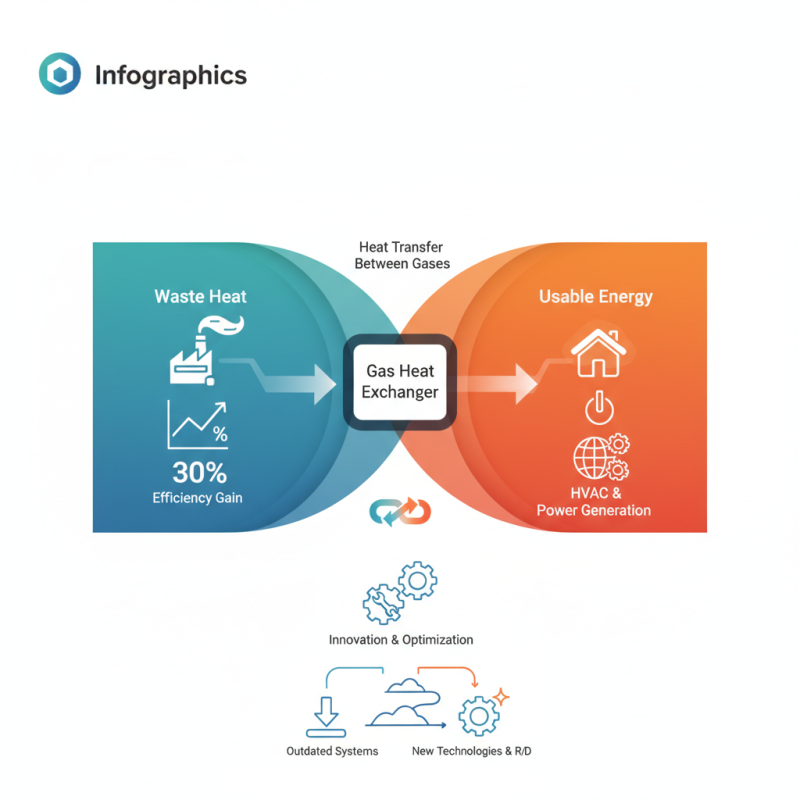
When it comes to boosting energy efficiency, the Gas Heat Exchanger really plays a big part. The U.S. Department of Energy mentions that good heat exchange can improve system efficiency by as much as 30%. Basically, these systems grab waste heat that's normally lost and turn it into useful energy, which is a pretty clever trick. This kind of efficiency boost is super important, especially as industries are always looking to cut costs and cut down emissions.

So, how do Gas Heat Exchangers work? They transfer heat between gases, and you’d find them in all sorts of places like HVAC systems and power plants. Companies like Alpha Energy and Johnson Controls are always pushing the envelope to improve these systems. But, truth be told, there are some hurdles—they can be tricky and expensive to install and maintain.

A lot of regions are still stuck using outdated setups, and honestly, there's a huge opportunity for improvement. New tech could make the whole process simpler and boost how well these systems perform. To really unlock their potential, ongoing research and development is key. As our energy needs keep rising, gas heat exchangers will need to keep evolving if they’re going to meet these new demands effectively.

What is a Gas Heat Exchanger and How Does It Work?

What is a Gas Heat Exchanger?

Gas heat exchangers play a crucial role in energy efficiency. They transfer heat between two fluids, reducing energy costs in various applications. According to the American Society of Heating, Refrigerating and Air-Conditioning Engineers (ASHRAE), these systems can achieve efficiency ratings up to 95%. This means that most of the heat produced can be utilized, minimizing waste.

In essence, a gas heat exchanger utilizes the hot exhaust gases from combustion processes. It captures excess heat and transfers it to incoming cool air or water. This process enhances heating system efficiency significantly. Studies indicate that homes using gas heat exchangers may reduce their energy consumption by about 30%. However, improper installation can lead to reduced efficiency. Regular maintenance is essential. Neglecting this aspect can create safety hazards and limit performance.

Many industrial systems rely on gas heat exchangers, particularly in manufacturing and power generation. These systems often operate under high temperatures and pressures, necessitating robust designs. Nevertheless, there’s a risk of corrosion over time, reducing efficiency. Industries must regularly assess their heat exchangers and assess performance metrics. Using predictive maintenance techniques could improve longevity and reliability. These insights help in refining approaches to energy management across sectors.

The Basic Principles of Heat Exchange

What is a Gas Heat Exchanger and How Does It Work?

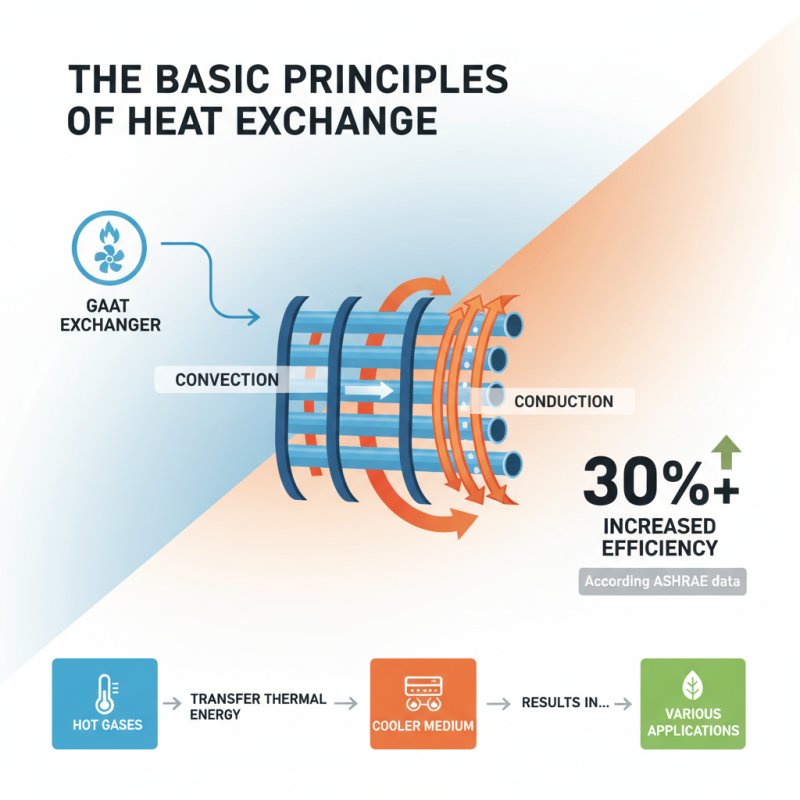
Heat exchangers play a crucial role in various applications by transferring heat from one medium to another. A gas heat exchanger primarily uses the principles of convection and conduction. During operation, hot gases transfer their thermal energy to a cooler medium. As a result, efficiency can increase by up to 30% in some systems, according to the American Society of Heating, Refrigerating and Air-Conditioning Engineers (ASHRAE) data.

The basic principle of heat exchange relies on temperature gradients. Heat flows naturally from hot to cold. A well-designed gas heat exchanger maximizes this flow to enhance energy efficiency. Reports suggest that proper maintenance can improve heat exchanger performance by 15-20%. Regular inspections and cleaning are essential, as deposits can hinder heat transfer and reduce overall effectiveness.

Challenges persist in optimizing these systems. Not all heat exchangers exhibit the same efficiency levels. Some designs may underperform based on environmental factors or operational conditions. Engineers often face trade-offs in design, impacting cost and efficiency. Reflecting on these factors is crucial to achieving optimal performance in gas heat exchangers.

Types of Gas Heat Exchangers

Gas heat exchangers play a vital role in various industrial applications, especially in energy efficiency. Understanding the types of gas heat exchangers enhances our ability to select the right system. For example, the air-cooled heat exchanger is a common type, utilizing ambient air to extract heat from gas. This design is particularly effective in industries like oil and gas, where it remains widely used due to its simplicity and low operational costs.

Another type is the water-cooled heat exchanger. This variant employs water to absorb heat from the gas. Industries often prefer this method due to its higher efficiency in thermal conductivity. However, the implementation of water-cooled systems can be affected by water availability and environmental regulations. Reports indicate that efficient designs could potentially improve energy recovery rates by up to 25%.

While selecting a Natural Gas Heat Exchanger, one must consider variables such as maintenance and operational costs. Each design type has its pros and cons. The choice often depends on factors like local climate and specific industry needs. The complexity of these systems might lead to oversights, especially in maintenance practices. Recognizing the strengths and weaknesses of each type ensures better performance in gas processing applications.

How Gas Heat Exchangers are Constructed

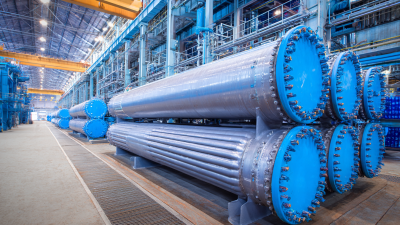
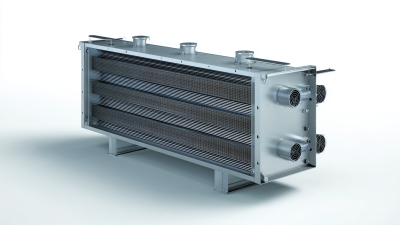
Gas heat exchangers play a crucial role in various heating systems. Their construction directly affects efficiency and performance. Typically, they consist of metal fins and tubes for heat transfer. The most common materials are stainless steel and aluminum due to their durability and thermal conductivity.

In terms of design, a gas heat exchanger often has a compact layout. This allows it to fit into smaller spaces while maximizing surface area for heat transfer. Reports indicate that efficient designs can increase heating efficiency by as much as 15%. However, reliability can degrade over time due to corrosion and build-up. Regular maintenance is essential to ensure optimal performance.

Understanding how these units are constructed helps in selecting the right one. While dimensions and materials matter, airflow design also plays a pivotal role. Inadequate airflow can lead to hot spots, reducing efficiency. Current studies reveal that nearly 20% of heat exchangers underperform due to poor installation practices. Future designs need to address these issues for better long-term reliability.

The Role of Gas Heat Exchangers in HVAC Systems

What is a Gas Heat Exchanger and How Does It Work?

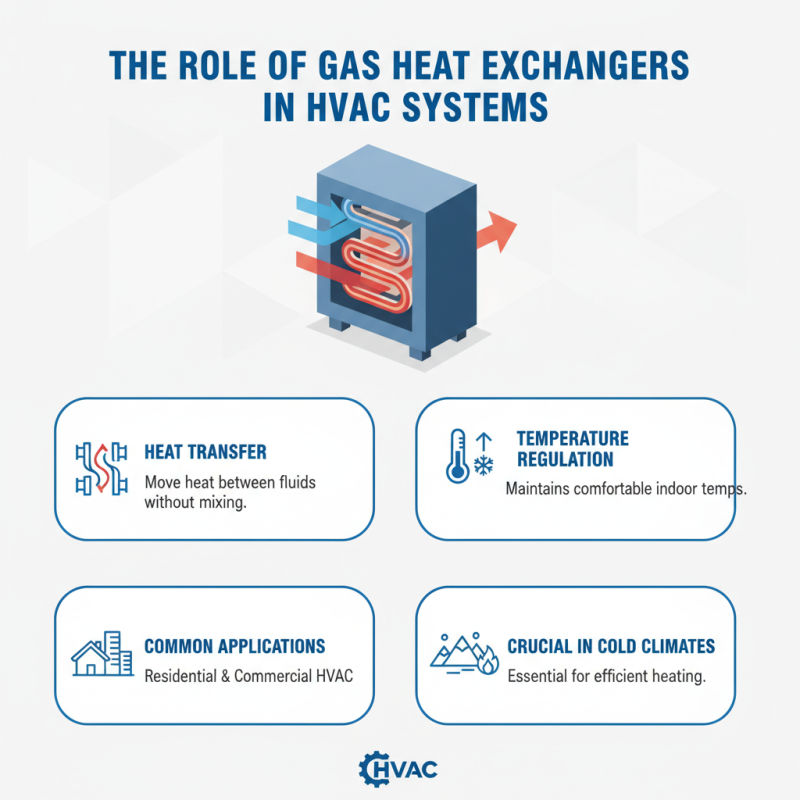
Gas heat exchangers play a vital role in HVAC systems. They transfer heat between two or more fluids without the fluids mixing. This process is efficient and helps regulate indoor temperatures. Gas heat exchangers are common in both residential and commercial setups. Their role is crucial, especially in colder climates where heating is essential.

In HVAC systems, these exchangers use gas burners to warm air. The heated air circulates throughout the building, ensuring comfort. The design of the heat exchanger can vary, but they generally consist of tubes or plates facilitating the heat transfer. Understanding how they work is key to improving system efficiency. Many users overlook maintenance, which can lead to inefficiencies.

Some gas heat exchangers may fail due to corrosion or blockages. Regular checks can help prolong their lifespan. Professionals recommend inspections at least once a year. This proactive approach helps maintain optimal performance. For those seeking quality, a reputable manufacturer like China Top Gas Heat Exchanger Factory is essential. They ensure high standards in production, which enhances reliability and safety in HVAC systems.

Applications of Gas Heat Exchangers in Industry

Gas heat exchangers play a vital role in many industrial applications. These systems transfer heat between two or more fluids without mixing them. In manufacturing, they enhance efficiency by recovering waste heat. This process can significantly lower energy costs. Industries use them in various ways, including heating, cooling, and drying materials.

In the power generation sector, gas heat exchangers help recover heat from exhaust gases. This recovered heat can warm water for processes or preheat combustion air. Refineries also utilize them to improve thermal efficiency. Using gas heat exchangers can result in better output and reduced environmental impact.

China Best Gas Heat Exchanger Factory provides advanced solutions for these needs. Yet, not every installation is straightforward. Each industrial setting presents unique challenges. Factors like fluid properties and temperature differences must be carefully considered. A poorly designed system can lead to inefficiencies or even system failure. Thus, continuous assessment and refinement are crucial in optimizing their performance.

What is a Gas Heat Exchanger and How Does It Work? - Applications of Gas Heat Exchangers in Industry

Application Industry Heat Transfer Efficiency (%) Temperature Range (°C) Common Materials
Process Heating Chemical 85 100-400 Stainless Steel, Copper
Air Preheating Power Generation 90 50-500 Carbon Steel, Alloy Steel
Flue Gas Recovery Manufacturing 80 200-600 Titanium, Nickel Alloys
District Heating Utilities 88 80-250 Copper, Bronze
Industrial Heating Food and Beverage 87 70-300 Aluminum, Stainless Steel

Maintenance and Troubleshooting of Gas Heat Exchangers

Gas heat exchangers are crucial in many heating systems. Regular maintenance is key to their efficiency. Start by inspecting the unit for dirt and debris. Clean the exterior regularly to ensure optimal airflow. Pay attention to any signs of corrosion or wear. They can signal deeper issues that require immediate attention.

Troubleshooting common problems will save time and energy. Listen for unusual noises that may indicate a malfunction. Check the temperature output; if it's inconsistent, the system may need servicing. Ensure all connections are secure. Leaks can lead to significant energy loss. Many rely on local expertise, like a reputable China Top Gas Heat Exchanger Supplier, for guidance and parts.

Don't ignore sensor readings. They provide insights into how well the system operates. If sensors are off, recalibration may be necessary. Document all maintenance activities; this will help identify patterns over time. Sometimes, a simple adjustment can fix a lingering issue. Regularly assessing your gas heat exchanger prevents costly repairs down the road.

Maximizing Efficiency and Sustainability: Overview of Natural Gas Treatment Plant Exhaust Gas Recovery Systems

Natural gas treatment plants are increasingly focusing on enhancing their operational efficiency and sustainability, particularly through the implementation of exhaust gas recovery systems. The treatment of tail gas is crucial to achieving these goals, as it directly impacts both environmental performance and resource utilization. According to industry reports, effective tail gas management can reduce emissions significantly, with some technologies capable of recovering up to 95% of the energy contained in exhaust gases. This not only minimizes waste but also optimizes the overall energy balance of the plant.

The adoption of advanced tail gas treatment technologies, such as washing and burning skids, can provide comprehensive solutions for natural gas treatment facilities. These systems are designed to facilitate the recovery and purification of exhaust gases, enabling industries to transition towards greener production methods. A notable study indicated that implementing these systems can yield substantial economic benefits, with a potential increase in operational efficiency by up to 30%. This is achieved through improved resource recovery and reduced environmental compliance costs, aligning economic incentives with ecological responsibility.

As the natural gas sector continues to evolve, the integration of efficient exhaust gas recovery systems will play a pivotal role in shaping sustainable production practices. By embracing these innovations, companies can not only enhance their productivity but also contribute positively to environmental stewardship efforts. Transitioning towards more sustainable practices is essential, as the industry faces increasing regulatory pressures and growing awareness of climate change implications.

FAQS

: What are gas heat exchangers used for?

: They transfer heat between fluids without mixing. This process enhances energy efficiency in various industries.

How does an air-cooled heat exchanger work?

It uses ambient air to extract heat from gas. This design is simple and cost-effective in many industries.

What factors affect the choice of heat exchanger type?

Local climate, industry needs, maintenance, and operational costs are crucial in selecting the right system.

Why is maintenance important for gas heat exchangers?

Overlooking maintenance can lead to inefficiencies. Regular checks prevent issues like corrosion and blockages.

How does a water-cooled heat exchanger perform?

It absorbs heat from gas with water, often offering higher efficiency. However, water availability can be an issue.

What role do gas heat exchangers play in HVAC systems?

They help regulate indoor temperatures, using gas burners to warm air and circulate it throughout buildings.

What impact do gas heat exchangers have on energy costs?

They recover waste heat, which can significantly lower energy costs. This is beneficial in manufacturing and power generation.

What challenges exist in using gas heat exchangers?

Unique industrial settings come with complexities. Poor designs can cause inefficiencies and system failures.

How often should gas heat exchangers be inspected?

Professionals recommend inspections at least once a year to ensure optimal performance and longevity.

What can improve energy recovery rates?

Efficient designs, when properly maintained, can increase energy recovery by up to 25%. Continuous improvement is essential.

Conclusion

A Gas Heat Exchanger is a crucial component in various heating systems, designed to transfer heat between two gases without mixing them. By utilizing the basic principles of heat exchange, these devices facilitate efficient energy transfer, making them essential in applications ranging from residential HVAC systems to industrial processes. Different types of Gas Heat Exchangers, such as counterflow, parallel flow, and crossflow models, are engineered to meet specific needs and performance requirements.

Constructed with durable materials to ensure longevity and efficiency, Gas Heat Exchangers play a vital role in maintaining optimal indoor climates and reducing energy consumption. Regular maintenance and troubleshooting are necessary to keep these systems operating effectively. Overall, the application of Gas Heat Exchangers across industries highlights their significance in enhancing energy efficiency and contributing to sustainability efforts.

Charlotte

Charlotte

Charlotte is a dedicated marketing professional at Hebei Hongke Qingneng Environmental Protection Equipment Co., Ltd., a company established in June 2021. With a strong focus on the research and development of energy conservation and environmental protection solutions, Charlotte possesses an......
Previous How to Choose a Trusted China High Quality Medical Waste Sterilizer Supplier?