Leave Your Message
0%

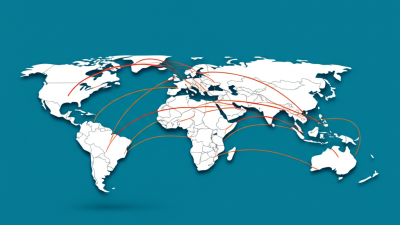
Lately, we’ve seen a pretty big jumpin the demand for Polish Vessels all over the world. What's really driving this trend is a growing awareness aboutprotecting the environment and saving energy. A report from the International Maritime Organization even projects that the market for eco-friendly vessels will grow by about 7% each year! This really shows how the whole industry is making the shift towards more sustainable maritime solutions.

Exploring the Global Market for Best Polish Vessels Quality from China Leads the Way

And right in the mix of this exciting change is Hebei Hongke Qingneng Environmental Protection Equipment Co., Ltd. They started up in June 2021 over in the Sanhe Economic Development Zone of Langfang City. They're really dedicated to R&D and manufacturing, working hard to produce top-notch Polish vessels that not only hit international standards but also play a significant role in cutting down environmental impact.

As this global market keeps expanding, having strategic insights on how to make and deploy these vessels will be super important for industry players looking to succeed.

Understanding Polish Vessels: Materials and Manufacturing Processes

You know, Polish vessels are really something special—everyone talks about their stunning craftsmanship and how tough they are. A big part of that comes down to the materials and the way they’re made. Most of these beauties are crafted from high-quality ceramics, and you’ll often find amazing hand-painted designs that blend both classic and modern artistic styles. The choice of materials, like stoneware and porcelain, is super important because it ensures these pieces aren’t just pretty—they also hold up well for everyday use.

The whole process of making Polish vessels is this perfect mix of old-school techniques and some cool modern twists. You’ve got skilled artisans who carefully shape each piece, often using methods that have been around for ages. The glazing part is particularly fascinating! It’s what gives those vibrant colors and detailed patterns, and it takes multiple rounds in kilns that get seriously hot. This kind of dedication to detail not only makes the vessels eye-catching but also means they’re tough and stand the test of time. No wonder they've become favorites all over the world!

Key Features That Define Quality in Polish Vessels

Lately, there's been a noticeable uptick in the global market for Polish vessels, and a lot of that has to do with China stepping up its game in terms of quality standards. For manufacturers who want to make a mark internationally, really understanding what quality means for Polish vessels is crucial. A recent report from the Global Vessel Quality Association highlighted that things like durability and resistance to corrosion are huge. In fact, high-quality vessels can show as much as 30% less wear and tear in tough environments compared to their lower-quality rivals, which is pretty impressive!

Another big factor is how precisely these vessels are designed and made. A study from the Marine Engineering Journal pointed out that vessels made with cutting-edge CNC machining can boost overall performance and efficiency by around 25%. This kind of precision not only strengthens the vessels’ structure but also makes sure they meet those important international shipping standards.

With nearly 60% of global shipping expected to depend on modern vessels by 2025, it’s clear that embracing these quality features will be key for manufacturers hoping to succeed in this competitive market.

China's Competitive Advantage in the Global Polish Vessel Market

You know, China has really cornered the market when it comes to polish vessels. It's impressive, to say the least! With a solid grip on supply chain management and some seriously capable manufacturing skills, they’re pulling ahead in the global scene. Reports show that China now commands over 30% of the global market share in this area, and it’s mainly because they can crank out high-quality vessels at a fraction of the price compared to many western manufacturers. They’ve integrated some cutting-edge manufacturing tech and a laser focus on quality control, which means they can quickly adjust to what the market needs. This ensures their products not only meet international standards but they also optimize efficiency during production.

If you’re in the market for polish vessels, here's a little tip: look for those certifications and compliance markers that show a manufacturer is committed to high standards. Also, it's smart to choose suppliers who can move quickly with their supply chains. That way, you can get faster deliveries and even have the option to customize your orders to fit exactly what you’re after.

On top of all that, as we see global trends shift more towards sustainability and premium quality, China's commitment to green manufacturing efforts is really putting them at the forefront of this shift. The rising demand for top-notch polish vessels in Europe—a place known for its love of luxury and performance—really showcases China’s unique double advantage of cost-effectiveness and quality. This not only solidifies China’s role in the polish vessel market but also boosts its overall economic strength in today’s changing global trade scenario.

So, keep an eye on those emerging trends in consumer preferences, because they can shape market dynamics a lot! Partnering up with suppliers who get these trends can really give you that competitive edge in delivering products that resonate with today’s savvy consumers.

Exploring the Global Market for Polish Vessels

How to Evaluate Polish Vessel Suppliers from China

So, if you're looking into Polish vessel suppliers from China, there are a few important things you definitely want to keep in mind to make sure you get good quality and reliability. First off, it’s really key to check out the manufacturer’s certifications and see if they comply with international standards. You’re gonna want to look for those ISO certifications and any specific quality assurance programs they’ve got going on. This helps confirm that they're serious about maintaining high production standards, plus it gives you a bit of peace of mind when it comes to the vessels' performance and safety.

Another thing to think about is how experienced the supplier is and what their reputation is like in the industry. A little research into their history and checking out customer testimonials can really help you figure out how reliable they are. Companies that have been around for a while generally have a better chance of delivering high-quality products time after time. And, while you’re at it, take a look at their manufacturing capabilities—often, the ones with advanced technology and skilled labor will provide superior vessel quality. If possible, try to meet them in person or even check out their factories. It really helps you get a better feel for how they operate, which can make a big difference in your decision-making process and ultimately your success in the market.

Market Trends: Demand for Polish Vessels Worldwide

You know, as the world’s demand for Polish vessels keeps on growing, it's pretty clear that emerging markets are set to have a huge influence on this scene. With an average GDP growth of about 4.06% expected all the way through 2035, these markets really need high-quality marine vessels that can handle the tough conditions in today's maritime world. Just look at the global floating storage and regasification unit (FSRU) market—it's expected to grow from around USD 974.25 million in 2025 to nearly USD 1.78 billion by 2033! That really highlights how important specialized maritime solutions are becoming.

Poland is stepping up not just as a major poultry exporter but also as a significant player in the maritime game, which creates some solid opportunities for the vessel market. But, here's the kicker: we might run into some trouble with a looming shortage of specialized offshore wind vessels. That could really slow down projects both in Poland and beyond. Recent reports suggest that the growth of offshore wind across Europe might hinge on whether we can get enough of these vessels, which just shows how much we need innovation and investment in this field. Companies like Hebei Hongke Qingneng Environmental Protection Equipment Co., Ltd. are really leading the charge, diving into research and development for energy-saving technologies that are becoming super important in the maritime sector.

Best Practices for Importing Polish Vessels from China

So, if you're thinking about importing Polish vessels from China, you've definitely got to know the best practices to ensure the quality is up to snuff and you’re following all the rules. The first thing you want to do is some solid research on potential suppliers. Dive into their manufacturing capabilities, check out their quality control processes, and don’t forget to read past customer reviews. Trust me, working with suppliers who already have a good reputation and a track record of making high-quality vessels can really help minimize the risks that come with importing.

Another important thing? Keeping the lines of communication open during the whole import process. You'll want to chat about specific requirements, timelines, and quality assurance measures before you place any orders. It’s also a great idea to set up a quality check protocol, where you can arrange inspections before shipping to confirm that the vessels match what you agreed on. By building a solid relationship with your suppliers and sticking to strict quality control practices, importers can really hit the mark and ensure that the vessels perform well and last in the international market.

Exploring the Global Market for Best Polish Vessels Quality from China Leads the Way - Best Practices for Importing Polish Vessels from China

Country Import Volume (Units) Average Price (USD) Main Importers Growth Rate (%)
United States 50,000 150 Company A, Company B 10
Germany 30,000 120 Company C, Company D 8
Australia 40,000 130 Company E, Company F 12
UK 25,000 140 Company G, Company H 9
Canada 35,000 125 Company I, Company J 11

FAQS

: What are the key features that define quality in Polish vessels?

: The key features include durability and corrosion resistance, precision in design and manufacturing, and adherence to international shipping standards.

How does the quality of Polish vessels compare to lower-quality counterparts?

High-quality Polish vessels show up to 30% less wear in harsh environments compared to lower-quality vessels.

What manufacturing process improves the performance of Polish vessels?

Advanced CNC machining contributes to a 25% increase in overall performance and efficiency of vessels.

What role does China play in the global market for Polish vessels?

China accounts for over 30% of the global market share, leveraging its robust supply chain and manufacturing capabilities to produce high-quality vessels at lower costs.

What should be considered when evaluating Polish vessel suppliers from China?

Key factors include certifications, compliance with international standards, experience and reputation, manufacturing capabilities, and the ability to customize orders.

Why is it important to look for certifications when selecting vessel suppliers?

Certifications, such as ISO certifications, verify a manufacturer’s commitment to high production standards and assure the safety and performance of the vessels.

How does China’s investment in green manufacturing practices affect its position in the Polish vessel market?

China's investment in sustainability enhances its competitive advantage by meeting emerging trends in consumer preferences for high-quality and eco-friendly products.

What is a good strategy for ensuring reliable suppliers in the Polish vessel industry?

Engaging directly with suppliers through meetings or factory inspections can help in understanding their operations and ensuring reliable partnerships.

How can consumer preferences impact the Polish vessel market?

Emerging trends in consumer preferences can significantly influence market dynamics, so collaborating with suppliers who recognize these trends can provide a competitive edge.

What percentage of global shipping is expected to rely on modernized vessels by 2025?

Nearly 60% of global shipping is anticipated to depend on modernized vessels by 2025, highlighting the importance of quality features in manufacturing.

Clara

Clara

Clara is a dedicated marketing professional at Hebei Hongke Qingneng Environmental Protection Equipment Co., Ltd., where she has been making significant contributions since the company’s establishment in June 2021. With a strong focus on research and development in the energy conservation and......
Previous Challenges Faced by Global Buyers When Sourcing the Best Waste Water Heat Exchanger