Hey, when you're trying to pick the perfect Stainless Pressure Tank for your needs, it’s super important to understand the different types and what each one’s good for. With more and more folks focusing on saving energy and caring for the environment, choosing the right tank can really make a difference in hitting your efficiency and sustainability goals.
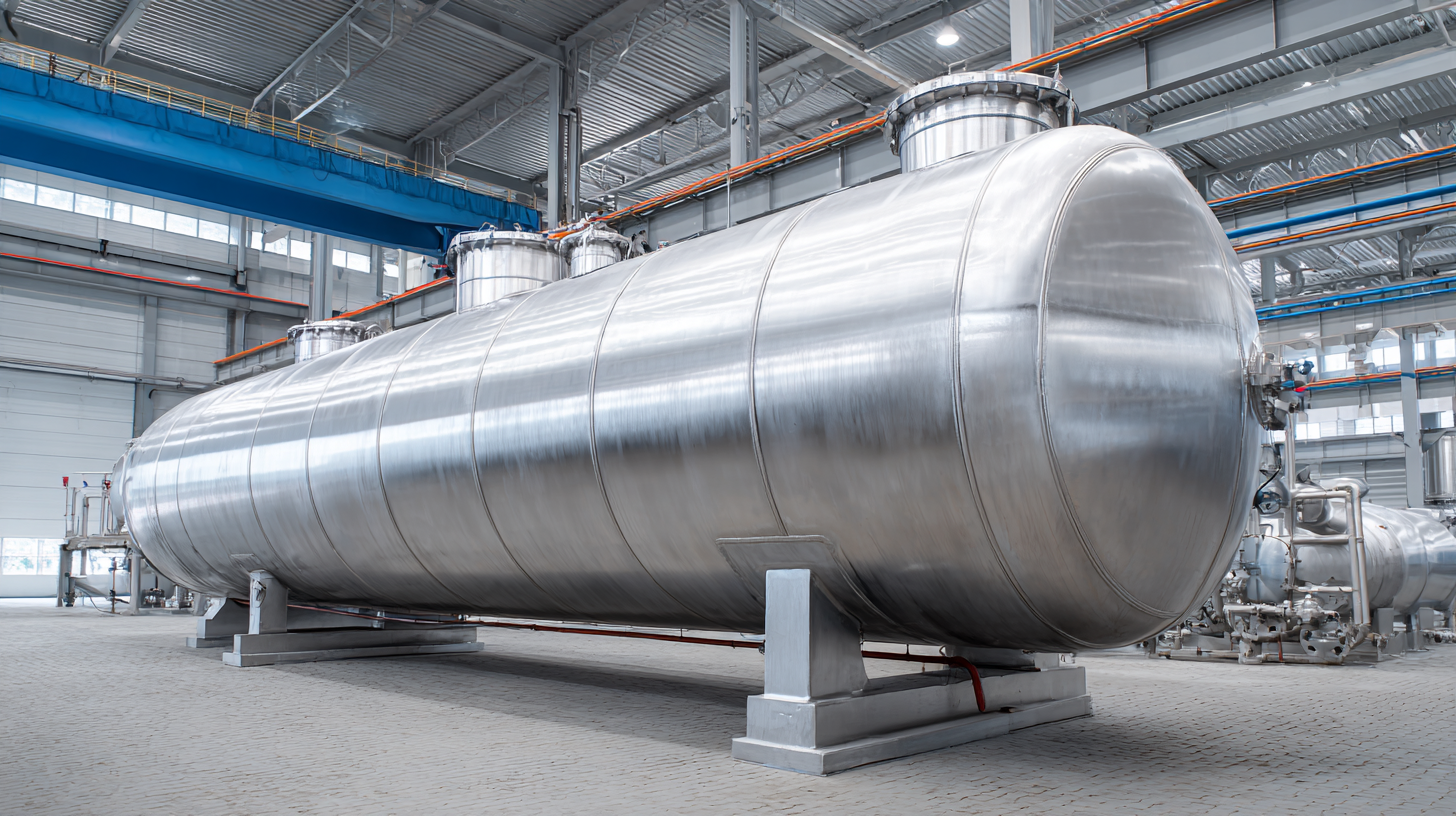 Hebei Hongke Qingneng Environmental Protection Equipment Co., Ltd., was founded back in June 2021, and they focus on developing equipment to meet these modern challenges. Located in the Sanhe Economic Development Zone of Langfang City — which is quite the industrial hub — their team is all about innovation. They offer high-quality, tough stainless pressure tanks that can handle tough industrial processes, all while supporting eco-friendly practices. This guide is here to help you out — so you can make the best choice and pick a tank that fits your operations and environmental goals perfectly.
Key Factors to Consider When Selecting a Stainless Pressure Tank
When you're choosing a Stainless Steel Pressure Tank, there are a few important things to keep in mind to make sure it works well and lasts a long time. First off, think about what you'll be using the tank for. For instance, if you're storing food or drinks, the Steel Tank Institute highlights that the tank needs to meet strict sanitary standards. Usually, this means opting for a higher-grade stainless steel like 316L, which is better at resisting corrosion and pitting—that’s super important to keep your products safe and of good quality.
Another key point is the pressure rating of the tank. The American Society of Mechanical Engineers (ASME) points out that pressures can change a lot depending on what you're doing. For most regular uses, a tank rated for at least 100 PSI might do the trick. But if you're working in more specialized industrial settings, you might need something rated for 150 PSI or even higher. Knowing exactly what pressure your operation needs can help you avoid failures down the line and make sure you're following all the industry rules.
And don’t forget about the size and capacity. It’s really important that the tank fits your actual requirements. The National Association of Corrosion Engineers suggests that if you get a tank that's too small or too big, it can mess up your entire operation—costing more money, causing inefficiencies, or even leading to system failures. The best bet is to do a detailed assessment of your storage needs and chat with industry experts before making a decision. That way, you’ll be way more confident you're buying the right tank for the job.
Ultimate Guide to Choosing the Right Stainless Pressure Tank for Your Needs
| Feature | Description | Considerations |
| Material Grade | Stainless steel grades such as 304 or 316 for corrosion resistance | Consider the environment where the tank will be used |
| Capacity | Available in various capacities, typically ranging from 10 to 500 gallons | Assess your application needs and available space |
| Pressure Rating | Pressure ratings from 15 psi to above 100 psi | Ensure the rating matches your operating conditions |
| Port Configuration | Different inlet and outlet sizes and fittings | Verify compatibility with existing systems |
| Certification | ASME or other relevant certifications for safety | Check for compliance with local regulations |
| Finish | Internal and external finishes for hygiene and durability | Select finishes based on product compatibility |
Understanding Different Types of Stainless Pressure Tanks Available
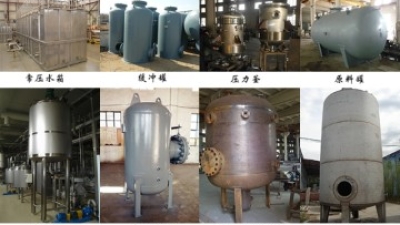
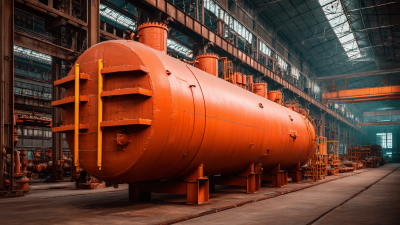
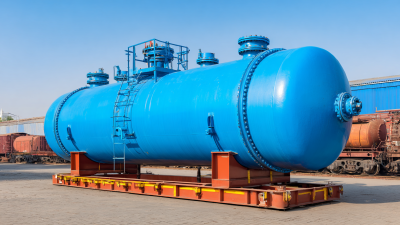
So, if you're looking to pick out a stainless steel pressure tank, it really helps to understand the different types out there so you can find one that’s just right for your needs. You've got a few main options—like vertical and horizontal tanks—and they each have their quirks. Vertical tanks are pretty great if you're working with limited space on the floor, since they take up less room vertically. On the other hand, horizontal tanks tend to be a bit more straightforward when it comes to doing maintenance or keeping an eye on things. It’s almost like choosing between a tall, slender guys and the more laid-back, wide ones—depends what works best for you, you know?
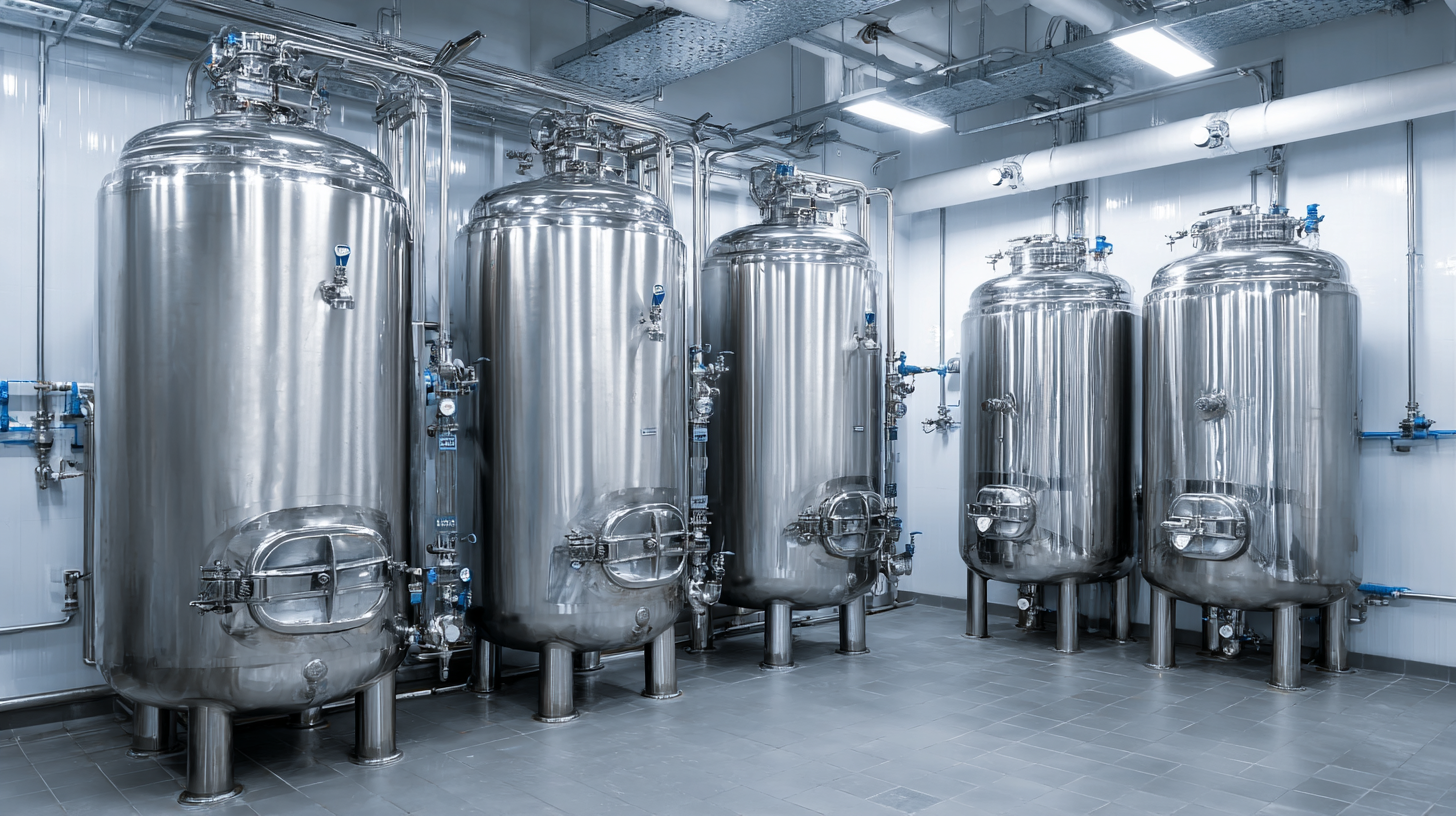
And then, there's the purpose of the tank—this is super important. For example, if you're into brewing beer or storing food, you’ll want a food-grade stainless tank that’s super clean and meets all the hygiene standards. But if it’s industrial stuff, like handling chemicals or harsher conditions, you’ll need something tougher and built for that. Picking the right one really depends on what you’ll be using it for and your environment.
Pro tip: Don’t forget to check the capacity and pressure rating before buying. You want to make sure the tank can handle the volume and pressure of whatever you're storing—this is key to avoiding any mishaps. And if your materials are temperature-sensitive, it’s worth investing in insulation or heating elements. Better safe than sorry!
Another tip: Always go for reputable brands. Paying a little extra for a quality tank can save you from headaches later on, especially with durability and safety. Look for reviews, warranties, and trusted manufacturers. Doing your homework here definitely pays off in the long run.
How to Determine the Right Size and Capacity for Your Needs
When you're choosing a stainless steel pressure tank, it's pretty important to think about the size and capacity that actually fit your specific needs. Picking the right size can really make a difference in how smoothly things run—whether you're storing liquids for some industrial stuff or managing HVAC setups. Things like what you're storing, the pressure you need, and the space you've got to work with all matter when figuring out what size will work best.
Also, don't forget to look at the tank's capacity, not just for now but for what might come in the future. It’s often a good idea to go a little bigger than what you need right now—this way, you’ll have some wiggle room for growth and won’t have to keep upgrading all the time. And of course, durability matters a lot—making sure the tank can handle different pressure levels and will last over time is key to keeping everything safe and running smoothly.
Assessing Material Quality and Durability in Stainless Pressure Tanks
When you're choosing a stainless steel pressure tank, it’s super important to think about the material’s quality and how tough it is. Basically, sticking to standards set by ASTM International, using good-grade stainless steel like 304 or 316 really boosts the tank’s ability to resist rust and wear over time. These steels have a tensile strength that can go beyond 70,000 psi, which means they’re pretty much built to handle high-pressure situations without giving out.
On top of that, I came across a report from the International Stainless Steel Forum that says tanks made from 316 stainless steel are especially good in harsh, chemical-heavy environments because of their molybdenum content. So, if you’re dealing with acidic or salty stuff, these tanks are probably your best bet—they won’t start corroding as quickly as other materials might. Plus, it’s worth noting that when you take good care of stainless steel tanks, they can last well over 30 years. That kind of longevity makes them a smart, long-term investment. Getting a good grasp on the ins and outs of material choices really helps ensure your pressure tank performs well and stands the test of time.
Exploring Safety Features and Standards for Pressure Tanks
When you're choosing a stainless steel pressure tank, it's really important to get a good grasp of its safety features and standards. After all, this stuff isn't just about storage — it’s about peace of mind too. The global market for Pressure Vessels is booming, expected to jump from around $55.7 billion in 2024 all the way to $81.6 billion by 2032. That’s a pretty hefty growth rate of about 5% each year, which just goes to show how much everyone is paying attention to safety and regulations. So, if you're in the market, it’s smart to look for tanks that meet or even exceed those safety standards—trust me, it pays off in the long run.
On another note, when it comes to cutting-edge storage options, molten salt technology is really making waves, especially in thermal power generation. It’s a big deal because it plays nicely with renewable energy systems, plus it comes with some pretty advanced safety features. That makes molten salt storage a potential game-changer in the energy scene. As tech keeps moving forward, the pressure tanks used for these kinds of applications need to meet the highest safety standards — things like solid structural integrity, good insulation, and reliable emergency relief systems. Paying attention to these details means you’re making smarter choices that boost safety and efficiency, no matter what you’re using these tanks for.
Ultimate Guide to Choosing the Right Stainless Pressure Tank for Your Needs
Tips for Maintenance and Care of Your Stainless Pressure Tank
Taking good care of your stainless pressure tank isn’t just about keeping it running—it's about making it last longer and perform better, plain and simple. A good starting point? Regular inspections. Take a moment to peek at the tank and look for any signs of rust or wear, especially around spots where water or chemicals might sit. Catching problems early on can save you a lot of headaches later on.
Oh, and don’t forget about the pressure relief valve. It’s kind of like the safety net of your system. Make sure it’s working properly by testing it now and then—see if it opens at the right pressure and makes sure nothing’s blocking it. That way, you avoid dangerous pressure build-ups.
Also, a bit of routine cleaning never hurts. Flushing out the tank periodically helps get rid of sediments or gunk that can build up over time. Using a simple mix of water and mild detergent is usually enough to keep the inside clean without messing with the stainless steel. Follow these tips, and you'll not only keep your pressure tank running smoothly, but you'll also be making sure it’s safe and reliable for the long haul.
Innovative Approaches to Non-Standard Pressure Vessel System Solutions for Enhanced Safety and Efficiency
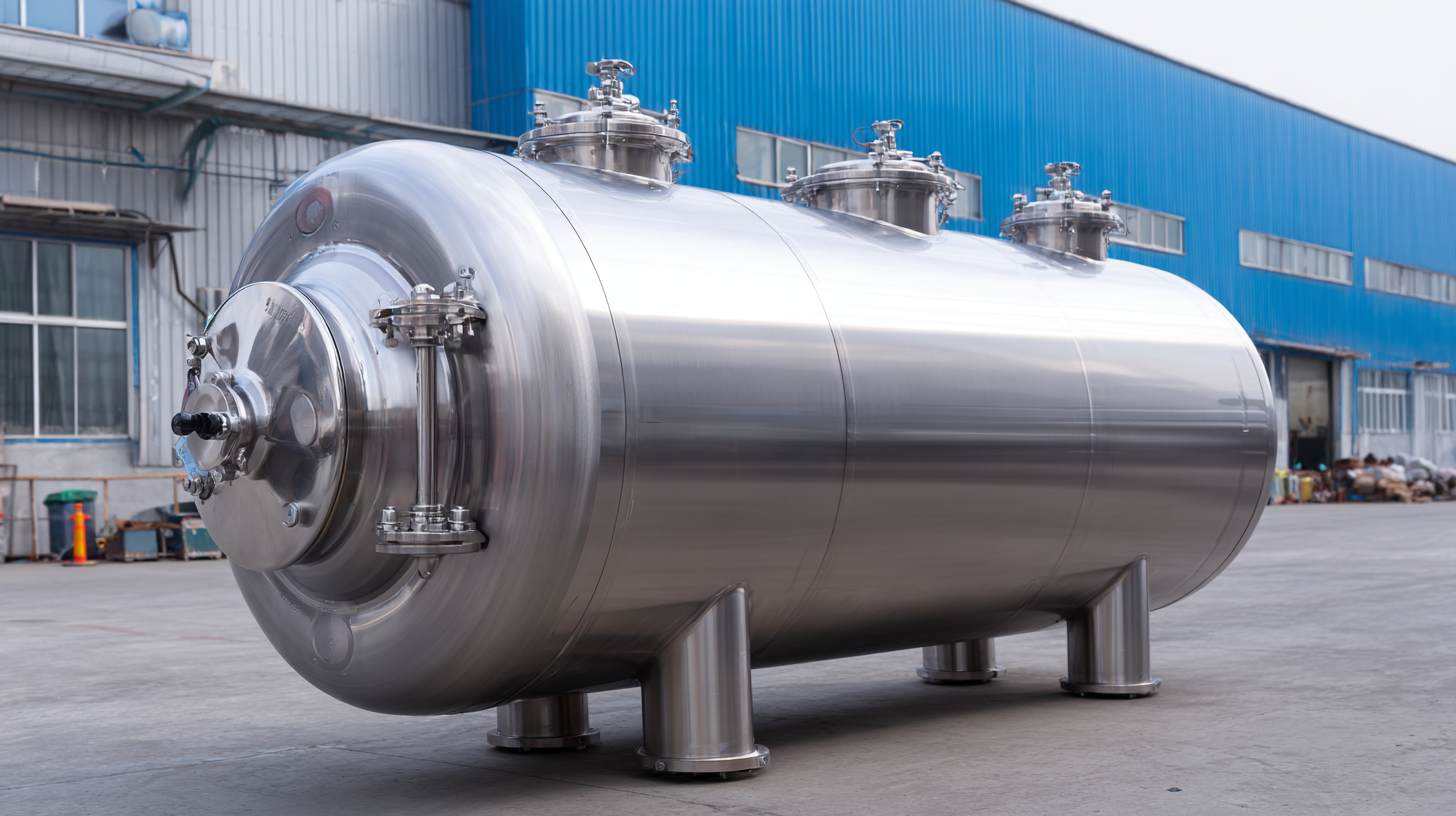
In the pursuit of enhanced safety and efficiency in pressure vessel systems, innovative approaches are crucial. With over a decade of expertise in the pressure vessel sector, we have developed a comprehensive high-end equipment system that seamlessly integrates research and development, precision manufacturing, and intelligent service. Our commitment to customizing pressure vessel solutions caters to diverse industries, including energy, chemical, and biopharmaceutical sectors, ensuring that each application meets specific operational demands while adhering to stringent safety standards.
Central to our innovation is the establishment of a three-dimensional parametric design platform, a technological advancement that allows for structural simulation and process optimization of non-standard equipment such as adsorption tanks and reactors. This platform underpins our national pressure vessel design qualification (A2/D1/D2 category), ensuring that our designs achieve unparalleled accuracy with a tolerance of ±0.5mm. This level of precision is complemented by a 40% increase in efficiency compared to traditional design modes, significantly enhancing the reliability and responsiveness of our pressure vessel solutions. Through these innovative strategies, we not only elevate safety but also drive efficiency across various industrial applications.
FAQS
: The main types of stainless pressure tanks are vertical and horizontal tanks. Vertical tanks are suitable for limited floor space, while horizontal tanks offer easier access for maintenance and monitoring.
When selecting a stainless pressure tank, consider the tank's capacity, pressure rating, intended use, and the specific application environment. It's also important to assess insulation and heating elements for temperature-sensitive materials.
Food-grade stainless pressure tanks are designed to meet strict hygiene standards for applications like brewing or food storage, while industrial tanks can handle harsher conditions and chemicals.
Regular maintenance, including routine inspections for corrosion, checking the functioning of the pressure relief valve, and keeping the tank clean, is essential for ensuring the safety and reliability of your pressure tank.
Testing the pressure relief valve is crucial because it prevents excessive pressure buildup, which can lead to dangerous failures. It should be checked periodically to ensure it operates correctly and is free from obstructions.
To maintain cleanliness, regularly flush the tank with a mixture of water and mild detergent to remove sediments and contaminants without damaging the stainless steel.
It is important to choose a reputable manufacturer with high-quality products, positive customer reviews, and warranty options to ensure durability and safety.
Neglecting maintenance can lead to increased wear and tear, reduced performance, potential safety hazards, and shorter lifespan of the pressure tank.
Choosing the appropriate tank ensures it can handle the specific volume and pressure of the substances stored, which is critical for preventing accidents related to overpressure and tank failure.
Regular maintenance checks should be conducted routinely, but the frequency can depend on usage and environmental factors. It’s best to inspect the tank at least once every few months.
Conclusion
Choosing the right stainless pressure tank isn’t exactly a walk in the park, but there are some key things you definitely want to keep in mind. First off, it helps to get a good grasp of the different types out there—each one’s got its own quirks and best uses. Then, figuring out the right size and capacity for your project is pretty important; you don’t want something too small or way too big. Also, don’t overlook the quality of the materials and how sturdy the tank is—those details really make a difference when it comes to how long it lasts and how well it performs. And of course, safety features and making sure everything lines up with industry standards should be a priority — it just gives you peace of mind while everything's running smoothly.
Here at Hebei Hongke Qingneng Environmental Protection Equipment Co., Ltd., we’ve been all about developing top-notch stainless pressure tanks since we kicked things off in June 2021. Our focus is on creating solutions that support energy conservation and environmental protection. Plus, we’re happy to share some handy tips on maintenance and care—because a little bit of upkeep goes a long way in keeping your tank running efficiently for years to come.