Lately, it's become pretty clear just how important it is to stick to safety standards and regulations when it comes to Pressure Vessel Tanks. There's been a real shift, especially with everyone paying more attention to protecting our environment and saving energy in industry. I read somewhere that, according to the American Society of Mechanical Engineers (ASME), the global market for pressure vessels might hit around $31.2 billion by 2025. That just shows how crucial it is to have solid safety measures in place to avoid accidents and keep things running smoothly. On that note, Hebei Hongke Qingneng Environmental Protection Equipment Co., Ltd., which was set up in June 2021 inside the Sanhe Economic Development Zone of Langfang City, is really leading the way. They're totally focused on researching and making innovative solutions that not only meet all the regulations but also support sustainable practices. As industries keep changing and evolving, it’s more important than ever to understand and implement these standards—not just for safety’s sake but also to help achieve environmental goals.
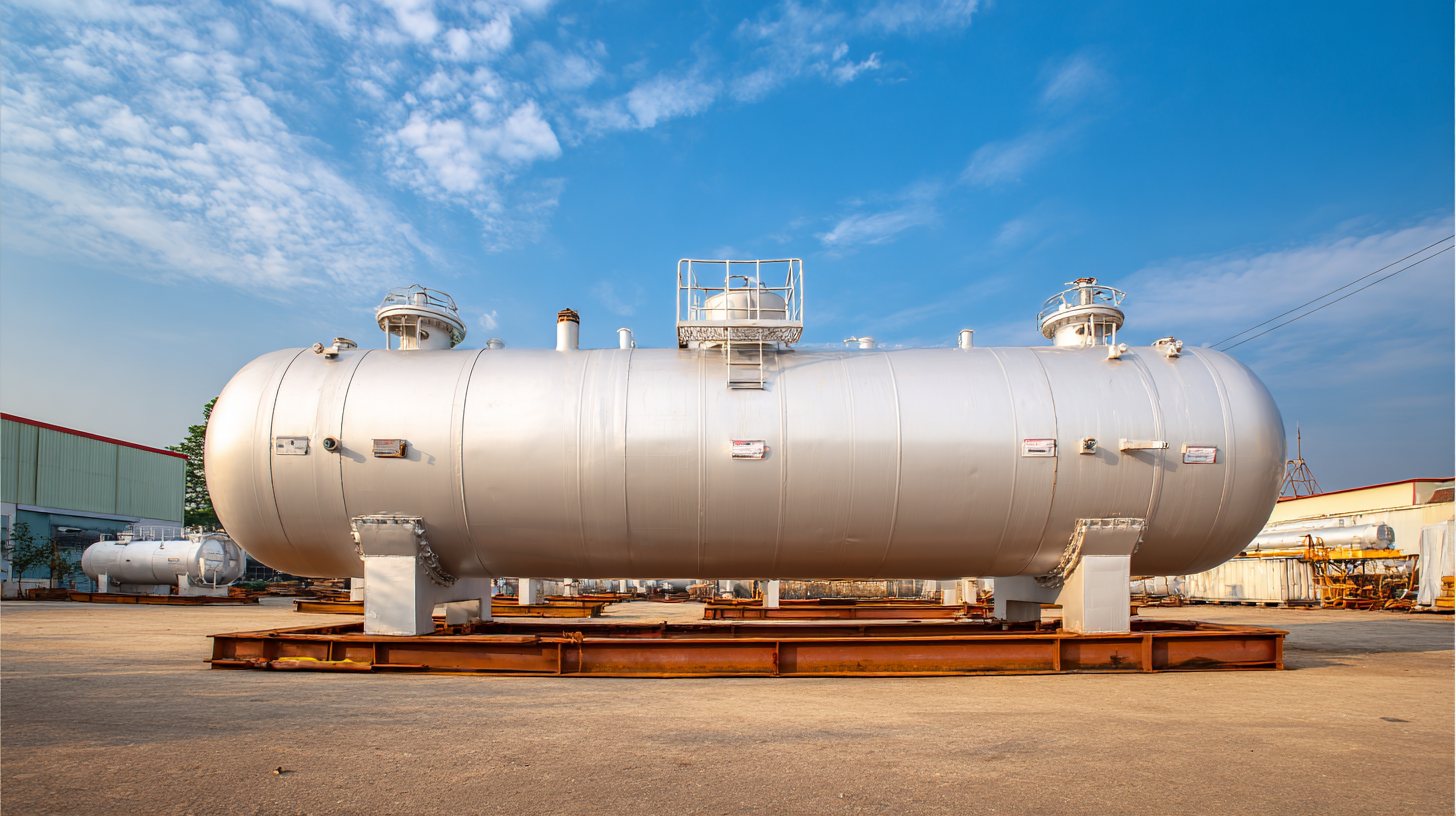
Understanding Pressure Vessel Design and Construction Standards: Key Regulations to Consider
Getting a good grasp of pressure vessel design and the relevant standards is super important if you want to keep things safe in various industrial settings. Did you know that in the U.S. alone, there are almost 4,000 pressure vessel accidents every year? Most of these happen because of poor design or not keeping up with maintenance, which really shows just how vital it is to follow the rules. The ASME Boiler and Pressure Vessel Code (BPVC) is kind of the go-to guideline book here — it covers everything from what materials to use, how to do the design calculations, to when and how inspections should happen. All these points are there to reduce the chances of a disaster happening.
On top of that, different countries have their own rules depending on local laws and industry needs. For instance, the European Union’s Pressure Equipment Directive (PED) and the U.S.’s National Board Inspection Code (NBIC) are examples of how many regions try to keep safety standards consistent. A recent report from NIOSH pointed out that sticking to these rules can cut down accident chances by about 25%. So yeah, it's pretty clear that manufacturers and operators really need to stay current with the latest standards and best practices — it’s all about keeping people safe and protecting valuable assets.
Essential Pressure Vessel Testing Methods: Ensuring Compliance with Industry Standards
Making sure that pressure vessels meet safety standards is really important for manufacturers and operators across various industries. That’s why using the right testing methods is a big deal—they help verify that these vessels are safe and in good shape, especially since they often face extreme conditions. You’ll often hear about non-destructive tests, like ultrasonic testing, radiography, and magnetic particle inspection. These techniques are pretty neat because they spot any defects without damaging the vessel, so everything stays reliable and performs well.
Top 5 Common Failures in Pressure Vessels and How to Prevent Them
Pressure vessels are super important in a bunch of industrial settings, but if you don’t manage them properly, they can be pretty dangerous. According to a report from the National Board of Boiler and Pressure Vessel Inspectors, almost 40% of these vessels fail because of corrosion—a sneaky problem that slowly weakens the structure over time. That’s why regular check-ups and using corrosion-resistant materials are so crucial. They can really help extend the life of these vessels and keep everyone safer.
Another big issue is when the pressure relief systems aren’t up to par, which can sometimes lead to serious explosions. In fact, research shows that about 25% of pressure vessel accidents happen because relief devices aren’t working right. The best way to prevent this is to follow the guidelines from groups like the American Society of Mechanical Engineers (ASME). That means regularly testing and maintaining these systems. Plus, training staff to spot the early signs of trouble can make a huge difference in preventing accidents and keeping everything running smoothly.
All in all, paying attention to corrosion and relief systems isn’t just good practice — it’s essential for safety and longevity.
The Top 5 Common Failures in Pressure Vessels and Prevention Strategies
Critical Safety Procedures for Pressure Vessel Maintenance: Best Practices to Follow
Taking care of pressure vessels is really important if you want to keep everything running safely and stay on top of regulations. Regular checks and maintenance are key—think of them as your safety net that helps catch problems before things go totally sideways. You should look out for signs of corrosion, leaks, or any mechanical wear and tear. By setting up a routine maintenance plan, you give yourself a head start on spotting issues early. That way, you're not just protecting your team and the equipment, but also preventing those dreaded, costly failures.
A good tip? Keep a detailed maintenance log. Note down inspection dates, what you find, and what repairs or checks you’ve done. This not only helps you stay compliant but also lets you track how things are holding up over time. And don’t forget—everyone involved in the maintenance needs to be properly trained and clued in on safety protocols. It’s all about making sure everyone’s on the same page.
Plus, bringing in some best practices like hydrostatic testing and non-destructive testing can really boost your confidence in the vessel’s reliability. Hydrostatic testing basically checks if the vessel can handle pressure, while non-destructive testing spots internal flaws without harming the equipment. Regular training sessions are also super helpful—they keep your team sharp and updated on the latest safety techniques and maintenance methods. Creating a culture that prioritizes safety and continuous improvement is what really makes the difference.
Pro tip: set up periodic training workshops focused on safety and maintenance updates. Not only will this make your team more knowledgeable, but it also helps instill a safety-first mindset across the whole organization.
Navigating ASME Code: A Comprehensive Overview of Pressure Vessel Regulations
Getting a good grip on the ASME Code really matters if you're involved in designing, building, or maintaining pressure vessels. The American Society of Mechanical Engineers, or ASME, has these standards called the Boiler and Pressure Vessel Code (or BPVC), which basically sets the bar for safety and performance when it comes to pressure vessels. It’s a pretty comprehensive set of rules that spell out the minimum requirements to make sure these vessels can handle the high pressures and temperatures they face during operation. By sticking to the ASME Code, companies can seriously cut down the chances of failures that might lead to dangerous accidents — nobody wants that, right?
Of course, diving into the ASME Code can feel a bit overwhelming because there’s so much to unpack—from design and materials to fabrication, inspection, and testing. Each part focuses on different safety aspects, making sure the entire lifecycle of a pressure vessel is up to snuff. Playing by these rules not only boosts safety but also helps build trust within the industry and keeps everything running smoothly. Companies that take the time to really understand and follow the ASME Code put themselves in a better spot to reduce risks, improve reliability, and keep both people and the environment safe — it’s all about doing things right from the get-go.
The Essential Guide to Understanding Pressure Vessel Tank Safety Standards and Regulations
| Regulation/Standard | Description | Key Requirements | Compliance Timing |
| ASME Boiler and Pressure Vessel Code (BPVC) | Provides guidelines for the design, fabrication, and inspection of pressure vessels. | Design calculations, material specifications, testing procedures. | Continuous; periodic reviews required. |
| API 650 | Standard for the design and construction of large, aboveground storage tanks. | Tank specifications, environmental controls, inspection regulations. | Upon construction; re-evaluation every 5 years. |
| NFPA 30 | Flammable and Combustible Liquids Code. | Storage regulations, fire control measures, material requirements. | Initial compliance upon installation; ongoing training required. |
| OSHA Standards (29 CFR 1910) | Occupational safety and health standards related to pressure vessels. | Operation safety protocols, employee training, emergency procedures. | Immediate compliance; regular updates. |
| DOT Regulations (49 CFR) | Regulations for transportation of hazardous materials. | Container standards, labeling requirements, transport protocols. | Before transport; audits every 3 years. |
The Importance of Certification: Industry Standards for Pressure Vessel Inspectors
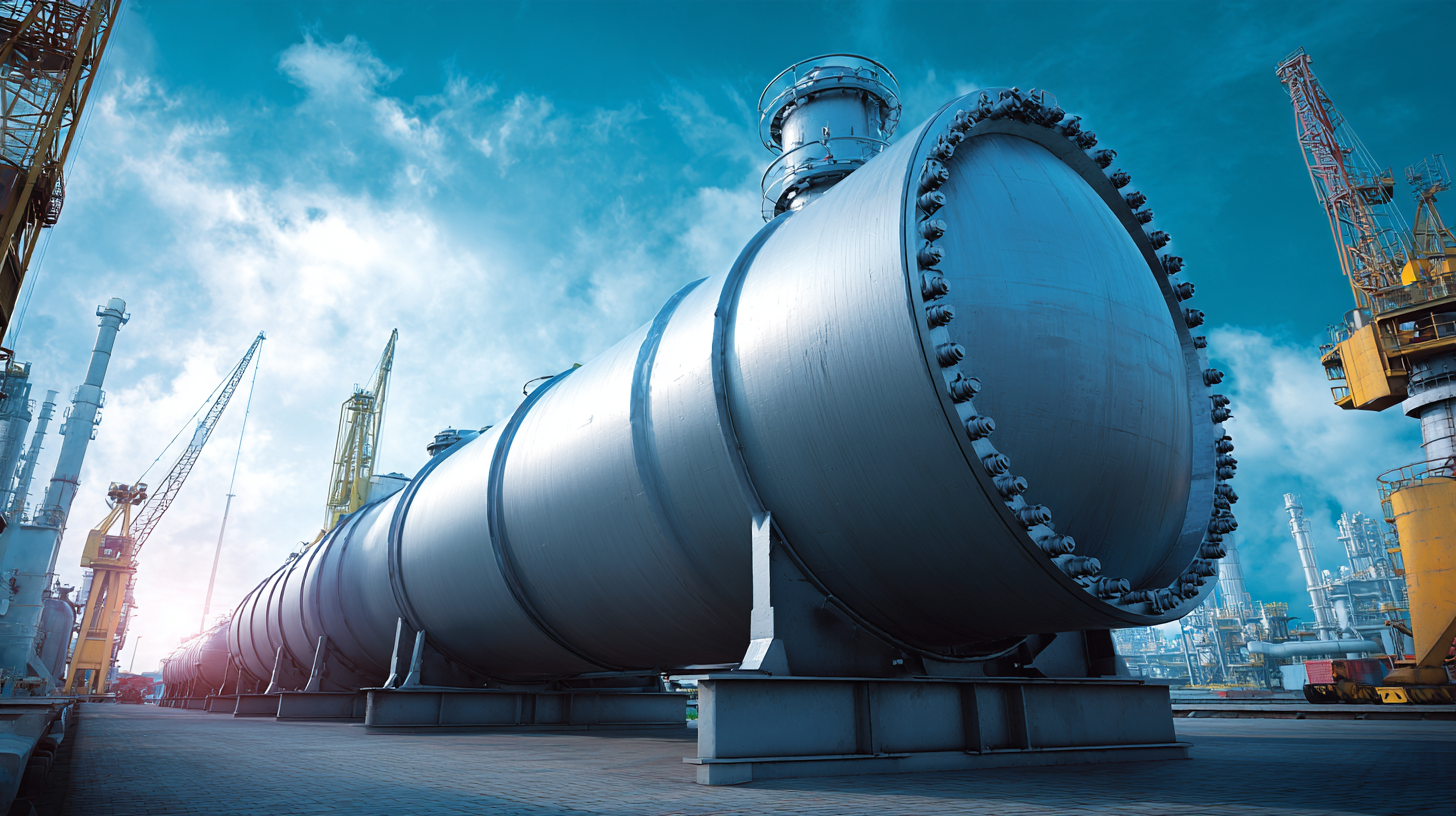
Getting a solid grasp of why certification really matters when it comes to pressure vessel safety is super important if you want to keep up with industry standards. You know, pressure vessel inspectors play such a crucial role—they’re the ones making sure everything stays safe and sound in those big industrial setups. That’s why their certification isn't just a formality; it’s a must. Regulatory agencies set pretty tough standards that inspectors have to meet, which isn’t just about proving they’re capable—it’s also about building trust with everyone that safety is actually being taken seriously. When inspectors do a good job checking pressure vessels, they can catch issues early and prevent accidents, saving lives and protecting the environment in the process.
On a broader scale, the global Testing, Inspection, and Certification (TIC) market is booming right now. Experts estimate it could hit around $352 billion by 2034. That’s a huge jump and really shows how industrial projects are becoming more complex and how much people are demanding safer, more accurate operations. Everything from big fabrication companies earning certifications like ASME shows the industry’s serious about sticking to high standards. As rules and regulations keep changing, so do the requirements for inspector certification, which means ongoing education and regular updates are a must. Staying current helps inspectors keep up with all the latest safety protocols and technological advancements, which is honestly pretty exciting—and necessary for keeping everyone safe down the line.
Innovative Approaches and Market Dynamics in Non-Standard Pressure Vessel System Solutions: Insights from Industry Reports and Data Analytics
In the evolving landscape of industrial solutions, innovative approaches in non-standard Pressure Vessel Systems are paramount to meet diverse market demands. The integration of advanced data analytics into pressure vessel design has ushered in a new era of customization and efficiency. Our decade-long commitment to deep ploughing in this field has led to the establishment of a high-end equipment system that seamlessly merges research and development, precision manufacturing, and intelligent service. This holistic approach allows us to cater specifically to 12 key industries, including energy, chemical, and biopharmaceutical sectors.
Leveraging our national pressure vessel design qualifications, we have pioneered a three-dimensional parametric design platform that significantly enhances the design process for non-standard equipment like adsorption tanks and reactors. This innovative platform facilitates structural simulation and process optimization with remarkable precision, achieving design accuracy within ±0.5mm—an impressive 40% increase in efficiency compared to traditional methodologies. As we continue to refine our solutions, our focus remains steadfast on providing bespoke pressure vessel designs that not only meet regulatory standards but also drive operational excellence across various industrial applications.
FAQS
: The primary causes of pressure vessel failures include corrosion, inadequate pressure relief systems, and improper maintenance. Nearly 40% of failures are attributed to corrosion, while about 25% are linked to improperly functioning relief devices.
Corrosion can be prevented through regular inspections and the use of corrosion-resistant materials. Implementing a routine maintenance schedule and establishing protective coatings can also help prolong the lifespan of pressure vessels.
Pressure relief systems are critical for preventing catastrophic explosions that can occur if pressure builds up excessively. Properly functioning relief devices are essential to safeguard against such incidents.
Best practices for pressure vessel maintenance include regular inspections for signs of corrosion, leaks, and wear. Additionally, establishing a maintenance log and implementing hydrostatic and non-destructive testing are essential for ensuring operational safety.
Training is vital for ensuring that personnel are aware of safety protocols and can recognize early warning signs of failure. Regular training sessions foster a knowledgeable workforce and promote a culture of safety within the organization.
The ASME BPVC is a set of standards that outlines the minimum requirements for the design, construction, and maintenance of pressure vessels. Adhering to these standards helps manage risks and improve safety and reliability in pressure vessel operations.
Companies can ensure compliance with the ASME Code by thoroughly understanding its various sections (design, materials, fabrication, inspection, and testing) and investing time and resources in training and adapting their practices to meet these standards.
Hydrostatic testing is significant as it assesses a pressure vessel's ability to withstand high pressures without failure. This testing can help identify potential weaknesses and prevent catastrophic incidents.
Operators should maintain a maintenance log that includes inspection dates, findings, and actions taken. This documentation supports compliance with safety regulations and helps track the vessel's condition over time.
Organizations can promote safety practices by scheduling periodic training workshops that focus on safety procedures and maintenance updates, fostering a knowledgeable workforce and a safety-first culture.
Conclusion
Thinking about pressure vessel tanks and how to keep them safe can be a bit overwhelming, but this article is a solid guide to help you get a handle on the key safety standards and regulations. It walks you through the basics of designing and building these vessels, pointing out the crucial rules that everyone needs to follow. Plus, it dives into different testing methods to make sure everything’s up to snuff—and that's super helpful for manufacturers like Hebei Hongke Qingneng Environmental Protection Equipment Co., Ltd., who want to keep safety on point in their production lines.
It also lists the top five common problems that often pop up with pressure vessels and offers practical tips on how to avoid these issues. The piece doesn’t stop there; it covers important safety procedures for maintenance, explains why navigating the ASME Code can be tricky but essential, and highlights what inspectors need to know, including the importance of proper certification. All of this stuff is really vital for any company serious about staying safe and following the rules in the environmental protection game.