In today’s fast-changing world of industrial work, choosing the right Air Pressure Vessels has become more important than ever if we want to boost efficiency and stay eco-friendly. A recent report by MarketsandMarkets shows that the global market for these vessels is expected to hit around $27 billion by 2025 — that’s a clear sign that industries are really focusing on energy savings and being environmentally responsible. As more companies push for greener practices, Hebei Hongke Qingneng Environmental Protection Equipment Co., Ltd. is right there leading the charge. We started out in June 2021, right in the Sanhe Economic Development Zone of Langfang City, and since then, we’ve been dedicated to researching, developing, and manufacturing energy-efficient solutions that fit the needs of today’s industry.
This guide is designed to give you an easy-to-understand overview of what to consider when choosing Air Pressure Vessels — not just to meet your operational needs, but also to help you contribute to a sustainable future.
Importance of Air Pressure Vessels in Industrial Processes
Air pressure vessels are pretty important in a bunch of different industrial settings. Basically, they’re the go-to containers that hold gases or liquids under pressure. And honestly, you can’t overstate how crucial they are—they keep everything running smoothly and safely, especially in systems that need high pressure like pneumatic tools, chemical factories, or energy plants. By keeping the stored materials secure, they help prevent nasty leaks and potential explosions, which means safer workplaces and less damage to machinery.
But it's not just about safety. These vessels also play a big part in making things more efficient. When you can control and maintain the right pressure, production gets smarter and faster, plus it saves energy. Consistent pressure means better control over the process, which in turn leads to higher quality products and less wasted material. With all the tech improvements lately, modern pressure vessels are built tougher—they handle higher pressures and are better insulated, which adds up to big energy savings and helps industries get more done in less time.
Key Factors to Consider When Selecting Air Pressure Vessels
When you're choosing air pressure vessels for industrial work, there's actually quite a few important factors that can really impact how well everything runs — safety and efficiency, to be honest. First off, the material of the vessel is a big deal. You’ve got options like carbon steel or stainless steel, and each one has its own perks. For example, a 2022 report from the American Society of Mechanical Engineers pointed out that stainless steel can boost the lifespan of these vessels by up to 30%, especially if they’re exposed to corrosive stuff or harsh environments.
Another thing to keep in mind is the design and setup of the vessel itself. You want to make sure the pressure rating matches what you actually need for your specific application. The National Board of Boiler and Pressure Vessel Inspectors suggests going for a design that can handle at least 20% more pressure than the maximum your system will use — just a safe buffer, right? It’s also super important to check that your vessel complies with all the relevant regulations like ASME or API standards. That way, you’re not only meeting safety requirements but also reducing the risk of costly failures or unexpected shutdowns. Basically, thinking through these factors carefully will help industries make smarter choices and keep things running smoothly and safely.
Understanding Different Types of Air Pressure Vessels and Their Uses
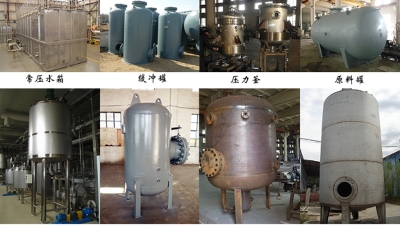
When you're looking into air pressure vessels, it's really helpful to get a good grip on the different types out there and what they’re typically used for in industry. You’ve got your main categories: fixed, mobile, and transportable vessels. Fixed ones are like the backbone of a plant—they’re built to stay put, often used to store compressed air for manufacturing stuff. They’re super reliable and perfect if you need a big, steady flow of air for continuous operations.
Now, mobile air pressure vessels are a whole different story—they’re all about flexibility. Think construction sites or temporary setups, where you might need air supply on the fly. These vessels are easy to move around, making them a lifesaver for short-term projects or shifting operational needs. And then there are transportable vessels—designed to be moved quickly from one place to another. This makes them ideal for companies working across multiple sites. Knowing the ins and outs of these types really helps businesses choose the right vessel, so they can keep things running smoothly and adapt to whatever operational challenges come up.
Ultimate Guide to Selecting Air Pressure Vessels for Optimal Industrial Efficiency
| Type of Air Pressure Vessel | Common Uses | Material | Capacity (liters) | Operating Pressure (bar) |
| Vertical Air Receiver | Storage of compressed air | Steel | 100 | 8 |
| Horizontal Air Receiver | Storage of compressed air | Aluminum | 200 | 10 |
| Pressure Vessels for Process Applications | Fuel storage and processing | Carbon Steel | 500 | 15 |
| Cryogenic Storage Vessels | Storage of liquefied gases | Stainless Steel | 1500 | 5 |
| Beverage Carbonation Tanks | Carbonation of beverages | Stainless Steel | 300 | 10 |
Analyzing the Impact of Material Selection on Vessel Performance
When you're choosing air pressure vessels for industrial use, the materials you pick really make a big difference in how well the vessel performs. Different materials react differently to the pressurized environment, affecting things like strength, resistance to corrosion, and how well they handle temperature changes. For example, stainless steel is a popular choice because it’s tough and can handle harsh chemicals — perfect for industries dealing with corrosive substances. On the other hand, carbon steel is usually more affordable, but you might need to add coatings or linings to keep it durable in certain situations.
Lately, new composite materials are changing the game when it comes to designing pressure vessels. These newer materials often offer better strength without adding too much weight, and they can even improve insulation. Picking the right composites can help manufacturers boost efficiency and cut down on energy losses. At the end of the day, understanding the pros and cons of each material is super important for making sure your air pressure vessels work great and meet the tough demands of modern industry.
Regulatory Standards and Safety Compliance for Pressure Vessels
So, when you're choosing air pressure vessels, it's super important to stick to the regulatory standards—not just for safety, but also to keep things running smoothly. In industries like oil and gas, chemical manufacturing, or even food processing, following the rules set by groups like the American Society of Mechanical Engineers (ASME) and the American National Standards Institute (ANSI) is a total must. For example, ASME’s Boiler and Pressure Vessel Code lays out some pretty strict requirements about design, materials, and testing — basically making sure that vessels can handle high pressures and temperatures without risking a failure.
On top of that, recent industry reports are pretty clear: neglecting safety regs can lead to major failures, which can be not only costly but also dangerous for people. A study by the National Board of Boiler and Pressure Vessel Inspectors found that nearly 30% of pressure vessel problems come from poor maintenance or design that doesn’t meet safety standards. Investing in pressure vessels that meet or go beyond these standards can really pay off — helping your operations be more efficient and cutting down on accidents and downtime. All in all, following these standards isn’t just about safety; it’s also a smart move for your company's bottom line.
Maximizing Efficiency: Maintenance and Operational Best Practices
When it comes to getting the most out of industrial setups, the way we handle maintenance and operations for air pressure vessels really matters. I came across a report from the International Journal of Pressure Vessels and Piping that pointed out something pretty eye-opening — if you don’t keep up with proper maintenance, you could see efficiency drop by about 20-30%. Things like regular inspections, ultrasonic thickness checks, and just a good visual look-over are so crucial for catching wear and tear early before major problems pop up. Not only does this help the vessels last longer, but it also keeps everything running safely, which in the long run means less money spent on repairs.
Having a solid maintenance schedule is pretty much the secret sauce for hitting peak performance. A survey by the American Society of Mechanical Engineers showed that companies sticking to strict maintenance routines saw about a 25% boost in overall efficiency. Plus, using new tech like IoT sensors to monitor pressure and temperature in real time can be a game-changer. It lets you stay ahead of issues and tweak things before small problems turn into costly fixes. By applying these best practices, industries can really boost how reliable and efficient their air pressure vessels are — all while saving some serious cash and getting more done in the process.
Exploring Non-Standard Pressure Vessel System Solutions: Insights from Recent Industry Reports on Customization and Efficiency Trends
In recent years, industries have witnessed a significant shift towards customized pressure vessel systems, driven by the need for efficiency and adaptability. As highlighted in recent industry reports, the trend emphasizes the importance of tailoring solutions to specific operational demands. Companies are now looking for more than just standard options; they seek innovative designs that can enhance productivity while ensuring compliance with safety regulations.
Our ten years of dedicated experience in the pressure vessel sector has positioned us at the forefront of this evolution. We have developed a high-end equipment system that encompasses research and development, precision manufacturing, and intelligent service. By focusing on the unique requirements of various industries, including energy, chemicals, and biopharmaceuticals, we provide bespoke pressure vessel solutions that not only meet but exceed client expectations.
Utilizing our national pressure vessel design qualifications (A2/D1/D2 category), we have also launched a state-of-the-art three-dimensional parametric design platform. This advanced technology facilitates structural simulation and process optimization for non-standard equipment, such as adsorption tanks and reactors. With a design accuracy of ±0.5mm and a remarkable 40% increase in efficiency compared to traditional methods, our approach redefines the standards for customization in the pressure vessel industry. Through these innovations, we are paving the way for a more efficient and personalized system that meets the ever-evolving needs of our clients.
FAQS
: The material composition of the vessel is crucial, as it affects durability and corrosion resistance. For example, stainless steel can increase the lifespan of pressure vessels by up to 30% in corrosive environments.
The vessel design and configuration, including its pressure rating, should accommodate at least 20% more than the expected operational pressure to ensure safety and reliability.
Air pressure vessels should comply with relevant regulations such as ASME and API standards to meet industry safety requirements and reduce the risk of failures or downtime.
The most common types include fixed vessels for permanent installations, mobile vessels for temporary use, and transportable vessels that offer quick relocation capabilities.
Stainless steel is robust, has excellent corrosion resistance, and is ideal for industries that handle harsh chemicals, making it a favored material in many applications.
Composite materials offer better strength-to-weight ratios and enhanced insulation properties, leading to improved efficiency and reduced energy losses in pressure vessel design.
Fixed air pressure vessels are designed for permanent setups, often used in manufacturing plants to provide a steady supply of compressed air for continuous operations.
Mobile air pressure vessels are suitable for construction sites or temporary setups where air supply is needed on the go, providing flexibility for short-term projects.
Industries should understand the distinct advantages and limitations of various materials and vessel types to select the right options that meet their operational requirements.