Leave Your Message
0%

In today’s fast-changing industrial world, you really can’t overlook how crucial it is to choose the right Heat Exchanger. I was reading the latest Global Heat Exchanger Market Research Report, and it says the market’s gonna hit about $17.9 billion by 2025, with an annual growth rate of around 8.9% since 2020. It seems like more and more industries are really focusing on saving energy and being eco-friendly, so naturally, the demand for efficient heat exchangers is skyrocketing. Here at Hebei Hongke Qingneng Environmental Protection Equipment Co., Ltd., we kicked things off in June 2021, and since then, we’ve been all about developing energy-saving tech right in the heart of Sanhe Economic Development Zone in Langfang City. This guide’s here to give you a rundown of different types of heat exchangers out there, helping businesses like yours make smarter decisions that fit both your operations and environmental commitments.

Comprehensive Guide to Selecting the Right Heat Exchanger for Your Industrial Needs

Understanding Heat Exchanger Types: Shell-and-Tube, Plate, and More

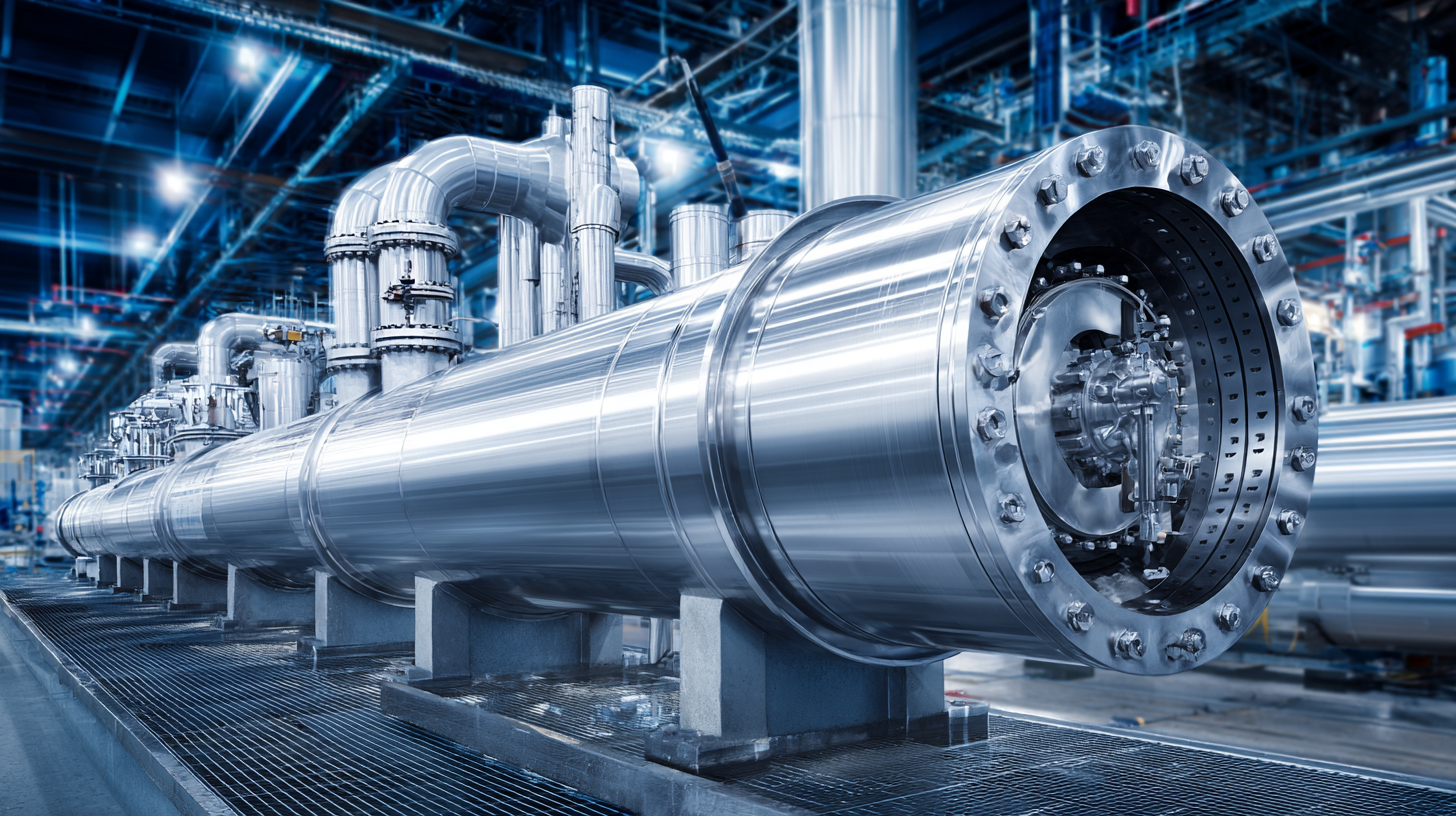
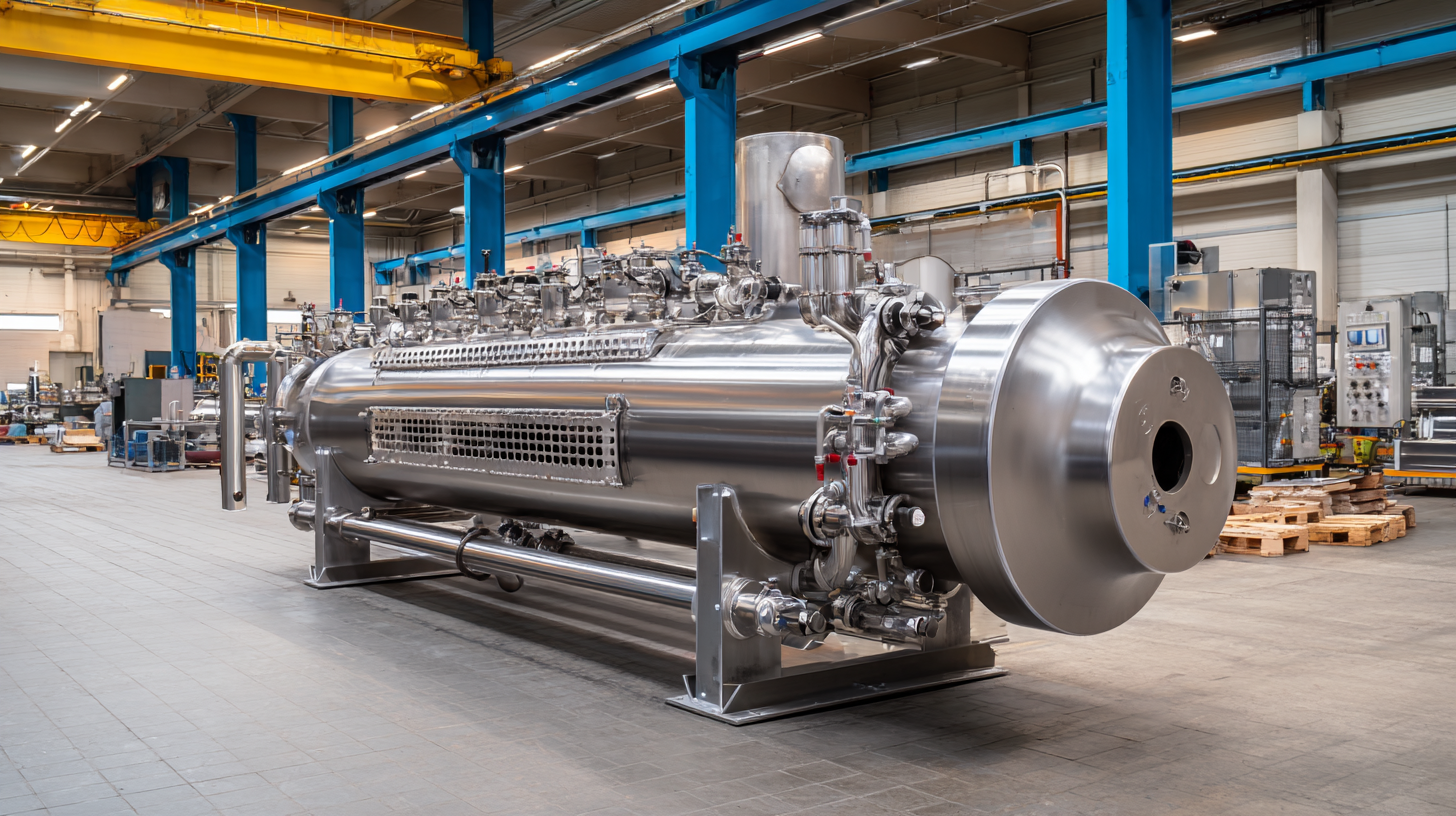
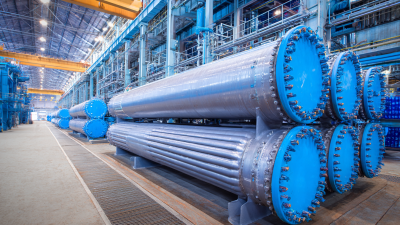
When you're picking out a heat exchanger for industrial stuff, it’s pretty important to understand the different types out there. So, the most common ones you’ll probably run into are shell-and-tube and plate heat exchangers. According to a report by MarketsandMarkets, the global market for heat exchangers is expected to hit around USD 24.3 billion by 2025. The shell-and-tube kind makes up a big chunk of that, mainly because it’s super versatile and works well under high pressure and temperature conditions. Basically, they’re made up of a bunch of tubes—hot fluid runs through one set, cold fluid through another—allowing heat to transfer pretty effectively.

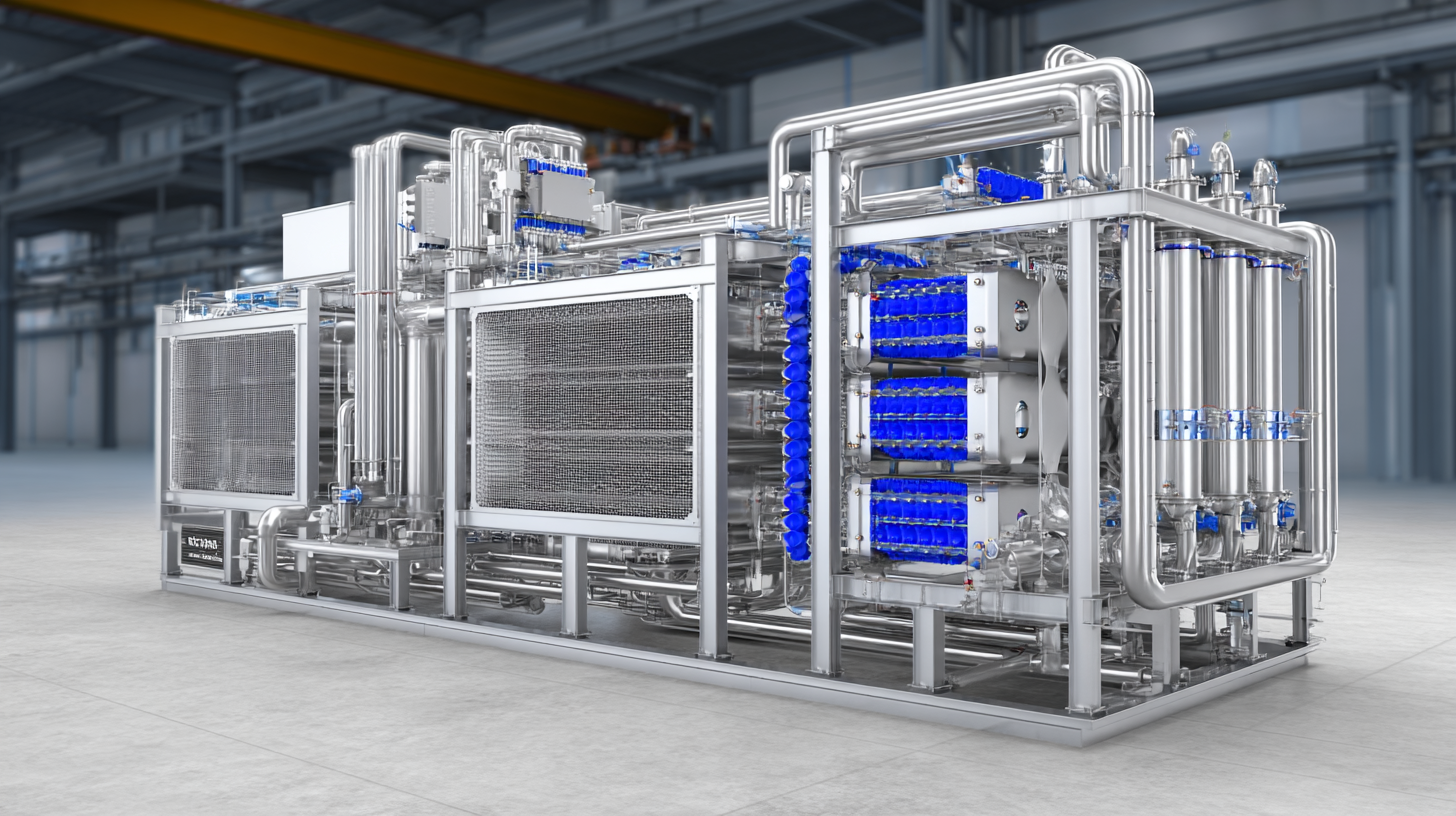
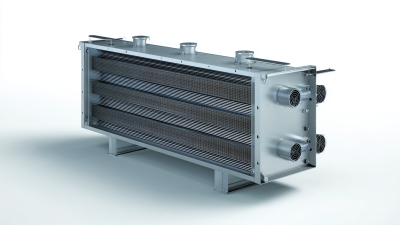
On the flip side, plate heat exchangers are becoming more popular, mainly because they’re compact and transfer heat really efficiently. That same report from MarketsandMarkets suggests this type is growing faster, especially in industries like food processing, pharma, and HVAC systems. They have a larger surface area relative to their size, which means they do a good job of heat transfer without wasting too much energy. That makes them a pretty attractive choice for lots of industries that are looking to save energy and cut costs. All in all, picking the right heat exchanger really comes down to understanding what you need—to keep things running smoothly and efficiently.

Heat Exchanger Type Efficiency Comparison

Key Factors in Heat Exchanger Selection: Capacity, Efficiency, and Space Considerations

Alright, so when you're picking a heat exchanger for industrial use, there are a few key things you really wanna think about—namely, capacity, efficiency, and space. Capacity is basically how much heat the unit can handle transferring, which depends a lot on what your system actually needs — like the flow rates and temperature changes you're aiming for. Getting this right is super important because if you go too big or too small, it could end up wasting energy or not doing the job properly. So, making sure you've got the right size from the start is kind of a big deal.

Then there's efficiency, which is all about how well the heat exchanger does its job without wasting energy. A high-efficiency unit means lower operating costs and better sustainability — nobody wants to throw money away. When you're checking out efficiency, consider what materials it’s made of, the design, and how the fluids move through it. Sometimes, cutting-edge tech like special surface treatments can give you a real boost in performance.

And let’s not forget about space — that always counts. Industrial setups often have tight spots or specific footprint limits. Whether you’re leaning towards compact shell-and-tube models or larger plate exchangers, you gotta make sure it’ll fit comfortably in the space you have. Plus, you want enough room for maintenance and easy access when things need fixing or checking out. Basically, if you keep these factors in mind—capacity, efficiency, and space—you’re way more likely to choose something that’s both cost-effective and performs well in the long run.

Comprehensive Guide to Selecting the Right Heat Exchanger for Your Industrial Needs

Heat Exchanger Type Capacity (kW) Efficiency (%) Space Required (m²) Operating Temperature (°C)
Shell and Tube 1500 85 2.5 200
Plate 1200 90 1.5 150
Air Cooled 1800 80 3.0 100
Fin Fan 1600 82 2.0 180

Analyzing Thermal Performance Metrics: How to Calculate Heat Transfer Coefficients

When you're choosing a heat exchanger for industrial setups, it's pretty important to get a good grasp of how well it performs thermally—especially when it comes to calculating heat transfer coefficients (HTCs).

Comprehensive Guide to Selecting the Right Heat Exchanger for Your Industrial Needs

Lately, there's been some cool progress with nanofluids—those are basically fluids infused with tiny nanoparticles—that seem to boost thermal performance quite a bit. They've shown to outperform regular coolants, sometimes improving HTC by as much as 24% over water. That really puts into perspective how crucial the right material choice is if you want to get the most out of your heat exchangers.

On the flip side, different heat exchanger designs are also jumping ahead thanks to some clever engineering tricks. For example, adding twisted tube geometries to helical coil heat exchangers has resulted in significantly better thermal and hydraulic performance.

Then there are the numerical studies on double-tube spiral heat exchangers, which help us see how different shapes and configurations directly impact heat transfer. Basically, by looking into how various nanofluids behave and exploring smart design tweaks, engineers can make smarter decisions—leading to cooler, more efficient systems in industrial settings.

Material Selection for Heat Exchangers: Corrosion Resistance and Thermal Conductivity

So, when you're picking out a heat exchanger for industrial stuff, the material you choose really matters—especially when it comes to things like resisting corrosion and transferring heat efficiently. These exchangers often face pretty tough environments that can cause them to wear down over time, so going with materials that can handle the harsh conditions is super important if you want them to last and work well. For example, stainless steel and titanium are pretty popular options because they resist corrosion really well. Titanium alloys, in particular, are great for resisting seawater, making them perfect for marine uses. On the other hand, stainless steel is a common pick in food processing plants since it's easy to keep clean and hygienic.

Another key thing to think about is thermal conductivity—basically, how well the material can transfer heat. Copper and aluminum are known for being really good at this—they help heat move quickly, which is essential when fast heat exchange is needed. But, of course, you also have to consider things like the environment they'll be used in and whether there are any chemical reactions with the fluids inside. For really high-temperature jobs, ceramics might be the way to go because they can handle the heat while still resisting corrosion. All in all, by paying close attention to these material properties, industries can really boost the durability and performance of their heat exchanger systems."

Cost-Benefit Analysis: Initial Investment vs. Long-Term Operational Savings

When you're choosing a heat exchanger for your industrial setup, it’s really important to weigh the initial cost against the long-term savings. I read somewhere that, according to the International Energy Agency, heat exchangers make up about 25% of energy expenses in industrial processes. Sure, going for a high-efficiency model might cost a bit more at the beginning, but it can pay off in the long run by cutting down energy bills. Some of those newer, advanced heat exchanger designs can boost thermal performance by around 20%, which means some serious savings on operational costs.

Here’s a quick tip — always think about the payback period. Even if a unit costs more upfront, if it’s super efficient, it might pay itself off faster than you expect, making it a smarter long-term investment.

And don’t forget about maintenance. The U.S. Department of Energy points out that regular maintenance can extend the life of a heat exchanger by up to 30%. Picking a model that's easy to maintain isn’t just about convenience; it also means lower repair costs and less downtime, which can seriously help your bottom line.

Another tip: look for designs that give you access to key parts easily. It makes servicing way simpler and cheaper because you’re not wasting time and labor trying to get to hard-to-reach spots.

Maintenance Best Practices: Ensuring Longevity and Efficiency of Heat Exchangers

Comprehensive Guide to Selecting the Right Heat Exchanger for Your Industrial NeedsWhen it comes to keeping your heat exchangers running smoothly and lasting longer, regular maintenance is really the name of the game. A well-kept heat exchanger not only runs more efficiently but also helps cut down on energy bills and lowers the chances of sudden breakdowns. To get started, it’s a good idea to set up a routine inspection schedule. Checking fluid levels, pressure, and temperature regularly can catch problems early before they become major headaches. And don’t forget to keep an eye out for corrosion or fouling—that stuff can seriously slow down performance if neglected.

Cleaning is also super important. Over time, impurities can build up depending on what’s being exchanged, which can drag down efficiency. Having a systematic cleaning plan—whether through chemicals, mechanical cleaning, or a mix of both—can really help bring things back to peak performance. Plus, keeping track of all your maintenance work isn’t just tedious paperwork. It really helps you see how your heat exchanger is doing over time and plan ahead for future needs. All in all, regular checkups and cleaning can keep your heat exchanger working great for years to come—no surprises, just steady performance.

FAQS

: What are the key factors to consider when selecting a heat exchanger?

: When selecting a heat exchanger, the key factors to consider are capacity, efficiency, and space constraints.

How does the capacity of a heat exchanger affect its performance?

The capacity refers to the heat exchanger's ability to transfer heat based on the system's thermal load requirements. Accurate capacity assessment ensures proper sizing, which can prevent inefficient operation and increased energy costs.

Why is efficiency important in heat exchanger selection?

Efficiency is vital because it directly affects operational costs and sustainability. High-efficiency heat exchangers minimize energy loss and enhance performance through optimized heat transfer between fluids.

What factors influence the efficiency of heat exchangers?

Factors that influence efficiency include the materials used, design configurations, flow arrangements, and modern technologies such as advanced surface enhancements.

How should space considerations impact the choice of heat exchanger?

Space considerations are crucial as industrial setups often have specific limitations. The selected heat exchanger must fit within the designated area while allowing for maintenance access and operational functionality.

What are heat transfer coefficients (HTCs) and why are they important?

Heat transfer coefficients (HTCs) are metrics that measure a heat exchanger's ability to transfer heat. Understanding HTCs is essential for optimizing thermal performance, as advanced materials and designs can significantly enhance these coefficients.

What maintenance practices are recommended for heat exchangers?

Recommended maintenance practices include establishing a routine inspection schedule, monitoring fluid levels and temperature, checking for corrosion or fouling, and implementing a systematic cleaning protocol.

How can cleaning impact the performance of a heat exchanger?

Cleaning helps remove impurities that accumulate over time, which can hinder efficiency. A proper cleaning protocol restores optimal performance and extends the life of the heat exchanger.

Why is documentation of maintenance activities important?

Documenting maintenance activities helps track the condition of the heat exchanger, aids in forecasting future maintenance needs, and ensures the unit continues to function effectively over time.

Conclusion

When it comes to the industrial world, picking out the right heat exchanger is pretty much a big deal. It’s essential if you want to keep energy usage efficient and operations running smoothly. We’ve put together a handy guide that walks you through different types—like shell-and-tube and plate exchangers—and explains what makes each one special for various situations. Things like size limits, how well it transfers heat, and overall capacity are key points you don't want to overlook if you're aiming for peak performance.

We also shed some light on other important stuff, like how to evaluate thermal performance and choosing the right materials—think corrosion resistance and thermal conductivity. Plus, it’s smart to run a cost-benefit analysis so you can see if that initial spend pays off in the long run with savings and better efficiency. And of course, we share some practical tips on maintaining your heat exchangers—so they last longer and keep working like a charm. All in all, the goal is to help your business save energy and stay eco-friendly without a hitch.

Charlotte

Charlotte

Charlotte is a dedicated marketing professional at Hebei Hongke Qingneng Environmental Protection Equipment Co., Ltd., a company established in June 2021. With a strong focus on the research and development of energy conservation and environmental protection solutions, Charlotte possesses an......
Previous Challenges Faced by Global Buyers When Sourcing the Best Waste Water Heat Exchanger