Leave Your Message
0%

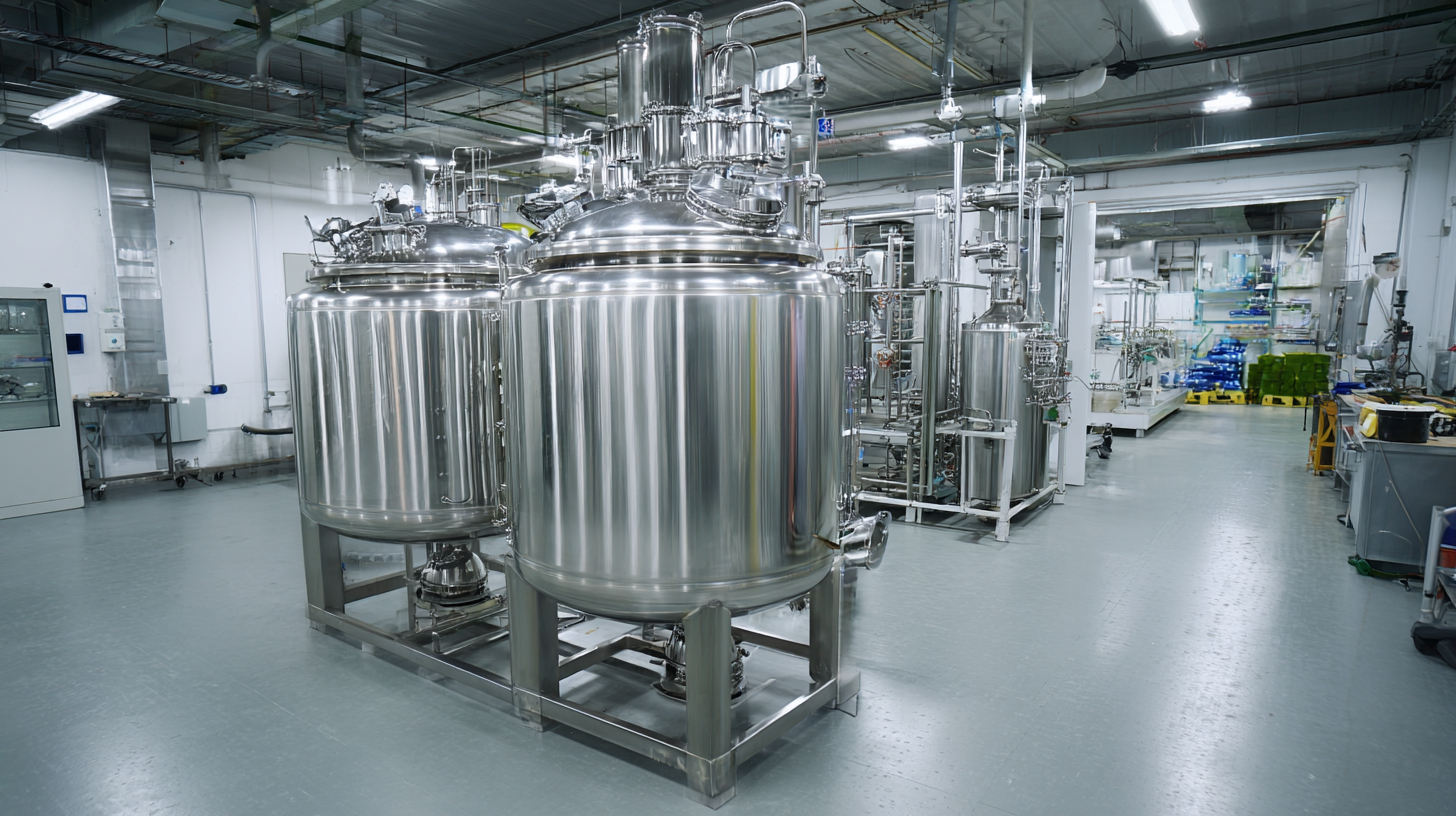
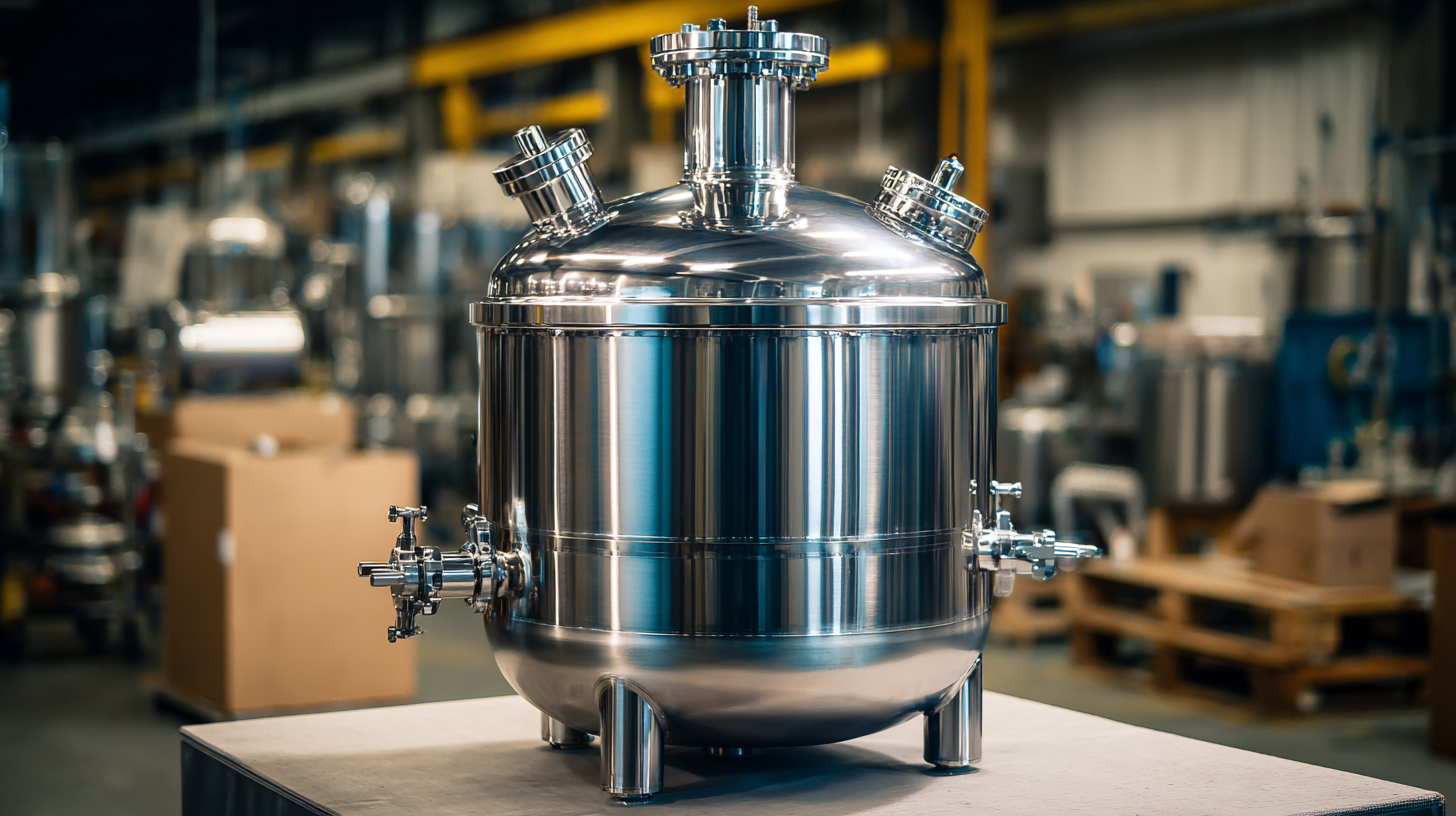
Exploring Innovative Alternatives to the Best Stir Tank for Your Manufacturing Needs You know, the manufacturing industry is really changing fast these days, and everyone is feeling the heat to come up with efficient and smart solutions. I came across this recent report from Research and Marketsthat predicts the global Stir Tank market is going to see some serious growth. It's all because there's an increasing push forenergy conservation and sustainable practices across different sectors. As companies look to step up their production game, we’re seeing some cool alternative stir tank designs and technologies popping up, which is pretty exciting for optimization. At Hebei Hongke Qingneng Environmental Protection Equipment Co., Ltd., which we kicked off in June 2021, we're super passionate about pushing the boundaries of research and development in energy conservation and environmental protection. We're based in the busy industrial hub of Sanhe Economic Development Zone in Langfang City, and we're really focused on creating innovative solutions that fit the changing needs of the manufacturing world, especially when it comes to stir tanks. By diving into these fresh alternatives, we're hoping to help industries reach their efficiency and sustainability goals. It’s an exciting time to be part of this journey!
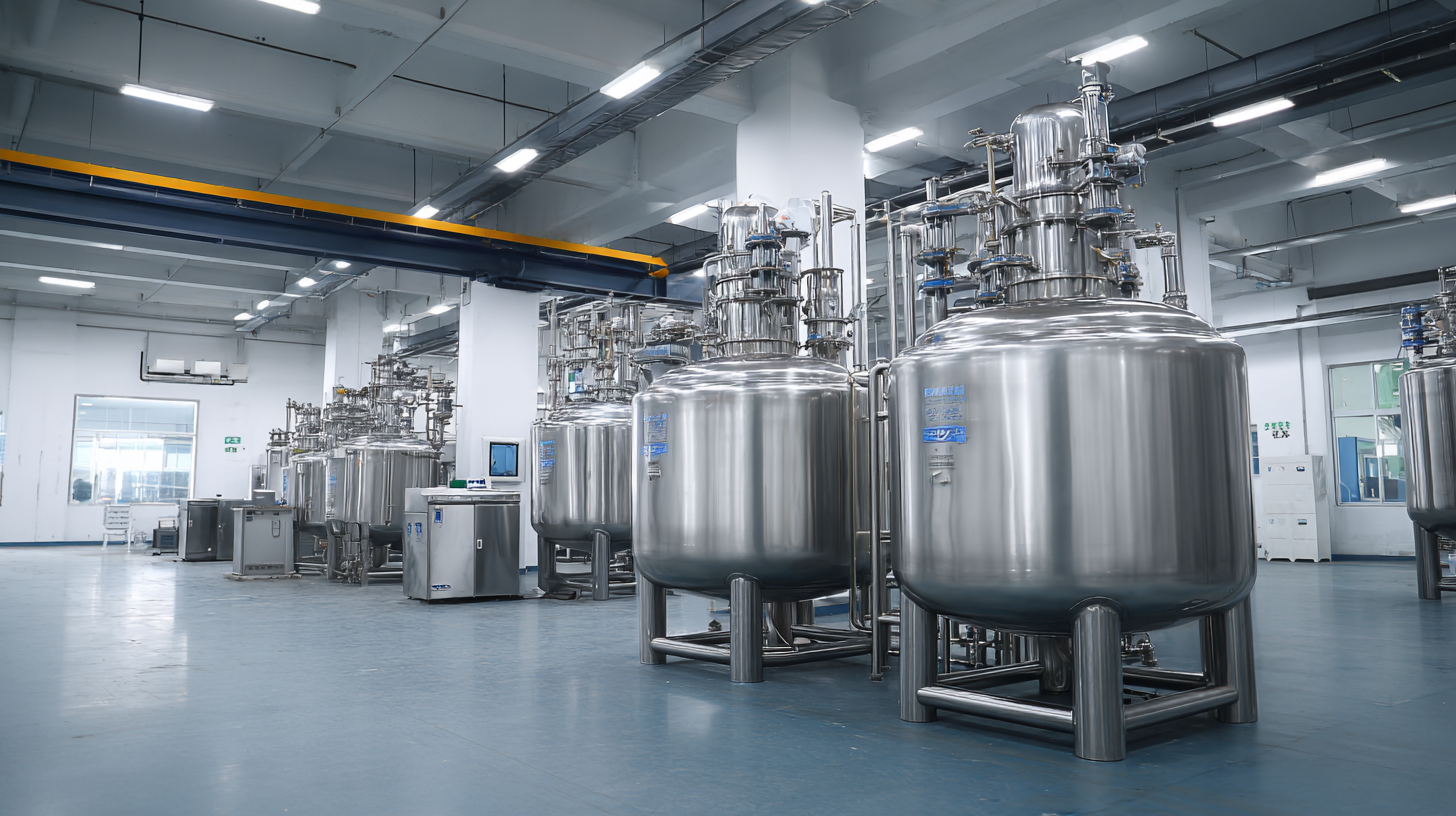
Identifying the Most Effective Stir Tank Alternatives in Manufacturing Processes

When you're thinking about alternatives to traditional stir tanks in manufacturing, there are some pretty cool options out there that can really boost efficiency and effectiveness. For example, inline mixing systems stand out—they offer continuous mixing without needing those bulky tank setups. This means you save on processing time, and it even helps to free up some valuable space in your facility, which is a big win for anyone looking to optimize their layout.

Another great option to consider is using agitated vessels equipped with cutting-edge technology, like magnetic stirring or ultrasonic mixing. These techniques often provide a more balanced mix, and you can tweak them to fit specific needs, which can really improve product quality. Plus, modular mixing systems are super flexible; they allow manufacturers to easily scale things up or down based on demand while keeping the mixing performance consistent.

So, diving into these alternatives might not just make operations smoother, but it could also save a good chunk of change in the long run!

Evaluating the Efficiency of Various Mixing Technologies for Enhanced Production

You know, in the manufacturing world, how we mix things can really change the game when it comes to production outcomes. Traditional stir tanks have been the go-to option for ages, but now, some cool innovations are shaking things up. In this blog, we'll dive into different mixing technologies that are not just efficient, but also fit right into the needs of modern manufacturing. Take high-shear mixing and static mixers for instance—they're speeding things up and making sure everything's nice and uniform, which means quicker processing times and better product quality all around.

And let’s not forget about the tech part! Using digital platforms and automation in mixing processes means we can keep an eye on everything in real-time. This helps fine-tune the mixing conditions on the fly, which cuts down on errors and waste. Plus, there are advanced technologies like ultrasonic and magnetic stirring systems that are really starting to catch on. These offer specific mixing solutions for a bunch of industries—from food and drinks to pharmaceuticals. By checking out these different options, manufacturers can pick the mixing technology that’ll seriously boost their production efficiency and enhance product quality.

Exploring Innovative Alternatives to the Best Stir Tank for Your Manufacturing Needs

Mixing Technology Efficiency (%) Energy Consumption (kWh) Maintenance Frequency (per month) Material Compatibility
Magnetic Stirring 85 1.5 2 Broad
Pneumatic Mixing 90 2.0 4 Limited
Ultrasonic Mixing 95 1.2 3 Wide
Static Mixing 80 1.0 1 Very Broad
High-Shear Mixing 88 2.5 5 Moderate

Key Considerations for Selecting the Optimal Stir Tank Replacement Solutions

Choosing the right stir tank replacement for your manufacturing needs can be a bit of a juggling act. One big thing to keep in mind is finding ways to boost mixing efficiency while using less energy. Thanks to some cool advancements in Computational Fluid Dynamics (CFD) and Artificial Neural Network (ANN) tech, manufacturers can really dig deep into multi-objective optimization for those important parameters. This means they can spot designs that not only mix like pros but also help cut down on operating costs by being smarter about energy use.

On top of that, there's been a noticeable uptick in the demand for Continuous-flow Stirred-Tank Reactors (CSTR) as more people in the industry are leaning towards efficient processing methods. It’s crucial that manufacturers check out these systems for their ability to deliver consistent output and scale up when needed. By harnessing machine learning and numerical simulation, companies can customize their stir tank solutions to fit their unique process needs, helping them stay competitive in this fast-paced market. With the ever-changing landscape of chemical processing, finding innovative alternatives that blend efficiency with sustainability is going to be super important for successful manufacturing operations.

Exploring Innovative Alternatives to the Best Stir Tank for Your Manufacturing Needs

Analyzing Cost-Effectiveness of Innovative Stirring Alternatives in Industry

You know, as industries really push for more efficiency and sustainability these days, finding some innovative stirring alternatives is becoming super important. It’s pretty wild—by 2033, the global market for stir tanks is expected to skyrocket to about $32.46 billion! That’s a jump from an estimated $21.92 billion in 2025, with a growth rate of around 5.0% each year. This trend really highlights just how crucial cost-effective solutions have become, especially in manufacturing sectors where stirring plays a big role.

One exciting area worth looking at is the plastic utensils market, which is projected to hit around $17.06 billion by 2024. With all this talk about sustainability, manufacturers are on the hunt for alternatives that cut down on their environmental footprint while still being budget-friendly. Switching to eco-friendly stirring solutions—like those made from biodegradable materials—could actually save a ton of money on production costs and help with meeting environmental regulations. By putting some money into these innovative alternatives, industries aren’t just stepping up their game operationally; they’re also syncing better with global sustainability goals. In the end, it’s a win-win for boosting competitiveness in the market!

Assessing the Impact of Stir Tank Alternatives on Product Quality and Consistency

You know, when we're looking into some fresh alternatives to those old-school stir tanks, especially for making biodiesel, we really can’t underestimate how much this affects the quality and consistency of the final product. Recent research has shown that if we optimize our feedstock—like, say, palm oil—alongside the transesterification and esterification techniques, we can really boost the efficiency of biodiesel production. For example, the Renewable Energy Association put out a report that claims using advanced mixing tech can give us a whopping 20% boost in biodiesel yield during the reaction process!

Exploring Innovative Alternatives to the Best Stir Tank for Your Manufacturing Needs

And let’s not forget about the choice of stirring methods. Things like ultrasonic agitation or magnetic stirring are getting some great results, helping to create a more uniform product. Not only do these newer methods improve the quality of biodiesel by better mixing those catalysts, but they also cut down on production time. According to a piece from the Journal of Cleaner Production, operations that try out these innovative stirring methods often hit consistency levels close to 95%. That’s way better than the typical stir tanks, which usually struggle to break the 90% mark. So, by switching to these alternatives, manufacturers are not just upping their product quality—they're also setting themselves up to meet those rising regulatory standards and consumer expectations for sustainable, high-quality biodiesel.

Exploring Industry Trends in Stirring Solutions: Data-Driven Insights and Future Directions

You know, nowadays, the manufacturing world is really starting to show just how important efficient stirring solutions are. As the industry evolves, so do the tools and technologies that keep it running. It’s pretty fascinating when you dig into the data – it reveals some cool trends like the emergence of smart stirring systems that leverage IoT technology for real-time monitoring and optimization. These new advancements not only help improve product consistency but also really streamline operations, allowing manufacturers to pivot quickly when demands shift.

**A few tips:** When you’re on the hunt for a stirring solution, think about flexibility and scalability as your top priorities. You want systems that can easily adapt to different production scales and a variety of product types. Plus, integrating some analytics tools can give you invaluable insights into stirring performance, which means you can make adjustments on the fly and boost efficiency.

Oh, and let’s not forget about the trend toward sustainability in the industry. More and more, eco-friendly materials and energy-efficient designs are becoming the norm, not just nice-to-haves. If manufacturers really want to stay ahead of the game, investing in stirring solutions that are in line with environmental goals while still hitting production targets is key.

**Another tip:** Keep an eye on the energy consumption of the stirring solutions you’re considering and definitely look for ones that showcase sustainability features. Working with suppliers who care about eco-friendliness can really help ensure your operations are contributing to a greener future.

Trends in Stir Tank Solutions for Manufacturing

This chart illustrates the growing interest in innovative stirring solutions within the manufacturing sector. The data represents the percentage of manufacturers exploring various stirring technologies over the past five years.

FAQS

: What are some effective alternatives to traditional stir tanks in manufacturing processes?

: Some effective alternatives include inline mixing systems, agitated vessels with advanced technologies (like magnetic stirring and ultrasonic mixing), and modular mixing systems, all of which can enhance efficiency and effectiveness while reducing space requirements.

How do inline mixing systems benefit manufacturing operations?

Inline mixing systems provide continuous mixing capabilities, reducing processing time and minimizing the physical footprint required in manufacturing environments.

What advantages do high-shear mixing and static mixers offer?

High-shear mixing and static mixers facilitate quicker processing times and provide more consistent product quality, making them advantageous for modern manufacturing needs.

How can automation and digital platforms improve mixing processes?

The integration of automation and digital platforms allows for real-time monitoring and adjustments in mixing processes, ensuring optimal conditions and reducing errors and wastage.

What impact does ultrasonic stirring have on manufacturing?

Ultralonic stirring provides targeted mixing solutions for specific applications, which can lead to improved mixing efficiency and quality in various sectors, including food, beverages, and pharmaceuticals.

What trends are influencing the market for stir tanks and alternatives?

The global stir tank market is expected to grow significantly, with increasing emphasis on cost-effective and sustainable solutions driving innovation and the adoption of new mixing technologies.

Why is there a push for eco-friendly stirring solutions in the industry?

The emphasis on sustainability is prompting manufacturers to seek alternatives that reduce environmental impact while maintaining cost efficiency, which can lead to significant savings and compliance benefits.

How might innovative stirring alternatives affect production costs?

By investing in innovative stirring alternatives, industries can enhance operational effectiveness, reduce production costs, and better align with sustainability goals, ultimately boosting market competitiveness.

Clara

Clara

Clara is a dedicated marketing professional at Hebei Hongke Qingneng Environmental Protection Equipment Co., Ltd., where she has been making significant contributions since the company’s establishment in June 2021. With a strong focus on research and development in the energy conservation and......
Previous Challenges Faced by Global Buyers When Sourcing the Best Waste Water Heat Exchanger