Managing medical waste has become a pretty big deal in healthcare systems all over the world. Hospitals and clinics generate tons of waste that can actually be pretty risky for health and the environment if not handled properly. That’s where Medical Waste Sterilizers come in — they’re super important for making sure everything’s safe and clean. But, of course, there are some hurdles, like technology limits, keeping up with regulations, and making sure they run smoothly day-to-day. Here at Hebei Hongke Qingneng Environmental Protection Equipment Co., Ltd., we’ve been working since June 2021 to tackle these issues head-on. Nestled in the Sanhe Economic Development Zone in Langfang City, our goal is to improve sterilizer tech, so we can help make healthcare waste management safer and more eco-friendly for everyone down the line.
Challenges in Ensuring Effective Sterilization of Medical Waste: Key Statistics and Insights
Making sure medical waste gets sterilized properly is a huge challenge for healthcare facilities. As the amount of waste keeps increasing, it’s more important than ever to keep sterilization processes effective and efficient. Believe it or not, statistics show that if sterilization is missed or not done right, it can pose serious health risks — like the spread of infectious diseases. For example, the World Health Organization estimates that about 15% of healthcare waste is actually hazardous and needs special handling. That really highlights how crucial it is to keep a close eye on sterilization methods and make sure they’re up to par with safety standards.
On top of that, medical waste isn’t straightforward stuff to handle. You’ve got all kinds of waste — sharp objects, biological materials, chemical residues — and each of these needs a different approach. Healthcare facilities have to invest in some pretty advanced sterilization tech and make sure staff are well-trained to handle all these different waste streams. If they cut corners or stick with outdated methods, not only does it put public health at risk, but they could also run into legal trouble. So, having solid sterilization protocols in place, along with regular training and the latest tech, really is key. It’s all about protecting healthcare workers and the community at large from potential hazards.
Understanding the Impact of Inefficiencies in Medical Waste Sterilization on Environmental Health
You know, when it comes to medical waste sterilization, anything less than efficient can really take a toll on the environment. Handling this waste improperly isn’t just a minor issue—it can pose serious risks to both public health and our planet. In hospitals and clinics, the sterilization process is super important to make sure hazardous materials don’t end up contaminating the surroundings. But, honestly, managing these sterilizers isn’t always straightforward. Sometimes, their effectiveness isn’t up to par, which means dangerous germs and chemicals might slip through the cracks. Fixing these shortcomings is so crucial if we want to keep people safe and protect ecosystems at the same time.
One approach that seems pretty promising is using the PDCA cycle—think of it as a continuous improvement loop. It really helps hospitals, especially in places like operating rooms where sterilization is all about precision. By breaking down the process into planning, doing, checking, and acting, hospitals can spot where things might be going wrong and make adjustments along the way. It’s all about continuous tweaks and improvements, making sure waste gets treated properly every single time. And honestly, raising awareness among healthcare workers about just how important proper waste management is can make a huge difference in reducing environmental harm and boosting public health overall. It’s all about working smarter and staying committed to better practices.
Exploring the Economic Costs Associated with Ineffective Medical Waste Management Practices
The economic impact of poor medical waste management isn’t just big — it’s pretty complex too. A recent report points out how failing to properly sterilize and dispose of medical waste can really hit healthcare facilities hard, both health-wise and financially. When waste isn’t managed well, it ups the chances of disease spreading, which is scary enough on its own, but it can also lead to hefty fines or even lawsuits. Those costs just pile up, adding to the already tight budgets hospitals are struggling with because of rising expenses and not-so-great reimbursements.
Given the ongoing financial squeeze hospitals and medical groups are feeling, improving how they handle waste actually seems like a pretty smart move. For example, shifting toward a circular economy — you know, reduce, reuse, and recycle — could not only cut costs but also boost health outcomes at the same time. Studies show that better waste management can lead to healthier communities and might even save money in the long run by preventing costly health issues. Companies like Hebei Hongke Qingneng Environmental Protection Equipment Co., Ltd. are working on energy-efficient, eco-friendly solutions, which makes adopting better waste tech even more important. Overall, making these changes could really help tackle the twin challenges of keeping costs in check and protecting public health.
Implementing Best Practices to Overcome Sterilizer Performance Challenges in Healthcare Facilities
When it comes to healthcare, making sure medical waste sterilizers work well and do their job efficiently is super important for keeping both patients and staff safe. That said, there are quite a few hurdles that can get in the way—things like outdated equipment, accidental operator mistakes, or not enough monitoring. To really stay on top of things, hospitals and clinics need to adopt practices that fit their specific setup and needs.
One tip that really makes a difference is offering regular training for the folks handling sterilization. When employees get proper education on how to operate and maintain the sterilizers, it cuts down on human error quite a bit. Plus, doing routine check-ups or audits to see how everything's going can help catch issues early and ensure everyone is following the right protocols.
Another smart move is to bring in better tech—like modern monitoring systems. These tools can track sterilizer performance in real-time, so if something’s off, it can be fixed immediately. Not only does this boost accountability, but it also gives a clearer picture of how things are running, which can lead to smarter waste management overall.
Challenges in Managing Medical Waste Sterilizer Effectiveness and Efficiency
| Challenge | Description | Best Practice | Impact on Efficiency |
| Inconsistent Sterilization | Varying sterilization results due to equipment malfunction. | Implement regular maintenance and validation protocols. | Reduces reprocessing time and waste. |
| Operator Training | Lack of knowledge about sterilization procedures. | Conduct regular training and certification for staff. | Improves compliance and reduces error rates. |
| Monitoring Efficiency | Difficulty in tracking sterilizer performance over time. | Utilize data logging systems to monitor sterilization cycles. | Enhances accountability and responsiveness. |
| Regulatory Compliance | Staying updated with changing regulations. | Create a compliance checklist for all procedures. | Minimizes legal risks and enhances trust. |
| Waste Generation | Excessive waste resulting from inefficient processes. | Adopt a waste reduction strategy. | Decreases disposal costs and environmental impact. |
Innovative Technologies Shaping the Future of Medical Waste Sterilization Efficiency and Effectiveness
You know, cutting-edge tech is really shaking things up when it comes to sterilizing medical waste. It's making the whole process quicker, smarter, and way more effective than before. With all the medical waste piling up worldwide, it's super important for healthcare providers to jump on these advanced sterilization methods. Not only do they help cut down on environmental harm, but they also keep the staff safer. 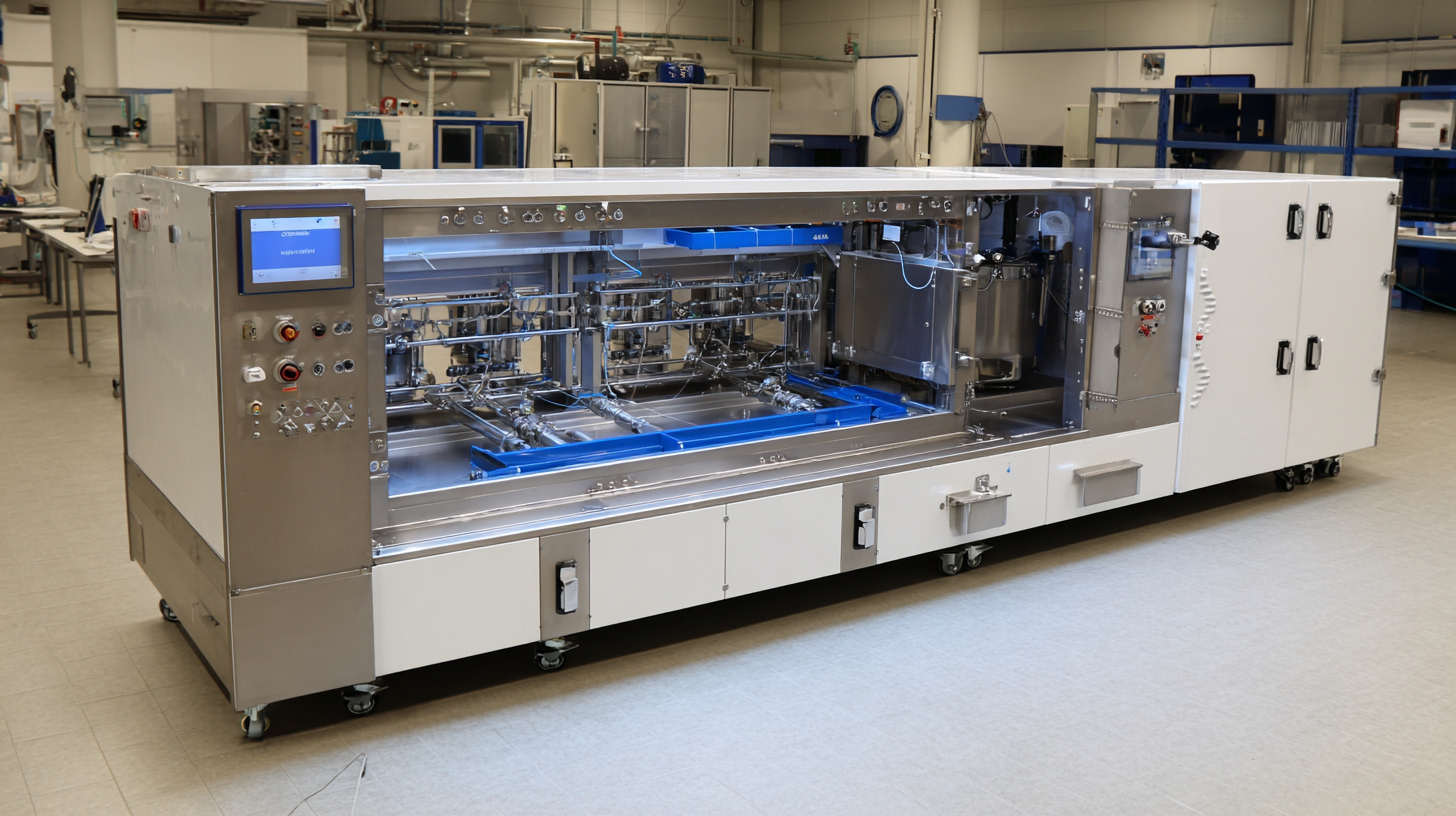 For example, some of the newer systems using supercritical water or plasma sterilization are pretty exciting alternatives to the old-school autoclaves. They can do the job faster and use less energy, which is a big win.
And here’s a tip—regular training for staff on these new technologies really makes a difference. When the team knows how to operate the new equipment properly, it boosts effectiveness and cuts down the chance of mistakes that might mess up the sterilization.
On top of that, adding digital monitoring tools can give instant insights into how things are working, making traceability and accountability a breeze. These innovations put healthcare facilities in a stronger position to stick to strict safety standards while managing waste effectively.
Oh, and one more thing—consider investing in IoT-connected devices that let you keep an eye on sterilization conditions remotely. Not only does this help stay compliant with health regulations, but it also gives you a chance to spot and fix issues before they become big problems.
Regulatory Requirements and Their Role in Enhancing Medical Waste Sterilizer Reliability and Compliance
Managing the sterilization of medical waste has become more and more shaped by strict regulations, all aimed at making sure everything’s reliable and compliant. I came across a report from the Global Disease Control Project that said we’re generating over 5.9 million tons of medical waste every year around the world. Crazy, right? That’s why following proper sterilization procedures is so crucial—not just to keep everyone safe but also to protect the environment. Agencies like the EPA and WHO set out pretty detailed guidelines that medical facilities need to stick to. These rules aren’t just recommendations; they make sure waste is treated effectively, so there's really no room for shortcuts.
These regulations really influence how hospitals and clinics run their sterilization systems. They have to follow standards that specify things like temperature, pressure, and how long the process should last. For example, ANSI recommends maintaining at least 121°C for a minimum of 30 minutes. That’s a big deal because it directly impacts how sterilizers are designed and operated. If a facility doesn’t meet these standards, they could face serious consequences—like hefty fines or even putting patient safety at risk. That’s why many hospitals and clinics are now investing in high-tech sterilization equipment that not only meets but exceeds these standards. It’s all about making their processes more reliable and efficient while staying totally compliant.
FAQS
: Common challenges include outdated equipment, operator errors, and inadequate monitoring practices.
By implementing regular training programs for staff involved in the sterilization process, employees can be equipped with the necessary knowledge on proper operation and maintenance.
Routine audits evaluate the sterilization procedure to ensure compliance with established protocols and identify areas for improvement.
Advanced monitoring technologies, such as real-time data tracking systems, help facilities stay informed about sterilizer performance and allow for immediate corrections if irregularities arise.
Innovative technologies, such as supercritical water or plasma sterilization, offer faster cycles and reduced energy consumption, enhancing overall efficiency and effectiveness.
Training staff on the latest technologies improves efficacy by maximizing the capabilities of new equipment and minimizing the risk of errors.
Digital monitoring solutions provide real-time feedback on sterilization parameters, enhancing traceability and accountability in waste management.
IoT-enabled devices allow for remote monitoring of sterilization conditions, helping maintain compliance with regulations and proactively addressing issues.
Advanced methods reduce environmental impact while improving safety for healthcare workers, especially with the increasing volume of medical waste generated.
By integrating innovative technologies and continuous staff training, facilities can uphold stringent standards while effectively managing their medical waste.
Conclusion
Managing medical waste sterilization isn’t exactly a walk in the park — it comes with its fair share of challenges that affect both hospitals and the environment. Honestly, data shows some pretty worrying inefficiencies in how we handle sterilizing medical waste. That stuff can sometimes leak out and cause real environmental hazards. Not only is this a health concern, but it also hits healthcare facilities right in the pocket, thanks to costs from non-compliance and running inefficiently. It’s a double whammy.
So, to really tackle these issues, hospitals and companies need to adopt best practices and get serious about new tech. Sterilizers must tick all the boxes when it comes to regulations to ensure they're safe and reliable. Companies like Hebei Hongke Qingneng Environmental Protection Equipment Co., Ltd. are leading the charge here, developing smarter sterilization solutions that focus on saving energy and protecting our planet. That’s exactly what’s needed to make medical waste management more effective and less of a headache.