When it comes to boosting operational efficiency and being more eco-friendly, Steam Condensers are pretty much a game-changer in lots of industries. As companies look for ways to streamline their processes and cut down on wasted energy, knowing the best practices for using steam condensers really matters. Here at Hebei Hongke Qingneng Environmental Protection Equipment Co., Ltd., which we started back in June 2021, we’re all about pushing forward in research and development—especially when it comes to energy savings and protecting the environment. Our goal is to make top-notch, efficient equipment because we believe industries need innovative solutions that help them stay sustainable. In this blog, I’ll share five key tips to help you get the most out of your steam condensers. Trust me, these insights can help boost your plant’s performance and also do your part in a greener, cleaner future.
Understanding the Role of Steam Condensers in Plant Efficiency Enhancement
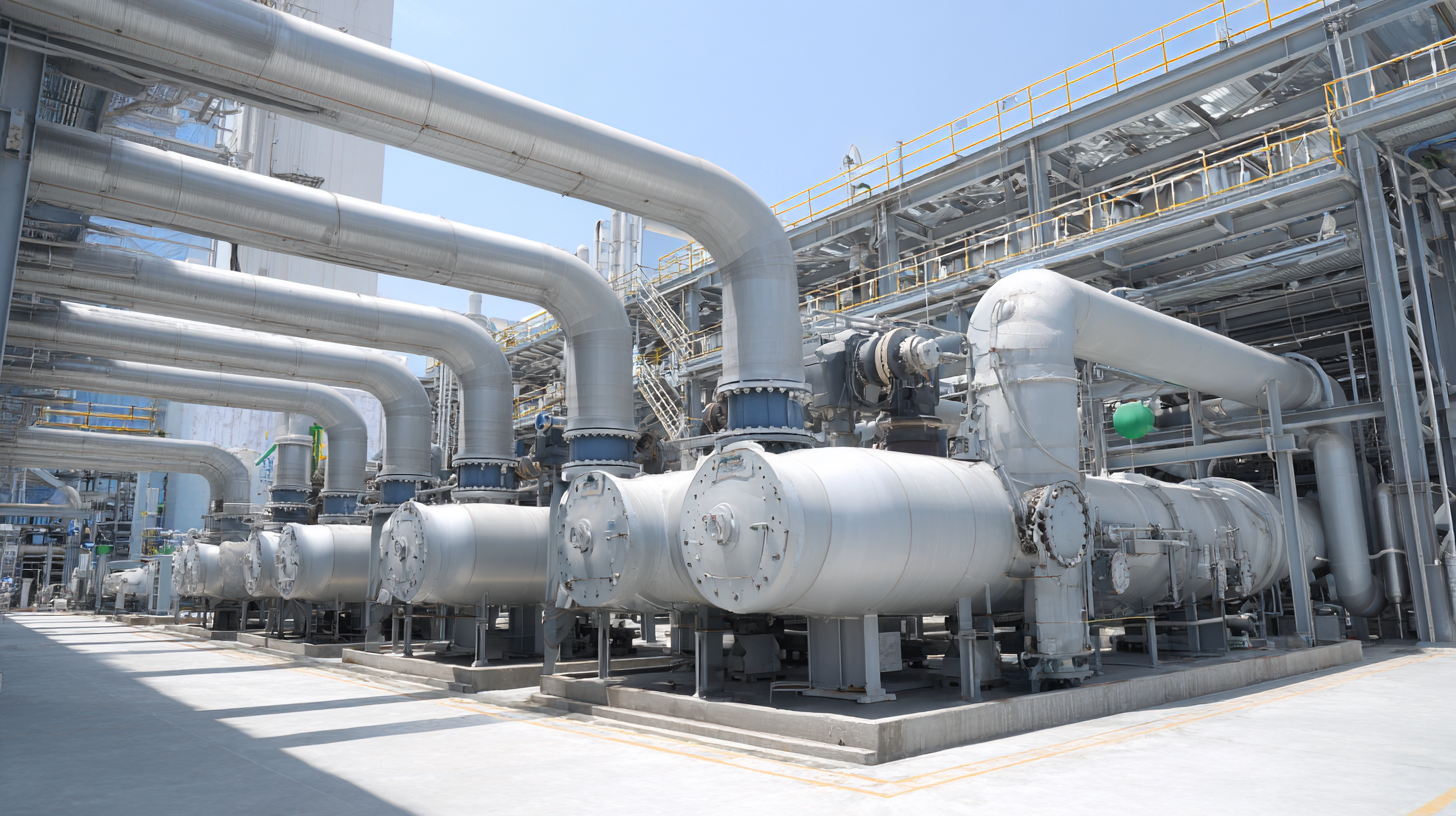
Steam condensers might not be the flashiest part of an industrial plant, but let’s be honest—they’re pretty darn crucial when it comes to keeping things running smoothly. Their main job? Turning exhausting steam back into water. Sounds simple, but this step is a game-changer—it recovers energy that would otherwise be wasted and makes sure there's always enough water for the whole steam cycle. You know, the U.S. Department of Energy actually says that fine-tuning these systems can save anywhere from 10% up to 30% of energy. Crazy, right? It really shows how vital good steam management is, especially for factories that depend on steam either for heat or processing stuff.
And here’s another thing: if you keep those condensers in good shape, you'll likely cut down on operating costs and extend the lifespan of your equipment. A report from the International Energy Agency pointed out that doing regular check-ups and upgrades can cut energy use by about 6%. Basically, when you keep the condensers humming at full tilt, it reduces the strain on other machinery—saving you from costly repairs and unexpected downtime. All in all, it boosts performance, cuts costs, and lines up pretty nicely with all those rising environmental regulations and sustainability goals companies are eyeing these days. It’s really about working smarter, not harder.
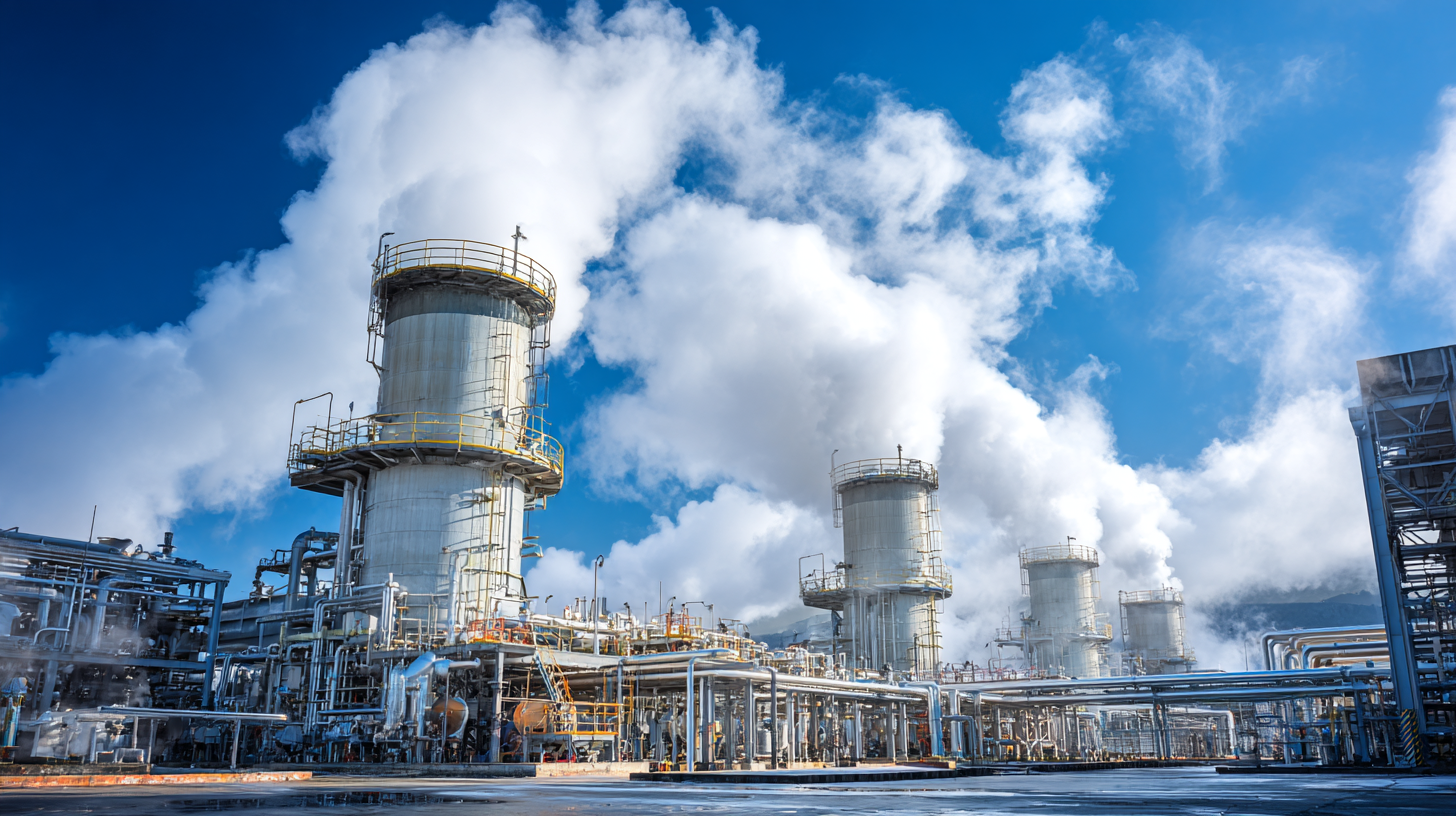
Key Metrics: Analyzing the Thermal Performance and Efficiency of Steam Condensers
If you're looking to boost the thermal performance of your plant's steam condensers, paying attention to the key metrics is super important. One of the most critical ones is how efficiently the condenser transfers heat—basically, how well it moves heat from the steam to the cooling water. By regularly checking the temperature difference between these two, you can catch any issues early on and tweak things before they become bigger problems. It’s like giving your system a quick health check to keep everything running smoothly.
Another thing you shouldn’t overlook is the condensation rate—that’s how much condensate you’re collecting. Keeping an eye on this can help you spot potential bottlenecks or leaks, which might be wasting valuable thermal energy. Oh, and don't forget about pressure levels inside the condenser. If the pressure’s too high, your system's efficiency drops, so it’s a good idea to figure out what's causing that and fix it. By focusing on these numbers, plant operators can really improve the efficiency of their steam condensers and, in turn, make the whole operation run a lot more smoothly and productively.
Optimizing Condensate Recovery: Benefits and Best Practices for Industrial Applications
Making sure we recover condensate effectively is a big deal when it comes to boosting overall efficiency in industrial setups. If plants follow some best practices for running steam condensers, they can really cut down on energy bills and waste. Recovering condensate isn’t just about saving energy — it also helps the environment, which is a huge plus. That totally lines up with what Hebei Hongke Qingneng Environmental Protection Equipment Co., Ltd. is all about. Since they started back in June 2021, they’ve been all in on creating smart solutions to help industries save energy and run their steam systems more efficiently.
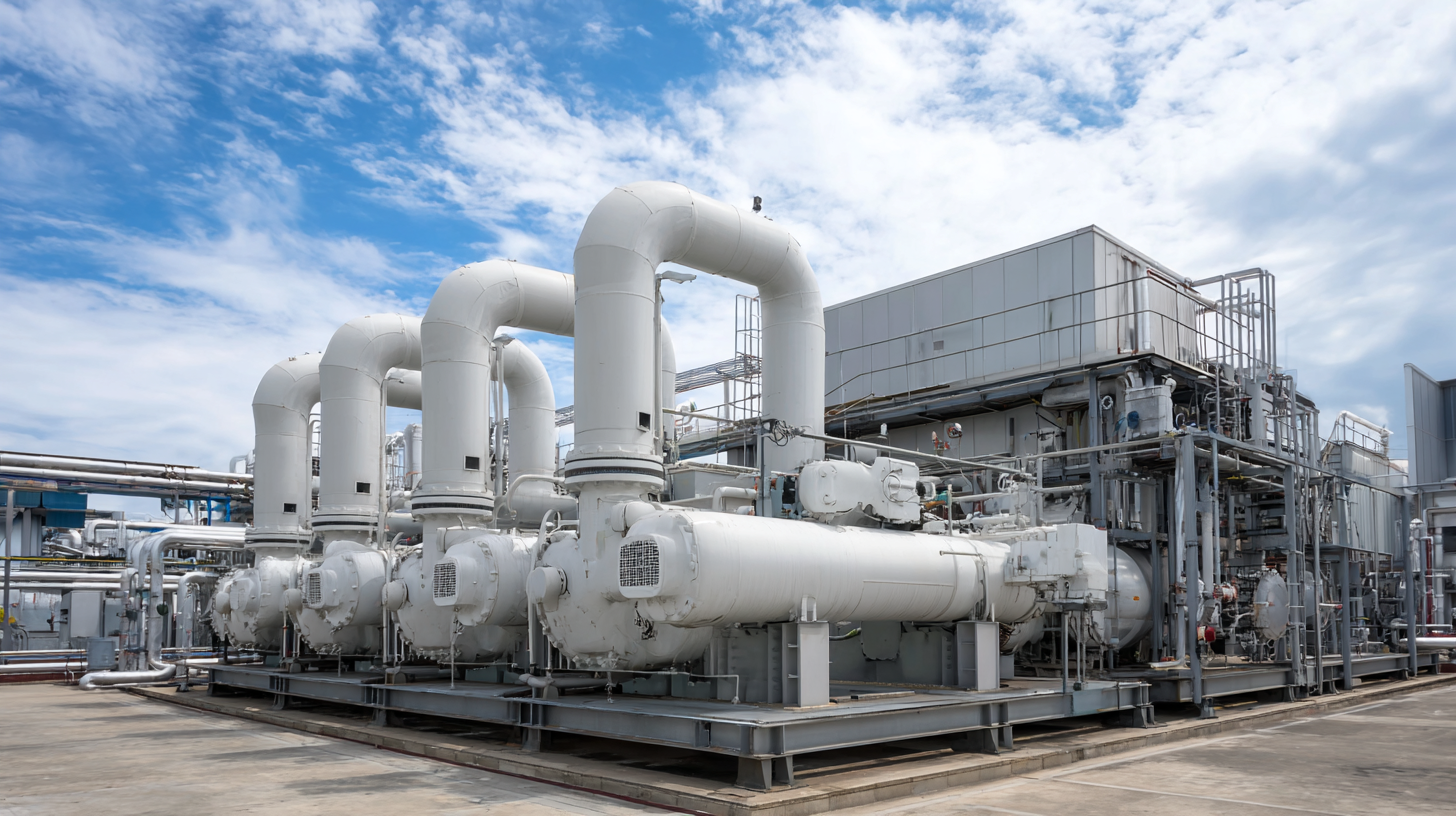
One of the coolest perks of good condensate recovery is using less fresh water, which cuts operational costs. Plus, by putting that condensate back into the boiler, plants can get more bang for their buck in thermal efficiency — meaning less fuel needed to produce steam. Some simple but effective tips? Regularly maintaining your steam condensers, making sure you’ve got proper insulation to keep heat from escaping, and investing in top-notch recovery equipment to make the whole process smoother. Trying out these strategies not only boosts efficiency but also shows a real commitment to protecting the environment. It’s all part of Hebei Hongke Qingneng’s mission to promote sustainable industrial practices, after all.
Maintenance Strategies: Reducing Downtime and Improving the Lifespan of Steam Condensers
When it comes to running smooth industrial operations, having solid maintenance strategies for steam condensers is a total game-changer. Skimp on maintenance, and you’re risking unexpected downtime or worse — shortening the life of your equipment. That’s why taking a proactive approach can really make a difference. Regular checks and using predictive maintenance tech let plant managers spot potential problems early, before they turn into costly issues. Getting hands-on with advanced diagnostics helps you understand exactly how each unit wears out over time, so you can jump in with repairs or tweaks just when you need to — no unnecessary downtime.
Plus, if you’re into the latest tech, adding digital twin technology into the mix can give you real-time insights into how your condensers are actually performing. This kind of smart asset management lets you simulate different operating scenarios and fine-tune performance settings on the fly. Trying out these modern predictive maintenance tools means your steam condensers will stay running at their best, boosting overall plant productivity. With the industry constantly evolving, it’s more important than ever to stay ahead by using innovative maintenance strategies to keep those condensers in top shape.
Energy Savings: How Properly Functioning Steam Condensers Can Cut Costs by Up to 20%
You know, properly working steam condensers aren’t just about keeping things running smoothly — they can really make a difference when it comes to your costs. Recent studies show that if you keep your energy systems in check, you could save up to 20% on energy bills. That’s pretty huge, especially in industries like chemical processing or auto manufacturing, where energy use is sky-high. By getting creative with heat recovery techniques, plants can actually reclaim a lot of that wasted energy, making everything run more efficiently.
And honestly, it’s not just about saving money. Good condensers also help with better thermal control inside the plant. Modern heat transfer tech lets you recover and reuse heat across different processes, like in thermal desalination. So, by jumping on these new advancements, industries can ensure their steam systems are operating at their best, while also cutting down on unnecessary energy waste. In the end, investing in maintaining and upgrading steam condensers isn’t just good for the budget — it’s a smart move for sustainability and staying competitive these days.
Energy Savings with Efficient Steam Condensers
This chart illustrates the potential energy savings percentage based on the efficiency levels of steam condensers. High efficiency can lead to savings of up to 20%, while low efficiency shows no savings.
Leveraging Technology: The Impact of IoT on Monitoring and Controlling Steam Condensation Systems
In today’s fast-changing world of industry, using tech like the Internet of Things (or IoT, if you wanna keep it casual) can really boost how we keep an eye on and control steam condensation systems. Basically, IoT lets you gather data in real-time and get insights on the fly, so plant folks can spot problems or inefficiencies before they turn into bigger headaches. Just by hooking up smart sensors to your steam condensers, you can check out all those important performance metrics — making sure everything’s running smoothly and at its best.
If you’re serious about getting the most out of your steam condensers, I’d suggest looking into predictive maintenance. It’s all about using the data from IoT to predict when something might need fixing, which means less downtime and your equipment lasts longer. Plus, adding automated controls can really fine-tune things like steam flow and temperature, helping you save energy and run things more efficiently.
And don’t forget, diving into some advanced analytics on your data can be a game changer. By spotting patterns in how everything’s used, you can tweak and optimize where needed. All these data-driven decisions not only make your operations smoother but can also save you a pretty penny over time.
Innovative Solutions for Safe and Efficient Medical Waste Disposal: The Role of Centralized High-Temperature Steam Treatment Equipment
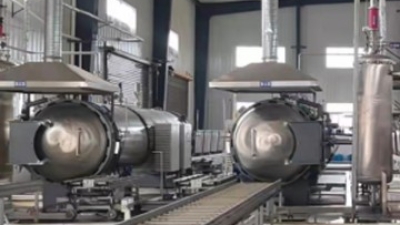
In the healthcare sector, the safe and efficient disposal of medical waste is an ongoing challenge that demands innovative solutions. One of the most promising technologies in this field is the centralized high-temperature steam treatment equipment. This system stands out for its mature and advanced processing capabilities, ensuring that medical waste is not only sterilized effectively but also handled with minimal operational complexity.
The core advantage of the centralized medical waste high-temperature steam treatment system lies in its thorough sterilization process. By employing high temperatures and steam, the system effectively neutralizes pathogens, thereby reducing the risk of infection and promoting public health safety. Furthermore, its high degree of automation allows for streamlined operations, making it easier for healthcare facilities to implement and manage, even in high-volume waste scenarios.
By adopting such innovative waste disposal technologies, healthcare providers can enhance their waste management strategies, ensuring compliance with regulatory standards while also prioritizing environmental sustainability. The centralized approach not only simplifies the logistics of waste handling but also contributes to the overall efficiency of medical operations, paving the way for a safer healthcare system.
FAQS
: Properly functioning steam condensers can lead to energy savings of up to 20%, significantly reducing operational costs, especially in energy-intensive industries such as chemical processing and auto assembly.
Innovative waste heat recovery methods allow facilities to reclaim surplus energy that would otherwise be lost, thereby enhancing overall efficiency and reducing energy consumption.
Efficient steam condensers improve thermal management by enhancing heat transfer technologies, which facilitate effective heat recovery and utilization in various processes, including thermal desalination.
IoT technology enables real-time data collection and analysis, helping plant operators identify inefficiencies and potential issues in steam condensation systems before they escalate.
Predictive maintenance involves using IoT data to forecast when maintenance is needed, effectively reducing downtime and prolonging the life of steam condenser equipment.
Integrating automated controls can optimize steam flow and temperature, leading to improved energy utilization and operational efficiency in steam condensation systems.
Advanced analytics help interpret collected data to identify usage patterns and necessary adjustments, enhancing the overall effectiveness and efficiency of steam condensation systems.
Investing in the maintenance and technology of steam condensers not only cuts costs but also promotes sustainable practices by minimizing energy waste in industrial operations.
The impact is particularly significant in industries such as chemical processing and auto assembly, where high energy consumption is common.
Industries should implement a combination of IoT monitoring, predictive maintenance strategies, and advanced analytics to maximize the efficiency and effectiveness of their steam condensation systems.
Conclusion
In today’s industrial world, boosting efficiency isn’t just a luxury—it’s a must. And one of the key players in making that happen is the Steam Condenser. Honestly, understanding how these things work can really help your plant run smoother and more effectively. By keeping an eye on important metrics and thermal performance, companies can tweak their operations to get the most out of their equipment. Plus, recovering condensate properly isn’t just about performance—it comes with a bunch of other perks that you definitely don’t want to overlook.
On top of that, having a solid maintenance plan is super important. It helps cut down on downtime and can even extend the life of your condensers—top it off, and you’re looking at potential energy savings of up to 20% on your costs! And here’s something cool: integrating IoT technology into these systems is opening up new doors for real-time monitoring and smarter control. At Hebei Hongke Qingneng Environmental Protection Equipment Co., Ltd., we’re all about saving energy, and these new practices really line up with our goals. It’s exciting to see the industry moving toward more sustainable, efficient operations.