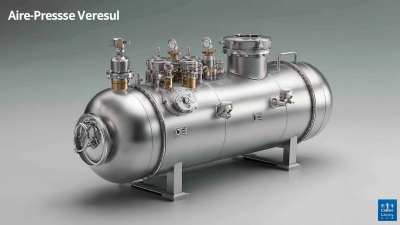
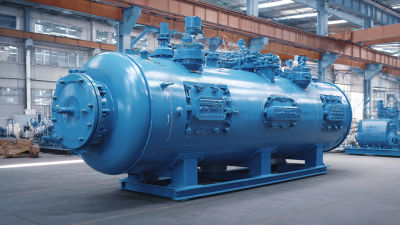
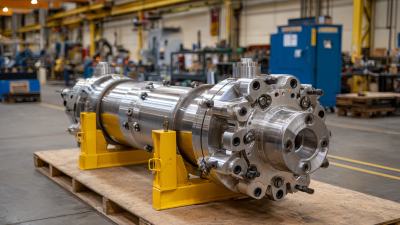
In today’s fast-changing world of energy saving and environmental protection, finding ways to get the most out of Oil Pressure Vessel operations has really become a hot topic for folks in the industry. Here at Hebei Hongke Qingneng Environmental Protection Equipment Co., Ltd., which we started back in June 2021, our main focus is on coming up with innovative solutions that really make a difference in this important field. We’re based in the Sanhe Economic Development Zone in Langfang City, and our expertise isn’t just about manufacturing top-notch environmental protection gear — we’re also all about making operations smoother and more efficient.
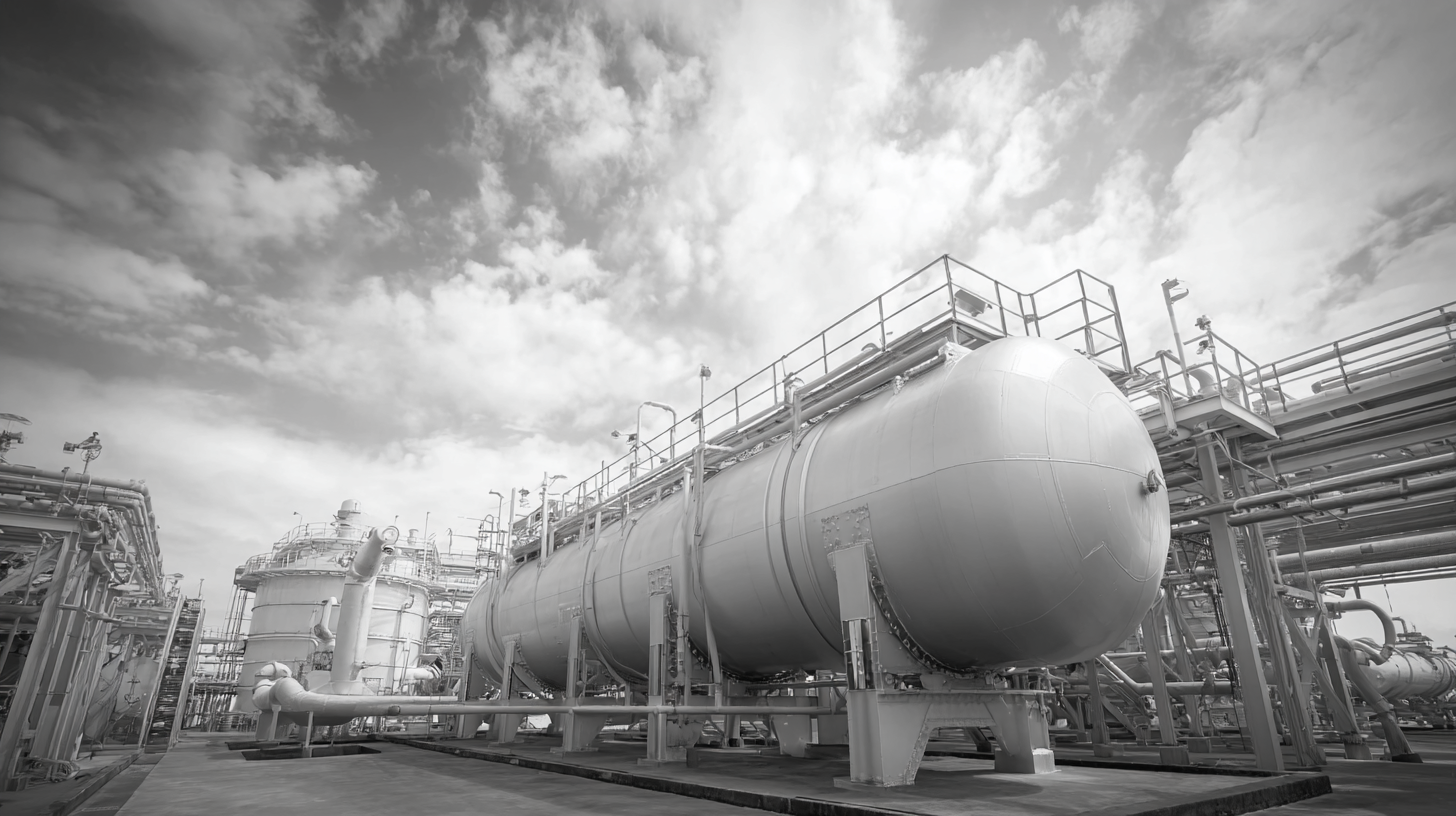
In this blog, I want to share some of the best strategies to boost the performance and dependability of Oil Pressure Vessels. These tips can help operators get better results while also sticking to sustainable practices. Whether you’re aiming to make your processes more streamlined or cut down on downtime, these insights could really come in handy if you want to stay ahead in the energy conservation game.
Key Technologies to Enhance Oil Pressure Vessel Performance
You know, in the pretty demanding world of oil and gas, making sure that oil pressure vessel operations run smoothly is more important than ever. Luckily, there are some game-changing tech solutions out there. For example, real-time monitoring systems—think of them as the vessel’s heartbeat—help operators keep a close eye on performance all the time. The International Energy Agency (IEA) even suggests that by snapping up these smart tech tools, companies can boost efficiency by up to 15%. That’s a big deal when it comes to cutting down energy use and saving on costs.
And here's another cool thing — predictive maintenance powered by machine learning. Basically, these systems dig into past performance data to foresee issues before they actually happen. That means less unexpected downtime, sometimes by as much as 30%. The American Society of Mechanical Engineers (ASME) points out that embracing these technologies doesn’t just keep everything running smoothly; it actually helps extend the life of those pressure vessels and keeps safety and compliance on point. As tech keeps evolving, it gives folks in the field the tools they need to not only stay competitive but also make everything safer and more efficient — a win-win, really.
Implementing Predictive Maintenance for Improved Reliability
You know, using predictive maintenance for oil pressure vessels is really becoming a game-changer. More and more companies are realizing just how much it can boost reliability and help get the most out of their equipment. I read a report from the Aberdeen Group that said those who jump on the predictive maintenance train can cut downtime by around 30% and save up to 25% on maintenance costs — not too shabby, right? Basically, it all comes down to smart tech like advanced analytics and IoT devices that keep a close eye on your vessels in real time. This way, you can spot issues early and fix them before they turn into bigger problems.
A key part of this whole thing is condition-based monitoring — you know, tracking pressure, temperature, vibrations, stuff like that. The International Society of Automation (or ISA) points out that having these systems in place can really cut down on surprise outages, which means everything runs smoother. By catching problems early, companies don’t just protect their equipment; they also help it last longer. Over time, that adds up to some serious cost savings. Overall, adding these strategies into the mix helps firms handle the tricky world of oil pressure vessels way better, keeping things running smoothly even when the market’s tough. It’s all about staying ahead and making sure productivity stays high.
Streamlining Operational Processes to Reduce Downtime
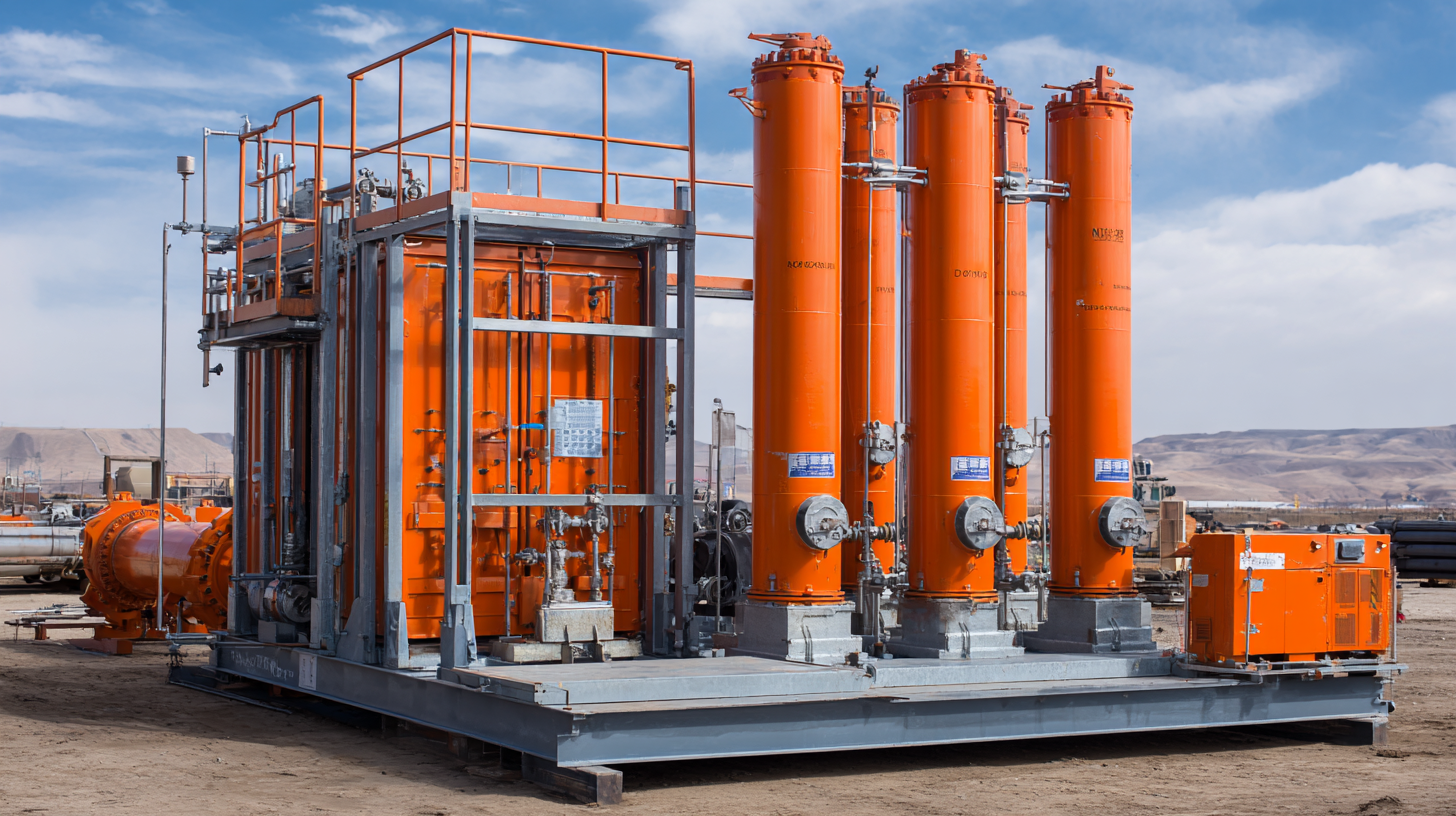 In the competitive world of oil pressure vessel operations, really making sure everything runs smoothly is a big deal. At Hebei Hongke Qingneng Environmental Protection Equipment Co., Ltd., we totally get that streamlining how things work doesn’t just boost productivity—it also helps cut down on unnecessary downtime, which is a huge plus. You know, industry reports say that unplanned downtime can eat up as much as 15% of production time in oil and gas operations—that’s millions lost in output and repair costs. So, putting in place solid maintenance routines, using predictive analytics, and better managing resources are all smart moves to keep things running efficiently and avoid those costly hiccups.
On top of that, investing in cutting-edge environmental protection gear can really make a difference. Studies show that companies switching to energy-saving tech might see their efficiency jump by up to 30%. Here at Hebei Hongke, we’re all about R&D—developing innovative environmental solutions so that businesses can not only reduce their environmental impact but also crank up the performance of their pressure vessels. Plus, by focusing on ongoing training and raising awareness among staff, we can help keep processes optimized and maintain those high-efficiency standards across the industry. It’s all about continuous improvement, right?
Training and Development for Skilled Personnel in Vessel Operations
Training and development are honestly some of the most important pieces when it comes to keeping oil pressure vessel operations running smoothly. These days, with skills-based work models catching on quickly, companies like Hebei Hongke Qingneng Environmental Protection Equipment Co., Ltd. really need to invest in their teams and provide good learning opportunities. Since they're focused on saving energy and protecting the environment, it’s crucial that their staff stay up-to-date with the latest skills and knowledge. When companies encourage continuous learning, employees get better at using new technologies and techniques, which in turn boosts overall efficiency.
And let’s be honest — automation is changing the game pretty fast. That’s why upskilling isn’t just a nice-to-have anymore; it’s essential. Getting the team comfortable with AI and related tech means they can actually harness these tools in their everyday work. Programs offered at specialized academies or training centers can really close those skills gaps and make sure everyone’s ready for the challenges of modern vessel operations. Focusing on ongoing training not only lifts employee morale but also helps the company grow and stay competitive in a tough market. It’s all about preparing for the future, one step at a time.
Leveraging Data Analytics for Operational Insights and Optimization
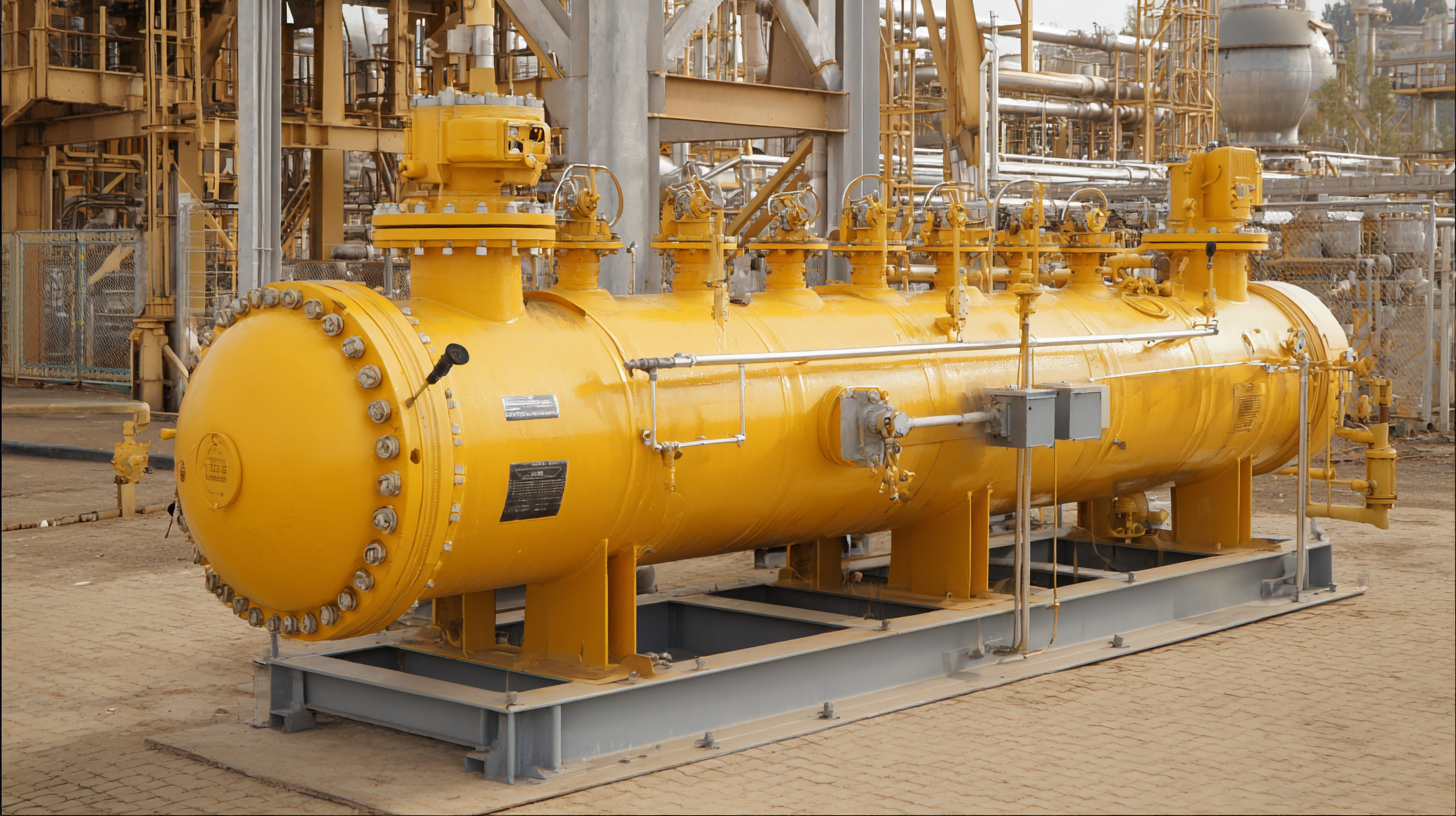
When it comes to managing oil pressure vessels, using data analytics has really transformed how we operate—making everything way more efficient and effective. By gathering and digging into huge amounts of operational data, companies can actually get a pretty clear picture of how their vessels are performing. It’s like having a extra set of eyes that can spot patterns and glitches in real time. That means operators can jump on maintenance needs early on and tweak operational settings to keep things running smoothly. For example, predictive analytics can even warn us about potential equipment failures before they happen, which helps cut down on downtime and saves a ton of money.
On top of that, making good use of data analytics helps us understand energy use and process efficiencies much better. Thanks to sophisticated algorithms and machine learning, teams can identify where things aren’t as efficient as they should be, and then fix those issues directly. This doesn’t just boost overall performance; it also keeps us in line with safety standards and environmental rules. As the industry keeps evolving, bringing data analytics into everyday operations will be key to staying competitive. These technologies give teams a real edge—helping them make smarter decisions, run smoother operations, and ultimately increase profits.
Top Strategies for Maximizing Efficiency in Oil Pressure Vessel Operations
This bar chart illustrates the various strategies implemented to enhance the efficiency of oil pressure vessel operations over a six-month period. The data reflects the percentage improvement in operational efficiency for each strategy.
Innovative Approaches to Custom Non-Standard Pressure Vessel System Solutions for Diverse Industrial Needs
In today’s industrial landscape, the demand for custom non-standard Pressure Vessel Systems has reached new heights, driven by the unique requirements of diverse sectors. Innovative approaches to pressure vessel design and manufacturing are essential for meeting the specific needs of industries including energy, chemicals, and biopharmaceuticals. With over a decade of specialized experience in this field, we have established a high-end equipment system that integrates research and development, precision manufacturing, and intelligent service to deliver tailored solutions.
Our commitment to innovation is exemplified by our development of a three-dimensional parametric design platform. This cutting-edge technology allows for precise structural simulations and process optimizations, particularly for non-standard equipment like adsorption tanks and reactors. By achieving a design accuracy of ±0.5mm, we are proud to claim that our approach is 40% more efficient than traditional methods, ensuring that we can meet the stringent specifications that our clients demand.
Moreover, our national design qualifications (A2/D1/D2 categories) bolster our capabilities, ensuring compliance and safety across all custom pressure vessel projects. By focusing on the unique challenges presented by different industrial applications, we not only enhance operational efficiency but also pave the way for groundbreaking advancements in the functionality and performance of pressure vessels.
FAQS
: Key technologies include advanced monitoring systems, real-time data analytics tools, and predictive maintenance strategies supported by machine learning algorithms.
Implementing smart technologies can lead to an operational efficiency increase of up to 15%, which reduces energy consumption and operational costs.
Predictive maintenance can decrease unplanned downtime by as much as 30% by predicting potential failures before they occur.
These technologies enhance safety and ensure compliance with stringent industry regulations, extending the lifespan of vessels.
Training and development are crucial for maximizing efficiency, equipping employees with the latest skills for utilizing advanced technologies, and fostering continuous learning.
As automation technologies reshape the industry, upskilling initiatives become vital to prepare the workforce to leverage innovations effectively in their daily operations.
A strong emphasis on continuous learning enables employees to be more adept at utilizing advanced technologies and practices, ultimately enhancing operational efficiency.
Specialized training programs can bridge the skills gap and ensure that personnel are well-equipped to handle the complexities of modern vessel operations.
Investing in training boosts employee morale and aligns with the organization's growth goals, positioning it for long-term success in a competitive market.
Reports by organizations such as the International Energy Agency (IEA) and the American Society of Mechanical Engineers (ASME) highlight the benefits of these technologies in enhancing efficiency, safety, and compliance.
Conclusion
If you're looking to boost efficiency when it comes to operating Oil Pressure Vessels, there are quite a few strategies worth considering. For starters, embracing the latest tech can really up the game—making these vessels more flexible and better suited to different tasks. Setting up predictive maintenance is also a game-changer; it not only helps catch issues early but also cuts down unexpected breakdowns, keeping things running smoothly and productivity high. Taking a close look at your processes and streamlining them can make a big difference too—making sure resources are used wisely and workflows flow without hiccups.
And don’t forget about your team. Investing in their training and development is super important—having skilled folks who really understand how to handle these complex vessels can save a lot of headaches down the line. Lastly, using data analytics can give you all sorts of insights into how things are actually running, helping you make smarter decisions and keep improving over time. Here at Hebei Hongke Qingneng Environmental Protection Equipment Co., Ltd., we’re all about innovation in energy conservation and environmental protection, so these strategies align perfectly with our goals—making sure Oil Pressure Vessels operate sustainably and efficiently in today’s industrial world.