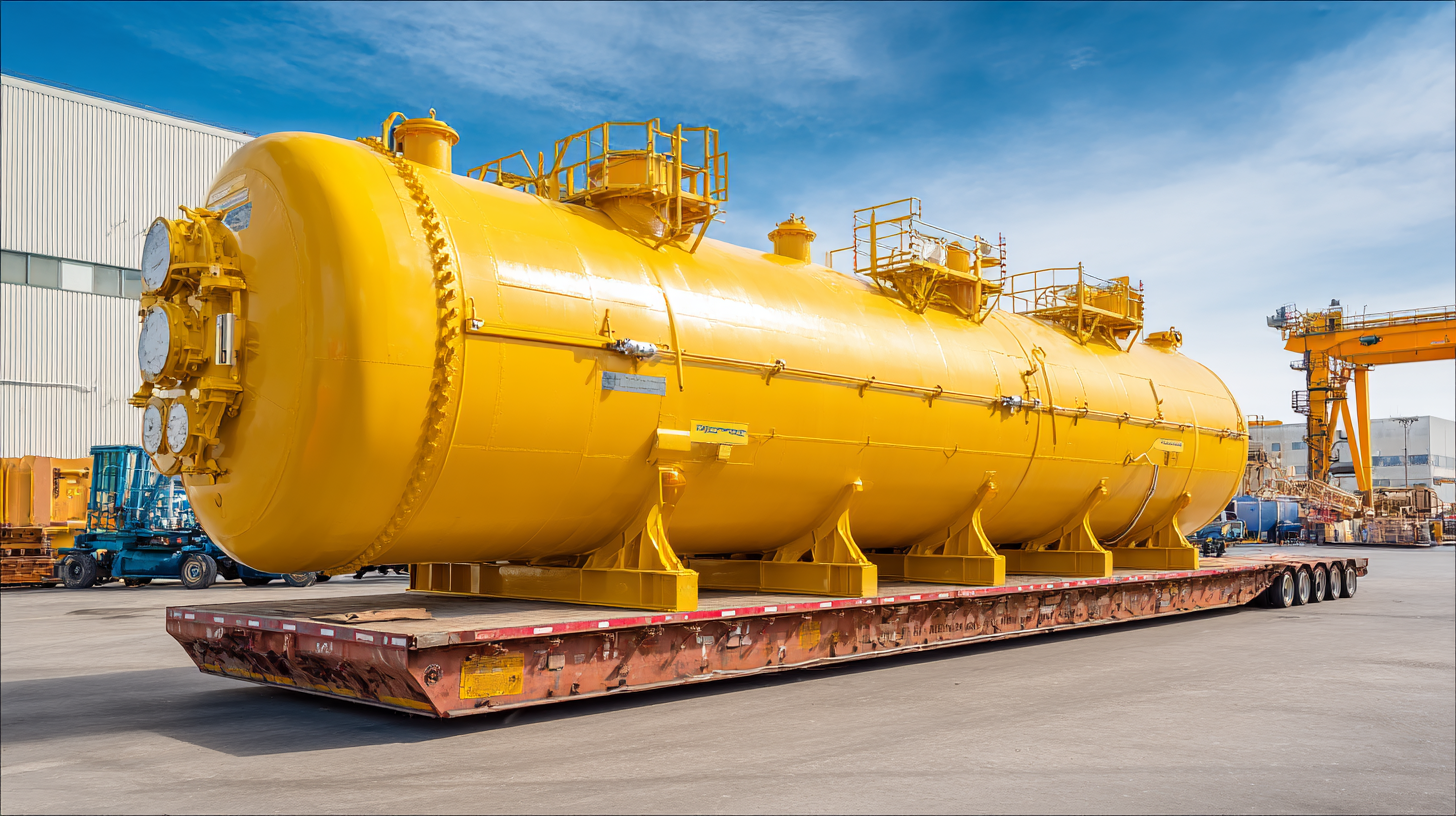
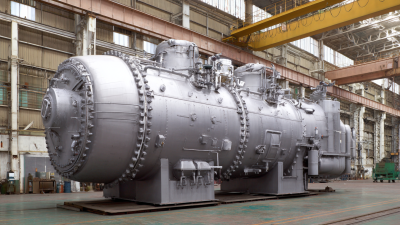
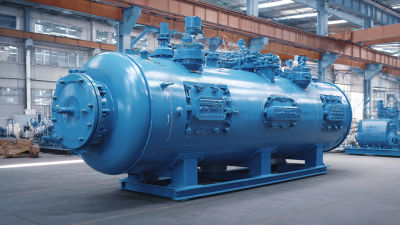
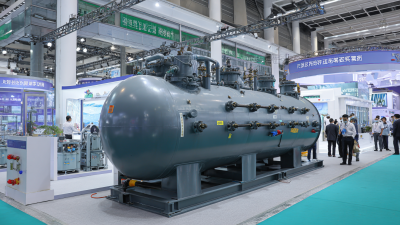
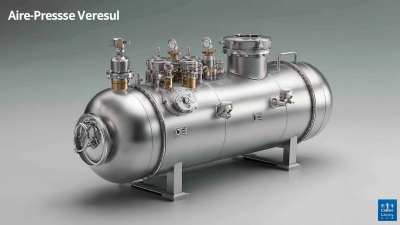
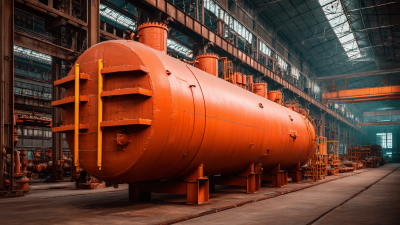
In today’s industrial world, making sure that operations run safely and efficiently is more important than ever—especially when it comes to Pressure Relief Vessels, or PRVs for short. According to a report from the American Society of Mechanical Engineers, these vessels are pretty much the backbone of preventing disastrous failures in pressure systems. In fact, around 80% of industrial accidents are linked to pressure-related issues. As industries push for better energy savings and doing their part for the environment, companies like Hebei Hongke Qingneng Environmental Protection Equipment Co., Ltd. are really stepping up, focusing on R&D and manufacturing solutions that improve how PRVs work. Founded in June 2021 in the Sanhe Economic Development Zone of Langfang City, this company is all about innovating technologies that don’t just meet safety standards but also support sustainability goals for today’s applications. This guide’s gonna walk you through some of the best practices and strategies to get the most out of Pressure Relief Vessels—helping you ensure safety and keep things running smoothly across different industries.
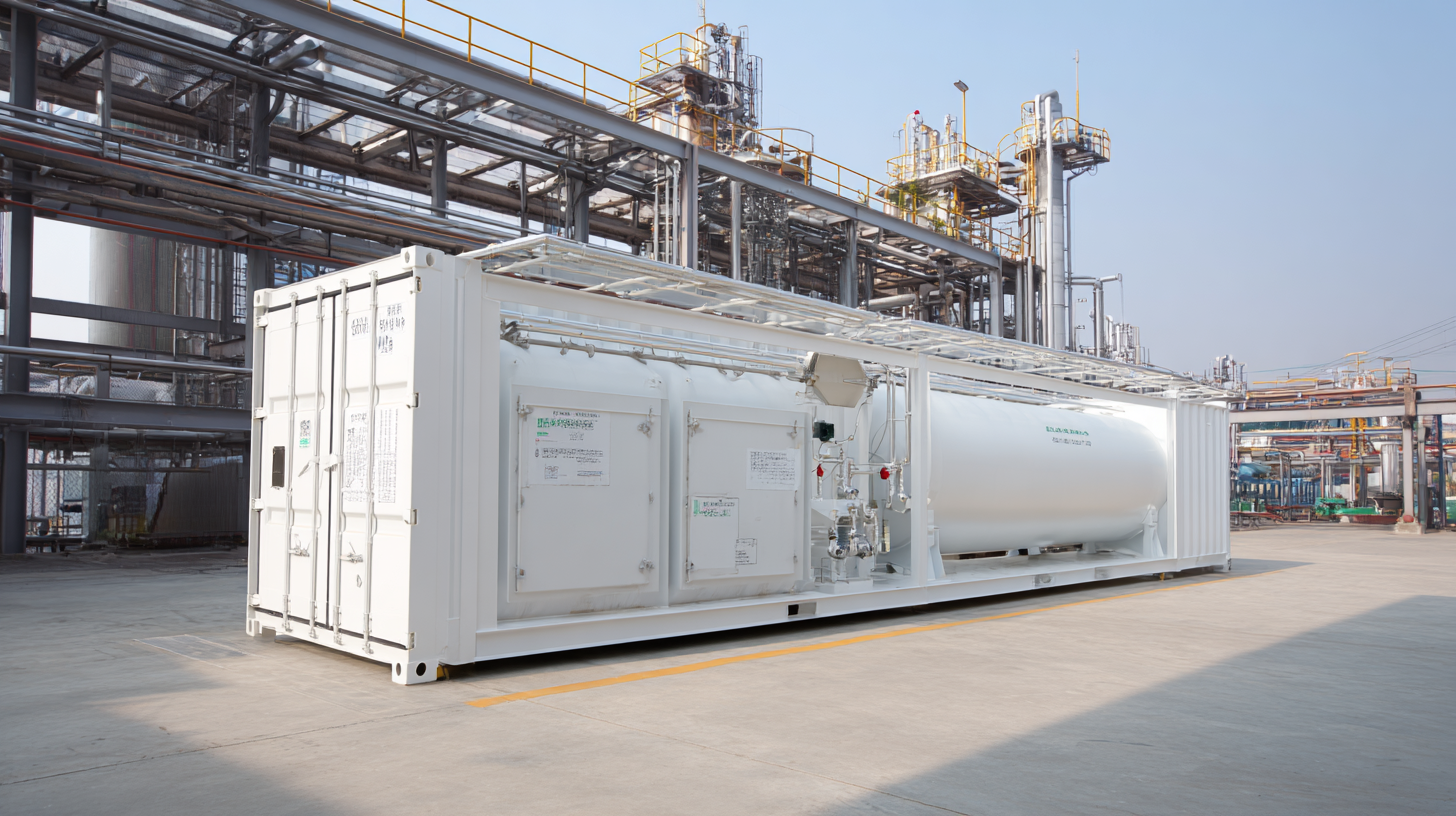
Understanding Pressure Relief Vessels: Key Concepts and Designs
Getting a good handle on pressure relief vessels is super important if you want your industrial setups to run safely and smoothly. Basically, these vessels are there to vent off excess pressure in the system—because if they don’t, things can get pretty disastrous. I read somewhere that according to the American Society of Mechanical Engineers (ASME), about 70% of pressure-related mishaps happen because the pressure relief systems weren’t up to snuff. That really underlines how crucial it is to design these vessels robustly and stick to safety standards.
One thing to keep in mind when designing or choosing a relief vessel is getting the right size and type. For example, API 520 has some solid guidelines on sizing, especially based on expected flow conditions. If you pick the wrong size, it can really compromise your system’s safety. Also, using better materials can boost the durability of these vessels. And these days, more and more folks are adopting smart monitoring tech—that means real-time data on what's happening pressure-wise—which is a game-changer for maintenance and avoiding accidents.
**Quick tip:** When you're picking a relief vessel, double-check that it meets local rules and industry standards. Regular inspections and maintenance are a must because, honestly, that’s where most failures happen. And if you can, go for smart technology options that send alerts or give you analytics—it’s a big help in keeping the whole system in check and running well.
Top 5 Applications of Pressure Relief Vessels in Industry
Pressure relief vessels are honestly pretty important across a bunch of industries, especially when safety and efficiency are top priorities. For example, in food processing, these vessels help keep pressure levels just right—that’s crucial for keeping food safe and fresh. As the industry starts leaning more towards sustainable stuff, pressure relief vessels naturally become even more vital—they make sure equipment stays within safe limits, preventing accidents and protecting the quality of the final product.
Then, in the chemical world, these vessels are basically lifesavers when dealing with stuff that's super volatile. They work as safety valves, releasing excess pressure during reactions to stop anything from turning into a disaster. On top of that, the energy sector depends on these vessels to control pressure in pipelines and storage tanks, making things safer and more efficient at the same time. As industries continue to adapt—especially with growing focus on sustainability and stricter safety rules—the dependence on pressure relief vessels will just keep growing. They’re really a key part of modern operations, no doubt about it.
Maximizing Safety and Efficiency: The Essential Guide to Pressure Relief Vessels in Modern Applications - Top 5 Applications of Pressure Relief Vessels in Industry
| Application Area | Industry | Functionality | Key Safety Benefits |
| Oil & Gas Extraction | Oil and Gas | Pressure relief during drilling and production | Prevents equipment failure and explosions |
| Chemical Processing | Chemical Manufacturing | Controls pressure surges in reactors | Enhances worker safety and environmental protection |
| Pharmaceutical Production | Pharmaceuticals | Maintains stable conditions during manufacturing | Reduces risk of contamination and accidents |
| Food Processing | Food Industry | Controls pressure in cooking and sterilization | Ensures product safety and compliance |
| Power Generation | Energy Sector | Protects steam systems and turbines | Prevents shutdowns and ensures efficiency |
7 Best Practices for Maintaining Safety and Efficiency
In today's world, pressure relief vessels are absolutely essential when it comes to keeping things safe and running smoothly. You know, following industry best practices is a must—especially when it comes to regular inspections and maintenance. For example, a report from the American Society of Mechanical Engineers (ASME) points out that doing routine checks can actually cut down the risk of failures by up to 30%. It’s honestly a smart move for companies to stick with a preventive maintenance plan because it saves a ton of money that would otherwise go into dealing with unexpected downtimes.
A couple of tips: make sure to thoroughly inspect the pressure relief valves and swap out any parts that look worn out. It’s also a good idea to set up a regular testing schedule so you can be confident that everything’s functioning properly under pressure.
On top of that, bringing in some of the latest tech can really help boost how efficiently these systems work. A recent study published in the International Journal of Pressure Vessels and Piping mentions that smart monitoring tools can spot issues in real time, which means faster responses during emergencies.
So, a couple more tips: use data analytics to keep an eye on how the vessels perform over time. This way, you can make proactive tweaks before things go wrong—keeping everyone safe and your operations running smoothly. And, don’t forget about staff training! Keeping everyone up-to-date with the latest tech ensures everyone’s on the same page and ready to handle any situation.
3 Common Challenges in Pressure Relief Systems and Solutions
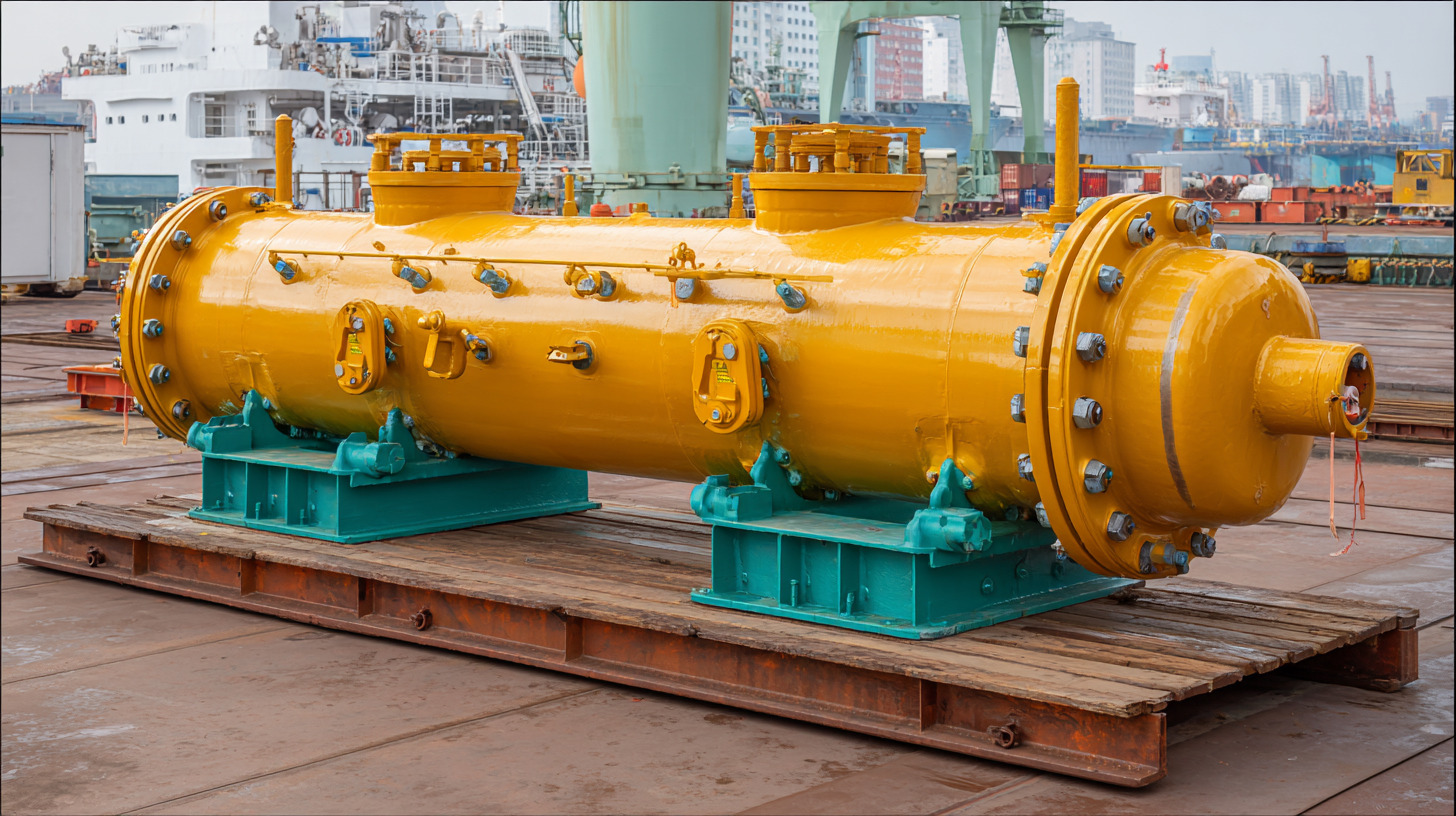 Pressure relief systems are super important for keeping things safe and running smoothly in a bunch of industrial setups. But, honestly, they do run into some pretty common problems that can mess with their effectiveness. One big issue is wear and tear over time, which can make these systems less reliable. That’s why regular check-ups and using the latest monitoring tech can really help catch problems early on and keep everything working like it should.
Another thing to watch out for is sizing the relief valves right—if they’re too small or too big, you could end up with overpressure or just venting unnecessarily. Both of these issues aren’t great for safety or efficiency. So, it’s important to do thorough system assessments and follow industry standards when choosing and sizing those valves. Plus, giving proper training to the folks who operate and maintain these systems can make a big difference in how well everything performs.
And then there’s the whole digital side of things. Integrating pressure relief systems with smart, digital solutions opens up a lot of cool opportunities—like real-time data and better decision-making. But, it also brings some extra headaches, especially around cybersecurity. Making sure you have solid security measures in place and keeping systems updated regularly is key to protecting these critical components. By tackling these challenges with a well-rounded approach, you can really maximize how well these pressure relief systems work in today’s modern setups.
10 Tips for Selecting the Right Pressure Relief Vessel for Your Needs
When you're picking out a pressure relief vessel (PRV) for your specific needs, it's really important to get a good handle on how you'll be using it and what safety stuff you need to keep in mind. Recently, I came across reports showing that industries like commercial fishing have to follow pretty strict safety rules — and that’s mainly because marine environments can be so tricky. These regulations usually set the standards for PRV specs, making sure everything stays compliant and crews stay protected in unpredictable waters.
Plus, I read that more than half of vessel accidents are linked to safety oversights. That’s a big red flag when it comes to making sure you’ve got a solid PRV system in place. When you’re choosing one, think about things like what materials it’s made of, how much it can handle, and whether it’s built for the rough conditions at sea. Trust me, it’s worth going for vessels that are proven to stand up against the marine elements. Just like how modern engines have upped safety and efficiency—think high-tech gear designed to handle the harshest environments—your PRV should be reliable, too. In the end, picking the right PRV makes a big difference in keeping operations safe and running smoothly out on the water, making everything a lot safer for everyone involved.
Pressure Relief Vessel Selection Criteria
This chart illustrates the importance of various criteria when selecting pressure relief vessels for modern applications, rated on a scale from 1 to 10. Each factor plays a vital role in ensuring safety and efficiency in operation.
The Future of Pressure Relief Technology: Trends and Innovations
The future of pressure relief tech is really being shaped by a bunch of trends and innovations—mostly aimed at making things safer and more efficient. As industries rely more and more on complex systems working under high pressure, there's definitely been a big jump in demand for more reliable, next-gen pressure relief vessels. One of the coolest developments is the integration of smart tech, like IoT sensors that watch pressure levels constantly. This means we can predict problems before they happen and avoid huge failures, which is a game changer. Plus, these gadgets let us respond instantly to pressure changes, keeping everything running smoothly and safely.
Another thing that's really catching on is customizing and modular designs. Manufacturers are now offering solutions specifically tailored to fit different industry needs, so they're more effective and resource-friendly. On top of that, new materials that can handle even higher pressures and temperatures are being developed—meaning these vessels last longer and require less maintenance. And since companies are super into sustainability these days, eco-friendly materials and energy-efficient designs are becoming a bigger part of the picture. All of this not only makes things safer but also helps businesses stay competitive and ready for future growth. It’s a pretty exciting time for pressure relief technology, honestly.
Exploring Custom Non-Standard Pressure Vessel Systems: Insights from the Latest Industry Reports and Market Trends
The exploration of custom non-standard Pressure Vessel Systems reveals significant insights into the evolving needs of various industries. With a decade of dedication to this field, we have established a high-end equipment system that harmonizes research and development, precision manufacturing, and intelligent service. Our focus on customized solutions caters to diverse sectors, including energy, chemical, and biopharmaceutical industries. This tailored approach not only meets the unique requirements of our clients but also aligns with the latest market trends that favor efficiency and adaptability.
Leveraging our national pressure vessel design qualifications (A2/D1/D2 category), we have pioneered a three-dimensional parametric design platform that sets a new benchmark in the industry. This advanced system allows for precise structural simulation and process optimization of non-standard equipment like adsorption tanks and reactors. With an impressive design accuracy of ±0.5mm, our platform enhances operational efficiency by 40% compared to traditional methods. The combination of our experienced team and cutting-edge technology positions us as leaders in delivering innovative pressure vessel solutions that are pivotal in supporting the growth of various industrial applications.
FAQS
: Pressure relief vessels are designed to relieve excess pressure in systems to prevent catastrophic failures.
Approximately 70% of pressure-related incidents arise from inadequate pressure relief mechanisms, highlighting their crucial role in ensuring safety.
It is essential to ensure that the pressure relief vessel complies with local regulations and industry standards, such as the API 520 standards for sizing methodologies.
Incorporating smart technologies can provide real-time monitoring, alerts, and analytics that enhance overall system performance and preemptive maintenance.
Pressure relief vessels are vital in industries like food processing, chemical manufacturing, and the energy sector, where they help maintain safety and efficiency.
When selecting a pressure relief vessel, consider factors such as construction material, capacity, operating conditions, and compliance with safety regulations.
In the food processing sector, pressure relief vessels help maintain safe pressure levels, which are essential for food preservation and preventing accidents.
Given the stringent safety regulations and the unpredictability of marine environments, reliable pressure relief systems are critical for compliance and enhancing safety protocols.
Over 50% of vessel incidents in marine contexts can be linked to inadequate safety measures, emphasizing the need for effective pressure relief systems.
Modern pressure relief vessels utilize advanced materials and technologies that are specifically designed to withstand challenging marine environments.
Conclusion
So, I came across this article called "Maximizing Safety and Efficiency: The Essential Guide to Pressure Relief Vessels in Modern Applications," and honestly, it offers a pretty thorough rundown of pressure relief vessels, or PRVs for short. It highlights why these little devices are such a big deal in various industrial settings. The article breaks down the key concepts and different designs behind PRVs, and it’s got a solid list of the top five ways these systems are used in the industry. Plus, it shares seven practical tips for keeping them safe and running smoothly. Oh, and if you're curious about the common hiccups in pressure relief systems, it discusses three typical challenges and how to tackle them. There’s also a list of ten handy tips to help you pick the right PRV for your specific needs.
As Hebei Hongke Qingneng Environmental Protection Equipment Co., Ltd. pushes forward with innovations in energy conservation and environmental tech, really understanding these pressure relief vessels becomes pretty crucial. It’s all about making sure operations stay safe and efficient. The article even looks ahead at future trends and new developments in pressure relief tech, showing just how essential PRVs are for keeping industrial work safe and smooth sailing.