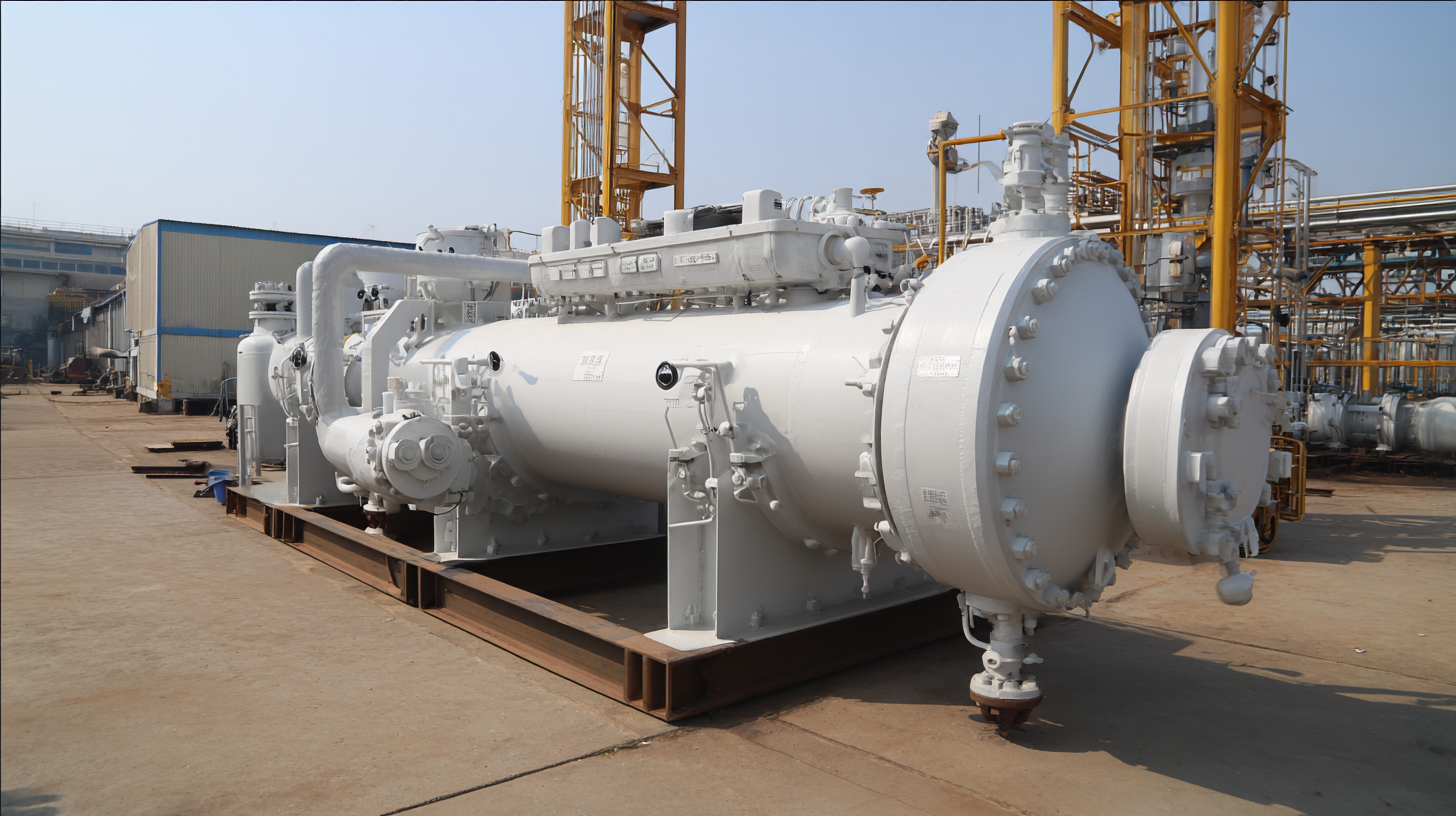
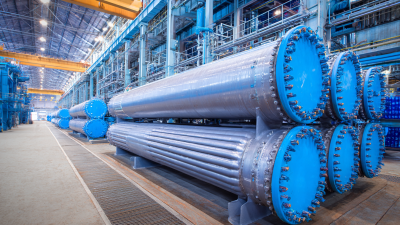
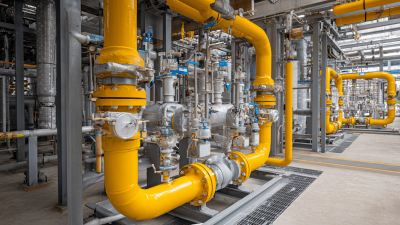
Hey there! You know, as the industrial energy scene keeps changing, it’s pretty clear that efficient Heat Exchange Systems really can’t be ignored—especially when it comes to LNG (that’s Liquefied Natural Gas) processing and use. The global LNG market's expected to hit around $140 billion by 2025, which just means more and more companies are on the hunt for smart, innovative tech that saves energy and helps out the environment. 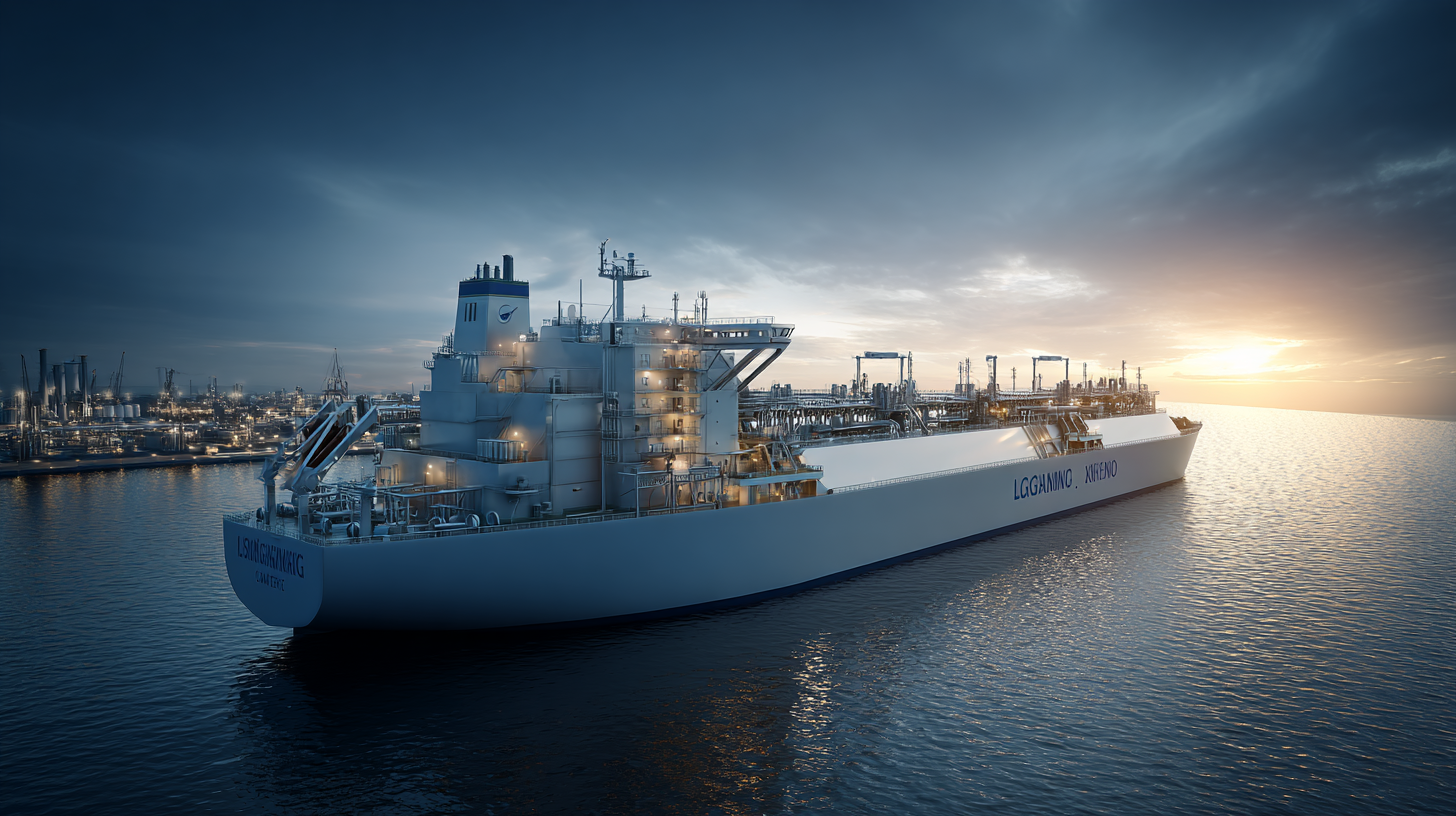 At Hebei Hongke Qingneng Environmental Protection Equipment Co., Ltd., we totally get how important Lng Exchangers are — they’re key to making operations run smoother while keeping carbon footprints down. We offer some pretty advanced LNG exchanger solutions designed to meet the unique needs of industries that want to stay productive without sacrificing sustainability. In this blog, I’m going to share seven solid reasons why picking the right LNG exchanger could really be agame-changer for your business. Not only do they boost performance, but they also support global efforts to be greener and more eco-friendly.
Advantages of Enhanced Efficiency in LNG Exchangers for Industrial Applications
You know, as industries all over the world are facing these growing challenges with energy shortages and environmental issues, LNG exchangers are really starting to stand out. They've got this edge when it comes to efficiency in industrial setups. It's pretty clear that moving towards sustainable energy is more important than ever, especially when we're trying to decarbonize our energy systems. Recent market insights show that the air-cooled Heat Exchanger market is expected to jump from about $4.68 billion in 2025 to roughly $7.56 billion by 2033, growing at a compound annual rate of around 6.2%. That’s a big deal and totally shows how much demand there is for smarter, more efficient heat transfer solutions—enter LNG exchangers.
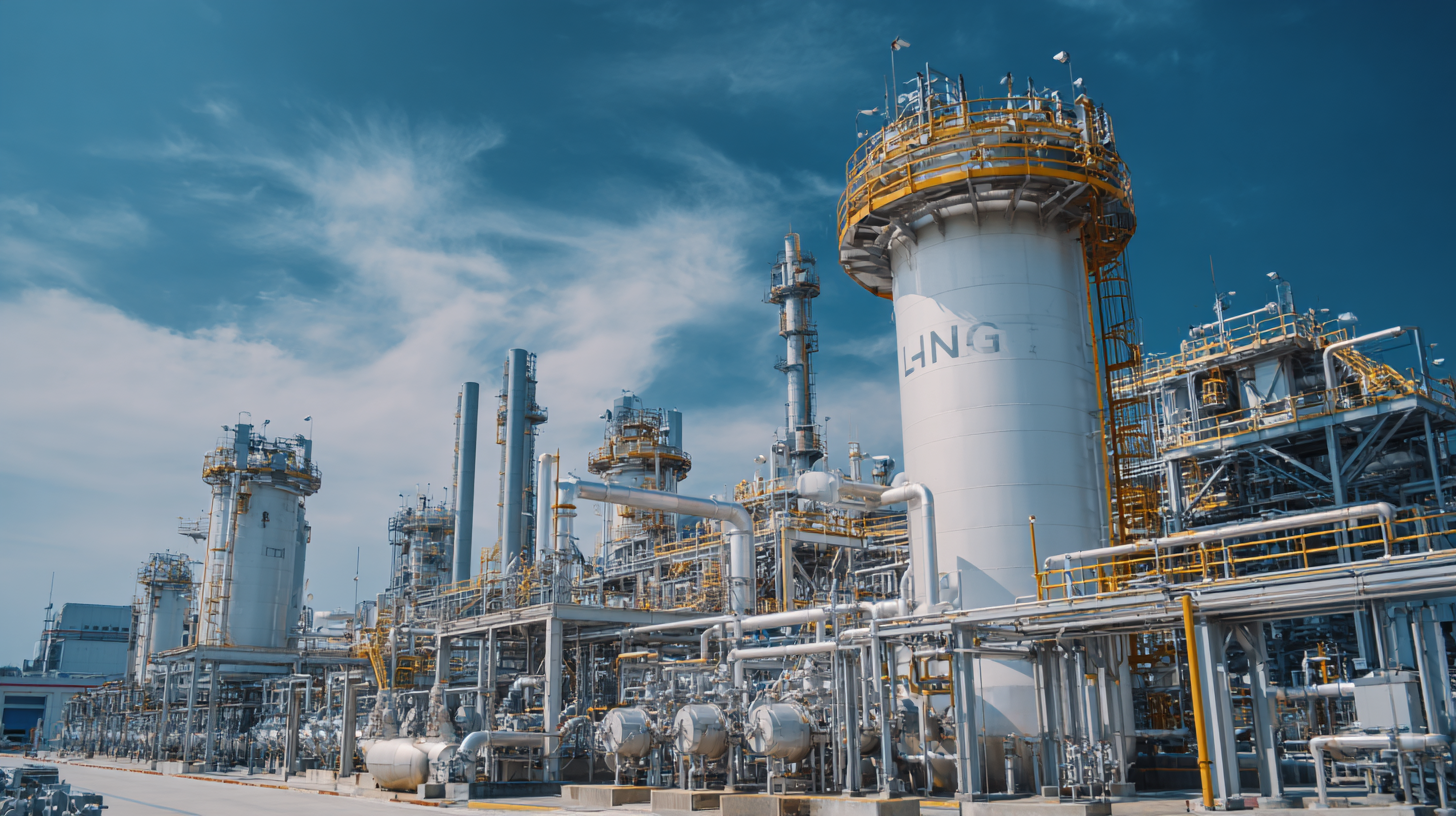
What’s really cool is how these exchangers help cut down operational costs and lower carbon emissions. Old-school cooling systems often struggle with efficiency and energy output, but LNG technology uses low-temperature liquid gas as a cooling medium, which really makes a difference. It helps reduce energy waste while boosting overall performance—something that's especially crucial in industries that are under close watch for emissions. Switching over to LNG exchangers not only helps companies stay ahead of regulations but also pushes us toward a future where sustainability and energy recovery from thermal processes are the norm. Honestly, it feels like a game-changer in how industries can operate more responsibly without breaking the bank.
Cost Savings: How LNG Exchangers Reduce Operational Expenses
Nowadays, in the world of industry, cutting costs is a big deal for businesses trying to boost efficiency without messing up their environmental commitments. One pretty effective way to do this is by using LNG exchangers — they’ve really shown they can slash operating costs quite a bit. By streamlining heating and cooling in manufacturing, LNG exchangers help cut down on energy use, so companies can put those saved resources to better use. Honestly, that means lower utility bills and a more eco-friendly way of running things, which is pretty much what everyone’s aiming for these days, right?
At Hebei Hongke Qingneng Environmental Protection Equipment Co., Ltd., we’re all about developing smart, energy-saving solutions that fit the tough demands of the industrial world. We started out in 2021, and ever since, our focus has been on creating high-quality equipment that taps into LNG tech. Introducing LNG exchangers into industrial processes really helps businesses cut costs—and at the same time, it pushes us toward a greener, more sustainable future. With more industries hopping on the sustainability train, switching to LNG exchangers isn’t just smart for the bottom line, but it’s also a competitive advantage in today’s market.
Environmental Impact: Lowering Carbon Footprint with LNG Technology
Shifting to Liquefied Natural Gas (LNG) technology is a pretty big move, but it’s a crucial one if we’re serious about lowering the carbon footprint of the industrial sector. I mean, according to a report from the International Energy Agency (IEA), natural gas burns significantly cleaner—up to 50% less CO2 compared to coal. That’s a pretty big deal when you're talking about powering industries in a more eco-friendly way. As more companies feel the heat to hit their sustainability targets, jumping on the LNG bandwagon isn’t just about ticking boxes for regulations; it’s also about contributing to the global fight against climate change.
Here’s a little tip—why not do a life cycle assessment (LCA) of your current energy sources? It’s a good way to really see what kind of emissions you’re dealing with and how much LNG could cut down those numbers. Knowing all that stuff helps you make smarter, more informed choices when it comes to switching to cleaner energies.
And on top of that, using LNG isn’t just about emissions. It also paves the way for tech advances that can cut methane leaks even further. The World Bank points out that with the right practices in transport and use, methane leaks can be minimized, so all the advantages of LNG actually add up. Companies that get serious about investing in LNG infrastructure often end up saving money on operations too—and that’s a win-win.
Another tip—try teaming up with LNG providers who are on the cutting edge of technology and who focus on reducing methane leaks. It makes a big difference in boosting your sustainability efforts and really maximizing the positive impact.
Basically, making the switch to LNG is not just about being greener, it’s about smarter energy choices for the future.
Versatility in Applications: Adapting LNG Exchangers for Diverse Industries
When it comes to industrial applications, LNG exchangers really stand out because of their incredible versatility compared to your typical thermal systems. They can be customized for a bunch of different sectors—think power plants, shipping, and manufacturing. What's awesome is how efficiently they turn LNG into usable energy, which helps push forward sustainability goals and makes operations run smoother. As companies are keen on shrinking their carbon footprint, LNG exchangers offer a pretty flexible and effective solution that ticks all the boxes.
**Tip:** When you're choosing an LNG exchanger for your industry, it’s worth thinking about your specific needs. Things like how well it handles heat, whether it plays nicely with your existing setup, and if it scales up as your operations grow—these all matter for making sure it fits like a glove.
Plus, these exchangers are built to handle all kinds of environmental conditions. Whether it’s freezing cold or super hot, or dealing with different pressures, their rugged design makes sure they’re safe and efficient no matter what. That kind of adaptability is a big plus if you want to boost productivity without sacrificing environmental standards.
**Tip:** Don’t forget—regular check-ups and performance reviews are vital for keeping your LNG exchangers running smoothly over the long haul. Setting up a routine maintenance plan can catch issues early before they turn into bigger headaches and disrupt your production.
7 Proven Reasons to Choose LNG Exchangers for Your Industrial Needs
This bar chart illustrates the adaptability ratings of LNG exchangers across various industrial sectors. The data reflects how well LNG exchangers meet the specific needs of each industry, demonstrating their versatility and effectiveness in diverse applications.
Reliability and Durability: Long-term Performance of LNG Exchangers
When you're dealing with industrial needs, big priorities are reliability and durability, no question. LNG exchangers are built to last, making them a solid choice for a bunch of different energy sector applications. They're crafted from top-notch materials and engineered with precision, so they can handle those really extreme temperatures and pressures you encounter with liquefied natural gas processing. Their sturdy design not only wins in terms of lifespan but also helps in keeping leaks and failures at bay — and let’s be honest, those can get pretty costly and dangerous.
Oh, and here’s a little tip: when you're choosing an LNG exchanger, don’t forget to think about maintenance. Regular check-ups and servicing can seriously extend how long your equipment stays in good shape, keeping things running smoothly without hiccups.
Plus, these exchangers aren’t just tough, they also deliver reliable thermal performance, which is a game-changer for industries that need stable operations. Consistency here means fewer surprises—less downtime, fewer headaches, and overall better efficiency. Companies that stick with dependable equipment can save some serious money and bump up productivity in the long run.
Another tip: team up with a trusted supplier who provides solid support and advice on picking the right LNG exchanger and keeping it in top shape. That way, you’re making a smart choice and avoiding unnecessary hassle down the line.
Safety Features: Ensuring Secure Operations with LNG Exchanger Systems
When it comes to running LNG exchanger systems, safety really has to be the top priority, right? Recent industry updates are a good reminder that investing in solid infrastructure isn’t just about producing LNG — it’s also about making sure it gets to consumers safely and reliably. By focusing on safety features in these exchangers, companies can cut down on the risks involved in handling and processing LNG. These systems now come with some pretty cool advanced tech that boosts safety, creating a safer environment for workers and communities alike, all while keeping the gas itself secure and intact.
Just recently, an updated guide was released that runs through the best practices for safe operation and maintenance — especially when it comes to ship holds and hatch covers. Honestly, following these guidelines is crucial for anyone working with LNG exchangers, because if things aren’t managed properly, accidents can happen. It’s all about sticking to these essential do’s and don’ts, which are basically safety protocols designed to protect workers and our environment. When industries take safety seriously and put effective measures in place, it really helps cultivate a safety-first culture that’s in line with the latest standards — all while making the most of what LNG technology has to offer.
7 Proven Reasons to Choose LNG Exchanger for Your Industrial Needs - Safety Features: Ensuring Secure Operations with LNG Exchanger Systems
| Safety Feature | Description | Benefits |
| Leak Detection Systems | Advanced sensors that detect gaseous leaks in real-time. | Minimizes risk of explosion and ensures rapid response. |
| Emergency Shut-off Valves | Automatically stops the flow of LNG in emergencies. | Prevents hazardous leaks and enhances site safety. |
| Thermal Insulation | Insulating materials maintain LNG at required temperatures. | Reduces the risk of pressure build-up and failures. |
| Fire Suppression Systems | Automatic systems for controlling and extinguishing fires. | Enhances safety by quickly managing fire incidents. |
| Robust Design Standards | Systems built to comply with stringent safety codes. | Ensures longevity and operational reliability under stress. |
| Regular Maintenance Protocols | Scheduled checks and maintenance activities for safety. | Identifies potential issues before they become critical. |
| Employee Training Programs | Comprehensive training for staff on LNG safety procedures. | Equips employees to handle emergencies effectively. |
Enhancing Efficiency in Energy Transition: Insights from Recent Market Reports on Vehicle-Mounted Skid-Mounted LNG Plants
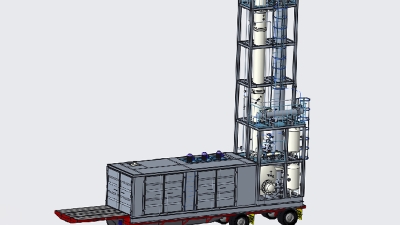
In the current landscape of energy transition, enhancing efficiency through innovative solutions is paramount. The recent market reports emphasize the critical role that vehicle-mounted and skid-mounted LNG plants play in achieving these goals. Our company has pioneered the development of a technically advanced skid-mounted natural gas liquefaction plant that not only meets the increasing demands for flexibility in energy production but also ensures stable commercial operation. This advancement arises from our extensive technological expertise and commitment to streamlined processes.
The innovative skid-mounted structure design of our LNG plant integrates multiple complex production units into standardized, movable skid blocks. This approach facilitates rapid deployment, allowing the equipment to arrive on-site in a 'ready-to-use' state after meticulous manufacturing and rigorous factory commissioning. Users benefit from straightforward installation requirements, as they only need to manage the pipeline and power supply connections. This streamlined process significantly reduces the construction timelines, enabling quick operationalization and allowing companies to respond effectively to market demands for cleaner energy solutions. Through these advancements, we are not just improving operational efficiency but also actively contributing to the global shift towards more sustainable energy practices.
FAQS
: Enhanced efficiency in LNG exchangers contributes to lower operational costs and reduced carbon emissions, utilizing low-temperature liquid gas as a cooling medium to minimize energy waste and maximize performance.
LNG technology emits up to 50% less CO2 when combusted compared to coal, making it a more environmentally friendly option for powering industries and helping companies meet sustainability goals.
Conducting an LCA helps organizations understand potential emissions reductions that LNG can offer, allowing for informed decisions on transitioning to cleaner energy options.
Companies can minimize methane emissions by collaborating with LNG suppliers that prioritize innovative technology and best practices in methane leak reduction, ensuring the benefits of LNG are fully realized.
LNG exchangers can be adapted for diverse industries, including power generation, maritime, and manufacturing, effectively converting LNG into usable energy.
When selecting an LNG exchanger, consider factors such as thermal performance, compatibility with existing systems, and scalability to ensure optimal integration.
LNG exchangers are engineered to operate efficiently under diverse environmental conditions, such as extreme temperatures or varying pressure settings, ensuring safety and operational efficiency.
Regular maintenance and performance assessments are crucial for maximizing the lifespan and functionality of LNG exchangers, allowing potential issues to be identified proactively before they affect production.
Conclusion
Picking out an LNG Exchanger for industrial use actually comes with quite a few perks. For starters, these exchangers are built to optimize heat transfer, which means you'll see pretty good savings on energy bills and overall operational costs. Plus, using them helps cut down on carbon emissions, so you're kind of doing your part for the environment—and that’s a win-win with all the green goals and regulations out there.
On top of that, LNG Exchangers are pretty versatile—they can be customized pretty easily for different industries, making them super adaptable. You can count on their reliability and tough build to keep things running smoothly over the long haul, and they come with some modern safety features to keep everyone safe on site. Here at Hebei Hongke Qingneng Environmental Protection Equipment Co., Ltd., we’re really proud of our focus on R&D and manufacturing in this area. Our goal? Helping create a more sustainable and eco-friendly future for industry alike.