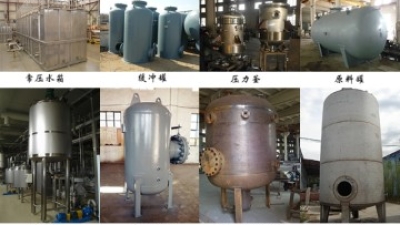
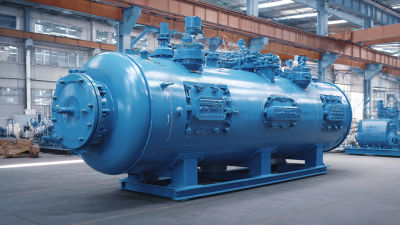
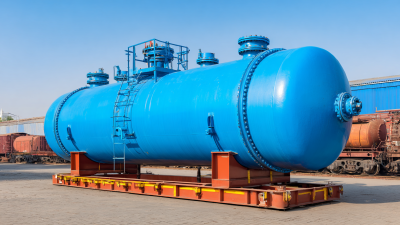
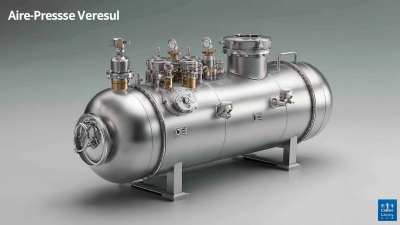
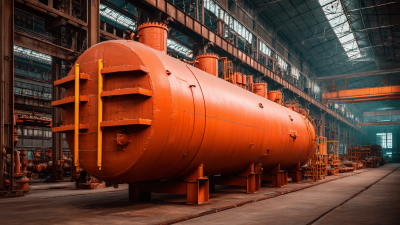
In the modern industrial landscape, the operation of Air Pressure Vessels plays a crucial role in ensuring both safety and efficiency within various manufacturing processes. According to the Global Pressure Vessel Market Report 2023, the market is projected to grow at a CAGR of 5.2%, driven by the rising demand for energy conservation and stringent safety regulations in industries such as oil and gas, chemicals, and environmental protection.
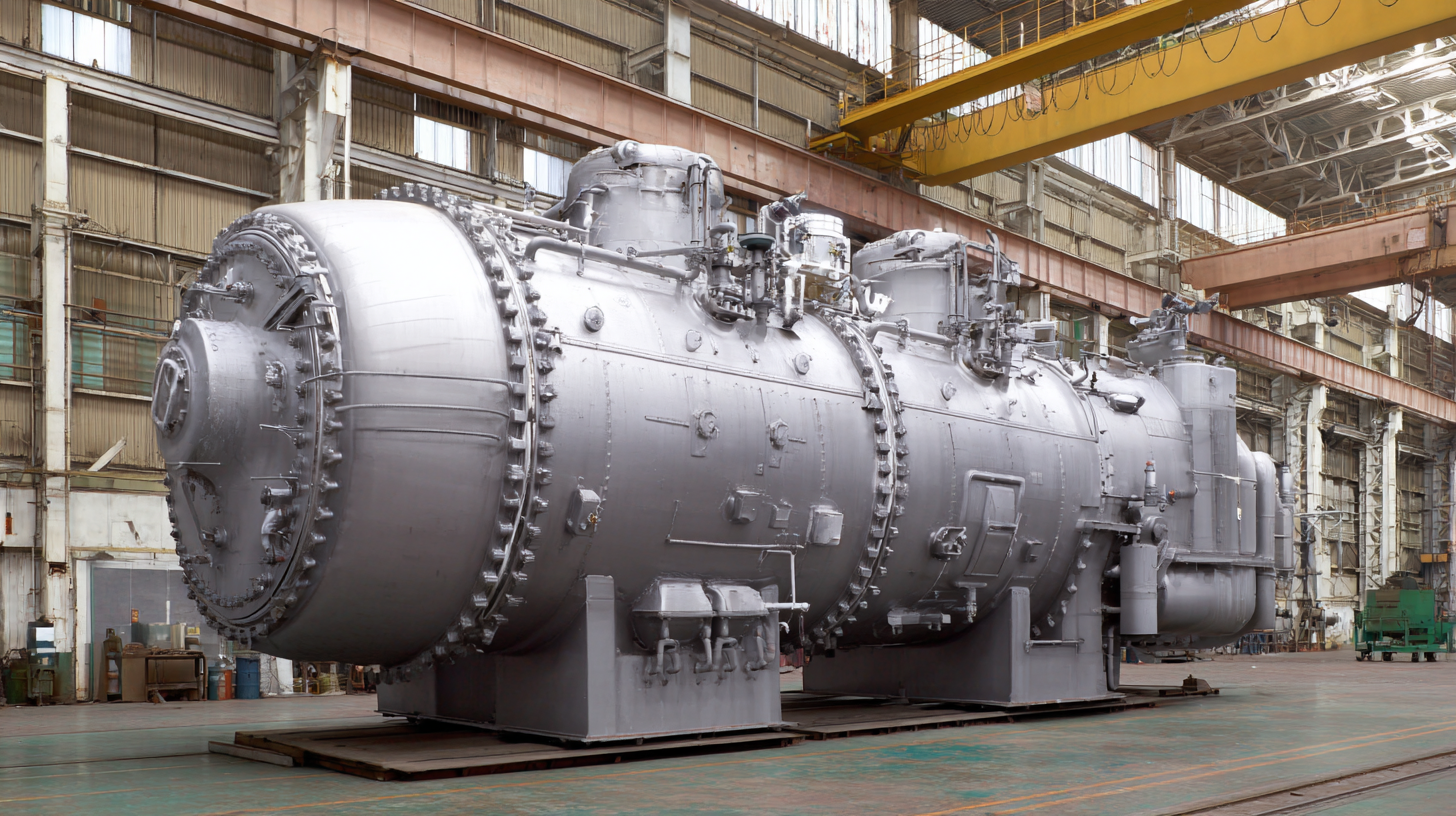
Established in June 2021, Hebei Hongke Qingneng Environmental Protection Equipment Co., Ltd. is committed to advancing the research and development of innovative solutions within this vital sector. Located in the Sanhe Economic Development Zone of Langfang City, our company is dedicated to fostering sustainable practices that enhance operational safety while optimizing performance in Air Pressure Vessel applications. As we navigate the complexities of industrial demands, ensuring proper safety measures and operational efficiencies remains paramount for the longevity and success of these critical systems.
Understanding Air Pressure Vessel Basics for Optimal Safety
Understanding the fundamentals of air pressure vessels is essential for enhancing both safety and efficiency during operations. Air pressure vessels are designed to store gases at pressures significantly higher than atmospheric pressure. According to data from the American Society of Mechanical Engineers (ASME), improper design and maintenance of these vessels account for over 60% of pressure-related incidents in industrial applications. This statistic highlights the importance of adhering to codes and standards, ensuring that all materials are suitable for high-pressure environments and that the vessels are equipped with appropriate safety features like relief valves.
Additionally, regular inspections and maintenance are critical for the longevity and safety of air pressure vessels. The Occupational Safety and Health Administration (OSHA) emphasizes that routine checks can prevent failures that lead to catastrophic events, which cost industries millions annually. Implementing a rigorous inspection schedule can reduce risk and enhance operational efficiency. As industry standards evolve, adopting best practices ensures that facilities not only comply with regulations but also foster a culture of safety, ultimately contributing to more efficient operations and reduced downtime.
Identifying Common Risks in Air Pressure Vessel Operations
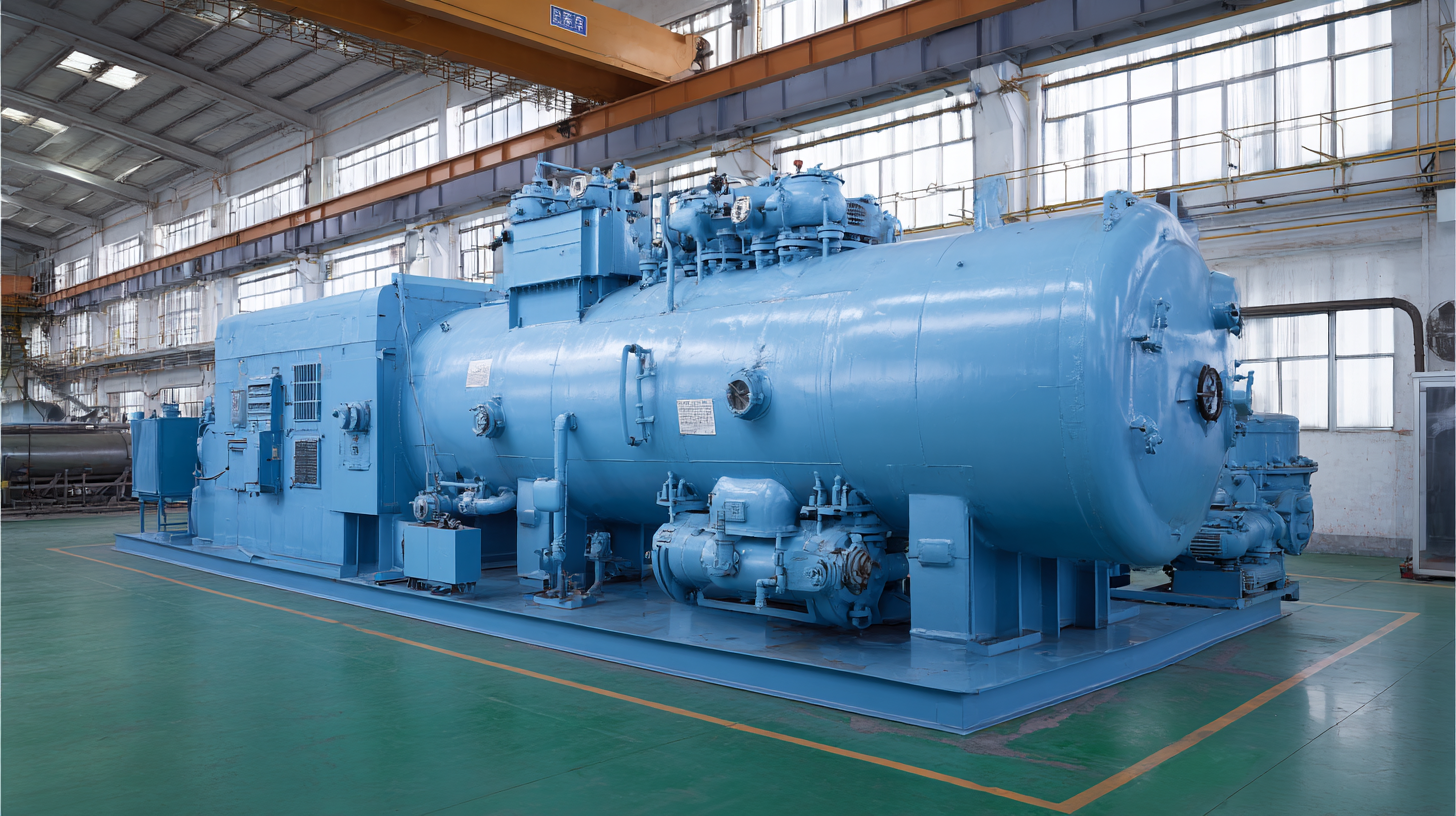
Air pressure vessels are critical components in numerous industrial applications, yet they pose several inherent risks that must be carefully managed. Common hazards associated with air pressure vessel operations include over-pressurization, corrosion, and mechanical failures. According to a report by the National Board of Boiler and Pressure Vessel Inspectors, approximately 87% of pressure vessel incidents stem from improper maintenance and lack of regular inspections. Implementing rigorous maintenance schedules and adhering to safety standards are essential to mitigating these risks.
At Hebei Hongke Qingneng Environmental Protection Equipment Co., Ltd., we prioritize the safety and efficiency of our air pressure vessels through innovative design and manufacturing processes. Our commitment to the energy conservation and environmental protection industry is reflected in our meticulous approach to risk assessment. According to industry statistics, facilities that conduct regular risk assessments reduce their incident rates by up to 50%. By integrating advanced technological solutions and maintaining compliance with safety regulations, we ensure that our vessels not only meet operational demands but also uphold the highest standards of safety.
How to Ensure Safety and Efficiency in Air Pressure Vessel Operations - Identifying Common Risks in Air Pressure Vessel Operations
| Risk Factor | Description | Potential Impact | Mitigation Strategies |
| Overpressure | Exceeding the maximum allowable working pressure of the vessel. | Risk of explosion and severe injury. | Regular pressure checks, installation of pressure relief valves. |
| Corrosion | Degradation of the vessel material over time due to chemical reactions. | Structural failure leading to leaks or bursts. | Regular inspections and use of corrosion resistant materials. |
| Improper Maintenance | Neglecting regular checks and repairs on the vessel. | Increased risk of operational failures. | Establish a routine maintenance schedule and training for personnel. |
| Incorrect Pressure Settings | Pressure settings not aligned with recommended specifications. | Inefficient operation or equipment damage. | Regular training and supervision of operators. |
| Operator Error | Mistakes made during operation due to lack of training. | Can lead to accidents and injuries. | Implement comprehensive training programs and drill refreshers. |
Implementing Regular Maintenance and Inspection Protocols
Ensuring safety and efficiency in air pressure vessel operations starts with implementing robust regular maintenance and inspection protocols. According to the American Society of Mechanical Engineers (ASME), approximately 40% of pressure vessel failures are attributed to inadequate maintenance. Regular inspections not only reduce the risk of catastrophic failures but also enhance the operational longevity of the vessels. It is crucial that inspections are performed by certified professionals, who can accurately identify potential issues such as corrosion, weld integrity, and overall structural integrity.
Tips for effective maintenance include keeping detailed records of inspections and maintenance activities. This historical data can help in predicting future issues and determining the best timeline for regular checks. Additionally, using advanced non-destructive testing (NDT) methods, such as ultrasonic testing and magnetic particle inspection, can provide valuable insights into the condition of pressure vessels without compromising their integrity.
It is also advisable to schedule maintenance during periods of low operational demand, allowing for thorough inspections without impacting productivity. Leveraging technology, such as IoT sensors, can provide real-time monitoring and identify anomalies that may indicate wear or failure before they become critical. By prioritizing regular maintenance and inspections, organizations can significantly improve safety and operational efficiency in air pressure vessel operations.
Training Personnel on Safety Procedures and Emergency Response
Training personnel on safety procedures and emergency response is crucial for maintaining safety and efficiency in air pressure vessel operations. Ensuring that all staff members are well-informed about safety protocols can significantly reduce the risk of accidents. This includes understanding operational limits, recognizing warning signs, and knowing how to respond in emergencies. Regular training sessions not only reinforce essential knowledge but also build a culture of safety within the workplace.
**Tips for Effective Training:**
- Incorporate hands-on training that allows personnel to practice emergency responses in a controlled environment. This real-world application helps to solidify their understanding and confidence in handling potential risks.
- Utilize case studies from past incidents to illustrate the importance of safety procedures. Discussing real examples can effectively highlight what went wrong and help staff learn from these situations.
Moreover, continuous evaluation and updates to the training program are vital. As technologies and regulations evolve, so should the training. Regularly scheduled refresher courses will ensure that employees are always aware of the latest safety standards and practices.
Utilizing Advanced Technology for Monitoring Pressure Levels
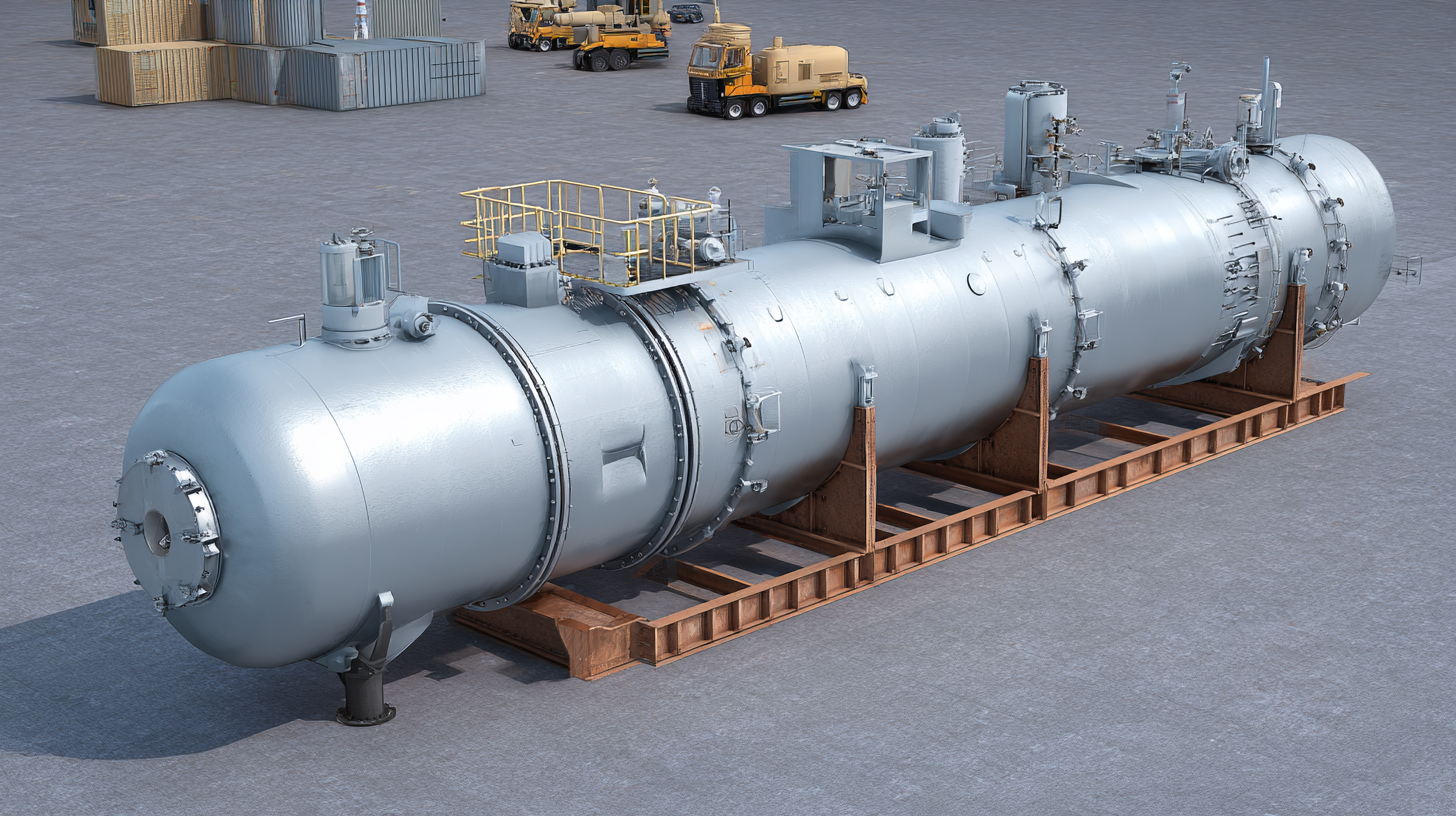 Advancements in technology have significantly transformed the way we monitor pressure levels in air pressure vessel operations. The integration of IoT (Internet of Things) devices allows for real-time monitoring, providing operators with immediate access to vital pressure data. These devices can collect and transmit data continuously, ensuring a consistent overview of the pressure levels within the vessels. With advanced sensors, operators can detect fluctuations or anomalies in pressure, which can be crucial in preventing potential failures or accidents.
Moreover, predictive analytics powered by artificial intelligence further enhances safety and efficiency. By analyzing historical data, these systems can forecast potential issues before they arise, allowing for proactive maintenance and intervention. This not only ensures compliance with safety regulations but also minimizes downtime, ultimately contributing to smoother operations and reduced operational costs. Implementing such advanced technologies in pressure vessel monitoring is essential for maintaining optimal safety standards while streamlining efficiency in industrial processes.
Establishing Compliance with Regulatory Standards and Guidelines
Ensuring safety and efficiency in air pressure vessel operations fundamentally hinges on compliance with regulatory standards and guidelines. According to recent industry reports, approximately 89% of organizations have faced scrutiny due to non-compliance with safety regulations, which underscores the critical need for comprehensive regulatory adherence. Establishing a framework that aligns with the latest safety standards, such as those set forth by ISO and ASME, is essential. These frameworks not only enhance operational safety but also improve organizational efficiency by standardizing processes and reducing liability risks.
Organizations must prioritize appointing dedicated compliance officers and implementing systematic audits to ensure ongoing adherence to industry regulations. For instance, compliance checklists akin to those utilized in healthcare, such as HIPAA, can serve as effective tools in the manufacturing sector as well. Reports suggest that companies that integrate compliance protocols, like risk management guidelines, have reported a 35% increase in operational efficiency. By fostering a culture of compliance awareness and continuous improvement, air pressure vessel operators can mitigate risks and ensure that their operations meet both safety and efficiency objectives.
Innovative Approaches and Market Trends in Non-Standard Pressure Vessel System Solutions: Insights from Industry Reports and Data Analysis
The market for non-standard Pressure Vessel Systems is rapidly evolving, driven by innovations in design and manufacturing processes. Industry reports highlight that the global pressure vessel market is projected to grow significantly, with a compound annual growth rate (CAGR) of approximately 6% over the next five years. This growth is propelled by increasing demand from sectors such as energy, chemical processing, and biopharmaceuticals, which are becoming more reliant on bespoke solutions tailored to their operational needs.
Our company stands at the forefront of this evolution, leveraging a decade of expertise in the pressure vessel domain. By integrating R&D and design with precision manufacturing and intelligent service, we provide customized solutions across twelve industries. Our commitment to high-quality service is reinforced by our national pressure vessel design qualifications (A2/D1/D2 category), ensuring compliance with stringent industry standards. Our independently developed three-dimensional parametric design platform enables us to conduct structural simulations and optimize processes for non-standard equipment like adsorption tanks and reactors, achieving a remarkable design accuracy of ±0.5mm, a 40% improvement over traditional methods.
The adoption of advanced technologies in pressure vessel systems, such as smart manufacturing and data analytics, is crucial to meeting the complexities of modern industrial requirements. By focusing on innovative approaches, our solutions not only enhance operational efficiency but also facilitate the transition towards more sustainable practices within the industry, underscoring the role of customized pressure vessel solutions in shaping the future landscape of various sectors.
FAQS
: The common risks include over-pressurization, corrosion, and mechanical failures.
Approximately 87% of pressure vessel incidents stem from improper maintenance and lack of regular inspections.
Conducting regular risk assessments can reduce incident rates by up to 50%.
Compliance is crucial as approximately 89% of organizations have faced scrutiny due to non-compliance, highlighting the need for adherence to safety regulations.
Organizations should align with the latest safety standards set forth by ISO and ASME to enhance operational safety and improve efficiency.
Compliance officers can ensure ongoing adherence to industry regulations through systematic audits and the implementation of compliance checklists.
Companies that integrate compliance protocols have reported a 35% increase in operational efficiency.
Ongoing risk assessments help identify potential hazards and improve the overall safety of air pressure vessel operations.
It helps mitigate risks and ensures that operations meet safety and efficiency objectives.
The company prioritizes safety and efficiency through innovative design, manufacturing processes, and rigorous risk assessments.
Conclusion
Effective operations of Air Pressure Vessels are crucial for safety and efficiency in various industrial applications. To ensure optimal safety, it is essential to understand the fundamental principles of Air Pressure Vessels, recognize common operational risks, and implement regular maintenance and inspection protocols. Proper training of personnel on safety procedures and emergency response is vital to mitigate risks effectively. Leveraging advanced technology for monitoring pressure levels can enhance operational safety and efficiency, while establishing compliance with regulatory standards ensures adherence to industry best practices.
At Hebei Hongke Qingneng Environmental Protection Equipment Co., Ltd., our commitment to the research and development of energy conservation and environmental protection equipment aligns with the highest standards in Air Pressure Vessel operations. By focusing on these critical areas, we aim to contribute significantly to the safety and sustainability of industrial processes, supporting a safer working environment for all stakeholders involved.