Leave Your Message
0%

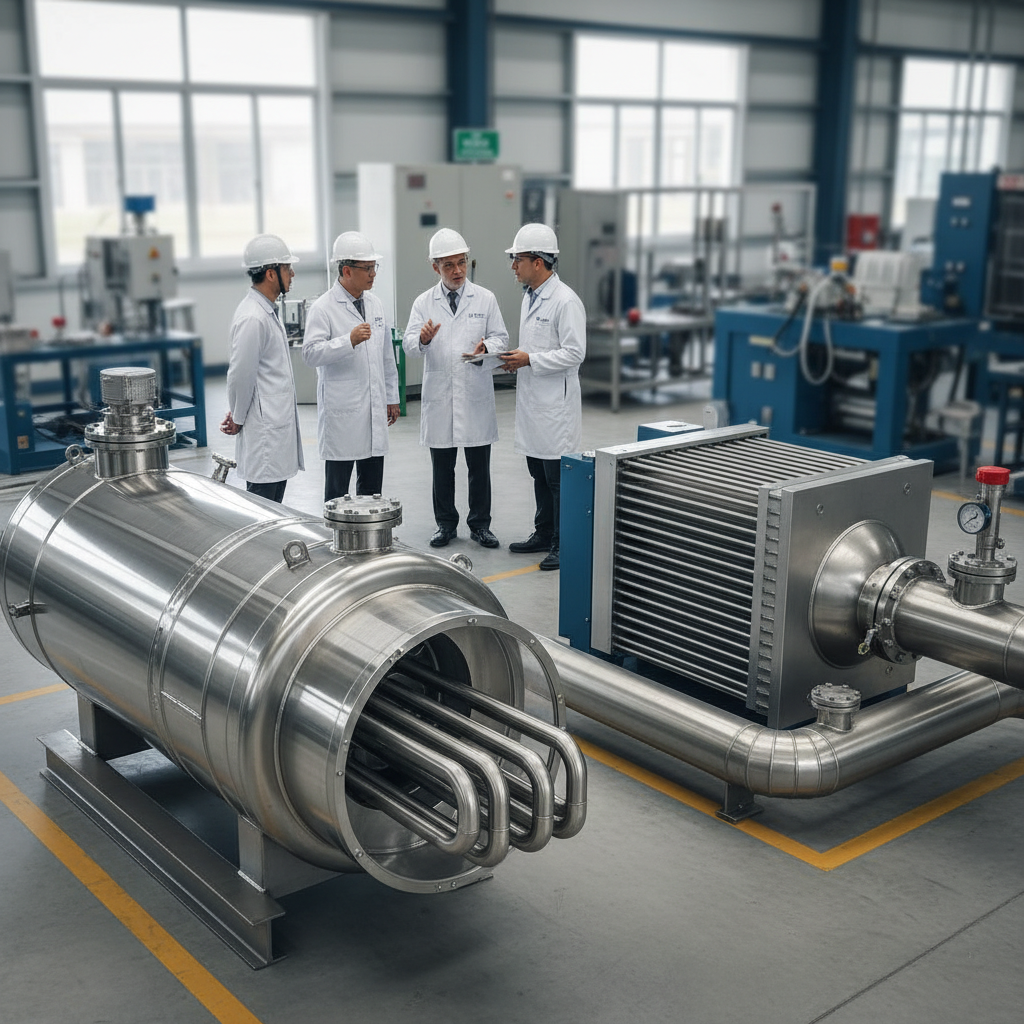
In the fast-changing world of industrial heating and cooling, picking the right stainless Steel Heat Exchanger is a pretty big deal when it comes to keeping things running smoothly and efficiently. I was chatting with John Smith, a top expert in thermal engineering at HeatEx Technologies, and he mentioned that choosing the right heat exchanger can really make a difference—not just in how much energy you use, but also in how long your system lasts. His insights really highlight how important it is to understand exactly what your system needs and what kind of heat exchanger will work best, so you can get the most out of your investment.

2025 How to Select the Best Stainless Heat Exchanger for Your Needs

As more industries focus on being sustainable and saving costs, the importance of stainleSs Heat Exchangers is only growing. There are so many different options out there—like shell-and-tube, plate, and other designs—so making the right choice isn’t always straightforward. That’s why I put together this guide; it covers everything you should think about when selecting a stainless steel heat exchanger. With these tips, you can boost your operational efficiency and do your part for the environment at the same time. By understanding what really matters, you'll be in a good place to ensure your equipment delivers great performance and stays reliable in the long run.

Understanding the Basics of Stainless Steel Heat Exchangers

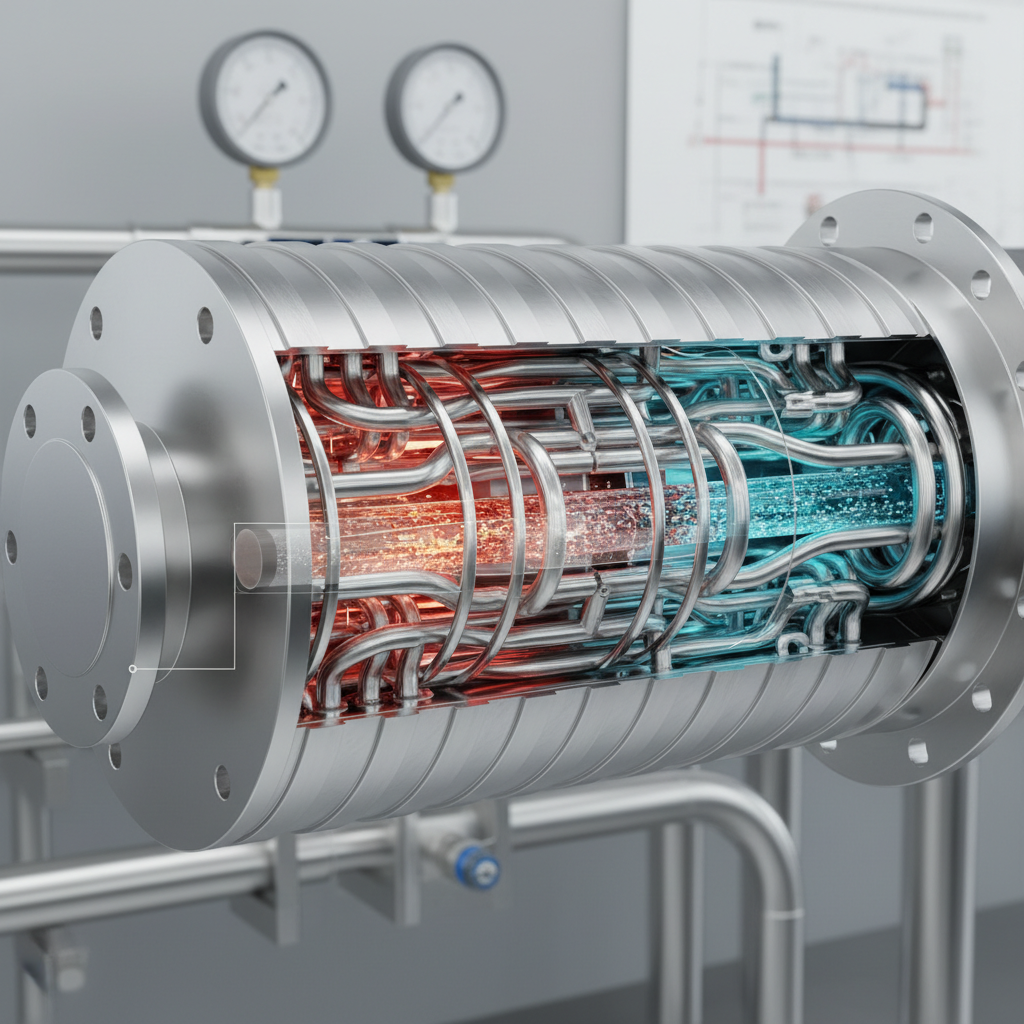
When selecting the best stainless steel heat exchanger for your needs, it is essential to understand the fundamentals of how these devices function. Stainless steel heat exchangers are designed to transfer heat between two fluids without mixing them. Their corrosion resistance and durability make them suitable for various applications, including food processing, pharmaceuticals, and chemical manufacturing.

Tips for choosing the right heat exchanger include assessing the type of fluids involved, their temperatures, and flow rates. Knowing these parameters helps in selecting a unit with adequate surface area, material thickness, and design configuration to optimize efficiency. Additionally, consider the maintenance requirements and accessibility of the heat exchanger in your facility.

Another critical factor is the environmental conditions where the heat exchanger will be installed. While stainless steel is generally robust, factors such as the presence of aggressive chemicals can influence the longevity of the unit. Always check for certifications and performance standards to ensure that your selected heat exchanger meets industry requirements and will operate effectively in your specific application.

2025 How to Select the Best Stainless Heat Exchanger for Your Needs - Understanding the Basics of Stainless Steel Heat Exchangers

Type Material Grade Heat Transfer Efficiency (%) Maximum Operating Temperature (°C) Pressure Drop (bar) Applications
Shell & Tube 316L 85 300 1.5 Oil Refining, Chemical Processing
Plate 304 90 200 0.5 Food & Beverage, HVAC
Spiral 321 75 250 1.0 Waste Heat Recovery, Chemical Industry
Air-Cooled 316Ti 80 350 1.2 Power Generation, Oil & Gas

Types of Stainless Steel Used in Heat Exchangers

When selecting the best stainless steel heat exchanger for your needs, it's crucial to understand the different types of stainless steel used in their construction. The most common grades include 304 and 316 stainless steel. Grade 304 is often employed due to its excellent corrosion resistance and good formability, making it suitable for applications that require hygienic conditions, such as in food processing and pharmaceuticals. However, it may not perform well in highly acidic or chlorinated environments.

On the other hand, 316 stainless steel offers superior resistance to corrosion, particularly in marine environments and when exposed to harsh chemicals. This makes it ideal for industries such as chemical processing and oil and gas. Additionally, 316 stainless steel contains molybdenum, enhancing its durability against pitting corrosion, which is a risk in chlorine-laden environments. By understanding these varying properties, you can make an informed decision that aligns with the specific demands and conditions of your application.

Key Factors to Consider When Selecting a Heat Exchanger

2025 How to Select the Best Stainless Heat Exchanger for Your Needs

Selecting the right stainless heat exchanger for your needs involves considering several key factors to ensure optimal performance and longevity. First, assess the operating conditions, such as temperature and pressure requirements, as these will dictate the design and material specifications necessary for your application. Additionally, the fluid types that will pass through the exchanger are critical; different fluids can have varying corrosive properties that influence the choice of stainless steel grade and surface treatments.

**Tips:** Before making a purchase, evaluate the heat exchanger's thermal efficiency. A higher efficiency means better energy conservation, which can lead to significant cost savings over time. Furthermore, consider the maintenance requirements; some designs might require more frequent inspections and cleaning to maintain performance. Always consult with manufacturers to understand the best options tailored to your specific operational needs, ensuring a reliable and effective heat transfer solution.

Another important consideration is the footprint of the unit; ensure the selected heat exchanger can fit into your existing space while still complying with industry regulations. Additionally, monitor future scalability—choosing a model that can accommodate potential expansions in capacity or changes in process will save you the hassle of premature replacement.

Comparing Efficiency and Performance of Different Types

When selecting a stainless steel heat exchanger, understanding the efficiency and performance of various types is crucial. Different designs, such as shell-and-tube, plate, and finned tube heat exchangers, offer distinct advantages and drawbacks. Shell-and-tube models are renowned for their robustness and ability to handle high pressures, making them ideal for heavy industrial applications. However, they often require more space and can be less efficient than their plate counterparts.

On the other hand, plate heat exchangers excel in heat transfer efficiency due to their large surface area, which allows for greater heat exchange in a compact design. They are easier to clean and maintain but may not be suitable for all fluid types, particularly those that are viscous or contain particulates.

Finned tube heat exchangers, often used in HVAC applications, enhance performance by increasing the surface area exposed to the air, thus improving heat transfer rates. Understanding the specific needs of your application—such as fluid properties, space constraints, and thermal performance requirements—will guide you in selecting the most suitable stainless steel heat exchanger.

Maintenance and Longevity of Stainless Steel Heat Exchangers

Maintaining stainless steel heat exchangers is crucial for ensuring their longevity and optimal performance. Regular inspections are essential to identify any signs of wear or corrosion that may affect their efficiency. Implementing a routine cleaning schedule can help remove any build-up of scale or debris that could hinder heat transfer, ultimately prolonging the lifespan of the heat exchanger. Furthermore, it’s vital to monitor fluid quality and ensure compatibility with the materials used in the heat exchanger, as corrosive or contaminated fluids can lead to premature degradation.

Another critical aspect of maintenance involves addressing any leaks or irregular pressure drops in the system swiftly. Employing a proactive approach by replacing gaskets and seals as part of routine maintenance can prevent more significant issues down the road. Additionally, utilizing proper operating conditions and adhering to manufacturer guidelines can significantly enhance the durability of stainless steel heat exchangers. Through diligent maintenance practices and a focus on operational efficiency, users can ensure that their heat exchangers remain reliable and serviceable for many years.

2025 Stainless Heat Exchanger Selection: Performance and Maintenance

Cost Considerations and Budgeting for Heat Exchanger Selection

2025 How to Select the Best Stainless Heat Exchanger for Your Needs

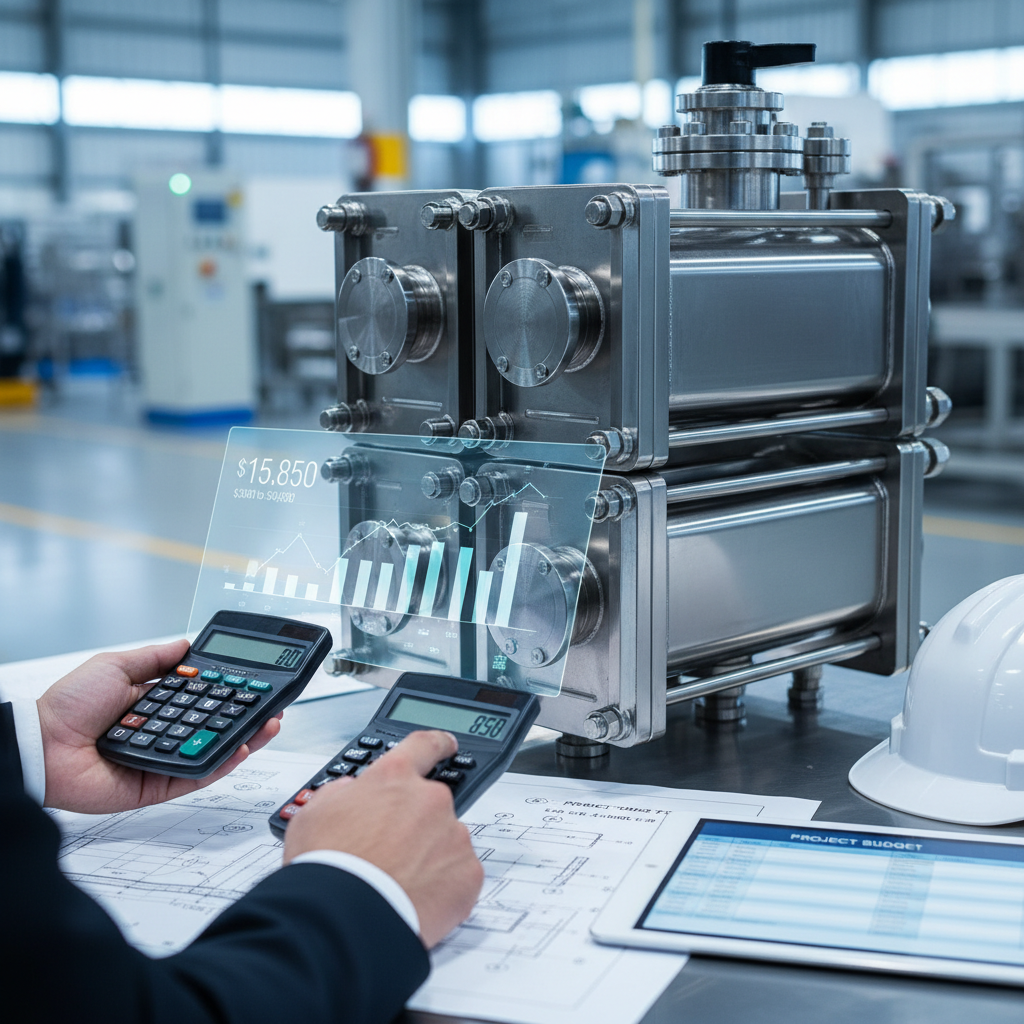
When selecting a stainless steel heat exchanger, cost considerations and budgeting play a pivotal role in the decision-making process. According to the International Institute of Refrigeration (IIR), the initial cost of heat exchangers can range from $3,000 to $30,000, depending on specific design requirements and materials. This broad spectrum necessitates careful budget planning to ensure that the chosen heat exchanger meets both performance and financial criteria.

It’s essential to consider not only the purchase price but also the long-term operational costs associated with maintenance and energy consumption. A recent report by MarketsandMarkets indicates that energy-efficient heat exchangers can reduce operating costs by up to 30%, significantly impacting the total cost of ownership over the lifetime of the equipment. Additionally, incorporating energy recovery systems can further mitigate expenses, aligning with evolving industry regulations aimed at promoting sustainability. Thus, effective budgeting requires evaluating both upfront investment and operational efficiencies to select the best stainless steel heat exchanger tailored to meet specific needs.

FAQS

: What are the main types of stainless steel heat exchangers?

: The main types of stainless steel heat exchangers include shell-and-tube, plate, and finned tube heat exchangers, each offering distinct advantages and drawbacks.

What are the advantages of shell-and-tube heat exchangers?

Shell-and-tube heat exchangers are known for their robustness and ability to handle high pressures, making them suitable for heavy industrial applications.

How do plate heat exchangers outperform shell-and-tube models?

Plate heat exchangers excel in heat transfer efficiency due to their larger surface area, allowing for greater heat exchange in a compact design.

What maintenance practices are important for stainless steel heat exchangers?

Important maintenance practices include regular inspections for wear or corrosion, routine cleaning to remove scale or debris, and monitoring fluid quality for compatibility.

Why is it crucial to monitor fluid quality in heat exchangers?

Monitoring fluid quality is vital because corrosive or contaminated fluids can lead to premature degradation of the heat exchanger.

What can be done to prevent leaks in heat exchangers?

Addressing leaks and irregular pressure drops promptly by replacing gaskets and seals as part of routine maintenance can prevent more significant issues.

What factors should be considered when choosing a heat exchanger?

Factors to consider include fluid properties, space constraints, and thermal performance requirements pertinent to the specific application.

How can proper operating conditions enhance the longevity of heat exchangers?

Adhering to manufacturer guidelines and utilizing proper operating conditions can significantly improve the durability and performance of stainless steel heat exchangers.

Are plate heat exchangers suitable for all fluid types?

No, plate heat exchangers may not be suitable for all fluid types, especially those that are viscous or contain particulates.

What is the impact of routine maintenance on heat exchanger performance?

Routine maintenance helps to identify potential issues, prolongs the lifespan, and ensures optimal performance of stainless steel heat exchangers.

Conclusion

In the article titled "2025 How to Select the Best Stainless Heat Exchanger for Your Needs," the focus is on understanding the fundamentals of stainless heat exchangers, including the types of stainless steel utilized and key factors for selection. Important considerations encompass efficiency and performance comparisons among various types, as well as the maintenance and longevity aspects of these crucial components. Additionally, the article addresses cost considerations and budgeting tips for effective heat exchanger selection.

Hebei Hongke Qingneng Environmental Protection Equipment Co., Ltd., established in 2021, is committed to advancing the energy conservation and environmental protection industry. Their expertise in the design and manufacturing of stainless heat exchangers aligns perfectly with the insights presented in the article, guiding customers to make informed decisions tailored to their specific needs.

Clara

Clara

Clara is a dedicated marketing professional at Hebei Hongke Qingneng Environmental Protection Equipment Co., Ltd., where she has been making significant contributions since the company’s establishment in June 2021. With a strong focus on research and development in the energy conservation and......
Previous Challenges Faced by Global Buyers When Sourcing the Best Waste Water Heat Exchanger