Hey there! So, the 139th Canton Fair in 2026 is shaping up to be a pretty awesome chance to find and source Pressure Vessels. Mark your calendar—it's happening from April 15 to May 5. The fair’s split into three phases, each one zeroing in on different sectors, which means you'll get a chance to find exactly what you're looking for without sifting through tons of unrelated stuff. They’re really putting a spotlight on advanced manufacturing and machinery, so top suppliers of Pressure Vessels will definitely be there.
And here’s the cool part—AI tech is gonna be a game-changer at this event. Attendees can leverage AI tools to quickly spot manufacturers who meet all the criteria, like ISO or CE certifications. It’s like having a smart assistant that makes finding trustworthy suppliers way easier and faster. Honestly, it takes a lot of the guesswork out of sourcing.
Now, I won’t lie—walking around a huge venue spanning about 1.55 million square meters might seem a bit overwhelming at first. But don’t worry, those AI-powered tools are designed to help you plan your route, so you don’t feel lost or overwhelmed. The event is structured pretty well to encourage networking and help you make meaningful connections. Still, as always, you should stay a bit cautious about whatever info suppliers give you during the fair. Getting familiar with the detailed specs of Pressure Vessels is super important if you want to make smart choices and not get caught off guard.

Understanding Pressure Vessels: Types and Applications in Industry
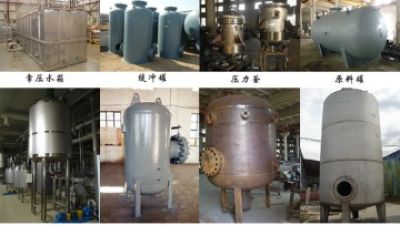
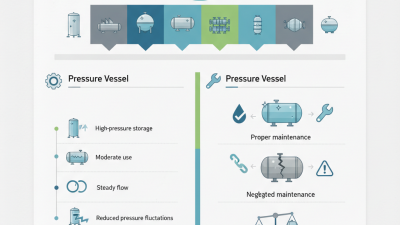
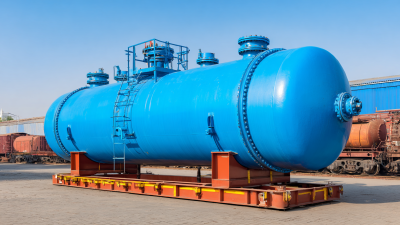
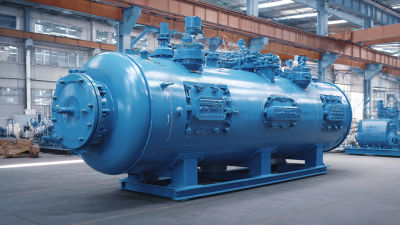
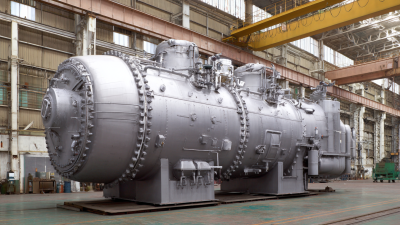
Pressure vessels play a critical role in various industries. They are designed to contain gases or liquids at high pressures. Different types of pressure vessels exist, including storage tanks, boilers, and reactors. Each type serves specific applications, from oil and gas extraction to chemical processing.
In recent years, the demand for Co2 Pressure Vessels has surged due to increased focus on sustainability. According to a report by ResearchAndMarkets, the global pressure vessel market is projected to reach $150 billion by 2026. Industries are increasingly investing in CO2 capture technologies. This trend creates a growing need for specialized pressure vessels to store and transport CO2 safely.
However, sourcing the right pressure vessels can be challenging. Manufacturers face stringent regulations and safety standards. Not every vessel meets the necessary criteria. Quality assurance is vital to ensure reliability. Potential buyers should conduct thorough risk assessments to ensure safety. Understanding the specific requirements and applications can help navigate these complexities.
Key Regulatory Standards Governing Pressure Vessel Sourcing Globally
The 139th Canton Fair in 2026 presents an excellent opportunity for sourcing pressure vessels. Understanding the key regulatory standards governing this industry is crucial for successful sourcing. Worldwide, regulations like ASME (American Society of Mechanical Engineers) and PED (Pressure Equipment Directive) are vital. They ensure that pressure vessels meet safety and performance criteria to prevent failures.
Data from the International Organization for Standardization (ISO) indicates that nearly 70% of pressure vessel failures result from non-compliance with such standards. Sourcing Oil Pressure Vessels requires an in-depth understanding of these regulations. Manufacturers must ensure their products adhere to these principles. Failure to comply could lead to serious safety risks and financial losses.
Moreover, knowledge of local standards is equally important. Different countries may have additional specifications. This complexity can challenge procurement teams. A continual review of evolving regulations is necessary. Ignoring these factors can result in costly errors. The pressure vessel market is growing rapidly. Reports suggest a projected increase of 5% annually, emphasizing the importance of sourcing quality products compliant with global standards.
Identifying Quality Manufacturers for Pressure Vessels at the Canton Fair
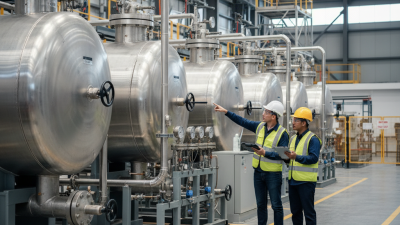
When attending the 139th Canton Fair in 2026, sourcing quality pressure vessels is essential. Begin by identifying manufacturers with a solid reputation. Check their booth information. Take time to ask questions about their products. Many manufacturers display their certifications prominently. Look for ISO or ASME certifications, as these indicate quality standards.
Inspect the materials used in their pressure vessels. Quality manufacturers will provide detailed information about the materials and their sourcing. Engage with company representatives. Understand their production processes. This helps gauge their commitment to quality and safety. Visit their production facilities if possible. A factory tour offers insights into their operations and product consistency.
Not all manufacturers are equal. Some may promise more than they can deliver. Take notes during conversations. Compare responses from different manufacturers. This reflective practice aids in recognizing discrepancies. It’s crucial to trust your instincts when evaluating potential partners. A rushed decision can lead to issues down the line. Balancing thorough research with timely decision-making is key to finding a reputable manufacturer.
Evaluating Material Specifications for Pressure Vessels in Construction
When evaluating material specifications for pressure vessels, especially for applications like Lpg Pressure Vessels, certain factors need careful consideration. The materials should provide adequate strength and durability under high pressure. Common materials include carbon steel and stainless steel, but not all are suitable for every application. Knowing the environment where the vessel will be used is crucial.
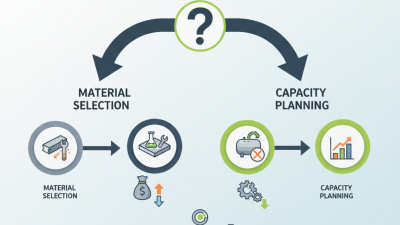
For instance, stainless steel is excellent for corrosion resistance, but it can be costlier. On the other hand, carbon steel is widely used due to its strength and lower cost. However, it may require protective coatings to prevent degradation. Each choice has upsides and downsides. A thoughtful analysis of these materials can lead to better decision-making.
Additionally, certification and testing standards must be considered. Ensure that the vessels meet local regulations. Sometimes, manufacturers may not provide complete information on their products. This can lead to misunderstandings and potential safety hazards. Continuous engagement with suppliers at events like the Canton Fair will help you gather more insights. Having a clear checklist of required specifications can guide the evaluation process effectively.
Cost Considerations: Budgeting for Pressure Vessel Procurement
Budgeting for pressure vessel procurement at the 139th Canton Fair involves multiple considerations. The global market for pressure vessels is projected to reach $25 billion by 2026, highlighting the growing demand. However, prices can fluctuate due to material costs and manufacturing processes. For example, stainless steel prices have risen approximately 15% over the past year. This trend can impact overall budgets significantly.
When sourcing pressure vessels, it's vital to account for additional expenses. These may include transportation costs, tariffs, and potential customs fees. Companies often overlook these factors. A report by the International Pressure Vessel Association notes that these hidden costs can add up to 20% of initial estimates.
Quality assurance is another budget component. Ensuring compliance with international standards requires investment in certifications, which can be costly but necessary. Skimping on quality can lead to catastrophic failures and greater expenses down the line. Organizations must find the right balance between cost and safety when sourcing these crucial items. Not prioritizing this can lead to reflection on priorities and accountability.
How to Source Pressure Vessels at the 139th Canton Fair 2026? - Cost Considerations: Budgeting for Pressure Vessel Procurement
| Parameter | Estimated Cost (USD) | Remarks |
| Material Type | $5,000 - $10,000 | Cost varies by material (steel, stainless steel). |
| Manufacturing Process | $3,000 - $7,000 | Costs depend on fabrication methods. |
| Size and Capacity | $4,000 - $8,000 | Larger vessels typically cost more. |
| Custom Design | $2,000 - $5,000 | Additional costs for tailored specifications. |
| Testing and Certification | $1,000 - $3,000 | Costs for safety compliance testing. |
| Shipping and Handling | $500 - $2,000 | Includes freight and insurance costs. |
| Total Estimated Cost | $15,000 - $35,000 | Overall budget for procurement. |
Networking Opportunities with Industry Experts at the Canton Fair
Networking at the 139th Canton Fair offers unique opportunities for sourcing pressure vessels. The fair attracts numerous industry experts and manufacturers. Connecting with these professionals is essential for understanding market trends and product innovations. According to recent industry reports, the global pressure vessel market is projected to grow by 4.5% annually over the next five years. This growth emphasizes the importance of establishing strong professional relationships.
Tips: Spend time attending seminars and workshops at the fair. These events offer valuable insights. Engaging in discussions with speakers can provide deeper knowledge about pressure vessel technology and its applications.
When networking, prepare thoughtful questions. Ask about recent advancements in materials or safety standards. Many companies are focusing on sustainability, with new materials being used. However, not all innovations are practical or cost-effective. Reflecting on these aspects is vital for making informed sourcing decisions. Visiting different booths and asking for product demonstrations can also help. Engage actively and be open to new ideas, even if they challenge your existing views.
Trends in Pressure Vessel Technology and Innovation for 2026
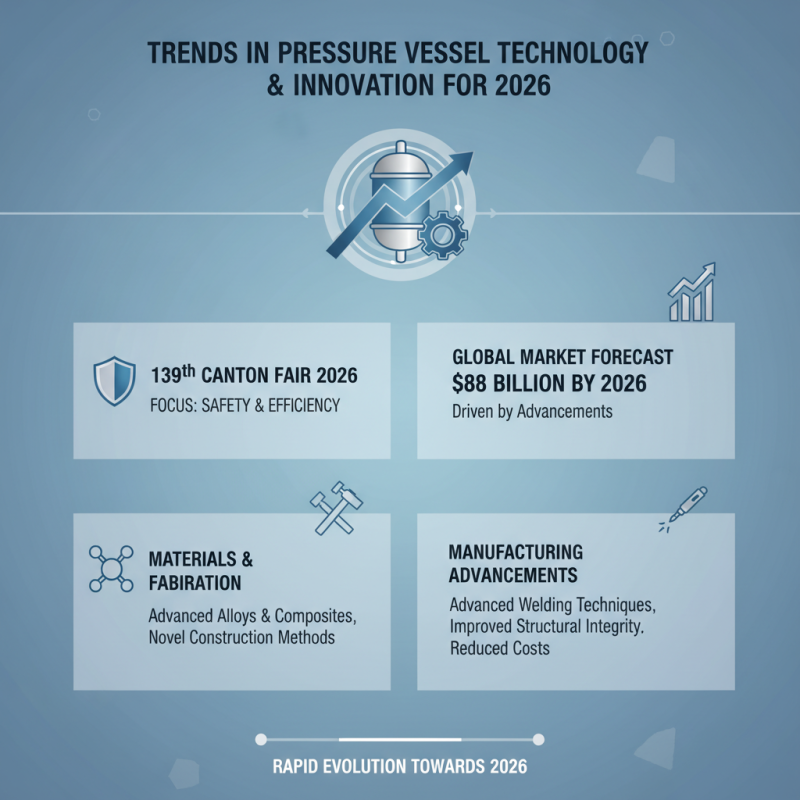
As we approach the 139th Canton Fair in 2026, the landscape of pressure vessel technology is evolving rapidly. Recent reports indicate that innovations are centered around safety and efficiency. The global market for pressure vessels is expected to reach $88 billion by 2026, driven by advancements in materials and fabrication methods. The rise of advanced welding techniques is notable, improving structural integrity while reducing manufacturing costs.
The innovation in Lng Pressure Vessel design enhances storage capabilities. One trend involves using composite materials, which are lighter yet stronger than traditional options. These materials provide better insulation, allowing manufacturers to optimize thermal efficiency. Notably, research from the International Journal of Pressure Vessel Science shows that optimal design can reduce energy consumption by 20%.
**Tips:** When sourcing pressure vessels, focus on manufacturers that prioritize innovation. Look for those adopting new technologies to improve efficiency. Additionally, connect with suppliers who attend trade shows like the Canton Fair. They are often more in tune with the latest industry trends and can provide unique insights into emerging technologies.
Innovative Approaches to Non-Standard Pressure Vessel System Solutions for Diverse Industrial Applications
In the modern industrial landscape, the demand for customized pressure vessel solutions has reached unprecedented levels, particularly in sectors such as energy, chemicals, and biopharmaceuticals. Innovative approaches to non-standard Pressure Vessel Systems are essential for meeting the diverse needs of these industries. Over the last decade, substantial expertise has been cultivated in the field of pressure vessel design and manufacturing. This progress enables companies to provide tailored solutions that enhance operational efficiency while adhering to stringent safety standards.
Central to these advancements is the development of a sophisticated three-dimensional parametric design platform, which offers remarkable design accuracy of ±0.5mm. This technological innovation allows engineers to conduct structural simulations and optimize processes for complex equipment, such as adsorption tanks and reactors. By leveraging such capabilities, the industry has been able to increase design efficiency by 40% compared to traditional methodologies. This leap in precision and efficiency not only streamlines production processes but also ensures that each pressure vessel meets the specific requirements of varied applications, from high-pressure environments to specialized chemical processing.
As industries continue to evolve, the integration of intelligent services and precision manufacturing will play a pivotal role in shaping the future of pressure vessel systems. By focusing on customized solutions and leveraging innovative design technologies, businesses can better respond to the challenges posed by diverse industrial applications, positioning themselves at the forefront of the industry.
FAQS
: Common materials include carbon steel and stainless steel. Each has its own strengths and weaknesses.
The vessel's operating environment affects material choice. Some materials resist corrosion better than others.
Not necessarily. While it's corrosion-resistant, it can be costlier and may not suit every application.
Carbon steel is generally stronger and cheaper. However, it may need protective coatings to avoid degradation.
Ensure vessels meet local regulations. Incomplete information from manufacturers can lead to safety risks.
Innovations focus on safety and efficiency. New materials and advanced welding techniques are key trends.
Composite materials are lighter and stronger. They also enhance insulation and thermal efficiency.
Trade shows help connect with innovative manufacturers. They provide insights into emerging technologies and industry trends.
Having a clear checklist of required specifications can guide the evaluation process effectively.
New technologies can sometimes be untested. Evaluation and caution are necessary to avoid potential issues.
Conclusion
The article titled "How to Source Pressure Vessels at the 139th Canton Fair 2026" provides a comprehensive guide for professionals looking to procure pressure vessels effectively. It begins with an exploration of the different types of pressure vessels and their applications across various industries, highlighting the significance of understanding these elements for successful sourcing. Additionally, the article emphasizes the key regulatory standards that govern pressure vessel sourcing globally, ensuring compliance and safety.
Furthermore, the article outlines practical steps to identify quality manufacturers at the Canton Fair, evaluates material specifications crucial for construction, and discusses budget considerations for procurement. Networking opportunities with industry experts during the fair are also highlighted as essential for gathering insights and forming valuable connections. Finally, it touches on the latest trends in pressure vessel technology and innovation anticipated for 2026, equipping readers with the knowledge to make informed decisions in this evolving field.