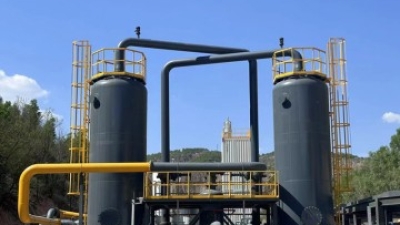
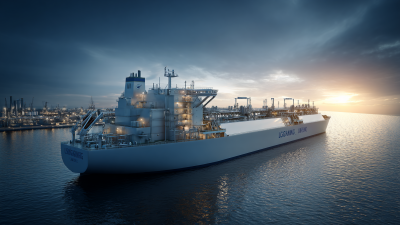
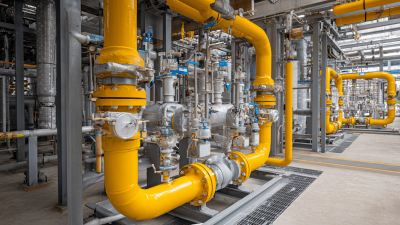
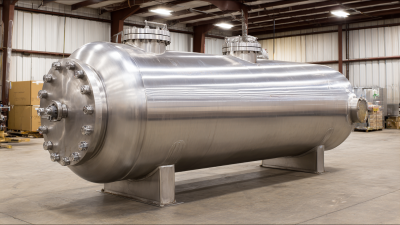
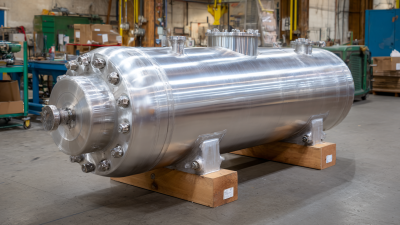
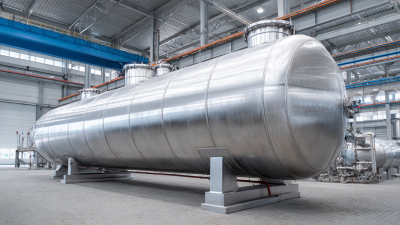
In the fast-changing world of energy conservation and environmental protection, choosing the right Liquefaction Equipment is a pretty big deal. It’s not just about getting things done efficiently—it's also aboutreducing that impact on our planet. Did you know that, according to a recent report by the Environmental Protection Agency, the global market for liquefaction equipment is expected to grow around 5.6% each year between 2021 and 2026? That really shows how much people are looking for smarter, greener energy solutions these days?
Experts like Dr. John Thompson, who's pretty much a go-to guy when it comes to liquefaction tech, often say, ‘Pick the right equipment, and you'll not only boost productivity but also cut down on carbon emissions in your processes.’ That really drives home how important it is to choose equipment wisely—it's about hitting both your business goals and caring for the environment.
Here at Hebei Hongke Qingneng Environmental Protection Equipment Co., Ltd., we kicked off in June 2021, and we’re all about coming up with new, smarter solutions in this vital field. By using the latest tech and sticking to industry standards, we aim to provide top-quality liquefaction gear that meets all kinds of client needs—while also doing our part to promote a more sustainable future.
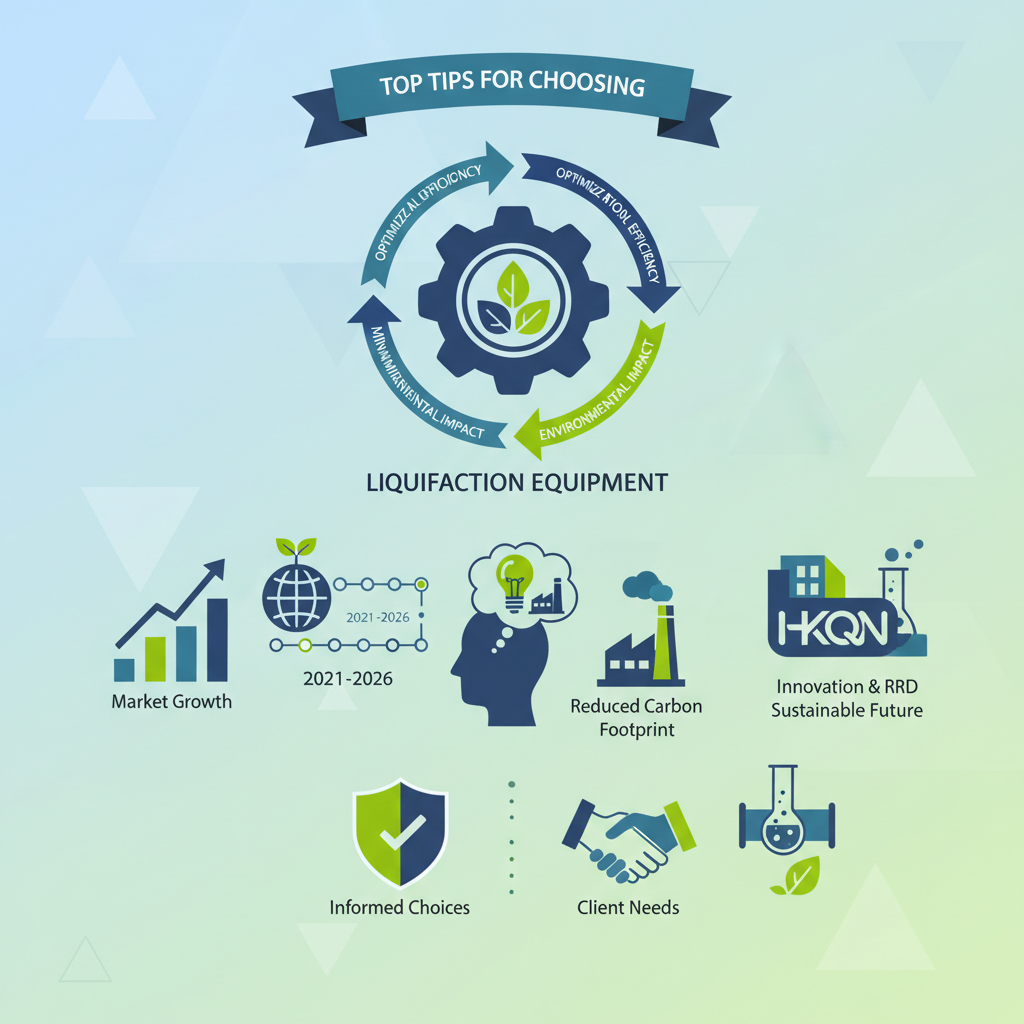
Understanding Liquefaction and Its Applications
Liquefaction is a geotechnical phenomenon where saturated soil substantially loses strength and stiffness in response to applied stress, such as earthquake shaking or significant construction activities. This transformation can lead to severe ground deformation and structural damage. According to a report by the National Earthquake Hazards Reduction Program, up to 40% of earthquake-related damage can be attributed to liquefaction in susceptible regions. Understanding these impacts is crucial for industries ranging from construction to environmental management.
When selecting liquefaction equipment, it's essential to consider the specific applications it will serve. For instance, if the primary need is for in-situ testing, lightweight portable devices may be ideal. On the other hand, for comprehensive analysis and assessments, more advanced systems that integrate multi-sensor data might be necessary.
Tip: Always assess the soil type and site conditions before purchasing liquefaction equipment. Different conditions require specific tools, so conducting preliminary site investigations can save time and resources.
Additionally, ensure that the chosen equipment complies with industry standards and certification requirements, as outlined by organizations like ASTM International and the International Society of Soil Mechanics. This adherence not only ensures safety but also enhances the credibility of the results gathered from the investigations.
Tip: Collaborate with experienced geotechnical engineers to determine the best equipment options that align with your project goals. Their insights can help you navigate the complexities of liquefaction assessments effectively.
Types of Liquefaction Equipment Available in the Market
When selecting the right liquefaction equipment, it's vital to understand the types available in the market. Broadly, liquefaction equipment can be categorized into two main types: batch systems and continuous systems. Batch systems are often favored for smaller operations, as they enable the processing of materials in discrete amounts, which can be advantageous in managing inventory and production schedules. On the other hand, continuous systems are suited for larger-scale operations, offering higher efficiency and throughput for firms that require consistent production levels.
Another essential aspect to consider when exploring liquefaction equipment is the technology employed in these systems. Advances in cryogenic technology have introduced more efficient designs, enhancing both energy consumption and throughput. Many manufacturers focus on innovations that improve reliability and automate processes, thus reducing operational risks and labor costs. Understanding these categories and technologies helps businesses make informed decisions that align with their production needs and budget, ensuring they select the most suitable liquefaction solutions available.
Key Factors to Consider When Choosing Liquefaction Equipment
When selecting liquefaction equipment, several key factors must be taken into account to ensure you choose the right solution for your specific needs. First and foremost, it is essential to consider the capacity and scale of your operations. Whether you are working on small-scale projects or large industrial applications, choosing equipment that can handle your required volume efficiently is crucial. Assessing the throughput, processing time, and how the equipment integrates into your existing systems can greatly influence both productivity and operational costs.
Another vital factor is the technology used in the liquefaction process. Different equipment types employ various technologies, which can affect the quality and consistency of the end product. Researching the advantages and limitations of alternative technologies allows you to determine which equipment aligns best with your desired outcomes. Additionally, consider the maintenance requirements and availability of technical support for the equipment you are about to invest in. Efficient support and accessible spare parts can significantly reduce downtime and enhance the overall performance of your liquefaction processes.
Assessing Your Project's Specific Liquefaction Needs
When selecting liquefaction equipment, it's essential to start by assessing the specific needs of your project. Different projects may require varying levels of capacity and performance, depending on factors such as soil types, site conditions, and the intended use of the liquefied material. Evaluating these parameters will help you determine whether you need high-capacity pumps, specialized mixing equipment, or portable solutions that can be easily transported to remote sites.
Additionally, consider the technological advancements available in liquefaction equipment. Investing in modern machines that incorporate automation and advanced monitoring systems can enhance efficiency and reduce operational risks. Analyze the manufacturer's reputation and after-sales support as well; this ensures you have access to necessary maintenance and training, which are crucial for the successful implementation of your liquefaction project. By carefully reviewing these elements, you can make an informed decision that aligns with your project's unique requirements.
Evaluating Equipment Performance and Reliability
When selecting liquefaction equipment, evaluating performance and reliability is crucial for ensuring productivity and safety. According to a report by the American Society of Civil Engineers (ASCE), equipment that exhibits higher reliability can reduce operational downtime by up to 30%. This underscores the importance of not only assessing technical specifications but also seeking equipment backed by strong warranties and customer support services.
Tip 1: Always look for equipment that has been tested under a variety of field conditions. Those that have undergone rigorous third-party evaluations tend to be more reliable. Make sure to review performance metrics available in technical reports or case studies.
Tip 2: Check for certifications and compliance with industry standards. Equipment that meets ISO standards, for example, is likely to adhere to guidelines that ensure consistent performance. Performance data from trusted sources indicates that certified equipment often outperforms non-certified counterparts by a significant margin.
Tip 3: Engage with experienced users through forums or industry groups. Feedback from those who have utilized similar equipment can provide valuable insights into long-term performance and maintenance needs, aiding in making an informed decision tailored to your specific applications.
Budgeting for Liquefaction Equipment Purchases
When budgeting for liquefaction equipment purchases, it's essential to strike a balance between quality and cost-effectiveness. Start by identifying your specific needs and the nature of the projects you will be undertaking. Research the different types of liquefaction equipment available, and consider the long-term benefits of investing in reliable machinery versus cheaper alternatives that may require frequent repairs or replacements.
One of the top tips for selecting the right equipment is to factor in not just the initial purchase price but also the ongoing operational costs, including maintenance, fuel, and potential downtime. Ensure that you gather quotes from multiple suppliers and compare not only the pricing but also the warranties and support services they offer.
Another useful tip is to keep an eye on any government grants or incentives for equipment purchases, as these can significantly alleviate your budget constraints. Explore financing options that allow for payments over time, enabling you to acquire the necessary equipment without straining your cash flow upfront. By planning carefully and considering these financial aspects, you can ensure that your investment aligns with your project goals while staying within budget.
Maintenance and Support for Liquefaction Equipment
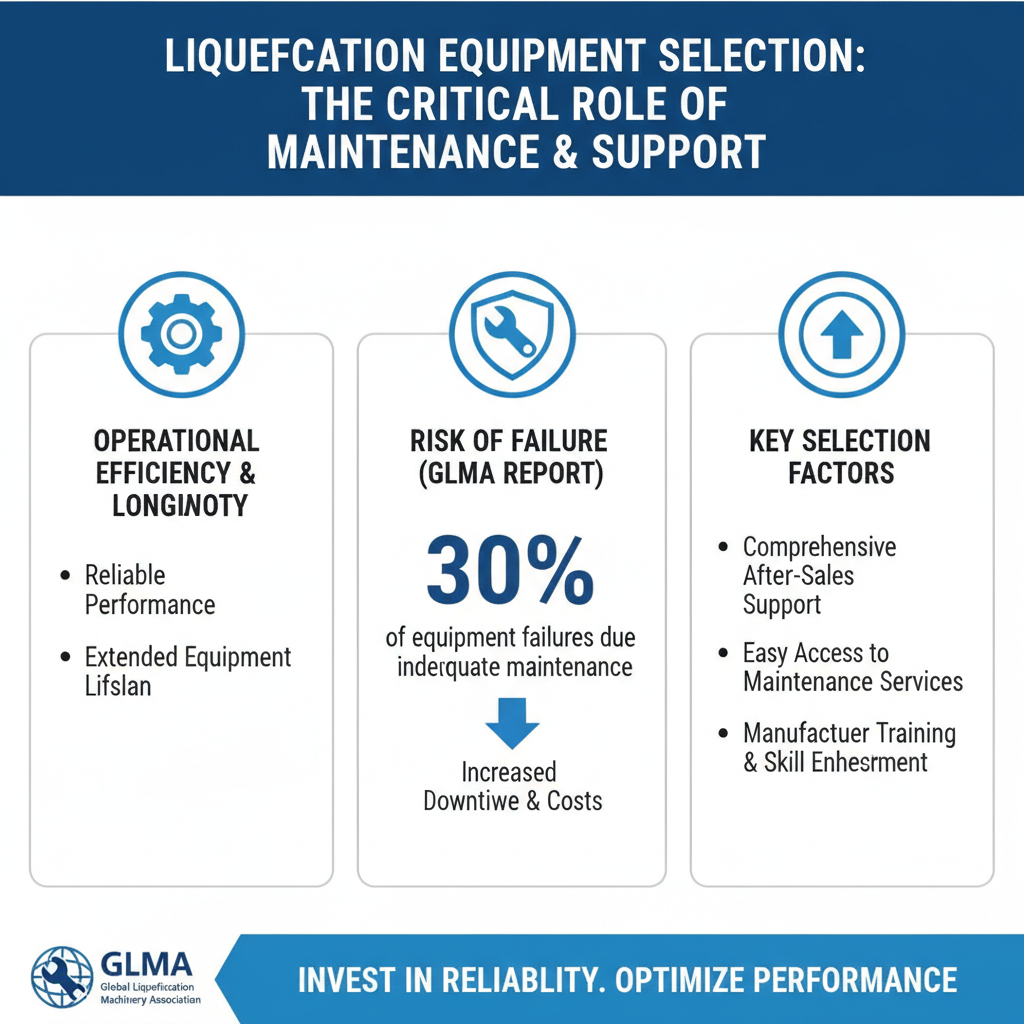
When selecting liquefaction equipment, maintenance and support play a critical role in ensuring operational efficiency and longevity. According to a report by the Global Liquefaction Machinery Association (GLMA), nearly 30% of equipment failures are attributed to inadequate maintenance practices. This highlights the importance of investing in equipment that not only meets immediate operational needs but also comes with reliable after-sales support and easy access to maintenance services. Engaging with manufacturers that provide comprehensive maintenance training can enhance the skill set of your staff, reducing downtime and repair costs.
Moreover, proactive maintenance strategies can significantly impact the overall performance of liquefaction equipment. The same GLMA report indicates that routine maintenance can extend the lifespan of liquefaction systems by up to 15 years. This can translate into substantial cost savings over time, as well-maintained equipment operates more efficiently, reduces the likelihood of unexpected breakdowns, and minimizes the need for costly emergency repairs. Therefore, when choosing liquefaction equipment, prioritize suppliers who not only offer robust machinery but also emphasize extensive maintenance protocols and responsive support systems.
Comprehensive Overview of Desulphurisation Equipment: Key Technologies, Applications, and Benefits in Industrial Processes
Desulphurisation is a critical process in the extraction and processing of natural gas, particularly when dealing with unconventional sources like shale gas and coal bed methane. The presence of hydrogen sulphide (H₂S) in these gases leads to severe issues, including equipment corrosion, environmental pollution, and heightened safety risks. A comprehensive overview of desulphurisation equipment reveals that it plays a vital role in safeguarding both production efficiency and the quality of end-use gas. According to the latest industry reports, about 30% of equipment failures in gas processing can be attributed to H₂S-related corrosion, underlining the need for effective desulphurisation technologies.
The two principal categories of desulphurisation methods—dry and wet desulphurisation—offer distinct advantages tailored to industrial requirements. Dry desulphurisation techniques, such as adsorption, are highly effective for small-to-medium-sized gas flows and are known for their lower operational costs and minimal water usage. In contrast, wet desulphurisation methods, including amine scrubbing, are preferred in situations where high H₂S removal efficiency is paramount, making them ideal for larger gas processing plants. Reports indicate that wet desulphurisation can achieve removal efficiencies exceeding 99%, making it a robust choice in applications where gas quality is critically monitored.
As industries increasingly prioritize sustainability and compliance with environmental regulations, the adoption of advanced desulphurisation solutions is expected to rise. Innovations in this field not only enhance safety by mitigating risks associated with H₂S but also improve the overall operational lifecycle of gas processing facilities. With the projected growth of the natural gas market, driven by global energy transitions, investing in effective desulphurisation equipment will be pivotal for ensuring the viability and safety of gas production processes.
FAQS
: The two main types of liquefaction equipment are batch systems and continuous systems. Batch systems are ideal for smaller operations, while continuous systems are suited for larger-scale operations, providing higher efficiency and throughput.
Batch systems are favored in smaller operations because they allow for the processing of materials in discrete amounts, which helps in managing inventory and production schedules effectively.
Continuous systems offer higher efficiency and throughput, making them suitable for firms that require consistent production levels.
Technology plays a crucial role as advancements in cryogenic technology lead to more efficient designs, improving energy consumption and enhancing throughput while introducing innovations that increase reliability and automation.
Key considerations include the required capacity and performance based on soil types, site conditions, and the intended use of the liquefied material, as well as the need for high-capacity pumps or portable solutions.
Technological advancements, such as automation and advanced monitoring systems, can enhance efficiency and reduce operational risks, making them worthwhile investments.
Evaluating the manufacturer's reputation and after-sales support is essential to ensure access to necessary maintenance and training, which are crucial for the successful implementation of a liquefaction project.
Portable solutions may be needed for remote sites, allowing for easy transportation and operation in challenging environments.
Automation reduces operational risks and labor costs, leading to more efficient production processes and lower overall expenses.
Factors include project-specific needs, capacity requirements, soil types, site conditions, technological advancements, and the reputation of the equipment manufacturer.
Conclusion
When selecting the right liquefaction equipment for specific needs, it is crucial to understand the principles of liquefaction and its various applications. Different types of liquefaction equipment are available on the market, from basic models to advanced systems tailored for specialized tasks. Key factors to consider include the project's specific liquefaction requirements, equipment performance, reliability, and maintenance options.
Proper budgeting for the purchase and ongoing support for liquefaction equipment is also essential. Hebei Hongke Qingneng Environmental Protection Equipment Co., Ltd., established in June 2021, specializes in the research and development of energy conservation and environmental protection equipment, making it well-equipped to provide high-quality solutions for the liquefaction industry. By following these guidelines, users can ensure they choose the most suitable liquefaction equipment for their needs, enhancing both efficiency and effectiveness in their projects.