As the world shifts more and more towards saving energy and protecting our environment, picking the right Natural Gas Heat Exchanger is becoming more important than ever to get the best efficiency. Looking ahead to 2025, it’s really key for businesses to stay updated on the latest trends and tech in the industry, so they can boost their performance without hurting the planet.
Back in June 2021, Hebei Hongke Qingneng Environmental Protection Equipment Co., Ltd. was born in the Sanhe Economic Development Zone, Langfang City. Since then, they've been all about developing innovative solutions to help save energy. They focus a lot on quality manufacturing, aiming to deliver top-notch Natural Gas Heat Exchangers that not only meet but actually beat the usual efficiency standards.
In this blog, I’m sharing five simple tips to help you pick the best Natural Gas Heat Exchanger—so that your investment supports a more sustainable future, one step at a time.
Understanding the Role of Natural Gas Heat Exchangers in Energy Efficiency
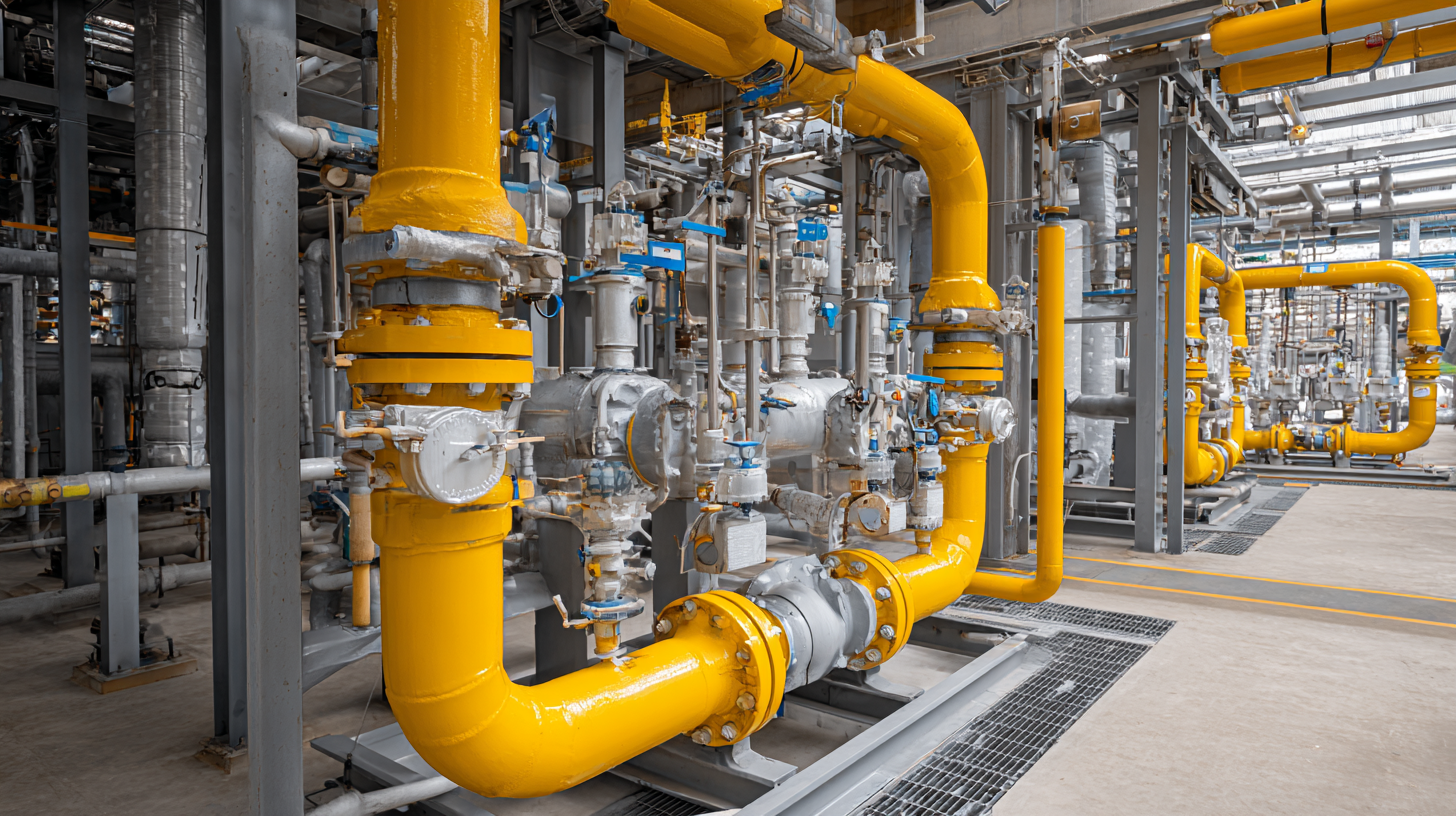
Natural gas heat exchangers are pretty important when it comes to making heating systems more energy-efficient. Basically, they help transfer heat between different fluids without mixing them up, so you get maximum energy use. By boosting the heat recovery, these devices not only help cut down your energy bills but also reduce greenhouse gas emissions—kind of a win-win for everyone trying to be greener.
When you're shopping for a good natural gas heat exchanger, one thing to look at is its efficiency rating. The higher it is, the better it performs—you'll get more heat out of the same amount of gas, which means less energy waste. Also, don’t forget to check out the material and design. A well-made unit that'll resist corrosion and last longer can save you a ton of headaches and money down the line.
And of course, make sure it's compatible with your current setup. Picking something that fits well can prevent all sorts of operational hiccups and make your whole system run smoother. If you keep these tips in mind, you'll be better equipped to choose a natural gas heat exchanger that amps up energy savings and helps you stick to your sustainability goals.
Key Factors to Consider When Selecting a Natural Gas Heat Exchanger
When you're picking out a natural gas heat exchanger to get the best efficiency, there are a few important things you'll want to keep in mind to make sure you choose something that really fits your needs. First off, the design and setup of the heat exchanger matter a lot. You’ve got options like shell-and-tube, plate, or air-cooled types—and each comes with its own pros and cons that can affect how well they perform and how much maintenance they'll need. It's a good idea to think about how much space you've got for installation and what kind of thermal performance you're after, so you can pick the right design without hassle.
Another thing to consider is what materials are used to build the heat exchanger. Going for high-quality materials that can handle the heat and potential corrosion from natural gas is key if you want it to stay efficient and reliable over time. Don’t forget to look at how good the heat transfer really is—models with higher efficiency can save you a decent chunk of money on energy bills down the road. And finally, it’s worth checking out the reputation of the manufacturer and what kind of support they offer. A trusted brand doesn’t just sell you a solid product but can also provide the customer service and maintenance help you might need later on, which can really extend the life of your heat exchanger.
Natural Gas Heat Exchanger Efficiency Factors
The Benefits of High-Quality, Manufactured Heat Exchangers
Picking a top-notch heat exchanger is really key if you wanna boost energy efficiency and make sure things run smoothly in all kinds of industrial settings. Lately, technology's been moving fast — have you heard about those new silicon carbide heat exchangers? They've really set a new bar when it comes to durability and performance. Some studies show that these fancy new exchangers can deliver up to 30% better thermal performance compared to the old-school materials. That’s a big deal because it means better energy use and lower operating costs—that’s basically good news for any industry where saving energy directly means better productivity and higher quality.
But honestly, choosing the right heat exchanger isn’t just about numbers and performance. Good quality units tend to last longer, which means less maintenance hassle and fewer replacements down the line. And with industries booming the way they are right now, having reliable heat exchangers that keep things stable is pretty much non-negotiable. In fact, experts are saying the global market for these devices is about to grow a lot, mostly because everyone’s chasing more energy-efficient solutions. So, investing in high-quality heat exchangers isn’t just some arbitrary decision — it’s a smart move if you wanna stay ahead, meet those tough energy standards, and run your operations like a champ.
5 Tips to Choose the Best Natural Gas Heat Exchanger for Optimal Efficiency
| Criteria | Details |
| Material | Stainless Steel or Copper for better durability and conductivity |
| Heat Transfer Efficiency | Look for exchangers with high thermal performance ratings |
| Size and Space | Consider the available installation space and required flow rates |
| Maintenance Requirements | Select models that are easy to clean and maintain |
| Cost-Effectiveness | Assess long-term savings versus initial investment |
Comparing Different Types of Heat Exchangers for Natural Gas Applications
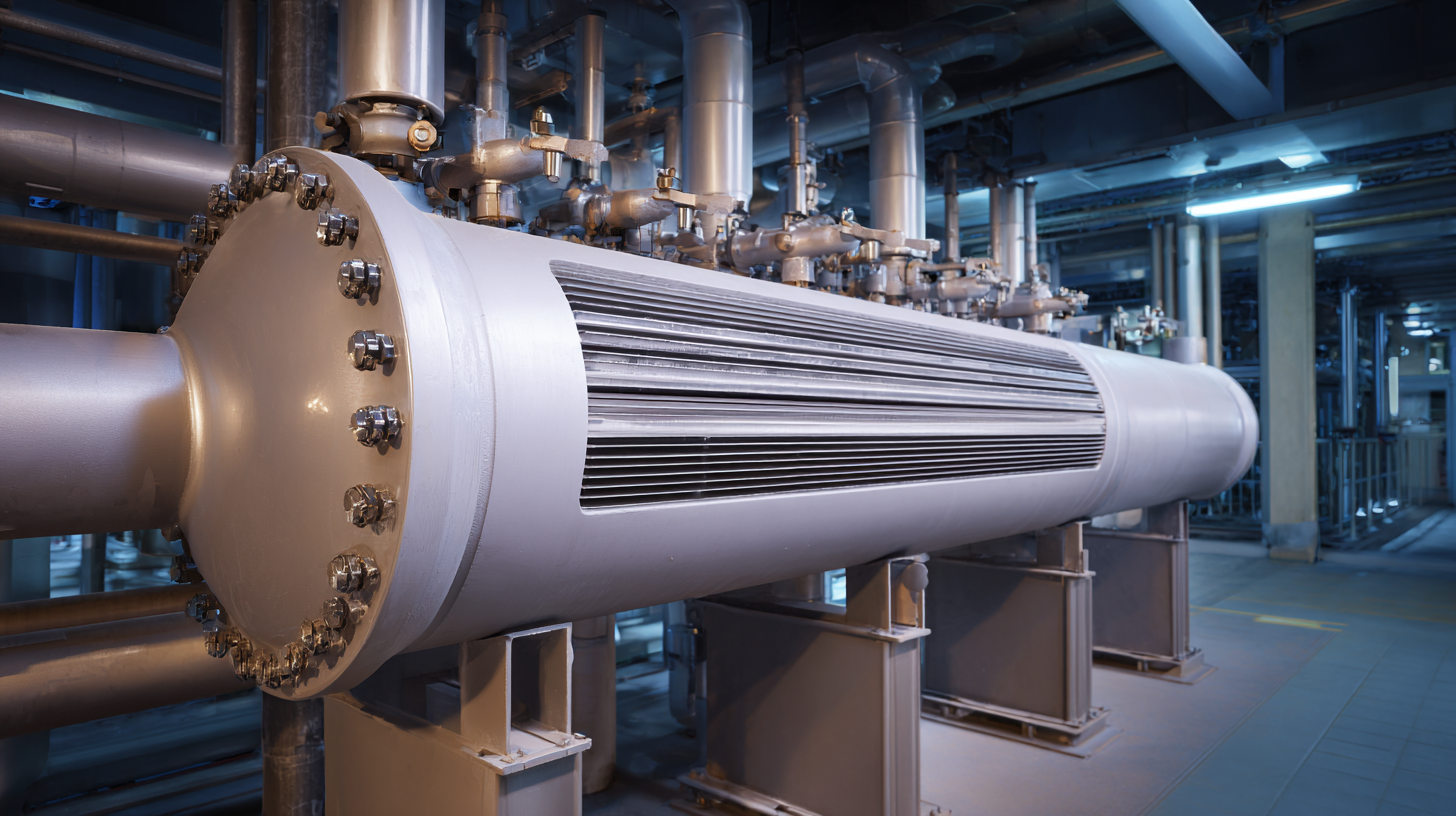
When you're trying to pick out the best natural gas heat exchanger for top-notch efficiency, it's really important to look at the different types out there and see what they’re each good for. Lately, there’s been a lot of buzz about new tech in heat exchangers — especially these printed circuit models, which are super efficient and pretty compact. That makes them perfect for floating liquefied natural gas projects. They tend to perform reliably even when conditions aren’t ideal, which is huge when you're trying to keep natural gas systems running smoothly and efficiently.
On the other hand, the performance of ground-source heat pumps, particularly in colder climates, has been getting some serious attention too. Research shows that tweaking the design of the ground heat exchangers can really boost how well they transfer heat and how smoothly the flow runs. For example, improving passive heat transfer methods in these systems can make a significant difference, helping them work better and save energy. By taking a close look at these technologies and how they’re evolving, you can make smarter choices about which heat exchangers to go for — not just for now, but for the future, too, when energy efficiency and sustainability are more important than ever.
How Maintenance Practices Impact the Efficiency of Heat Exchangers
When it comes to getting the most out of natural gas heat exchangers, taking good care of them is a must. Regular checks and fixing things early on can catch potential issues before they turn into big problems, keeping everything running smoothly. With all the new advances in predictive maintenance these days, it’s really smart to take a proactive stance. For example, customizing a Fault Modes and Effects Analysis (FMEA) specifically for district heating substations can make a huge difference in how well things run and how long your equipment lasts.
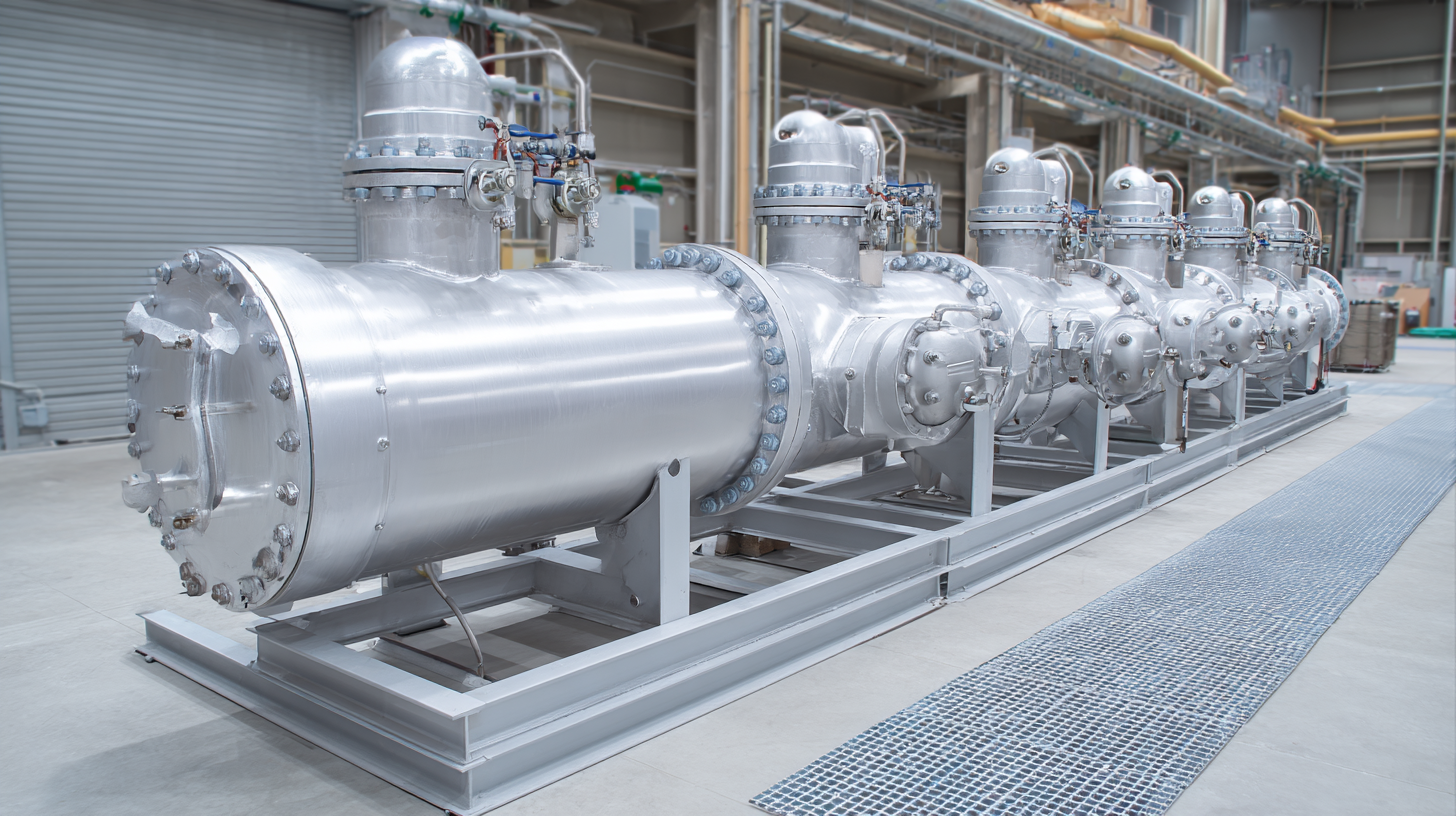
A good tip when choosing a natural gas heat exchanger is to look at its design and how much effort it’ll need for maintenance. A well-thought-out design not only boosts energy efficiency but can also save you a good chunk of money in the long run. It’s also worth checking that the materials used are resistant to fouling—that way, you won’t need to service it as often, and it’ll perform better thermally. Plus, hopping on board with some of the latest tech, like using innovative fluids, can really ramp up heat transfer efficiency—something that’s super important when you’re trying to save energy.
Sustainable Innovations in Natural Gas Heat Exchanger Technology
As more and more folks are searching for better ways to use energy efficiently, the natural gas heat exchanger industry is really evolving—thanks to some pretty exciting sustainable innovations. I recently read a report from the International Energy Agency that projects the global market for heat exchangers could hit around $18.2 billion by 2025. And get this—there’s a clear shift happening towards eco-friendly tech, which makes sense given how much people are now focused on cutting carbon footprints and boosting energy efficiency, especially in those energy-hungry industries.
One of the coolest things happening right now is the use of new, advanced materials. Think high-efficiency alloys and polymer composites—these are being used to make heat transfer better while also cutting down on energy waste. The American Society of Mechanical Engineers even pointed out that these materials can improve performance by as much as 30%. That’s a big deal! Plus, we’re seeing a move towards smart heat exchangers that connect with IoT and use AI for real-time monitoring and tweaking. It’s pretty awesome how this tech is transforming the way we keep an eye on and optimize energy use, making operations across different sectors more sustainable and efficient overall.
Maximizing Energy Efficiency: Insights from Recent Industry Reports on Natural Gas Treatment Plant Exhaust Gas Recovery Solutions
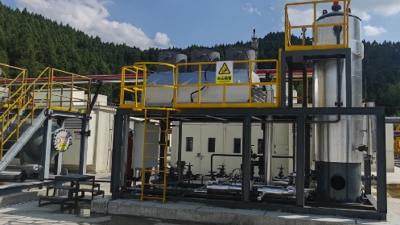
In the quest for maximizing energy efficiency, natural gas treatment plants are increasingly turning their attention to exhaust gas recovery solutions. Recent industry reports highlight the critical role of tail gas treatment in ensuring both environmentally friendly operations and the optimal utilization of resources. A well-designed tail gas recovery system not only reduces emissions but also contributes to significant cost savings, ultimately enhancing the plant's overall productivity.
Our company offers innovative tail gas washing skids and burning skids that exemplify cutting-edge technology in tail gas recovery. These solutions are engineered to work synergistically, allowing natural gas treatment plants to achieve comprehensive recovery of exhaust gases. By implementing our state-of-the-art equipment, enterprises can meet stringent environmental protection standards while also improving their economic performance. The dual benefits of reducing environmental impact and boosting operational efficiency position tail gas treatment as a vital component in the modern natural gas industry.
FAQS
: Natural gas heat exchangers facilitate the transfer of heat between fluids without mixing them, enhancing energy efficiency by maximizing heat recovery and reducing operational costs and greenhouse gas emissions.
The efficiency rating can be assessed by looking at the model's specifications; higher efficiency ratings indicate better performance and more heat extraction from gas, resulting in lower energy consumption.
The main design types include shell-and-tube, plate, and air-cooled exchangers, each with unique advantages and disadvantages affecting performance and maintenance.
High-quality materials can withstand thermal and corrosive stresses associated with natural gas, ensuring long-term efficiency and reliability of the heat exchanger.
Regular inspections and timely repairs can prevent faults, ensuring smooth operations and maximizing efficiency; a proactive maintenance approach, such as predictive strategies, further enhances performance.
Choosing a reputable manufacturer is crucial as they provide robust products, valuable customer service, and maintenance support that can significantly extend the lifespan of your heat exchanger.
Look for designs resistant to fouling and those that include advanced technologies to enhance heat transfer efficiency, thereby reducing maintenance frequency and improving thermal performance.
Ensuring that the heat exchanger fits well with your existing setup can prevent operational issues and enhance overall system performance.
Incorporating advanced technologies, such as innovative fluids, can enhance heat transfer efficiency, which is crucial for energy conservation in heating systems.
Consider the design and configuration of the heat exchanger, along with the thermal performance required for your application, to determine the most suitable installation space and unit.