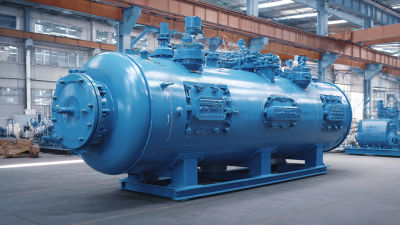
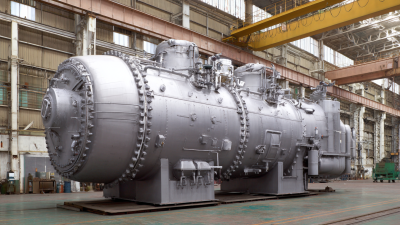
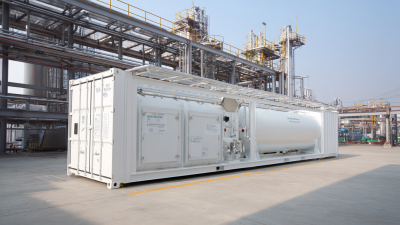
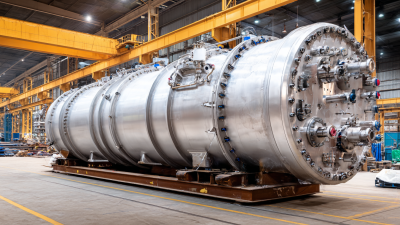
When you think about industrial stuff, Pressure Vessel Tanks are kind of a big deal—they're essential for safely storing and handling gases and liquids under pressure. I came across a report on the Global Pressure Vessel Tank Market, and it looks like the industry might hit over $25 billion by 2025. That growth? Mostly because sectors like oil and gas, chemical manufacturing, and food processing are demanding more and more. As these industries keep evolving, it’s pretty important to know about the different types of pressure vessels and what they’re best used for—getting that right can really boost safety and efficiency.
You know, Dr. Michael Hartley, a well-known expert in the field and senior engineer at the International Society of Pressure Vessel Engineers, really highlights how crucial it is to pick the right tank for the job. He says, “Choosing a pressure vessel is more than just specs—it's about safety, reliability, and performance, especially in tough environments.” That kind of explains why it’s so important to understand the ins and outs of different tank types—like spherical or cylindrical ones—because each one has its own specific role in different industries.
As we dive into the top 10 types of pressure vessel tanks and what they’re used for, it’s a good reminder that these vessels do more than just keep things running smoothly. They also help meet strict safety rules, which is super important for protecting workers and the environment alike.
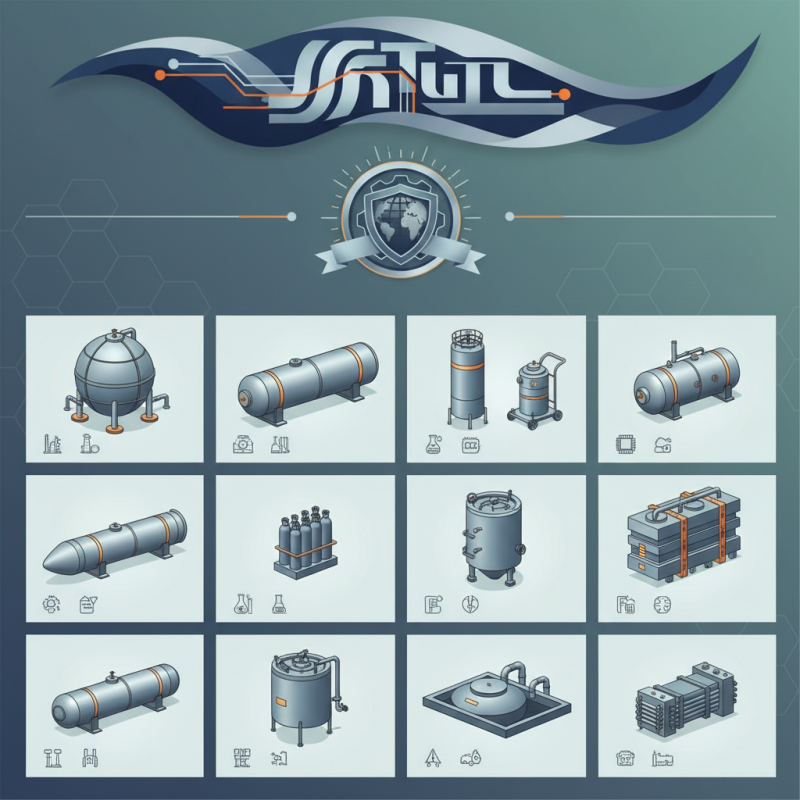
Types of Pressure Vessels: An Overview
Pressure vessels are integral components in various industries, designed to hold gases or liquids at pressures significantly different from the ambient pressure. Understanding the different types of pressure vessels is essential for engineers and safety professionals alike. Based on industry data, the global pressure vessel market is expected to reach approximately $200 billion by 2026, reflecting the critical role these structures play across sectors like oil and gas, power generation, and chemical manufacturing.
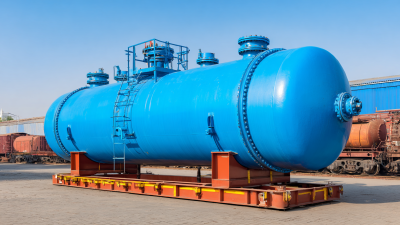
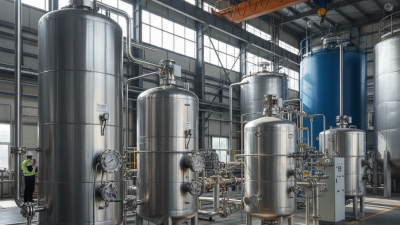
The major categories of pressure vessels include horizontal and vertical vessels, which are distinguished based on their orientation. Horizontal vessels are commonly used in the petrochemical field due to their ease of maintenance and efficient space utilization. Conversely, vertical vessels are often favored in water treatment and storage applications, providing a smaller footprint while maximizing capacity. Furthermore, specialized types such as spherical and cryogenic vessels are crucial for handling specific materials, including liquefied gases, which require stringent temperature and pressure controls. According to a report by Market Research Future, the demand for advanced pressure vessel designs is projected to grow, driven by safety enhancements and increasing regulatory requirements across many industries.
Top 10 Pressure Vessel Tank Types and Their Applications
| Type of Pressure Vessel | Description | Common Applications |
| Storage Tanks | Large containers designed to hold liquids or gases under pressure. | Petrochemical industry, water treatment facilities. |
|
Reactor Vessels | Pressure vessels designed for chemical reactions at high temperatures and pressures. | Pharmaceuticals, petrochemicals, and food processing. |
| Heat Exchangers | Vessels that transfer heat between two or more fluids. | Oil refineries, HVAC systems. |
| Pressure Pipes | Pipes that transport fluids under pressure. | Natural gas transport, industrial process piping. |
| Condensers | Vessels that condense vapor into liquid through cooling. | Power plants, refrigeration systems. |
| Vessel with Stirrers | Pressure vessels that include an agitator to mix contents. | Chemical manufacturing, food processing. |
| Autoclaves | Pressure vessels used to carry out chemical reactions or sterilizations. | Medical applications, material processing. |
| Bullets | High-pressure vessels designed to hold gases or liquids under extreme pressure. | Diving gas storage, fire extinguishers. |
| Cylinders | Pressure vessels used to store gases in a cylindrical shape. | Medical oxygen, industrial gases. |
Understanding the Design and Construction of Pressure Vessels
Pressure vessels are essential components in many industrial processes, and understanding their design and construction is crucial for ensuring safety and efficiency. The primary design considerations for pressure vessels include the materials used, the shape of the vessel, and the methods of construction. Typically made from steel or other alloys, the choice of material must withstand high pressure and temperature variations while preventing corrosion. Common shapes, such as cylindrical and spherical, are chosen based on the intended application—cylindrical vessels are often used for storage, while spherical designs are more efficient for gas storage.
Construction techniques for pressure vessels vary depending on their use and the industry standards they must meet. Welding is the predominant method for joining materials, and ensuring the integrity of these welds is vital to prevent failures. Additionally, pressure vessels must undergo thorough testing, including hydrostatic tests and non-destructive examinations, to verify their strength and durability. Compliance with relevant codes and standards is also essential, as these regulations dictate design parameters, safety features, and operational guidelines to protect both equipment and personnel involved in the processes they serve.
Common Materials Used in Pressure Vessel Manufacturing
Pressure vessels are crucial components in various industries, and their manufacturing requires careful selection of materials to ensure safety and durability. Common materials used in pressure vessel manufacturing include carbon steel, stainless steel, aluminum, and composite materials. Carbon steel is widely favored for its strength and cost-effectiveness, perfect for applications where high pressure is a concern. Stainless steel, on the other hand, offers excellent corrosion resistance, making it ideal for chemical processing and storage tanks where contact with corrosive substances is common.
When choosing materials for pressure vessels, it’s essential to consider factors such as the operating environment and the substances being stored. For example, aluminum is lightweight yet possesses good strength, making it suitable for specific applications in the aerospace and automotive sectors. Composite materials, while typically more expensive, provide an excellent strength-to-weight ratio and enhanced resistance to corrosion and temperature fluctuations.
**Tips:** Always evaluate the specific requirements of your application, including pressure ratings and chemical compatibility, before selecting material. Additionally, consider consulting with industry experts to ensure compliance with safety standards and regulations during the design and manufacturing process.
Top 10 Pressure Vessel Tank Types and Their Unique Features
Pressure vessels are critical components across various industries, designed to safely contain gases or liquids at high pressures. Understanding the unique features of the top pressure vessel tank types can greatly enhance operational efficiency and safety. Some common types include cylindrical vessels, spherical tanks, and double-walled tanks, each with distinct benefits. For example, cylindrical vessels are prevalent due to their strength and efficiency in pressure management, while spherical tanks excel in minimizing stress on the structure thanks to their shape, thereby reducing the risk of leaks.
When selecting a pressure vessel tank, one must consider material compatibility, pressure ratings, and the operating environment. According to recent industry reports, the global pressure vessel market was valued at approximately USD 31 billion in 2022, with a projected CAGR of 5.6% through 2030. This growth underlines the importance of choosing the right tank type that meets application needs, as improper selection can lead to significant safety hazards and financial losses.
Tips: Always conduct regular inspections and maintenance on pressure vessels to prevent failures and ensure optimal performance. Additionally, keeping abreast of industry standards and technological advancements will help in making informed decisions regarding vessel selection and usage. Regular training for operational staff regarding the unique features and handling of pressure vessels can further enhance safety protocols.
Top 10 Pressure Vessel Tank Types and Their Applications
Applications of Pressure Vessels in Various Industries
Pressure vessels play a critical role across various industries, serving diverse applications that are essential for operational efficiency and safety. According to a report by Research and Markets, the global pressure vessel market is expected to reach USD 75.9 billion by 2026, growing at a CAGR of 5.2% from 2021. In the oil and gas sector, pressure vessels are integral for processing, storing, and transporting natural gas and crude oil. Their robust designs allow them to withstand high pressures, making them essential for refining processes, where safety and structural integrity are paramount.
In the chemical industry, pressure vessels are widely used for the storage and processing of chemicals under high pressure and temperature conditions. The American Institute of Chemical Engineers highlights that pressure vessels must comply with stringent safety standards to mitigate risks associated with chemical reactions and storage. Similarly, in the food and beverage sector, autoclaves—a type of pressure vessel—are employed for sterilizing food products, ensuring safety and extending shelf life. This growing emphasis on food safety regulations contributes to the projected growth of the pressure vessel market in this field, estimated to expand by approximately $5 billion over the next few years.
Safety Standards and Regulations for Pressure Vessels
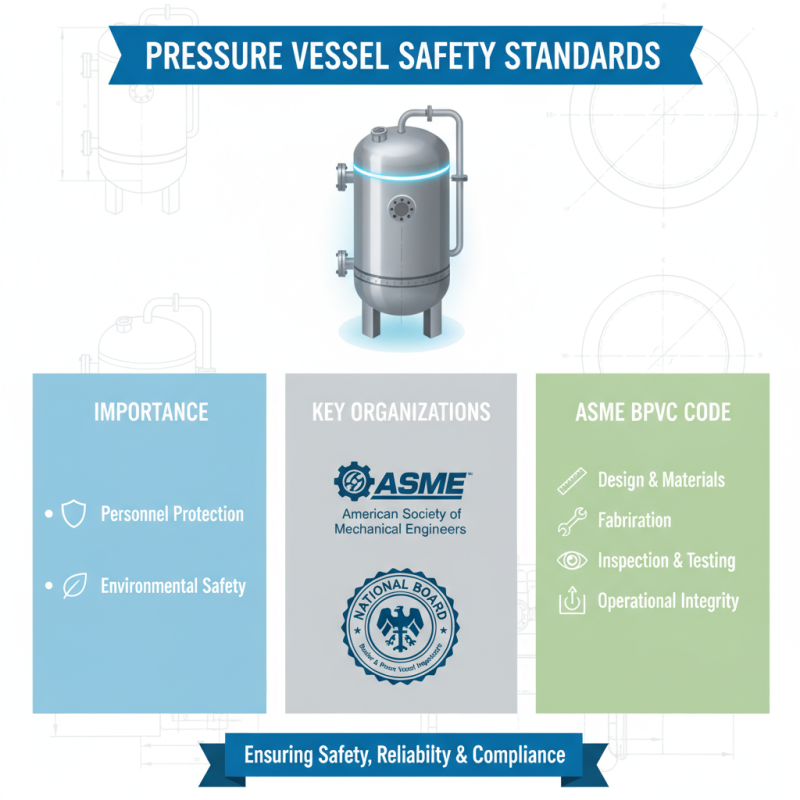
Pressure vessels are critical components in various industries, including oil and gas, chemicals, and power generation. The safety standards and regulations governing their design, construction, and operation are paramount to ensure the protection of personnel and the environment. Organizations such as the American Society of Mechanical Engineers (ASME) and the National Board of Boiler and Pressure Vessel Inspectors have established rigorous guidelines that manufacturers and operators must adhere to. The ASME Boiler and Pressure Vessel Code (BPVC) outlines standards for design, materials, fabrication, inspection, and testing, ensuring that pressure vessels can withstand the operational stresses they encounter.
According to the International Organization for Standardization (ISO), compliance with safety standards not only mitigates risks but also enhances the reliability and longevity of pressure vessels. A study by the U.S. Department of Labor indicates that improper maintenance and lack of adherence to regulations contribute to nearly 30% of workplace accidents involving pressure vessels. The importance of regular inspections and adherence to safety protocols cannot be overstated. By following these guidelines, industries can ensure that their pressure vessels remain safe for operation, thus protecting their workforce and minimizing environmental risks associated with failures or leaks.
Future Trends in Pressure Vessel Technology and Design
The landscape of pressure vessel technology and design is undergoing significant transformation driven by advancements in materials science, automation, and sustainability practices. With the increasing emphasis on safety and efficiency, modern pressure vessels are being designed to withstand higher pressures and dynamic loads while minimizing weight. Innovations such as composite materials are being explored to enhance the durability and longevity of these vessels, making them suitable for harsher environments and applications.
Tips: When evaluating pressure vessel technologies, consider the lifecycle assessment of materials used. Opting for materials that not only support strength and durability but also have lesser environmental impact can be a game-changer in future projects.
Moreover, the integration of smart technology is becoming prevalent in monitoring and maintaining pressure vessels. Incorporating IoT devices enables real-time data collection regarding temperature, pressure levels, and potential leaks, allowing for proactive maintenance and improved operational reliability. Companies that adopt these technologies stand to not only enhance safety but also streamline their operations, ultimately reducing costs.
Tips: When implementing smart technology, ensure that your team is trained in data analysis to make informed decisions based on the insights gathered from monitoring systems. Continuous learning in this area can lead to unforeseen improvements and innovations in pressure vessel management.
Innovative Advances in Non-Standard Pressure Vessel System Solutions: Insights from the Global Pressure Vessel Market Report 2023
The global pressure vessel market is witnessing innovative advancements, particularly in non-standard pressure vessel system solutions. According to the Global Pressure Vessel Market Report 2023, the industry is projected to grow significantly due to increased demand across diverse sectors such as energy, chemicals, and biopharmaceuticals. The report highlights that the integration of cutting-edge technologies and customized engineering solutions is essential for meeting the specific needs of these sectors.
With a decade of experience in pressure vessel development, our focus on R&D, precision manufacturing, and intelligent service has led us to create a high-end equipment system. This system is designed to provide tailored pressure vessel solutions that accommodate the unique requirements of various industries. Our independent development of a three-dimensional parametric design platform facilitates structural simulation and process optimization for non-standard equipment like adsorption tanks and reactors. This innovative approach ensures a design accuracy of ±0.5mm and enhances operational efficiency by 40% compared to traditional methods.
The ability to adapt to the evolving demands of clients is essential in the current market landscape. The competitive pressure vessel sector increasingly requires manufacturers to offer flexible, efficient solutions that are compliant with national design qualifications, such as A2/D1/D2 categories. As a result, the focus on bespoke engineering solutions not only addresses immediate client needs but also contributes to the long-term sustainability of industries reliant on high-quality pressure vessels.
FAQS
: The primary design considerations for pressure vessels include the materials used, the shape of the vessel, and the methods of construction.
Pressure vessels are typically made from steel or other alloys that can withstand high pressure and temperature variations while preventing corrosion.
Common shapes of pressure vessels include cylindrical and spherical designs. Cylindrical vessels are often used for storage, while spherical designs are more efficient for gas storage.
Welding is the predominant method for joining materials in pressure vessel construction.
Pressure vessels must undergo thorough testing, including hydrostatic tests and non-destructive examinations, to verify their strength and durability.
Compliance with relevant codes and standards is essential as these regulations dictate design parameters, safety features, and operational guidelines to protect both equipment and personnel.
Common types of pressure vessel tanks include cylindrical vessels, spherical tanks, and double-walled tanks, each with distinct benefits.
Spherical tanks excel in minimizing stress on the structure due to their shape, which helps reduce the risk of leaks.
Factors to consider include material compatibility, pressure ratings, and the operating environment.
Regular inspections and maintenance on pressure vessels, along with training for operational staff on their unique features, are crucial for preventing failures and enhancing safety.
Conclusion
The article "Top 10 Pressure Vessel Tank Types and Their Applications You Should Know" provides a comprehensive overview of various pressure vessel tanks, highlighting their essential roles across multiple industries. It begins with an exploration of the different types of pressure vessels, along with details about their design and construction. Key materials used in manufacturing these tanks are discussed, emphasizing their importance in ensuring safety and efficiency.
The core of the article focuses on the top ten pressure vessel tank types, outlining their unique features and specific applications, which range from storage to processing in various sectors. Furthermore, it addresses safety standards and regulations governing pressure vessels to ensure compliance and prevent accidents. Lastly, the article looks forward to future trends in technology and design, indicating potential advancements that could enhance the functionality and safety of pressure vessel tanks in the years to come.