These days, in the fast-changing world of industry, energy efficiency isn’t just a buzzword — it’s actually a big deal for companies trying to cut costs and do their part for the environment. Steam Condensers, which are pretty important parts of steam systems, play a huge role when it comes to saving energy. The folks over at the U.S. Department of Energy have done the math, and they say that optimizing these systems can save between 20 to 30% of energy — that’s a pretty major impact, all from making sure your condensers are working right. Now, there’s a company that’s really making waves in this space — Hebei Hongke Qingneng Environmental Protection Equipment Co., Ltd. — they've been around since June 2021 and are really pushing the envelope with new tech aimed at saving energy and protecting our environment. By upgrading to smarter, more efficient steam condensers, industries can not only boost their thermal performance but also really step up their game when it comes to sustainability and cutting down greenhouse gases. Getting to know how these condensers work isn’t just technical mumbo jumbo; it’s actually key for businesses wanting to get serious about managing energy better and making a positive difference for the planet.
Understanding the Basics of Steam Condensers: Key Concepts Explained
 You know, steam condensers are pretty much the unsung heroes when it comes to making thermal power plants run efficiently. They basically turn the turbine’s exhaust steam back into water, so it can be reused over and over again. It’s a smart way to save water and keeps everything running smoothly, creating this sustainable cycle of steam generation. Lately, there’s been some cool progress, like this new TDn(1 + PIDn) controller that’s been developed to better regulate pressure inside those big shell-and-tube condensers that don’t behave in a totally linear way. It’s all about pushing performance and making these systems more reliable.
Plus, using fancy control tech like the optimized FOPID controller just shows how innovation keeps the game going. Tools like the sinh-cosh optimizer help fine-tune the condenser operations really precisely, which means better energy output and less waste. As the energy world shifts—more diverse fuel options, upgrading old setups—the importance of efficient steam condensation just keeps getting more critical. Bottom line? It’s all about keeping these systems running at their best, and ongoing improvements are making a real difference.
The Importance of Steam Condensers in Energy Efficiency Strategies
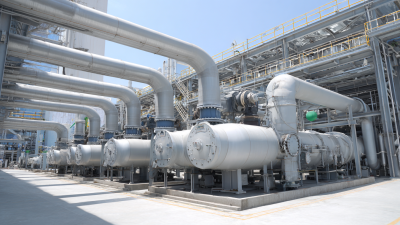
Steam condensers might not be the flashiest equipment out there, but they’re definitely key when it comes to squeezing more efficiency out of industrial processes. Basically, these systems catch the heat from steam after it’s been used—think power plants or heating setups—and then cool it down so it turns back into water. This water can then be reused, saving energy and cutting down on costs. It’s a big deal, especially now as industries are really pushing to cut waste and be more environmentally friendly.
Oh, and here’s a little tip: keeping those condensers in good shape can save a ton of energy. Make sure to clean the tubes regularly—fouling and buildup can really mess with heat transfer. Not only does this keep things running smoothly, but it also helps the equipment last longer.
Plus, with all the cool new tech coming out, many facilities are now using monitoring systems to keep a close eye on performance. By analyzing data, they can spot inefficiencies early on and tweak things as needed. Being proactive like this doesn’t just boost efficiency; it helps foster a mindset of continuous improvement throughout the organization.
And don’t forget—investing in real-time monitoring tools can make a huge difference. Catching issues early means you can make quick adjustments, prevent energy losses, and keep everything running at peak performance.
How Steam Condensers Improve Thermal Performance in Industrial Systems
Steam condensers are pretty important when it comes to making industrial systems run better. They do a great job of turning steam back into water efficiently, which boosts the overall performance of the whole setup. I read somewhere that, according to the ASME, if condensers are working well, they can bump up a system’s efficiency by up to 10%. That’s mainly because they lower the temperature of the exhaust steam, making it possible to do some extra heat recovery and really optimize how heat moves around in the whole process.
On top of that, a report from the U.S. Department of Energy points out that if condensers aren’t operated properly, you could be losing around 15% or more of energy in your steam systems. That’s a chunk of wasted energy! When industries keep their condensers in good shape—through regular maintenance or upgrades—they often find they can reuse and recover a lot of that condensed steam. Many places even report seeing a return on investment of up to 30%, thanks to better energy efficiency and lower operational costs. It’s a win-win because it not only helps the environment but also makes the whole process more sustainable in the long run.
Identifying Common Issues with Steam Condensers and Their Solutions
Steam condensers are pretty important when it comes to keeping energy costs down because they help turn steam back into water in all sorts of industrial setups. But, let’s be real — they can run into some common problems that slow things down and bump up those operating expenses. Spotting these issues early on is really the best way to keep everything running smoothly and avoid costly shutdowns.
One typical headache with steam condensers is stuff like condensate buildup or non-condensable gases sneaking in, which can block the steam flow. When that happens, heat transfer takes a hit, and the whole system doesn’t perform as well. Making it a habit to check vents regularly and clear out any blockages can really make a difference — it’s like giving your condenser a little tune-up.
**Pro tip:** Make sure to routinely inspect the condenser for signs of corrosion or scale buildup because these can seriously mess with heat transfer rates. Doing regular maintenance checks not only helps the condenser last longer but also keeps your energy use at peak efficiency.
Another snag is when the cooling water flow isn’t quite right. If the water isn’t flowing properly, it can cause overheating and make the system less efficient. To steer clear of this, it’s important to double-check that your cooling water system’s working well and that the water supply stays steady and enough.
**Quick tip:** Think about installing flow meters — they’re super handy for keeping an eye on water flow. Catching any irregularities early means you can fix problems fast before they turn into bigger issues."
By staying on top of these common problems and handling them before they get worse, you can really improve how your steam condenser performs and boost overall energy efficiency.
The Impact of Steam Condenser Efficiency on Energy Consumption
This chart illustrates the relationship between steam condenser efficiency levels and energy consumption in megawatt-hours (MWh). High efficiency condensers consume significantly less energy compared to moderate and low efficiency counterparts, highlighting the importance of maintaining steam condensers for optimal energy performance.
Best Practices for Maintaining Optimal Steam Condenser Operation
Keeping steam condensers running smoothly is super important if you want to boost energy efficiency in your industrial setup. A good starting point? Regularly check and clean those condenser tubes. Over time, sediments and dirt tend to build up, which can really block heat transfer and cause energy to waste away. Setting up a routine maintenance schedule is worth it — it helps catch blockages early before things get out of hand, making sure the system stays efficient.
 And don’t forget about the water you use for cooling. Monitoring its quality and flow is crucial because contaminants can cause corrosion and scale buildup, both of which mess with the condenser's performance. Using water treatment solutions and keeping the water flowing consistently can really help ward off these issues. Plus, paying attention to the steam quality is just as important. Superheated steam, for example, can throw off efficiency, so keeping the right steam temperature can make a big difference overall. If you follow these tips, not only will your condensers perform better, but you’ll also be doing your part to save energy overall.
Evaluating the Impact of Steam Condensers on Overall System Efficiency
You know, steam condensers are pretty essential when it comes to making industrial systems run more smoothly and efficiently. Basically, they turn steam back into water, which cuts down on the energy needed to keep things hot—that's a big deal for boosting overall thermal performance. I came across a report from the International Energy Agency that says using good steam condensation techniques can shave off up to 20% of energy use in power plants. That really shows just how important these devices are for saving energy.
Here at Hebei Hongke Qingneng Environmental Protection Equipment Co., Ltd., we’re super committed to helping industries become more energy-efficient — it’s kind of our thing. We’ve been around since June 2021, focusing on designing eco-friendly equipment that’s all about conserving energy. Our steam condensers are built not just to perform well but also to keep energy waste at a minimum. By packing in the latest tech, we hope to give industries practical tools to cut down on energy consumption. Because honestly, with data showing that industrial processes make up about a quarter of global energy use, it's more important than ever to promote sustainability—because every little bit helps, right?
The Essential Guide to Understanding Steam Condensers and Their Role in Energy Efficiency - Evaluating the Impact of Steam Condensers on Overall System Efficiency
| Parameter | Value | Impact on Efficiency | Comments |
| Condenser Type | Shell and Tube | High | Widely used; suitable for large systems. |
| Operating Pressure (psi) | 150 | Moderate | Affects heat transfer efficiency. |
| Cooling Water Temperature (°F) | 70 | High | Lower temperatures improve condensation. |
| Heat Recovery Efficiency (%) | 85 | Very High | Significant savings on energy costs. |
| Maintenance Frequency (months) | 6 | Moderate | Regular checks required to maintain efficiency. |
Evaluating the Efficiency and Impact of Centralized Medical Waste High-Temperature Steam Treatment Equipment Based on Industry Data Reports
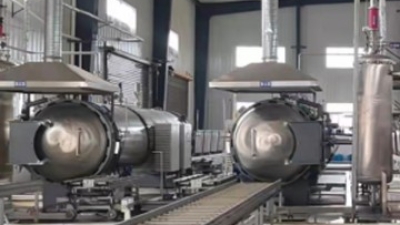
The treatment of medical waste is an essential component in maintaining public health and safety. Among the various technologies available, the centralized medical waste high-temperature steam treatment system stands out due to its mature processes and proven efficiency. According to industry data reports, this system offers thorough sterilization, significantly reducing the risk of pathogenic spread during waste disposal. The high-temperature steam treatment process achieves temperatures exceeding 130°C, which is critical in ensuring that harmful microorganisms are effectively eradicated.
Moreover, the system is designed with a high degree of automation, which enhances operational efficiency. Reports indicate that automated processes not only minimize the chances of human error but also optimize treatment times, allowing facilities to manage larger volumes of waste with ease. The simplicity of operation associated with this technology enables healthcare facilities to focus on their core responsibilities while ensuring that they meet health regulations pertaining to medical waste management. With the growing emphasis on sustainable practices, such systems are becoming increasingly vital, as they reduce environmental impacts associated with improper waste disposal.
Additionally, industry analysis shows that the implementation of centralized medical waste high-temperature steam treatment systems can lead to significant cost savings over time. By improving the efficiency of waste handling processes, healthcare facilities can allocate resources more effectively, a crucial factor in today’s healthcare landscape where cost control is paramount. The integration of such advanced treatment technology not only addresses the pressing need for effective medical waste management but also enhances the overall operational workflow in healthcare settings.
FAQS
: The primary function of steam condensers is to efficiently manage the condensation of steam back into water, which enhances the thermal performance of industrial systems.
The effective operation of steam condensers can improve the overall efficiency of thermal systems by up to 10%.
Improper condenser operation can lead to energy losses of approximately 15% or more in steam systems.
Industries can recover and reuse condensed steam by ensuring optimal performance, which reduces water and energy consumption.
Facilities have reported a return on investment (ROI) of up to 30% due to improved energy efficiency and reduced operational costs.
Effective steam condensation can lead to energy savings of up to 20% in power plants.
The focus of Hebei Hongke Qingneng Environmental Protection Equipment Co., Ltd. is on the research and development of environmentally friendly equipment designed for energy conservation.
Industrial processes account for approximately 25% of global energy use.
Advanced technologies in steam condensers maximize performance and minimize energy loss, thereby helping industries achieve significant reductions in energy consumption.
Promoting sustainable practices is necessary due to the significant contribution of industrial processes to global energy consumption and the need for energy conservation in the face of environmental concerns.
Conclusion
Steam condensers might not always be the first thing that comes to mind, but they actually play a pretty big role when it comes to boosting energy efficiency in industrial setups. I was reading this piece called "The Essential Guide to Understanding Steam Condensers and Their Role in Energy Efficiency," and it really highlights how crucial these devices are. Basically, it breaks down the core principles of steam condensers and stresses how important they are when you're trying to save energy. By boosting thermal performance, these condensers help make the whole system run smoother and more efficiently. Plus, they help tackle some common issues and show you the best ways to keep everything maintained and running properly.
On another note, Hebei Hongke Qingneng Environmental Protection Equipment Co., Ltd. is doing some pretty interesting work in this space too. Founded back in June 2021, and based in the Sanhe Economic Development Zone of Langfang City, this company is all about pushing forward energy-saving technologies. They really see how vital steam condensers are for reaching sustainability goals and improving how different industrial processes perform. It’s like they’re on a mission to make energy use more efficient and eco-friendly, which is pretty inspiring if you ask me.