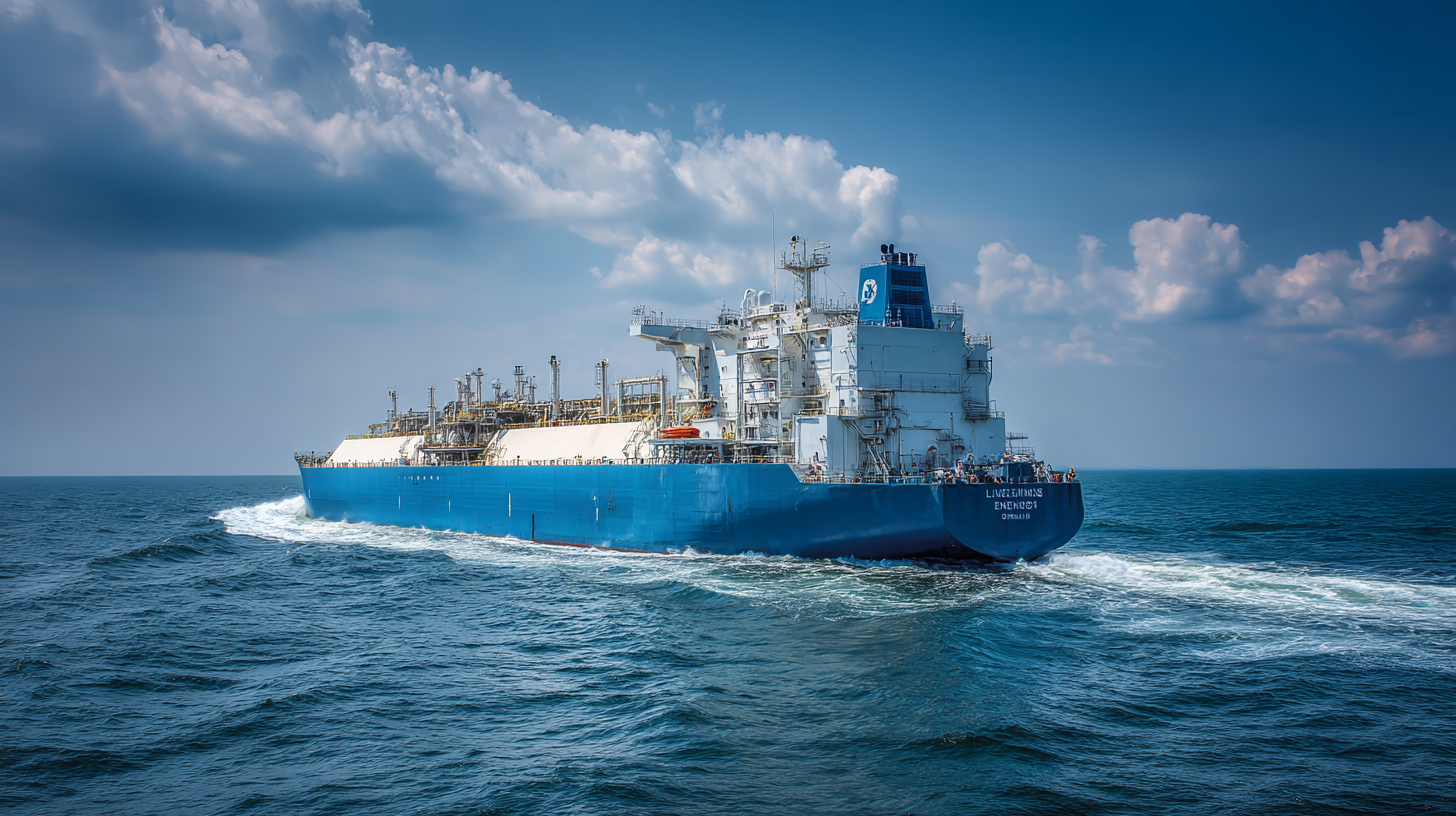
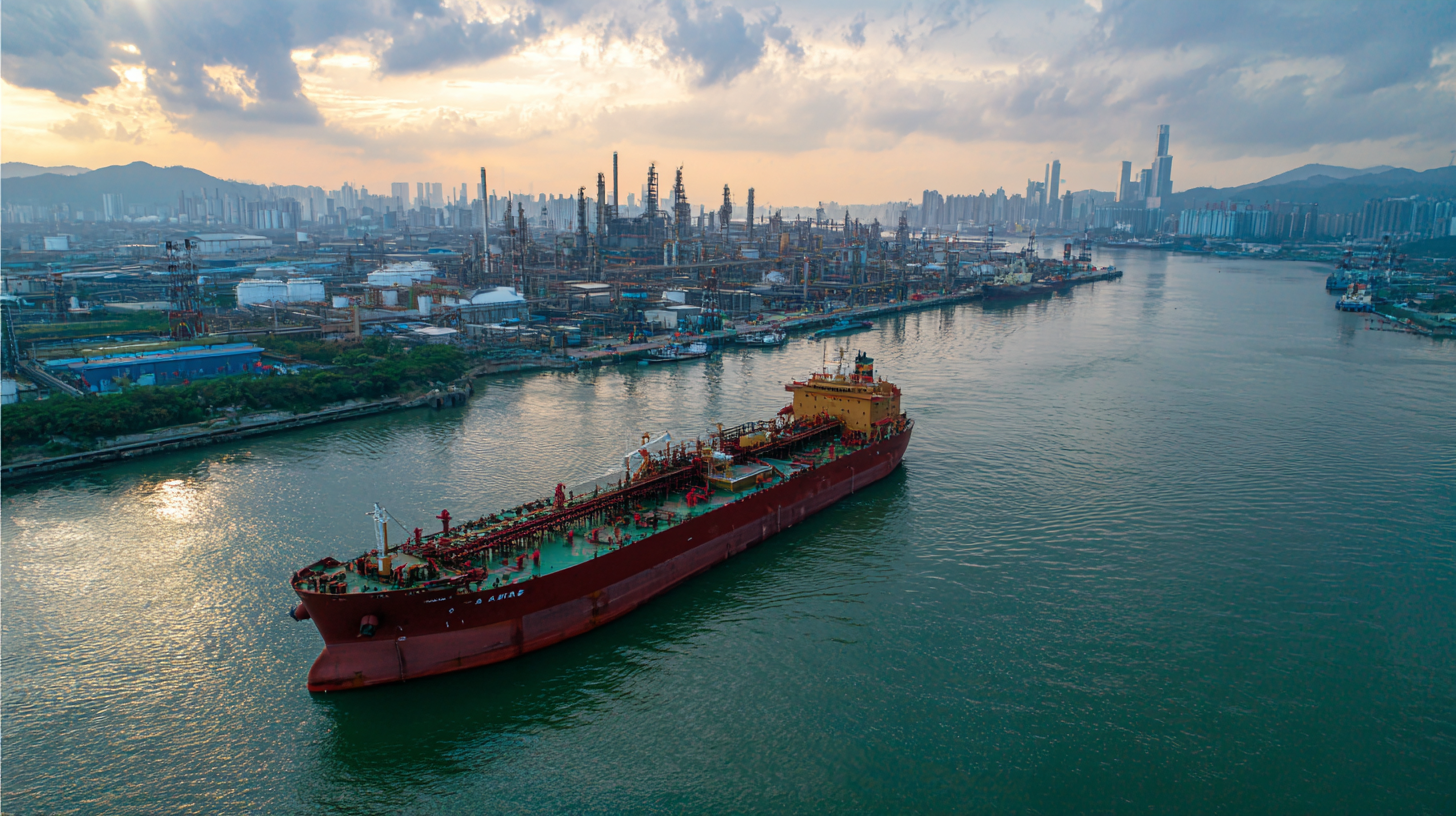
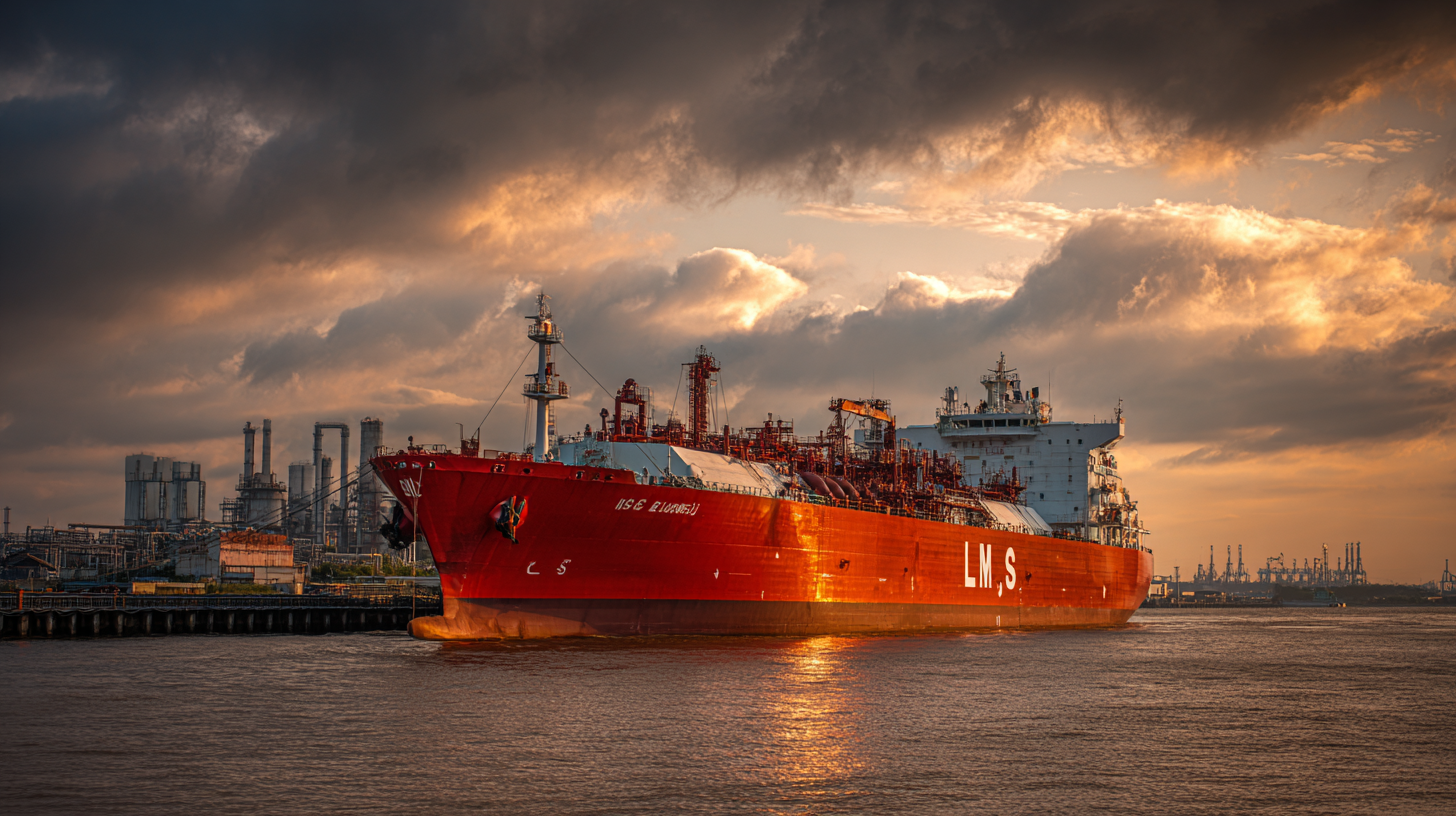
You know, in today’s world, everything’s so interconnected, and global trade really has a huge impact on our economies—especially when it comes to energy conservation and protecting the environment. Just look at the global LNG market; it skyrocketed to a whopping $130 billion in 2022! And experts predict it’s gonna keep growing at about 5% each year for the next five years. That’s a big deal, right? It really shows how crucial it is for companies, like Hebei Hongke Qingneng Environmental Protection Equipment Co., Ltd., to have solid import-export certifications. They’re all about developing energy-efficient technologies, which is super important. As a standout in this space, the “Best Lng Exchanger” is really making waves, making sure they meet those tough international standards to keep things running smoothly in trade. By focusing on reliable and sustainable products, the company isn’t just securing its spot in the market; it’s also helping pave the way to a greener future. It’s all about blending innovation with environmental responsibility—it’s what makes global trade tick these days!
You know, in the complex world of global trade, import-export certifications are super important for making sure transactions go off without a hitch. These certifications don’t just check off boxes for regulatory standards; they also prove that the products being traded are safe and of good quality. If a business wants to grow and reach new markets, understanding these certifications is really key since they can have a huge impact on gaining access to markets and building trust with consumers.
So, here's a handy tip for companies: keep an eye on the different certification requirements in various countries. Each place can have its own set of rules for what can be imported and exported, so it’s worth having a team dedicated to digging into these details. This way, you can smooth out the process and avoid any unnecessary delays or legal headaches. Plus, teaming up with experienced partners or certification bodies can really help you get the hang of best practices.
And don’t forget about documentation! Keeping clear records of all your certifications is super important. It not only helps with compliance but also builds trust with your clients and partners. Being on top of this can lead to stronger relationships and smoother transactions in the fast-paced world of global trade.
Navigating the maze of trade certifications can feel pretty overwhelming for companies hoping to dive into global trade. The import-export rules can get super complicated, and there are different standards in each country and industry. So, it’s not just about knowing what your product needs – you’ve also got to keep up with all the changes in compliance guidelines. If you miss the mark, it could cost you time and money, or worse, you might not even be able to sell in some markets.
On top of that, many businesses are stretched thin, which makes it tough to stay compliant. A lot of smaller companies just don't have the dedicated staff or budget to manage all the certification stuff effectively. This often means they end up leaning on third-party services, which can just add more headaches and costs to the mix. With so much pressure to keep up and stay competitive, a lot of companies end up playing catch-up instead of staying ahead – and that can leave them open to falling into regulatory traps while chasing success in global trade.
Let’s be real: figuring out the maze of import-export certifications can be super overwhelming for a lot of businesses trying to navigate the global trade scene. But here’s where 'Best Lng Exchanger' really shines. They’ve got this streamlined approach that basically takes the stress out of the certification process. By tapping into tech and keeping up with all the latest regulations, they make sure that compliance isn’t just something they check off a list; it’s actually a central part of how they operate. This means faster turnaround times and fewer hiccups – which is exactly what businesses need to really succeed in a competitive market.
On top of that, 'Best Lng Exchanger' is all about building solid relationships with certification bodies and regulatory agencies. By staying engaged and proactive, they always know what’s changing in the certification game and can spot new trends as they come up. And here’s the cool part: they share transparent insights about the certification process with their clients, which really helps businesses make smart choices. This builds trust and reliability, and let’s be honest, that’s valuable. Plus, this strong, customer-focused approach not only boosts their reputation but also cements their status as a leader in the import-export certification world.
You know, incorporating advanced tech into the import-export certification process is really shaking things up for businesses trying to navigate the global trade scene. Let’s be real—traditional methods often mean heaps of paperwork, a ton of compliance checks, and long waits that can totally slow down transactions. But lately, we’re seeing some cool tech solutions that are making life a lot easier. Take digital platforms and blockchain technology, for example. They let companies track their shipments and certifications in real-time, making sure that all the important documents are stored safely and can be accessed easily. This kind of transparency not only speeds up the verification process but also builds trust between trading partners, which is super important.
And it doesn’t stop there! Automation tools are also helping to streamline compliance in international trade. With these tools, companies can automatically generate and validate documents, which really helps cut down on human error and, you know, those annoying delays. Plus, AI-driven systems are on it—they analyze changes in regulations and keep businesses updated, which helps them avoid any compliance hiccups. In today’s digital age, using technology for import-export certifications lets companies like 'Best Lng Exchanger' stay ahead of the curve, creating a smoother and more reliable trading environment on a global level.
| Dimension | Description | Impact of Technology | Example Metrics |
|---|---|---|---|
| Certification Speed | The time taken to obtain import-export certifications. | Automated systems reduce processing time by up to 50%. | Average processing time: 10 days. |
| Documentation Accuracy | Accuracy of submitted documents regarding compliance and regulations. | AI validation systems increase accuracy rates by 80%. | Error rate: 2%. |
| Cost Efficiency | Overall cost savings associated with certification processes. | Digital transformation reduces costs by up to 30%. | Cost per certification: $200. |
| Regulatory Compliance | Adherence to local and international trade laws. | Blockchain technology enhances compliance tracking. | Compliance rate: 95%. |
| Customer Satisfaction | Feedback from clients on the certification process. | Improved service platforms lead to a 25% increase in satisfaction. | Satisfaction score: 4.7/5. |
In the really complex world of global trade, 'Best Lng Exchanger' totally shines when it comes to dealing with those tricky import-export certifications. According to a report from the International Trade Centre, a jaw-dropping 75% of companies hit some major roadblocks trying to break into foreign markets. Thankfully, with some savvy partnerships and top-notch advice, 'Best Lng Exchanger' has made it so much easier for its clients to get through compliance hurdles and jump into vital markets in Asia and Europe.
Check this out: real-world success stories show how 'Best Lng Exchanger' helped a big LNG exporter tackle a massive certification backlog that was holding up shipments for over three months! By tapping into their industry knowledge and really understanding the rules and regulations, they got the exporter the necessary certifications faster than anyone expected. This speedy action led to a 40% drop in delivery delays and a huge boost in international sales. It just goes to show how targeted strategies can really break down trade barriers and help clients thrive in the super competitive world of global trade.
: Companies encounter significant challenges such as varying standards across countries, the complexity of import-export regulations, resource constraints, and the need to adapt to a rapidly changing compliance landscape.
Non-compliance can lead to costly delays, fines, and potential inability to operate in specific markets, jeopardizing a company's ability to engage in global trade.
'Best Lng Exchanger' employs a streamlined approach, leveraging technology and maintaining up-to-date regulatory knowledge to ensure compliance is integral to their operations.
Technology simplifies challenges like extensive paperwork and compliance checks by enabling real-time tracking of shipments, secure document storage, and automating the generation and validation of documents.
The company fosters strong relationships with certification bodies and regulatory agencies through proactive engagement, which helps them stay ahead of changes in standards and industry trends.
Automated compliance tools reduce human error and delays by generating and validating documents, while AI systems analyze regulatory changes and provide timely updates to minimize the risk of non-compliance.
A customer-centric approach enhances trust and reliability, providing clients with transparent insights into the certification process, which strengthens the company's reputation and leadership in the industry.
By integrating technology into their processes, 'Best Lng Exchanger' streamlines the certification workflow, minimizing disruptions and expediting the verification process.
Smaller companies often struggle with resource constraints, lacking the dedicated personnel and financial capacity to manage certification processes effectively, which can leave them vulnerable to regulatory issues.
Engaging with certification bodies and utilizing AI-driven systems can help businesses stay updated with the latest changes in certification standards, enabling proactive compliance efforts.