
- Mobile Medical Waste Disposal Equipment
- Centralized Medical Waste High Temperature Steam Treatment Equipment
- Animal Tissue (Residue) Treatment Equipment
- VOC Exhaust Treatment Equipment
- Desulfurization Equipment
- Skid-Mounted Liquefaction Equipment
- Purification Equipment
- Liquefaction Plant
- Truck-Mounted Skid-Mounted Liquefied Natural Gas Plants
- Non-Standard Pressure Vessel
- Natural Gas Treatment Plant Tail Gas Recovery Equipment
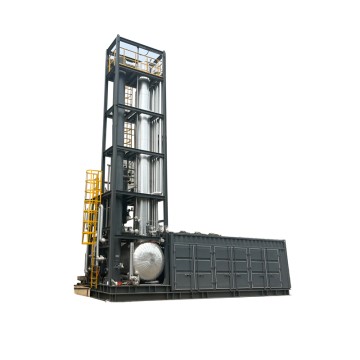
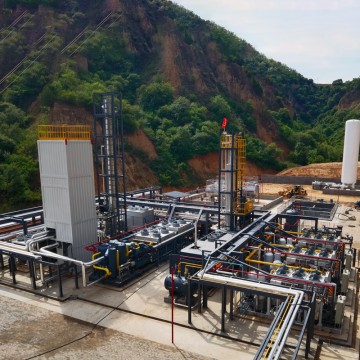
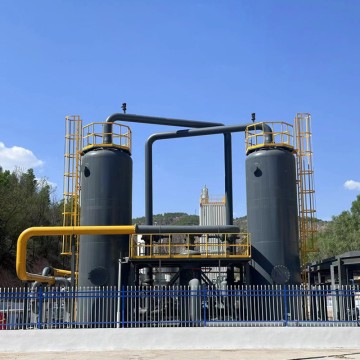
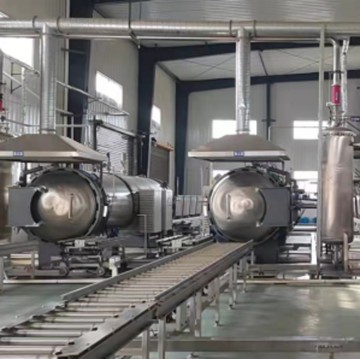
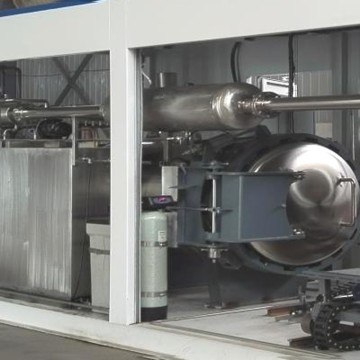
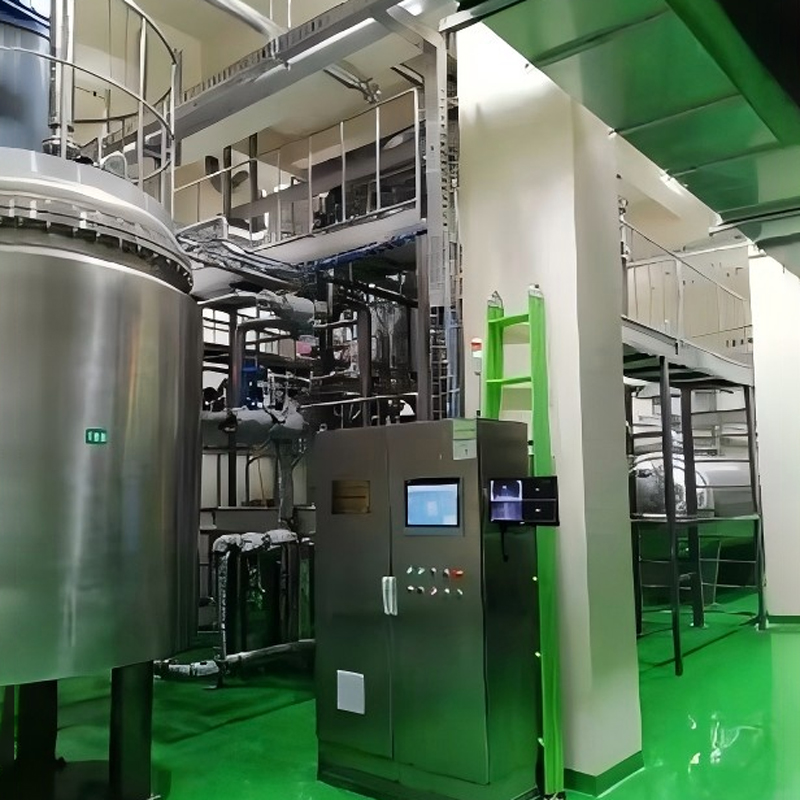
High-Temperature Hydrolysis Treatment Equipment for Laboratory Animal Carcasses - China Suppliers & Factory
Product description
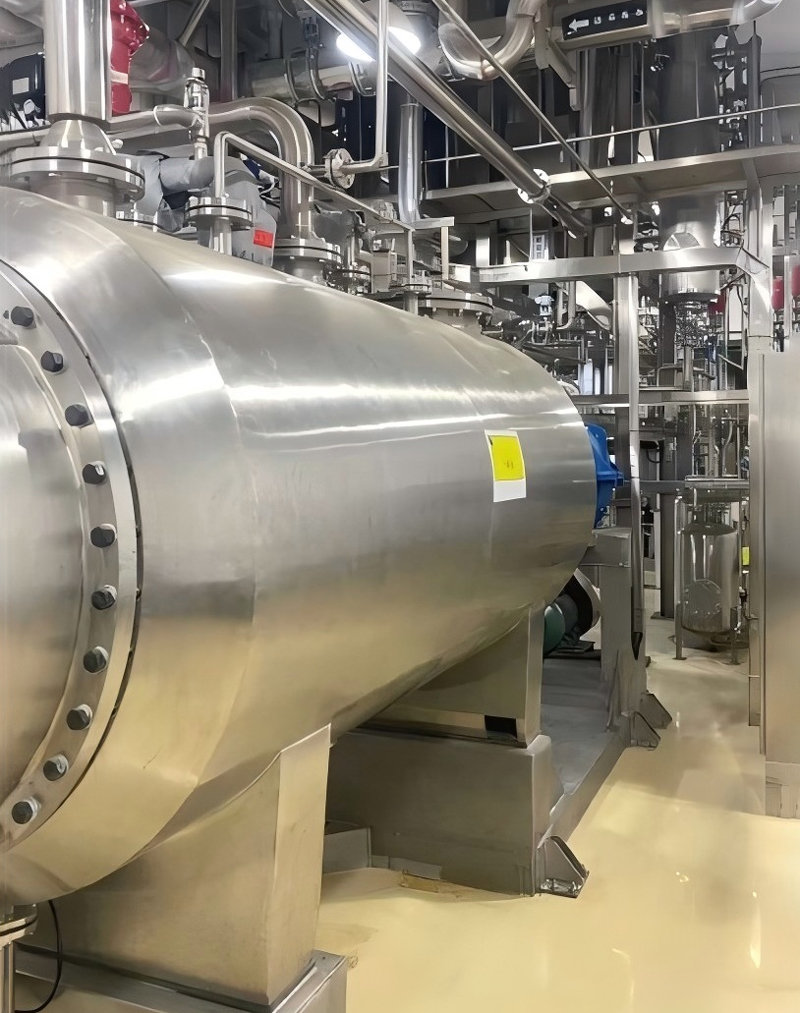
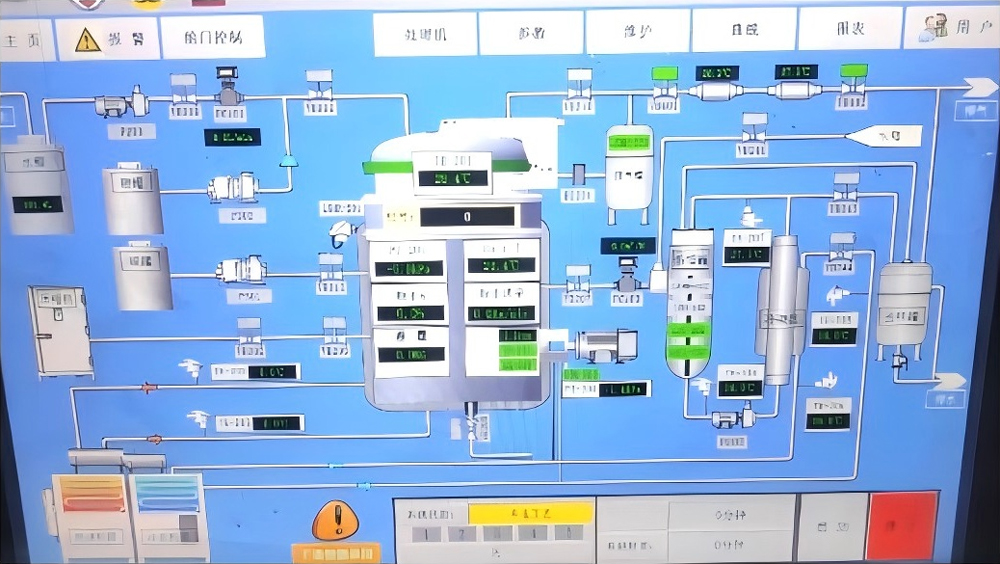
Simple operation
Product advantages
- 1 The floor area of the equipment is only 1/5 of that of the incinerator, which greatly saves the floor area.
- 2 The processing cost is low, the equipment is fully automated, and the operation is simple.
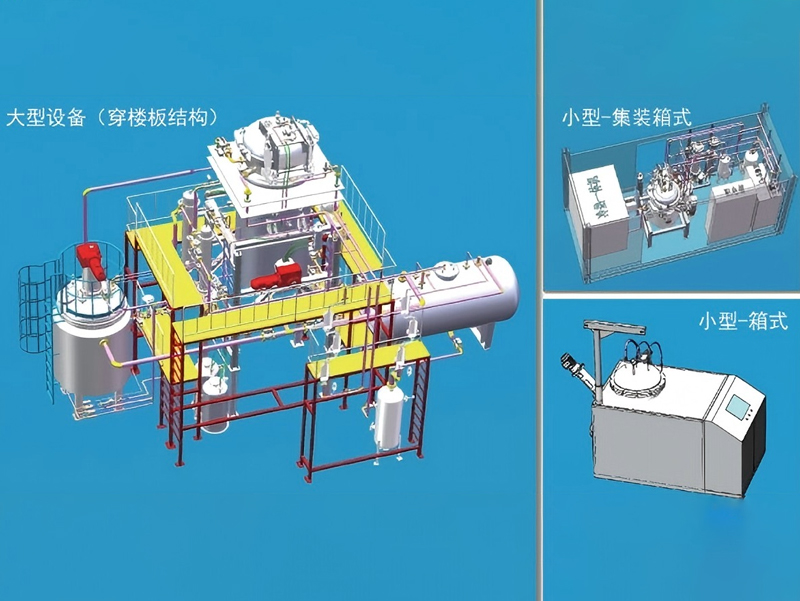
- 3 The equipment can be installed vertically or horizontally. The part where the feed inlet passes through the floor or wall adopts biological seal, which reduces other sterilization equipment and shortens the sterilization route.
- 4 The final effluent from the treatment of animal carcasses is solid residue (animal bone residue) and waste liquid. The solid residue can be directly transported away. Although the BOD of waste liquid is high, the BOD value of waste liquid discharged into the park pipe network is greatly reduced after mixing and diluting with the sewage of the whole park. The incinerator needs to be equipped with corresponding smoke and dust removal devices to meet the requirements of environmental protection. In addition, the incineration process consumes a large amount of oxygen, produces carbon dioxide, and has a large amount of carbon emissions, which is not conducive to the goal of carbon neutralization. Compared with the two methods, the alkaline hydrolysis method is easier to meet the requirements of environmental protection, and the pollution to the environment is minimized.
- 5 In terms of investment, the price of alkali hydrolysis treatment equipment is lower than that of incinerator.
Frequently Asked Questions
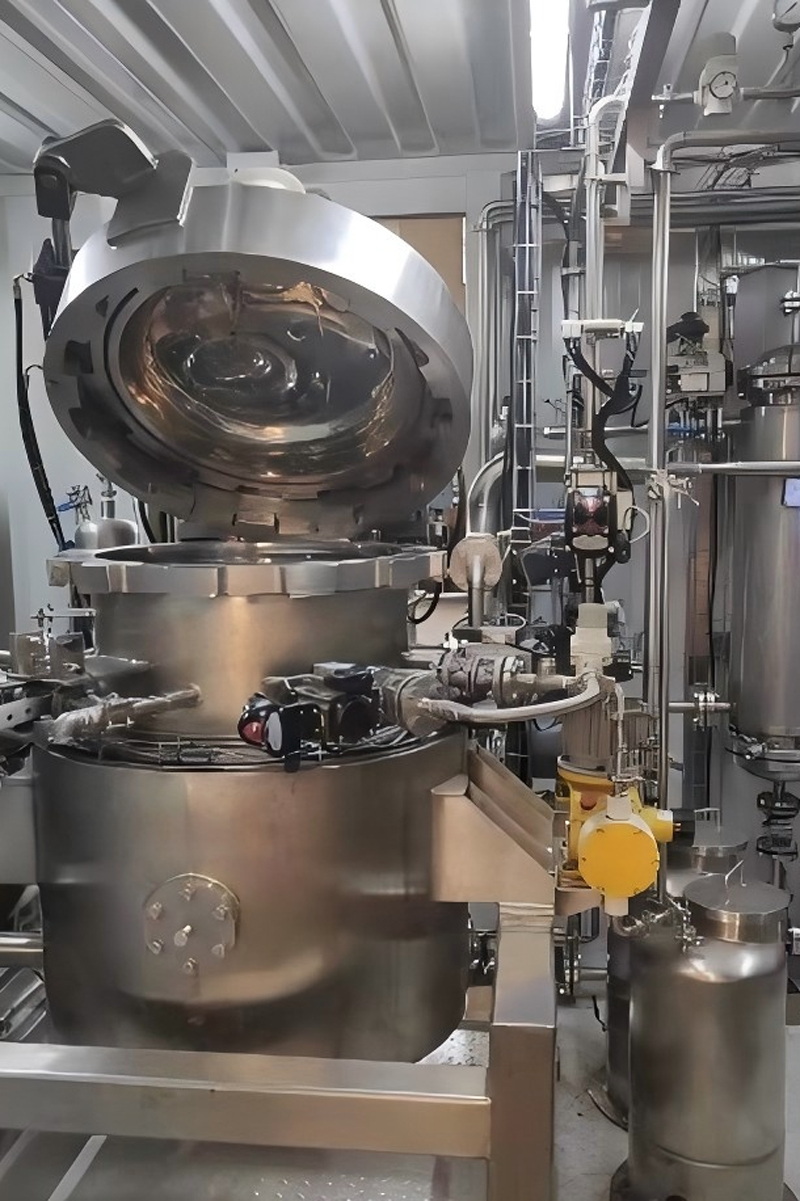
It is also known as animal tissue alkali hydrolysis treatment equipment, experimental animal tissue treatment equipment, animal tissue degradation system, animal residue processor, or animal carcass harmless treatment equipment. It is designed to treat various animal residues and biological tissues produced by biological laboratories and animal vaccine factories.
The corpses of epidemic animals or experimental animals carry a great danger because harmful microorganisms, such as virulent infectious viruses, can lie in them. Traditional burial only isolates but does not kill these microorganisms, and incineration releases dioxin and other harmful gases, causing serious environmental pollution.
The process uses alkaline substances such as NaOH and KOH to hydrolyze macromolecular substances (proteins, lipids, nucleic acids, and carbohydrates) in animal tissues into water-soluble small molecular segments under high temperature and high pressure. This completely inactivates pathogenic microorganisms and kills the most stubborn prions.
Alkali hydrolysis requires only 1/5 of the floor area of an incinerator, has lower processing and investment costs, and is fully automated. It has much lower carbon emissions, does not require complex smoke and dust removal devices, and is easier to meet environmental protection requirements.
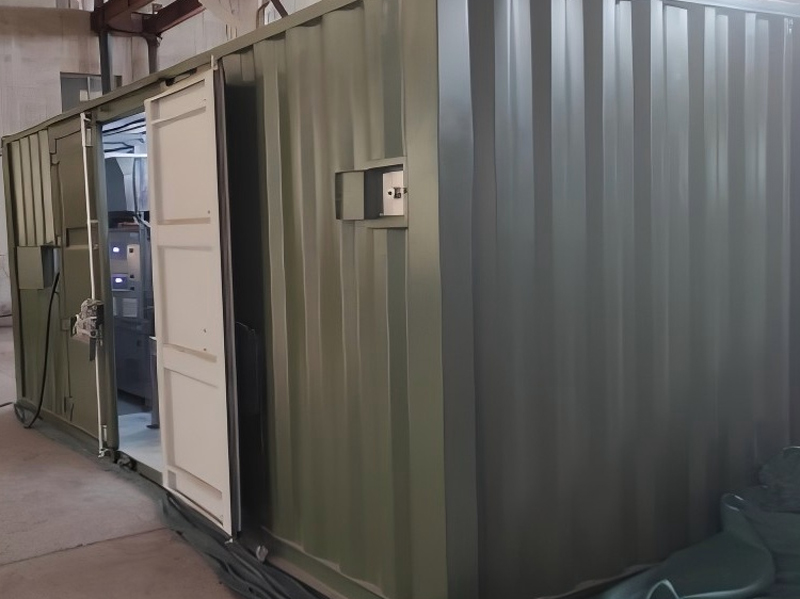
Yes, we have developed a mobile alkali hydrolysis treatment equipment where all components are integrated in a container. It can be loaded and transported by ordinary trucks to treat diseased animal carcasses onsite, eliminating the risks of secondary transportation.
The final products are solid residue (animal bone residue) that can be directly transported away, waste liquid (which is mixed and diluted with the park's sewage network to reduce its BOD value), and a small amount of odorous harmless gas.
Inquire Now!
If you have any needs, please feel free to contact me and I will be happy to serve you.