
- Mobile Medical Waste Disposal Equipment
- Centralized Medical Waste High Temperature Steam Treatment Equipment
- Animal Tissue (Residue) Treatment Equipment
- VOC Exhaust Treatment Equipment
- Desulfurization Equipment
- Skid-Mounted Liquefaction Equipment
- Purification Equipment
- Liquefaction Plant
- Truck-Mounted Skid-Mounted Liquefied Natural Gas Plants
- Non-Standard Pressure Vessel
- Natural Gas Treatment Plant Tail Gas Recovery Equipment
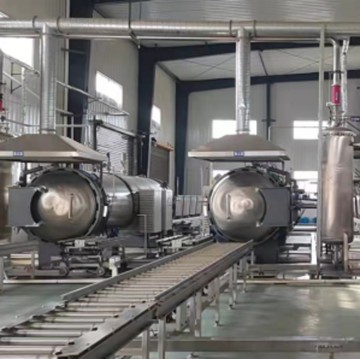
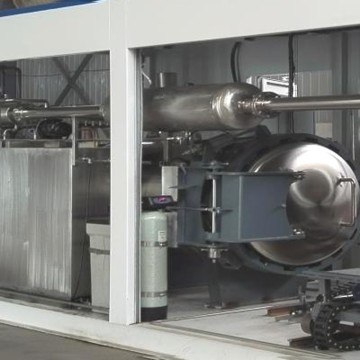
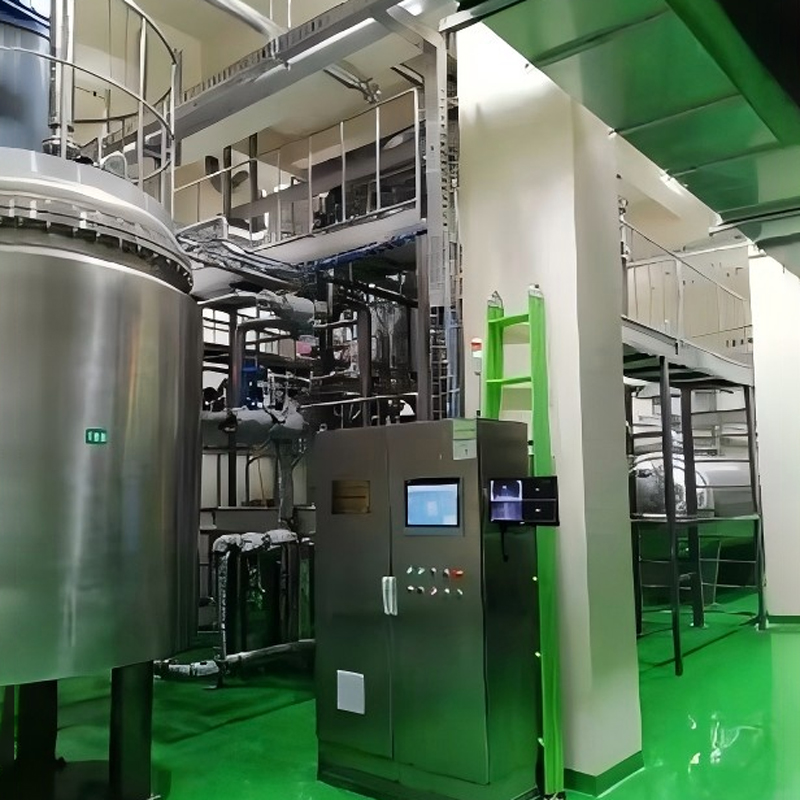
High-Temperature Hydrolysis Treatment Equipment for Laboratory Animal Carcasses from China Suppliers and Factory
Product description
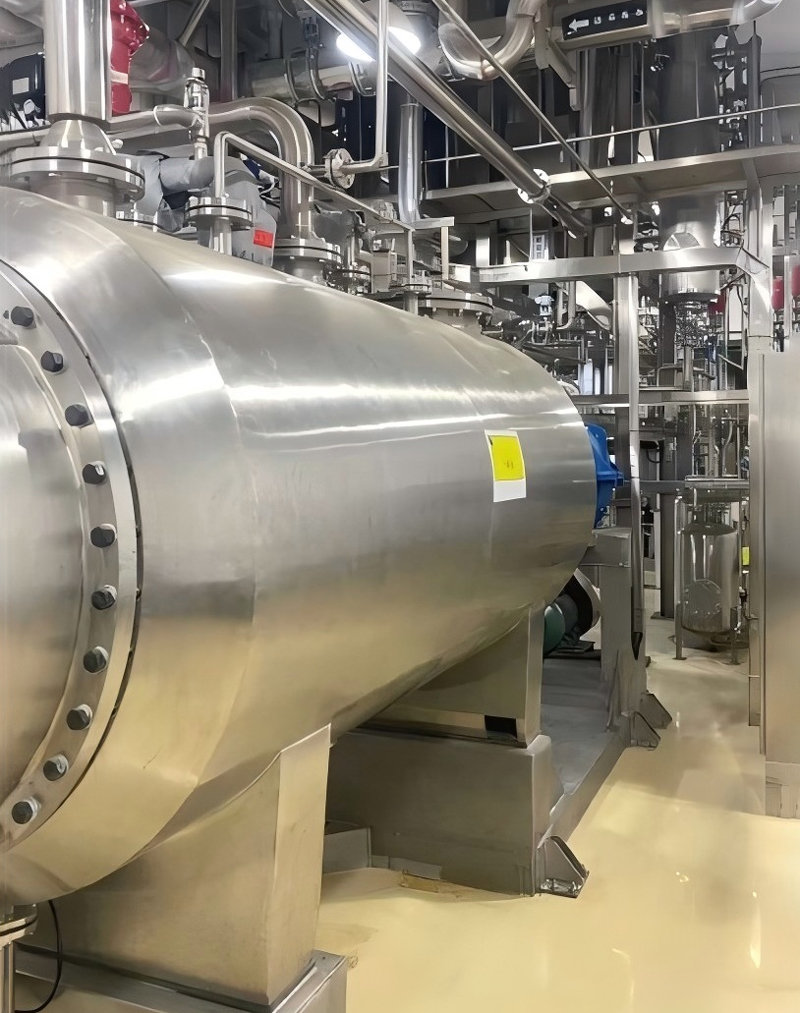
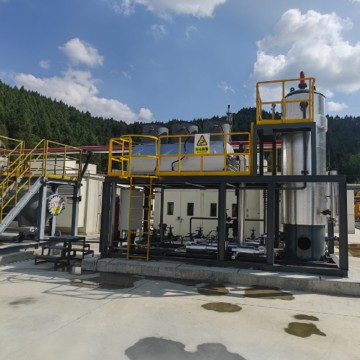
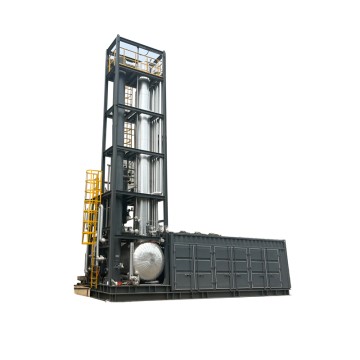
Laboratory animal carcass treatment equipment is also known as animal tissue alkali hydrolysis treatment equipment, experimental animal tissue treatment equipment, animal tissue degradation system, animal residue processor, animal carcass harmless treatment equipment, etc.
The corpses of epidemic animals, including epidemic infected experimental animals, vaccine production animals and other experimental animals needed in the research process, are in great danger. Harmful microorganisms such as virulent infectious viruses are likely to lie in these corpses, and improper treatment will cause the spread and spread, which will seriously threaten the lives and health of human beings and other organisms. The traditional burial method can only isolate, but can not kill harmful microorganisms; The incineration method will release dioxin and other harmful gases when burning animal carcasses, which will seriously pollute the environment.
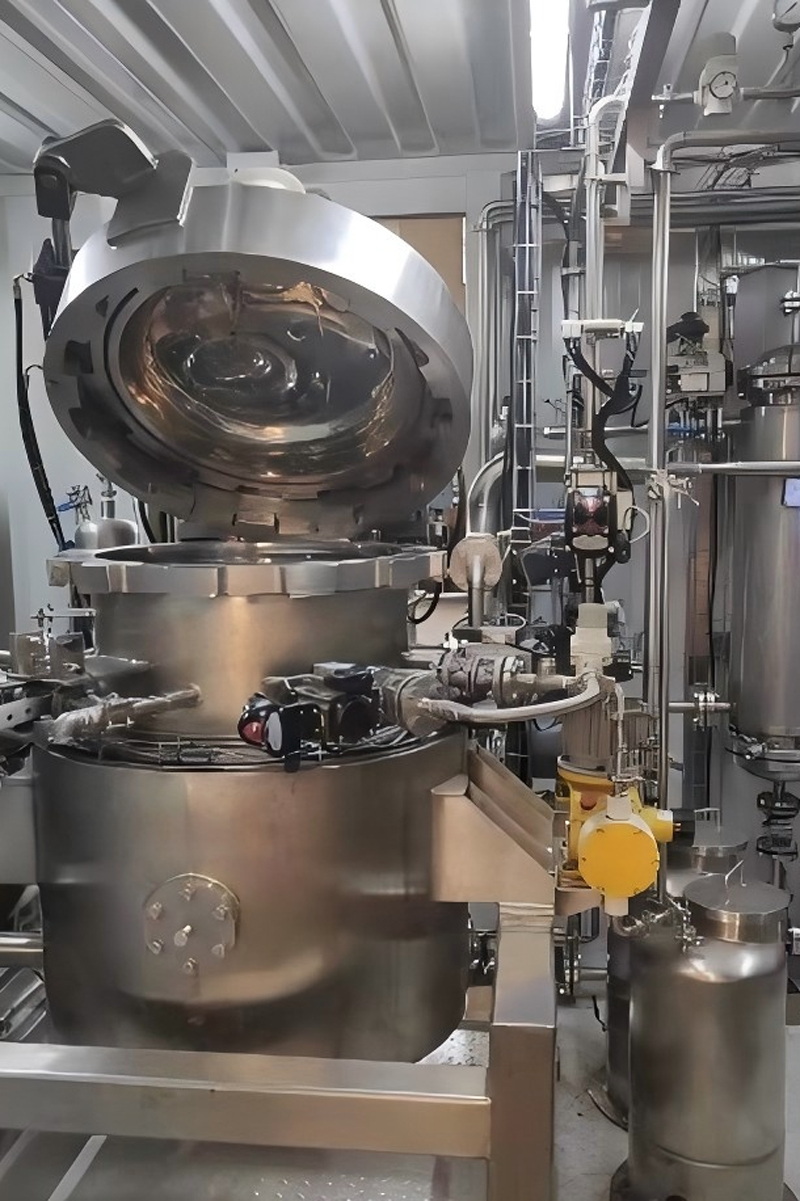
The animal carcass treatment equipment of our company adopts advanced high-temperature alkali hydrolysis treatment process, and uses alkaline substances such as NaOH and KOH to hydrolyze macromolecular substances such as proteins, lipids, nucleic acids and carbohydrates in animal tissues into water-soluble small molecular segments under high temperature and high pressure, so as to completely inactivate pathogenic microorganisms and kill the most stubborn prions. After treatment, animal tissues become solid residue, waste liquid and a small amount of odorous harmless gas, so as to realize harmless treatment. It can be widely used to treat various animal residues and biological tissues produced by various biological laboratories and animal vaccine factories.
Simple operation
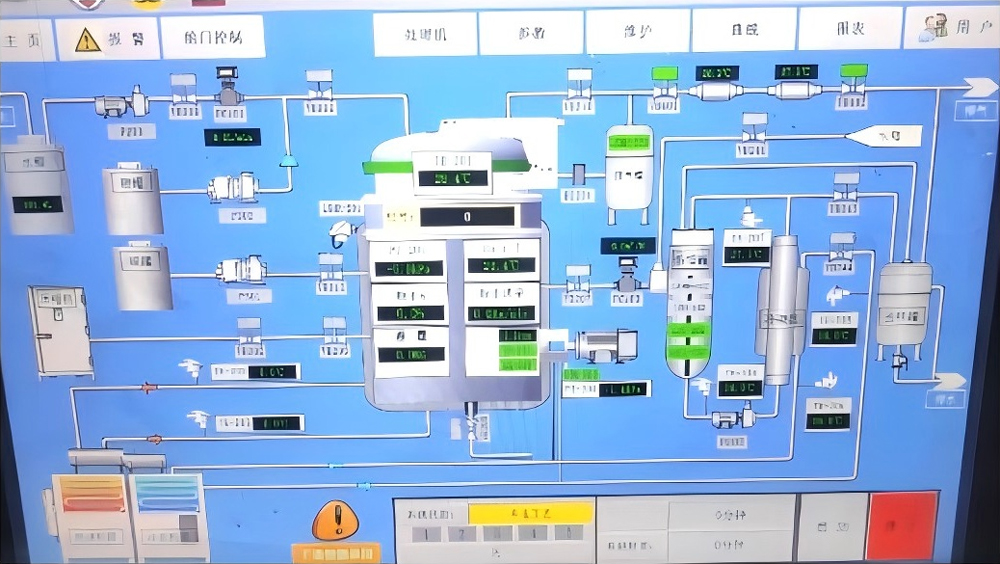
The laboratory animal high-temperature hydrolysis treatment equipment adopts automatic control as a whole, with fixed procedures, simple operation and simple training. The equipment is all made of stainless steel materials, with low maintenance cost and labor-saving.
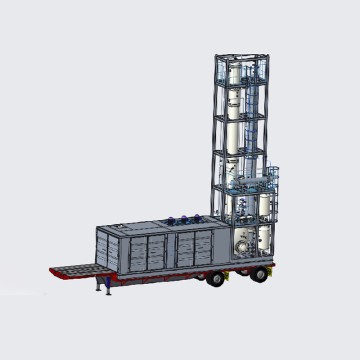
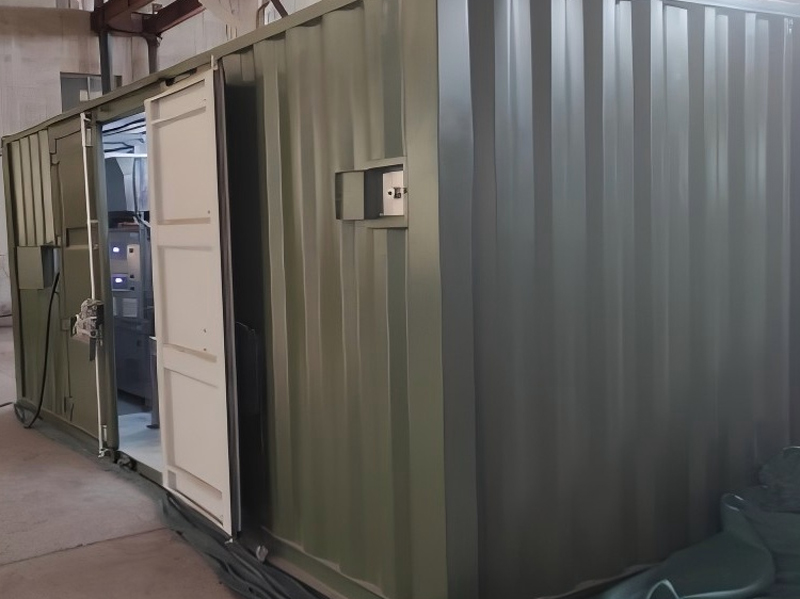
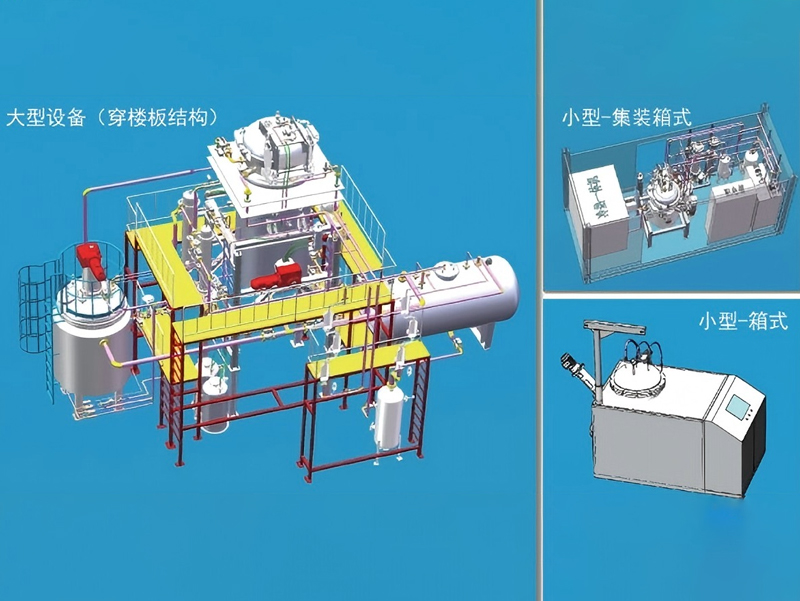
Our company has also developed a mobile alkali hydrolysis treatment equipment for animal carcasses. All the equipment is integrated in the container, which can be loaded and transported by ordinary trucks. It can treat the diseased animal carcasses anytime and anywhere, and eliminate the risks arising from the secondary transportation of diseased animal carcasses. It can also support the treatment of a large number of diseased animals in the event of regional outbreaks.
Product advantages
Compared with incineration method, high temperature alkali hydrolysis method has the following outstanding advantages:
-
(1) Space Saving: The floor area of the equipment is only 1/5 of that of the incinerator, which greatly saves the floor area.
-
(2) High Automation: The processing cost is low, the equipment is fully automated, and the operation is simple.
-
(3) Flexible Installation: The equipment can be installed vertically or horizontally. The part where the feed inlet passes through the floor or wall adopts biological seal, which reduces other sterilization equipment and shortens the sterilization route.
-
(4) Environmental Protection: The final effluent from the treatment of animal carcasses is solid residue (animal bone residue) and waste liquid. The solid residue can be directly transported away. Although the BOD of waste liquid is high, the BOD value of waste liquid discharged into the park pipe network is greatly reduced after mixing and diluting with the sewage of the whole park. The incinerator needs to be equipped with corresponding smoke and dust removal devices to meet the requirements of environmental protection. In addition, the incineration process consumes a large amount of oxygen, produces carbon dioxide, and has a large amount of carbon emissions, which is not conducive to the goal of carbon neutralization. Compared with the two methods, the alkaline hydrolysis method is easier to meet the requirements of environmental protection, and the pollution to the environment is minimized.
-
(5) Cost-Effective Investment: In terms of investment, the price of alkali hydrolysis treatment equipment is lower than that of incinerator.
The high temperature alkaline hydrolysis method not only has the sterilization ability of burying method, but also avoids the disadvantages of environmental pollution and high economic cost of incineration method. It is a reliable and preferred technical scheme for the treatment of animal carcasses.
Frequently Asked Questions
Inquire Now!
If you have any needs, please feel free to contact me and I will be happy to serve you.